
Conceptismo
Conceptismo (literally, conceptism) is a literary movement of the Baroque period in the Spanish literature. It began in the late 16th century and lasted through the 17th century, also the period of the Spanish Golden Age.

Conceptismo is characterized by a rapid rhythm, directness, simple vocabulary, witty metaphors, and wordplay. In this style, multiple meanings are conveyed in a very concise manner, and conceptual intricacies are emphasised over elaborate vocabulary.[1]
Definition
A major theorist of the movement, Baltasar Gracián, in his work Agudeza y arte de ingenio, defined "concept" as "an act of the understanding that expresses the correspondence between objects".[2]Conceptismo is characterized by a search for conciseness of expression with maximum significance in as few words as possible (mot juste), especially in a way that suggests various meanings, as long as it is relevant to the theme of the work.
Conceptismo works with the meanings of words and their relationships, often in the service of rhetoric. The most common means of achieving this are ellipsis, zeugma, amphibology, polysemy, antithesis, equivocation, parody, or puns.
In line with other baroque styles, conceptismo upheld the aesthetic value of the difficulties of language, thus Gracián declared:
"La verdad, cuanto más dificultosa, es más agradable, y el conocimiento que cuesta es más estimado."[3] "Truth, when it is more difficult, is more pleasant, and knowledge that costs is more valued."
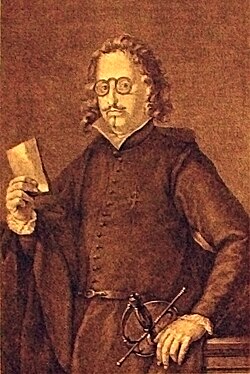
The most prominent writer of Castilian conceptismo is Francisco de Quevedo, who wrote with an ironic style and satirical wit. Other adherents of this style include Baltasar Gracián.
Contrast with culteranismo
Conceptismo contrasts starkly with culteranismo, another movement of the Baroque period, which is characterized by ostentatious vocabulary, complex syntactical order, multiple, complicated metaphors, but highly conventional content.
กล่าวอีกนัยหนึ่งคือ ในขณะที่ แนวคิดนิยม เชิงนามธรรม (conceptismo)ให้คุณค่ากับคำศัพท์จำนวนน้อยแต่มีความหมายสูงแนวคิดทางวัฒนธรรม (culteranismo)ให้คุณค่ากับคำศัพท์ที่ซับซ้อนและมีความสำคัญในระดับหนึ่ง ทั้งสองแนวคิดต่างให้ความสำคัญกับสิ่งที่กราเซียนระบุว่าเป็นคุณค่าของความยากในการใช้ภาษา
ไม่ควรคิดว่าศิลปะแนวคิด (conceptismo)นั้นเรียบง่ายกว่าศิลปะวัฒนธรรม (culteranismo)เพียงเพราะคำศัพท์ที่เรียบง่ายกว่า เพราะ ศิลปะแนวคิดซ่อนความซับซ้อนไว้ภายใต้เทคนิคหลากหลาย ซึ่งบางส่วนได้กล่าวไว้ข้างต้นแล้ว ในทำนองเดียวกัน ไม่ควรคิดว่าศิลปะวัฒนธรรมนั้นมีความหมายหรือความลึกซึ้งน้อยกว่าศิลปะแนวคิดเพียงเพราะเน้นที่ "ภายนอก" ของงาน เพราะศิลปะวัฒนธรรมอาจมีความหมายเท่าเทียมกับศิลปะแนวคิดและเป็นเพียงเรื่องของว่าความหมายนั้นปรากฏอยู่ใน "ภายนอก" หรือ "ภายใน" ของงานเท่านั้น
หลุยส์ เดอ กองโกราผู้เป็นตัวแทนที่มีชื่อเสียงที่สุดของวัฒนธรรม สเปน มีความขัดแย้งอย่างต่อเนื่องกับฟรานซิสโก เดอ เกเบโด โดยต่างฝ่ายต่างวิพากษ์วิจารณ์งานเขียนและชีวิตส่วนตัวของอีกฝ่าย
คอนเชตติสโมแบบอิตาลี

แนวคิดเชิงนามธรรม ของอิตาลี (Italian concettismo ) ใช้การเปรียบเทียบที่ซับซ้อนและเกินจริง ความขัดแย้ง และข้อความเชิงตรรกะที่ไม่สอดคล้องกัน ( acutezze ) เพื่อแสดงให้เห็นถึงอัจฉริยภาพและความเฉลียวฉลาด ( ingegno ) ของผู้เขียน และกระตุ้นความประหลาดใจ ( meraviglia ) ในผู้อ่าน คำนี้ซึ่งมาจากคำว่า concetto (จากภาษาละติน concipere แปลว่า 'คิด') ถูกใช้มาตั้งแต่สมัยเปตราร์คเพื่อบ่งบอกถึงแนวคิดเบื้องหลังงานศิลปะ ในบทกวีสมัยปลายยุคเรเน สซองส์ โดยเฉพาะอย่างยิ่งใน หนังสือ Del concetto poeticoของกามิลโล เปллеกรีโนประมาณปี 1592 แนวคิดนี้แสดงให้เห็นถึงความเข้าใจใหม่เกี่ยวกับธรรมชาติของสิ่งต่างๆ และความสัมพันธ์ที่ซ่อนเร้นระหว่างสิ่งเหล่านั้น โดยเฉพาะอย่างยิ่งที่ถ่ายทอดผ่านอุปมาอุปไมยที่ขยายความหรือห่วงโซ่ของอุปมาอุปไมย ทฤษฎีของconcettoจึงสัญญาว่าจะแก้ไขข้อขัดแย้งระหว่างการประดับประดาและการให้ความรู้ ซึ่งเป็นความขัดแย้งระหว่างความเป็นเอกลักษณ์ของการแสดงออกและการยึดมั่นในบรรทัดฐานทางวัฒนธรรมในยุคนั้นด้วย รูปแบบการเขียนแบบนี้มีต้นกำเนิดมาจากลักษณะทางสไตล์ที่พบในงานเขียนของเปตราร์ค ลักษณะเหล่านี้ถูกลดทอนความสำคัญลงโดยปีเอโตร เบมโบและผู้ติดตามของเขา จากนั้นจึงถูกค้นพบและพัฒนาขึ้นอีกครั้งในสภาพแวดล้อมทางการค้าและการแข่งขันของวงการวรรณกรรมในปลายศตวรรษที่ 16 นักวิชาการบางคนยกบทบาทสำคัญให้แก่ลุยจิ ตันซิโยหรือที่พบได้บ่อยกว่าคือตอร์ควาโต ทัสโซในขณะที่คนอื่นๆ เน้นย้ำถึงอิทธิพลของ วาทศิลป์ในโบสถ์ ยุคปฏิรูปศาสนาไม่ว่าอย่างไรก็ตาม ในช่วงทศวรรษ 1590 กวีอย่างกุยโด คาโซนีและเซซาเร รินัลดีได้ประพันธ์บทกวีที่มีลักษณะเด่นคือการใช้คำอุปมาอุปไมยที่ขยายออกไปไกลเกินกว่าหลักการของเปตราร์คแบบดั้งเดิม พวกเขาได้รับการเลียนแบบอย่างรวดเร็ว (ในบางกรณีก็เป็นการล้อเลียน) โดยกวีรุ่นต่อไป โดยเฉพาะอย่างยิ่งโทมัสโซ สติกลิอานีและจิอัมบัตติสตา มาริโน ความสำเร็จของ บทกวี Rimeของเขา(ปี 1602 ซึ่งมีการตีพิมพ์ซ้ำมากกว่า 30 ครั้งในอีก 70 ปีต่อมา) ทำให้เขาได้รับการยกย่องว่าเป็นผู้นำของรูปแบบบทกวีใหม่ ซึ่งต่อมาถูกเรียกว่าMarinismซึ่งเป็นคำที่ไม่เป็นที่รู้จักในศตวรรษที่ 17 แม้ว่า Stigliani จะเรียกผู้สนับสนุนของคู่แข่งของเขาอย่างดูถูกว่า 'marineschi' ก็ตาม ความสำคัญของ Marino ไม่ควรถูกมองข้าม โดยเฉพาะอย่างยิ่งบทบาทของเขาในการส่งเสริมจิตสำนึกใหม่ในหมู่นักเขียน แต่การศึกษาล่าสุดชี้ให้เห็นว่า เขาอาจไม่ใช่ผู้คิดค้นรูปแบบใหม่นี้ และอาจไม่ใช่ตัวแทนที่โดดเด่นที่สุดด้วยซ้ำ และคำว่าmarinistaน่าจะสงวนไว้สำหรับกลุ่มผู้สนับสนุนและผู้เลียนแบบลักษณะเฉพาะของเขาที่ผสมผสานระหว่างความพอดีทางวาทศิลป์และความสุดโต่งทางอุดมการณ์เท่านั้น อันที่จริง ในช่วงทศวรรษ 1620 concettismo involved ever more complex, far-fetched metaphors, as well as a use of antithesis, oxymoron, paronomasia, and chiasmus far more elaborate than anything Marino had produced. These formal excesses prompted a wave of criticism, as well as attempts, notably by the poet Girolamo Preti and the theorist Matteo Peregrini, to tread a safer middle ground. A greater challenge came from the Jesuits, who were once mistakenly seen as the promoters or even the originators of concettismo. From 1623 the censors of the order, to whom all members had to submit their work, were instructed to refuse permission to publish for reasons of convoluted style, as well as content. In the years following the reaction to concettismo gained further momentum thanks to official encouragement by Pope Urban VIII of an alternative, grandiloquently classical manner, often designated Baroque classicism. The issues at stake were as much political as stylistic, with classicism increasingly the expression of religious and political absolutism, while many practitioners of concettismo, especially in its more full-blooded forms, were variously identified with religious heterodoxy, republicanism, opposition to Spanish hegemony in Italy, and the interests and aspirations of the provincial petty nobility and professional middle classes. By the 1650s concettismo was no longer the dominant literary style, and, though it continued to be practised in provincial literary circles, it had lost almost all its initial radical charge. Paradoxically, in view of its heterodox origins, it survived longest in the precious, erudite verse of late 17th-century conservative-aristocratic Naples, and the elaborate homilies of Jesuit preachers like Giacomo Lubrano.