
Gentiloni Pact
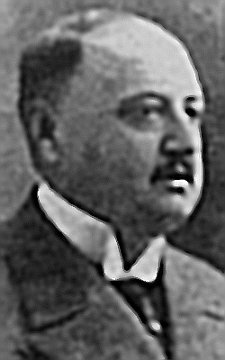
The Gentiloni Pact (Italian: Patto Gentiloni) was the 1913 agreement between Italian Prime MinisterGiovanni Giolitti and Count Ottorino Gentiloni, president of the Catholic Electoral Union from 1909 to 1916, to swing Catholic voters behind Giolitti's coalition in the 1913 general election.[1][2]
Background

Due to the evolving relationship between the Catholics and the Italian liberal state, in the 1910s Giolitti saw a way to further his clout and sway over the masses after the extension of suffrage to all adult males.
In 1904, Pope Pius X informally gave permission to Catholics to vote for government candidates in areas where the Italian Socialist Party might win. Since the Socialists were the arch-enemy of the Church, the reductionist logic of the Church led it to promote any anti-Socialist measures. Voting for the Socialists was grounds for excommunication from the Church.
The Vatican had two major goals at this point: to stem the rise of Socialism and to monitor the grassroots Catholic organizations (co-ops, peasant leagues, credit unions, etc.). Since the masses tended to be deeply religious but rather uneducated, the Church felt they were in need of conveyance so that they did not support improper ideals like Socialism or Anarchism.
Meanwhile, Italian Prime Minister Giolitti understood that the time was ripe for cooperation between Catholics and the liberal system of government.
The agreement
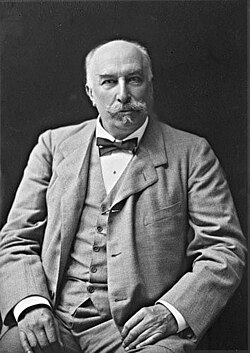
The Gentiloni Pact was born out of a secret deal in the run-up to the 1913 general election between Catholic voters and Giolitti's Liberal candidates who promised to support Catholic policies, especially funding of Catholic private schools and opposition to a law permitting divorce.[2][3] It was estimated that over 200 deputies were elected through the Pact, enough to provide a majority for Giolitti.[2][4]
The Italian Socialist Party gained votes (from 19% to 23% of the voters), while the liberals were strengthened in the short run. In the past, Giolitti had co-opted many moderate Socialists (as well as members of other fringe parties). Giolitti himself was against political parties, which he felt were divisive and harmful to the "gentleman's game" of politics.
ข้อตกลงเจนติโลนีถูกประณามโดยพวกสังคมนิยมและพันธมิตรต่อต้านศาสนจักรของจิโอลิทติ[ 3 ] พวกเขามองว่าศาสนจักรเป็นปราการที่ขัดขวางความก้าวหน้าและรู้สึกถูกทรยศในการเป็นพันธมิตรกับจิโอลิทติในอดีต พวกสังคมนิยมจะไม่ไว้วางใจจิโอลิทติหรือระบบเสรีนิยมอีกต่อไป
สิ่งนี้ทำให้กลุ่มปฏิวัติของพรรคสังคมนิยมอิตาลีมีอำนาจมากขึ้นในอิตาลี แม้ว่าวาติกันจะมีอิทธิพลต่อการเมืองอิตาลีมากขึ้นเช่นกัน
ในที่สุด Giolitti ก็ถูกพันธมิตรต่อต้านนักบวชบีบให้ลาออกในเดือนมีนาคม พ.ศ. 2457 และถูกแทนที่ในตำแหน่งนายกรัฐมนตรีโดยAntonio Salandraตามการแต่งตั้งของพระเจ้าวิกเตอร์ เอ็มมานูเอลที่ 3 [ 3 ] [ 4 ]
องค์ประกอบ
อ่านเพิ่มเติม
- Frank J. Coppa (1967). "Giolitti และข้อตกลง Gentiloni ระหว่างตำนานและความจริง". Catholic Historical Review . 2 (53): 217– 228. JSTOR 25017947 .