
ทะเลสาบแห่งการไม่หวนกลับ
| ทะเลสาบแห่งการไม่หวนกลับ | |
|---|---|
| ပြနလမးမဲ့ရေက နျေ ( พม่า ) | |
 ทะเลสาบที่ไม่มีทางหวนกลับ | |
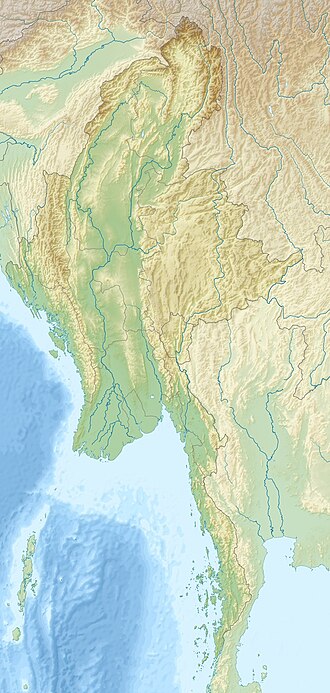  ทะเลสาบแห่งการไม่หวนกลับ | |
| พิกัด | 27°13′9″N 96°8′37.9″E / 27.21917°N 96.143861°E / 27.21917; 96.143861 |
| ประเทศในลุ่มน้ำ | พม่า |
| ความยาวสูงสุด | 1.4 กม. (0.87 ไมล์) |
| ความกว้างสูงสุด | 0.8 กม. (0.50 ไมล์) |
ระดับความสูงของพื้นผิว | 865 เมตร (2,838 ฟุต) |
| เกาะต่างๆ | เลขที่ |
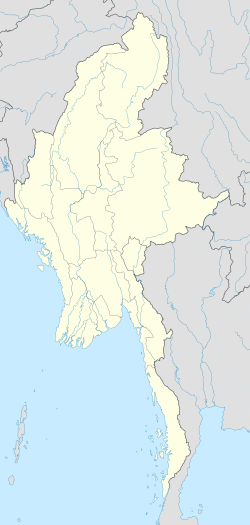


ทะเลสาบแห่งการไม่หวนกลับหรือที่เรียกในภาษาไท ว่า หนองยางเป็นแหล่งน้ำในประเทศเมียนมาร์ตั้งอยู่ในบริเวณช่องเขาปางเซา ที่ความสูง 1136 เมตร (3727 ฟุต) บนพรมแดนอินเดีย-เมียนมาร์ทางใต้ของ หมู่บ้าน ปางเซา (หรือที่เรียกว่าปานซอง ) ทะเลสาบมีความยาว 1.4 กิโลเมตร และกว้าง 0.8 กิโลเมตร ณ จุดที่กว้างที่สุด ตั้งอยู่ห่าง จาก ถนนเลโด (เดิมชื่อถนนสติลเวลล์ ) ไปทางทิศตะวันตกเฉียงใต้ 2.5 กิโลเมตรซึ่งเป็นถนนที่ฝ่ายสัมพันธมิตรตะวันตกเริ่มสร้างในปี 1942 เพื่อส่งเสบียงให้กับ กองทัพ จีนของเจียงไคเช็ก
บริเวณนี้เป็นที่อยู่อาศัยของ ชุมชน ตังสานับตั้งแต่ความสัมพันธ์ระหว่างอินเดียและเมียนมาร์ดีขึ้นทะเลสาบแห่งนี้ก็มีบทบาทสำคัญในการพัฒนาการท่องเที่ยวในเขตชางลัง ของอินเดีย ซึ่งอยู่ใกล้เคียงและมีพรมแดนติดกับเมียนมาร์
ตำนาน
The most common account of the origin of the lake's name is the one told, for instance, on the Changlang District's website (the district is in Arunachal Pradesh, India), which speculates that the name is due to the number of Allied aircraft (on their approach to The Hump) crashlanded in it during World War II,[1] a story repeated in both the Indian press[2] and in Indian fiction.[3] American sources repeat that account, for instance in the 2008 book by Brendan I. Koerner, Now the Hell Will Start: One Soldier's Flight from the Greatest Manhunt of World War II, about the life of Herman Perry, a U.S. serviceman working on the Ledo Road who fled into the jungle and ended up marrying into the Naga tribe (of which the Tangsa are a subset): "The Americans called it the Lake of No Return, on account of all the crashed planes concealed in its depths."[4]
At least three more stories explain the name. The second has it that a group of Japanese soldiers returning from battle lost their way and ended up at the lake. There, they were stricken by malaria and died and hence it is called the Lake of No Return. According to a third story, US Army soldiers, working on the Ledo Road, were sent to examine the lake and got trapped by the undergrowth and perished trying to escape.[5] A fourth story says this "is the 'lake of no return' [because] retreating British troops in 1942 got lost in quicksand."[6] Adding myth to legend, one author claims he has encountered the name on a document written by one of the Ten Lost Tribes of Israel, which he claims still hides out in the area.[7]
The lake still maintains its reputation; the Indian newspaper The Telegraph reported, in a story on the possible reopening of the Ledo Road in 2007, that "close by [Pansaung] is the Lake of No Return — the local Bermuda Triangle. According to folklore, aircraft that fly over the lake never return."[8] The lake's reputation is advertised in hopes of making the area more attractive to tourists: "Who knows, the ‘Indian’ Bermuda Triangle might just turn out to be the next tourist-puller of the region."[2]
ในบทความล่าสุดJoydeep Sircarอ้างว่าได้ไขปริศนาเบื้องหลังทะเลสาบแห่งการไม่หวนกลับ ซึ่งเขาได้ไปเยือนในปี 2002 ตามที่เขากล่าว ตำนานที่เกี่ยวข้องกับชื่อนี้ไม่มีพื้นฐานความเป็นจริงเลย[ 9 ]
ดูเพิ่มเติม
- ถนนเลโด (ถนนสติลเวลล์)
- ช่องเขาปังซาว
- หุบเขาฮูคาวง
 พอร์ทัลทะเลสาบ
 พอร์ทัลเมียนมาร์
ลิงก์ภายนอก
- การท่องเที่ยวทะเลสาบแห่งการไม่หวนกลับ