
Mercery

Mercery (from French mercerie, meaning "haberdashery") initially referred to silk, linen and fustian textiles among various other piece goods imported to England in the 12th century.[1]:2 Eventually, the term evolved to refer to a merchant or trader of textile goods, especially imported textile goods, particularly in England. A merchant would be known as a mercer, and the profession as mercery.
The occupation of mercery has a rich and complex history dating back over 1,000 years in what is now the United Kingdom. London was the major trade centre in England for silk during the Middle Ages, and the trade enjoyed a special position in the economy amongst the wealthy.[2]
A typical mercery business was family-run, consisting of a mercer, wife, their family, servants, and apprentices. The husband would be tasked with the marketing and sale of the business's wares to the public in places such as a small storefront, at markets, and at public fairs. The wife would operate mainly in the workshop, using her skills to buy the business's stock and make various silk cloths and piece goods; she would also be in charge of the workshop alongside her husband, and would often be expected to train the apprentices and the family's children to contribute to the household income.[2]
Terminology of mercer
The term mercer in reference to a cloth merchant (from the French mercier, originally referring to a person importing fabric goods from the Eastern world)[3] is now largely obsolete.
Mercers were merchants or traders who dealt in cloth, typically fine cloth that was not produced locally. Inventories of mercers in small towns, however, suggest that many were shopkeepers who dealt in various dry commodities other than cloth.[4]:24–25 Related occupations include haberdasher, draper and cloth merchant, while clothier historically referred to someone who manufactured cloth, often under the domestic system.
In the 21st century, the word mercer is primarily used in connection with the Worshipful Company of Mercers, the first in precedence of the twelve Great Livery Companies of the City of London.[5]
Etymology
In earliest use, the term mercery was amorphous in nature, and described the sale of a wide range of goods, from small items like needles and thread, to expensive materials such as silk or brocade. The term can be dated to the early 11th century. The first reference to mercery was in use for foreign merchants from modern-day Germany, France and the Netherlands, who were well-placed geographically to transport luxuries from the East and their own manufactured goods into England.[6]
Only in the 12th century did the term mercery as an occupation become distinctly separate from the general merchant, who might only deal with linen. Mercery became associated with silk, linen, and various piece goods, especially high-quality products such as dress accessories, small luxuries and beddings—different from the simple everyday wear of the masses, which would typically be made of either linen or wool. The trade of silk and expensive clothes set apart the profession of a mercer from that of a general merchant, as was formally outlined under trading regulations in London; as a major trading hub of the time, the number of mercers was sufficiently extensive as to allow certain goods to be clearly defined as mercery, in laws specifically aimed to control prices and protect local mercers through supply and demand.[6]
Mercery in London
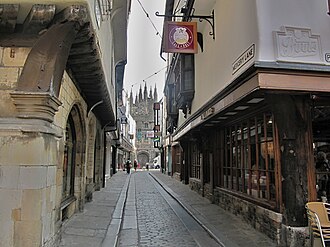
Whilst London is closely intertwined as the prominent hub of the mercery trade in England throughout the Middle Ages, before the 12th century goods such as silk, linen and fustian in England primarily implied overseas trade; of these, only linen was produced and sold in England.
The origins of the mercery trade's further development from just an import market in England are tied into the history of trading, manufacturing, and distribution standards in the Middle Ages. The establishment of recognised trade routes over time, and new financial systems such as credits for trade being available in the main cities for merchant and bankers alike, helped the expansion of the domestic mercer trade in London.[6]
ผ้าไหมดิบจำนวนมากถูกนำมาจากอิตาลีมายังลอนดอนเพื่อให้สตรีผู้ทอผ้าไหมนำไปแปรรูปเป็นสินค้าต่างๆ เช่น ลูกไม้หรือเชือกถัก และสำหรับงานปัก ตลาดค้าส่งผ้าไหมนี้ดำเนินต่อไปตลอดช่วงยุคกลาง ซึ่งชาวลอนดอนที่ใช้ผ้าไหมต้องพึ่งพาชาวอิตาลีอย่างมากในการนำเข้าผ้าไหมมายังลอนดอน ตั้งแต่ศตวรรษที่ 12 เป็นต้นมา มีช่องทางที่พวกเขาสามารถติดต่อโดยตรงกับซัพพลายเออร์ชาวอิตาลีและต่างชาติอื่นๆ ได้ในงานแสดงสินค้าขนาดใหญ่ในสถานที่ต่างๆ เช่น ทางตอนเหนือของฝรั่งเศส
ผ้าฟัสเตียนเดินทางมาถึงลอนดอนผ่านเส้นทางการค้าเดียวกัน ซึ่งอิตาลีเป็นผู้ครอบครองในศตวรรษที่ 12 เดิมทีเป็นผ้าโบราณจากตะวันออกกลางที่ทำจากป่านและฝ้าย ต่อมาได้มีการผลิตซ้ำในอิตาลีและได้รับความนิยมมากขึ้นเรื่อยๆ จนกลายเป็นสินค้าหลักที่พ่อค้าขายผ้าสามารถทำกำไรได้ นอกจากการปลูกป่านในยุโรปที่เพิ่มขึ้นแล้ว ผ้าลินินยังกลายเป็นสัญลักษณ์ของความมั่งคั่งของชนชั้นกลางที่กำลังเฟื่องฟู ซึ่งนวัตกรรมในศตวรรษที่ 11 เช่น เครื่องทอผ้าแบบใช้เท้าเหยียบ ได้เพิ่มปริมาณวัสดุต่างๆ เช่น ผ้าลินินและป่าน และทำให้ได้รับความนิยมมากขึ้นกว่าเดิมในลอนดอน[ 6 ] [ 7 ]
นอกจากการค้าและการผลิตผ้าราคาแพงแล้ว พ่อค้าผ้ายังเกี่ยวข้องกับสินค้าหลากหลายประเภทที่มีตลาดขนาดใหญ่ในลอนดอน เนื่องจากมีราคาไม่แพงสำหรับคนทั่วไปเมื่อเทียบกับวัสดุที่ใช้ทำ เช่น ผ้าไหม ผ้าลินิน และสินค้าทดแทนราคาถูกกว่า เช่น ผ้าฟัสเตียนและป่าน[ 2 ]
ประวัติความเป็นมาของธุรกิจขายผ้าสักหลาดในลอนดอน
ศตวรรษที่ 13-14: การพัฒนาการค้าผ้าปักและการระบาดของกาฬโรค
การค้าขายผ้าในศตวรรษที่ 12 มีความหมายเหมือนกันกับการค้าผ้าไหม ผ้าลินิน และผ้าฝ้ายมัสลินกับต่างประเทศ ในช่วงครึ่งแรกของศตวรรษที่ 12 สิ่งทอส่วนใหญ่ที่นำมาค้าขายนั้นมาจากชาวต่างชาติ ในขณะที่ผ้าไหมมีค่าเฉพาะสำหรับขุนนางและศาสนจักรเท่านั้น แต่สินค้าชิ้นเล็กๆ ที่ทำจากผ้าไหมและผ้าลินินหลากหลายชนิดกลับมีตลาดที่กว้างขวางและมีมูลค่าสูงกว่าสำหรับพ่อค้าผ้า โดยเฉพาะผ้าไหมที่ถูกนำมาใช้จำนวนมากสำหรับทำเครื่องประดับและสิ่งของอื่นๆ
การก่อตั้งสมาคมพ่อค้าทั่วไป (Livery company)ในปี 1394 ถูกแทนที่ด้วยความเสียหายทางเศรษฐกิจและสังคมจากโรคระบาดกาฬโรคในไม่ช้า สมาชิกกว่าหนึ่งในสามเสียชีวิต และสถานการณ์ก็เลวร้ายมาก อย่างไรก็ตาม สมาคมพ่อค้าไม่เพียงแต่รอดพ้นจากโรคระบาดเท่านั้น แต่ยังเจริญรุ่งเรืองในยุคฟื้นตัวทางเศรษฐกิจที่ตามมาหลังจากกาฬโรคเพียงห้าสิบปีต่อมา พื้นฐานที่ทำให้พ่อค้าเจริญรุ่งเรืองในเศรษฐกิจอังกฤษหลังภาวะถดถอยนั้นเกิดจากการลดลงของประชากรอย่างมาก ซึ่งทำให้ค่าแรงสูงขึ้นเนื่องจากขาดแคลนแรงงาน และด้วยจำนวนประชากรที่ลดลงอย่างมาก เกษตรกรจึงสามารถมุ่งเน้นไปที่การผลิตปศุสัตว์และพืชผลพิเศษแทนที่จะปลูกธัญพืชเพียงอย่างเดียว ซึ่งส่งผลให้โภชนาการและสุขภาพของผู้คนดีขึ้น ประชากรทั่วไปมีส่วนร่วมในระบบเศรษฐกิจแบบตลาดมากขึ้น มีมาตรฐานการครองชีพที่สูงขึ้น และได้รับการดูแลความต้องการขั้นพื้นฐาน บริษัทได้ใช้โอกาสนี้ในการขยายตัวเป็นแรงขับเคลื่อนสำคัญของเศรษฐกิจอังกฤษยุคใหม่ โดยที่เมืองต่างจังหวัดที่ก่อนหน้านี้ไม่เคยมีพ่อค้าเร่มาเยือน ก็ได้กลายเป็นส่วนหนึ่งของระบบตลาดการค้าที่ซับซ้อนและมั่นคง นอกจากนี้ การพัฒนาการค้าเร่ในช่วงปลายศตวรรษที่ 13 ยังได้รับการสนับสนุนอย่างมากจากโรคระบาดกาฬโรค เนื่องจากจำนวนประชากรลดลง ทำให้ผู้ชายและผู้หญิงทั่วไปหลังภาวะเศรษฐกิจถดถอยสามารถซื้อเสื้อผ้าที่มีคุณภาพสูงขึ้นเพื่อแต่งกายให้ดูดีขึ้นได้[ 6 ] [ 8 ]
การเปลี่ยนแปลงทางศาสนาและสังคม: สมาคมพ่อค้าทั่วไป
สมาคมพ่อค้าจะรวมตัวกันเป็นบริษัทลิเวอรี ซึ่งประกอบด้วยสมาคมการค้าที่เก่าแก่ที่สุดของลอนดอนบริษัทวอร์ชิปฟูล คอมพานี ออฟ เมอร์เซอร์สก่อตั้งขึ้นโดยชายและหญิงในอาชีพเดียวกัน และทำหน้าที่ในด้านสังคมและศาสนาเพื่อประโยชน์ของสมาชิก

การปฏิรูปศาสนาในอังกฤษในศตวรรษที่ 16 ก่อให้เกิดความปั่นป่วนทางสังคมและเศรษฐกิจอย่างมากสำหรับสมาคมพ่อค้าผ้าไหม (Worshipful Company of Mercers) พ่อค้าผ้าไหมพยายามฉวยโอกาสจากความปั่นป่วนในยุคนั้น จึงเข้าครอบครองอาคารทางศาสนาหลายแห่งที่ถูกยุบโดยพระเจ้าเฮนรีที่ 8และแสดงความจงรักภักดีต่อฝ่ายโปรเตสแตนต์ โดยมีพระมหากษัตริย์เป็นประมุขของศาสนจักร ก่อนที่อำนาจของคณะสงฆ์จะถูกถ่ายโอนไปยังชนชั้นสูงในสังคม พ่อค้าผ้าไหมผู้ทรงอิทธิพลมีอำนาจทางราชการในการผูกขาดการค้าผ้าไหม ซึ่งเป็นการขับไล่พ่อค้ารายอื่นๆ ที่ต้องการขายสินค้าของตนโดยอิสระจากสมาคมฯ
These changes in religion were quickly adapted to by the mass of mercers, due to their nature of their trade—these young men would travel abroad to markets overseas and become more receptive to change and as a result easily influenced and accepting of new ideas.[9][10]
Prosperity of the mercery in 15th century
The prosperity for a merchant during this period was high. Their overseas trade was expanding, and they controlled the distribution of their goods to England's provinces. A greater merchant could seek to break himself from the ranks of artisans and shopkeepers to serve to an exclusive class of customers.[11]
During this period more mercers ascended from mere 'merchants' to aristocracy as they ascended their class as their fortune grew—into influential positions such as aldermen and mayors, wherein municipalities had significant power in the Middle Ages. Although the livery company for mercers still had discriminatory policies that benefitted those more senior, prosperity was within reach for all ranks to strive towards now more so ever than any other period of the company.[6][12]
This success for the common mercer can be attributed to the flourishing overseas trade that the Worshipful Company of Mercers engaged in, particularly in regions such as Northwestern Europe. The percentage of cloth exports of London mercers during that time was no less than 30%, and more importantly the company controlled the competition tightly—other merchants who attempted to sell materials such as silk, linen, fustian, wool and other piece goods independently.[6][7]
Fall of the medieval mercery trade in the late 16th century

The mercery trade began to lose its esteemed status in its retail, due to a failure to control its market. Independent retailers who were not part of the mercery found success in undercutting the Worshipful Company of Mercers (or "the Mercery Company"), compounded with the fact that recruitment had fallen due to fewer and fewer men partaking in the wealth held by the company.[2]
การล่มสลายของการค้าขายผ้าไหม ซึ่งครั้งหนึ่งเคยเป็นช่องทางที่ได้รับความนิยมอย่างมากในการเชื่อมช่องว่างจากชนชั้นล่างไปสู่ชนชั้นกลางระดับสูง เกิดจากความประมาทเลินเล่อของบริษัทการค้าผ้าไหม ที่ไม่เคารพช่างฝีมือและผู้ค้าปลีกทั่วไป โดยไม่คำนึงถึงรากฐานแห่งความสำเร็จของพวกเขาในตัวพ่อค้าผ้าไหมและภรรยา ซึ่งเป็นหน่วยเฉลี่ยของการค้าขายผ้าไหม บริษัทหยุดส่งเสริมความสำคัญของสินค้าผ้าไหมเพื่อหันไปหาโอกาสที่มีราคาแพงกว่า พวกเขาหยุดให้ความสำคัญกับการผูกขาดผ้าลินินในฐานะแหล่งรายได้หลัก การขาดการพิจารณาตนเองของพ่อค้าผ้าไหมผู้มั่งคั่งในการต่อสู้ของพ่อค้าที่ไม่ได้รับผลกำไรจากการค้าผ้าไหมเช่นเดียวกับชนชั้นสูง ทำให้ตลาดสิ่งทอสูญเสียการควบคุมอย่างรวดเร็ว[ 6 ] [ 7 ]
ตัวอย่างของสินค้าเบ็ดเตล็ด
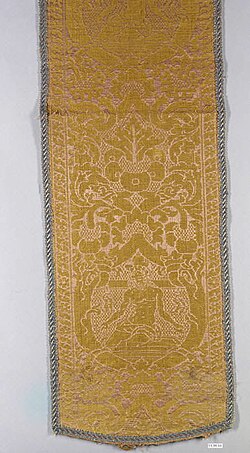
สินค้าส่วนใหญ่ที่จำหน่ายโดยพ่อค้าผ้าใช้ผ้าไหมเป็นพื้นฐานในการทำเครื่องประดับตกแต่งเสื้อผ้าหลากหลายชนิด เช่นลูกไม้ห่วงและพู่การตกแต่งเสื้อผ้าอาจมีตั้งแต่ลวดลายเรียบง่ายที่ขอบแขนเสื้อไปจนถึงลวดลายที่หรูหรากว่าซึ่งทำบนแถบผ้าที่เรียกว่า ออร์ เฟรย์ซึ่งมักใช้โดยชนชั้นสูงและศาสนจักร
ผ้าลินินถูกนำมาใช้ทำเสื้อเชิ้ตและชุดชั้นใน ส่วนผ้าไหมและผ้าลินินถูกนำมาทำเป็นเครื่องประดับศีรษะ ตั้งแต่หมวกคลุมผม ที่ทั้งชายและหญิงสวมใส่ ไปจนถึง ผ้าคลุมศีรษะของผู้หญิงและผ้าพันคอ หลากหลายรูป แบบ
เครื่องประดับศีรษะ เช่น ผ้าพันคอและผ้าคลุมศีรษะที่ผู้หญิงสวมใส่ และหมวกคลุมผมที่ทั้งสองเพศสวมใส่ ก็เป็นงานยอดนิยมสำหรับบริการของพ่อค้าผ้า โดยผ้าไหมและผ้าลินินเป็นวัสดุหลักที่ใช้ทำเครื่องประดับศีรษะ
สิ่งของที่พบเห็นได้ทั่วไปในทุกชนชั้นคือกระเป๋าใส่ของซึ่งพ่อค้าขายของเบ็ดเตล็ดมีจำหน่ายในหลากหลายรูปแบบ
สินค้าอื่นๆ ที่พ่อค้าขายผ้าทำการค้านั้นผลิตจากวัสดุอื่นๆ ซึ่งมีตั้งแต่เข็มหมุดไปจนถึงระฆังและมีด ซึ่งซื้อกันไม่บ่อยนักเมื่อผู้คนมีเงินเหลือเฟือสำหรับเครื่องประดับเล็กๆ น้อยๆ ที่มีประโยชน์ สินค้าเหล่านี้แม้ว่าจะไม่ได้ทำจากผ้า แต่ก็ได้รับความนิยมมากขึ้นเรื่อยๆ ระหว่างศตวรรษที่ 11 ถึง 13 เนื่องจากพ่อค้าขายผ้าทั้งที่ร่ำรวยและยากจนสามารถซื้อหามาผลิตได้[ 6 ]
พ่อค้าผ้าชื่อดัง
- วินน์ เอลลิสพ่อค้าผ้าชาวอังกฤษในศตวรรษที่ 19
- โรเบิร์ต ลาร์จเสียชีวิตในปี ค.ศ. 1441
- เจฟฟรีย์ โบเลย์นพ่อค้าผ้าชาวอังกฤษในศตวรรษที่ 15
- ริชาร์ด เลอ ลาเซอร์พ่อค้าผ้าชาวอังกฤษในศตวรรษที่ 14
- ชาร์ลส์ วูดเมสัน
