
Philatelic expertisation
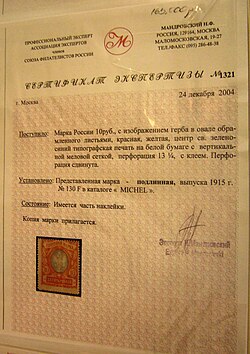
Philatelic expertisation is the process whereby an authority is asked to give an opinion whether a philatelic item is genuine and whether it has been repaired or altered in any way.
Forging and faking, regumming and reperforating of stamps is common in the philatelic marketplace, and increasingly buyers demand an expert certificate before buying a valuable item. Some items are so often faked or altered that they may be almost unsaleable without a certificate.
Expert certificates and marks
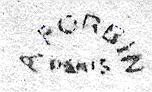
Once an item has been examined, the expert(s) will issue a certificate giving their findings which will include identification, genuineness or otherwise and comments about any alterations or unusual features. The certificate will normally feature a photograph of the item and be signed. It may also be embossed or have other security features. In the past it was common for experts to sign or add their mark to the back of stamps, however, this is nowadays uncommon as it is by some regarded as an undesired alteration. In Germany (BPP) it is still common practise to sign many items, but generally not the most valuable.
There have been instances where expert certificates have themselves been faked [1] and in the "Blüm Case", a forger produced false expertizing marks that were applied to German colony stamps and others.[2]
Finding experts
ในสหรัฐอเมริกามูลนิธิ Philatelic , สมาคม American Philatelic Societyและองค์กรสะสมแสตมป์เฉพาะทางจำนวนมากมีคณะกรรมการที่ให้บริการตรวจสอบแสตมป์โดยคิดค่าธรรมเนียม ในสหราชอาณาจักรสมาคม Royal Philatelic Society Londonมีคณะกรรมการผู้เชี่ยวชาญที่มีชื่อเสียงและเก่าแก่ที่สุดในโลก และคณะกรรมการผู้เชี่ยวชาญ BPAก็ มีชื่อเสียงไม่แพ้กัน [ 3 ]ผู้เชี่ยวชาญชาวเยอรมันมักเป็นสมาชิกของBund Philatelistischer Prüfer (BPP) โดยมีความเชี่ยวชาญเฉพาะด้านในแต่ละประเทศ เช่น คณะกรรมการผู้เชี่ยวชาญของNVPH (เนเธอร์แลนด์), COMEX (สเปน), Isphila (ตุรกี) - นอกจากนี้สมาคมผู้เชี่ยวชาญด้านแสตมป์นานาชาติ (AIEP) เป็นองค์กรระดับโลกสำหรับผู้เชี่ยวชาญด้านแสตมป์อิสระ
ผลการตรวจสอบโดยผู้เชี่ยวชาญอาจถูกโต้แย้งได้ และในบางกรณี การวิจัยเพิ่มเติมอาจแสดงให้เห็นถึงความแท้จริงของสิ่งของที่เคยถูกพิจารณาว่าเป็นของปลอม หรือในทางกลับกัน
ดูเพิ่มเติม

ลิงก์ภายนอก
- แง่มุมต่างๆ ของการตรวจสอบความเชี่ยวชาญด้านแสตมป์ - ตอนที่ 1 โดย ไซมอน ดันเคอร์ลีย์
- รายชื่อผู้เชี่ยวชาญด้านแสตมป์จาก Filatelia.fi (รวมผู้เชี่ยวชาญกว่า 1700 คน ทั้งในอดีตและปัจจุบัน พร้อมตราสัญลักษณ์ประจำตัว)