
Dagobert of Pisa
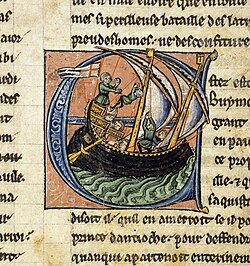
Dagobert (or Daibert or Daimbert) (died 1105) was the first archbishop of Pisa and the second Latin patriarch of Jerusalem after the city was captured in the First Crusade.
Early life
Little is known of Dagobert's early life, but he is thought to have originally been ordained by Wezilo,[1]Archbishop of Mainz 1084-88, a leading supporter of the emperor in the Investiture Controversy and of the Antipope Clement III.[2] In 1085, Wezilo was excommunicated for simony by the pro-papal synod of Quedlinburg. Dagobert's own name places his origin in Lombardy/Emilia, site of some staunchly imperial cities.[3]
(Arch)bishop of Pisa
By the late 1080s Dagobert had changed sides, becoming close to Countess Matilda of Tuscany, one of the papacy's staunchest supporters. Pope Urban II cancelled Dagobert's irregular ordination and replaced it with a canonical one, and in 1088 made him Bishop of Pisa. Initially, the appointment of a man with such a controversial past attracted hostility. Peter, Bishop of Pistoia, protested to the pope, and the cathedral chapter opposed it, but Urban's continued support allowed Dagobert to establish his authority. He played an active role in Pisa's civic life, for example joining with other notables in 1090 to regulate the maximum height of houses, and by 1092 the clergy were signing his documents. He seems to have become a well-respected figure in Pisa's political and economic life, adopting a practical approach to the problems he faced both in Pisa and later in his career. He remained close to Urban and Matilda, and in 1092 Urban raised the see to an archbishopric on Matilda's recommendation.[4]
ดาโกแบร์ใช้เวลาช่วงคริสต์มาสปี 1094 กับสมเด็จพระสันตะปาปาเออร์บัน จากนั้นได้ติดตามพระองค์ไปในการเสด็จเยือนอิตาลีและฝรั่งเศส ซึ่งรวมถึงสภาปิอาเชนซาซึ่งจัดขึ้นเพื่อยืนยันอำนาจของพระสันตะปาปาอีกครั้งหลังจากการโต้แย้งเรื่องการแต่งตั้ง และสภาแคลร์มงต์ซึ่งพระสันตะปาปาได้เริ่มสงครามครูเสดครั้งแรกดาโกแบร์จึงกลับไปยังปิซาเพื่อเทศนาเกี่ยวกับสงครามครูเสด และได้รับการสนับสนุนอย่างกระตือรือร้น[ 5 ]ในปี 1098 สมเด็จพระสันตะปาปาเออร์บันทรงแต่งตั้งเขาเป็นผู้แทนที่ราชสำนักของกษัตริย์อัลฟอนโซที่ 6 แห่งเลออนและเขาพิสูจน์ให้เห็นว่ามีความสามารถในการจัดระเบียบศาสนจักรในดินแดนที่เพิ่งพิชิตมาจากชาวมัวร์แม้ว่าจะมีข่าวลือว่าเขาเก็บสมบัติบางส่วนที่กษัตริย์อัลฟอนโซส่งมาให้พระสันตะปาปาไว้เอง
พระสังฆราชละตินแห่งเยรูซาเลม
ก่อนสิ้นปี ค.ศ. 1098 ดาโกแบร์ได้ออกเดินทางไปทางตะวันออกพร้อมกับกองเรือพิซานที่ไร้กฎหมาย ซึ่งได้ทำการโจมตี เกาะต่างๆ ที่เป็นของ ไบแซนไทน์และปะทะกับกองทัพเรือไบแซนไทน์ ก่อนที่จะเดินทางต่อไปยังซีเรีย[ 6 ]หนึ่งในผู้นำของพวกครูเซเดอร์ โบเฮมอนด์แห่งแอนติโอคกำลังปิดล้อมท่าเรือลาตาเกียของไบแซนไทน์และดาโกแบร์และชาวพิซานตกลงที่จะช่วยเหลือโดยการปิดล้อมท่าเรือจากทางทะเล อย่างไรก็ตาม ผู้นำครูเซเดอร์คนอื่นๆ ที่เห็นความจำเป็นในการร่วมมือกับจักรพรรดิไบแซนไทน์และคริสเตียนตะวันออก ต่างตกใจและโน้มน้าวให้ดาโกแบร์ยกเลิกการปิดล้อม โบเฮมอนด์ถูกบังคับให้ละทิ้งการปิดล้อม และเดินทางไปกับดาโกแบร์ไปยังเยรูซาเล็ม โดยมาถึงในวันที่ 21 ธันวาคม ค.ศ. 1099 [ 7 ]
สถานะของดาโกแบร์เมื่อเขาเดินทางไปทางตะวันออกนั้นไม่ชัดเจน นักประวัติศาสตร์หลายคนเชื่อว่าสมเด็จพระสันตะปาปาเออร์บันได้แต่งตั้งเขาเป็นผู้แทนพระสันตะปาปาประจำสงครามครูเสดต่อจากอาเดมาร์แห่งเลอปุยซึ่งเสียชีวิตเมื่อวันที่ 1 สิงหาคม ค.ศ. 1098 อย่างไรก็ตาม สมเด็จพระสันตะปาปาเออร์บันเองก็เสียชีวิตเมื่อวันที่ 29 กรกฎาคม ค.ศ. 1099 และในจดหมายถึงพระสันตะปาปาองค์ใหม่ปาสคาลที่ 2ในเดือนกันยายน ค.ศ. 1099 ดาโกแบร์เรียกตัวเองว่า 'อาร์คบิชอปแห่งปิซา' เท่านั้น[ 8 ]
Immediately after Christmas, the Latin Patriarch of Jerusalem, Arnulf of Chocques, was deposed on the ground that his election had been uncanonical, and with Bohemund's support, Dagobert was elected in his place. Public opinion had always held that the Holy Land should be the patrimony of the church, but Arnulf had been too weak to establish supremacy. Dagobert's position was stronger, as he was (probably) papal legate and had the support of the Pisan fleet. Immediately after his enthronement, Godfrey of Bouillon knelt before him and was invested with the territory of Jerusalem, and Bohemund did the same for Antioch. Baldwin, the future King of Jerusalem, was at this time Lord of Edessa, but he did not pay homage for it to Dagobert, and their relations do not seem to have been good.[9]
Dagobert was anxious to establish the patriarch's power, and he demanded that Godfrey hand over Jerusalem to him. Godfrey partly yielded, and at a ceremony on Easter Day, 1 April 1100, he announced that he would retain possession until his death, or until he conquered two great cities from the infidel, but he bequeathed Jerusalem to the Patriarch. However, Godfrey died in July, when Dagobert was accompanying a campaign against Jaffa under Bohemund's nephew, Tancred, Prince of Galilee, and the Jerusalem knights offered the lordship to Baldwin, who was Godfrey's brother. With the support of Tancred, Dagobert wrote offering the lordship of Jerusalem to Bohemund, but the letter was intercepted and Bohemund was captured by the Turks.[10]

On 11 November, Baldwin assumed the title King of Jerusalem. Dagobert was forced to accept defeat, and Baldwin, bearing in mind his influence over the Pisan fleet, confirmed him in his see. On Christmas Day 1100, Baldwin paid homage to the Patriarch and was crowned king.[11] The arrival of a Genoese squadron in April 1101 weakened Dagobert's position, as Baldwin no longer depended for sea power on the Pisan fleet. He needed to control the church, as he was always short of money, and pious symphasisers gave their donations to the church. Complaints had been made about the legality of Dagobert's appointment, and when the pope sent a legate, Maurice, Cardinal-Bishop of Porto, to enquire into the situation, Baldwin accused Dagobert of treachery for urging Bohemond to oppose Baldwin's succession. Dagobert bribed Baldwin to drop the complaint. However, in the autumn Dagobert kept the whole of a donation partly intended for the king for his army, and for this the legate deprived him of his position.
แทนเครด ผู้ปกครองเมืองแอนติโอคในขณะนั้น ได้ต้อนรับดาโกแบร์เข้าสู่เมือง และมอบโบสถ์เซนต์จอร์จให้แก่เขา มอริซเสียชีวิตในฤดูใบไม้ผลิปี 1102 และเมื่อบัลด์วินต้องการความช่วยเหลือทางทหารจากแทนเครดในฤดูใบไม้ร่วง แทนเครดได้ยืนกรานให้ดาโกแบร์กลับคืนสู่ตำแหน่งเป็นเงื่อนไขในการให้ความช่วยเหลือ บัลด์วินตกลง แต่แล้วผู้แทนคนใหม่ก็มาถึง คือ พระคาร์ดินัลโรเบิร์ตแห่งปารีสบัลด์วินและอาร์นูลฟ์แห่งโชกส์ ซึ่งดาโกแบร์เข้ามาแทนที่ในตำแหน่งพระสังฆราช ได้วางแผนตั้งข้อกล่าวหาเพิ่มเติมต่อหน้าสภาสังคายนาภายใต้การนำของโรเบิร์ต เขาถูกกล่าวหาว่าโจมตีคริสเตียนด้วยกันในการบุกโจมตีเกาะไบแซนไทน์ระหว่างการเดินทางไปทางตะวันออก สมคบคิดก่อสงครามกลางเมืองระหว่างโบเฮมอนด์และบัลด์วิน และเก็บเงินที่บริจาคเพื่อสวัสดิภาพของผู้แสวงบุญไว้เอง และถูกปลดออกจากตำแหน่งพระสังฆราช แทนเครดต้อนรับเขากลับมายังแอนติโอคอีกครั้ง แต่ไม่ได้เรียกร้องสิทธิ์ของเขาต่อไปอีก ในมุมมองของSteven Runciman เขาได้แสดงให้เห็นแล้วว่าตัวเองเป็นชายชราที่ทุจริตและตระหนี่ และการจากไปของเขาก็ไม่เป็นที่เสียใจ [ 12 ]
ต่อมา Dagobert ได้ไปยื่นอุทธรณ์ต่อพระสันตะปาปา Paschal ด้วยตนเอง การอุทธรณ์ประสบความสำเร็จ และ Dagobert กำลังเดินทางกลับไปทวงคืนตำแหน่งอัครสังฆราชเมื่อเขาเสียชีวิตที่เมืองเมสซีนาในซิซิลีในปี 1105 [ 13 ] [ 14 ]ในช่วงที่ Dagobert ไม่อยู่ มีบาทหลวงชื่อEhremar มาดำรงตำแหน่ง แทน[ 15 ]และGhibbelin แห่ง Arlesสืบทอดตำแหน่งต่อจาก Dagobert เมื่อ Dagobert เสียชีวิต เขาได้รับการสืบทอดตำแหน่งอัครสังฆราชแห่งปิซาโดยPietro Moriconiซึ่งอาจได้รับการเลือกตั้งจากชาวปิซาก่อนที่ Dagobert จะเสียชีวิต ซึ่งบ่งชี้ว่าเขาอาจสูญเสียการสนับสนุนหลังจากที่เขาไม่อยู่เป็นเวลานานและดำรงตำแหน่งหลายตำแหน่ง แต่เอกสารในหอจดหมายเหตุของมหาวิหารแสดงให้เห็นว่าการกระทำของเขาในระหว่างดำรงตำแหน่งได้รับการอ้างอิงและยืนยันซ้ำแล้วซ้ำเล่าในภายหลัง[ 16 ]
ชื่อเสียง
โดยทั่วไปแล้ว นักประวัติศาสตร์ต่างวิพากษ์วิจารณ์การกระทำของดาโกแบร์ในดินแดนศักดิ์สิทธิ์อย่างมาก สตีเวน รันซิแมน ในประวัติศาสตร์สงครามครูเสดครั้งแรก บรรยายว่าเขาเป็นคนกระตือรือร้น แต่เย่อหยิ่ง ทะเยอทะยาน ไม่ซื่อสัตย์ และถูกชักจูงได้ง่าย[ 17 ]ในการศึกษาเมื่อปี 1998 ไมเคิล แมทซ์เก ได้ปกป้องดาโกแบร์ โดยโต้แย้งว่าการกระทำของเขาในฐานะอัครสังฆราชนั้นได้รับแรงบันดาลใจจากอุดมคติทางศาสนา และเขากำลังพยายามดำเนินการตามเจตนารมณ์ของสมเด็จพระสันตะปาปาเออร์บัน นักประวัติศาสตร์มีความเห็นไม่ตรงกันอย่างมากว่าการฟื้นฟูชื่อเสียงนี้น่าเชื่อถือหรือไม่ แพทริเซีย สกินเนอร์ในการสำรวจอาชีพของดาโกแบร์ ยอมรับว่าเขาทำผิดกฎหมายศาสนาแต่โต้แย้งว่าในสถานการณ์พิเศษในเวลานั้น เขาต้องกระทำการอย่างมีเหตุผล[ 18 ]
ชื่อของโบสถ์พระสุสานศักดิ์สิทธิ์ในเมืองปิซา เป็นการอ้างอิงถึงการที่ดาโกแบร์เข้าร่วมสงครามครูเสด