
อ่าน 3 นาที
เมเตกี
เมเตคี (Metechi; Georgian : მეტეხი ) เป็นย่านประวัติศาสตร์ของ กรุงทบิลิซี ประเทศ จอร์เจีย ตั้งอยู่บนหน้าผาสูง (42.92N 44.
เมเตกี
เมเตกี მეტეხი | |
|---|---|
เขต | |
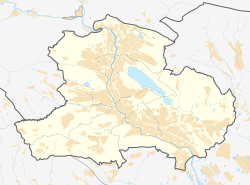  เมเตกี เขตเมเตคีบนแผนที่เมืองทบิลิซี | |
| พิกัด: 41°41′24″เหนือ44°48′40″ตะวันออก / 41.69000°N 44.81111°E | |
| ประเทศ | จอร์เจีย |
| เมือง | ทบิลิซี |
| ไรโอนี | ทบิลิซีเก่า |
| เขตเวลา | UTC+4 (เวลาจอร์เจีย) |

เมเตคี (Metechi; Georgian : მეტეხი ) เป็นย่านประวัติศาสตร์ของกรุงทบิลิซีประเทศจอร์เจียตั้งอยู่บนหน้าผาสูง (42.92N 44.34E) ที่มองเห็น แม่น้ำ มทควารี ย่านนี้เป็นที่ตั้งของ โบสถ์เมเตคีแห่งการเสด็จขึ้นสู่สวรรค์ (Metekhi Church of Assumption ) ซึ่งเป็นที่มาของชื่อย่านนี้
ประวัติศาสตร์
เขตนี้เป็นหนึ่งในพื้นที่ที่มีผู้คนอาศัยอยู่มาตั้งแต่ยุคแรกๆ ของเมือง ตามบันทึกดั้งเดิม พระเจ้าวัคตังที่ 1 กอร์กาสาลีทรงสร้างโบสถ์และป้อมปราการขึ้นที่นี่ ซึ่งใช้เป็นที่ประทับของพระองค์ด้วย จึงเป็นที่มาของชื่อเมเตคี ซึ่งมีมาตั้งแต่ศตวรรษที่ 12 และมีความหมายตรงตัวว่า "บริเวณรอบพระราชวัง" ตามความเชื่อดั้งเดิมกล่าวว่า ที่นี่เป็นสถานที่ฝังศพของนักบุญหญิงชูชานิก ผู้พลีชีพ ในศตวรรษที่ 5 อย่างไรก็ตาม สิ่งก่อสร้างเหล่านี้ไม่มีเหลือรอดจาก การรุกราน ของมองโกลในปี 1235

โบสถ์อัสสัมชัญเมเตคีที่ยังคงอยู่บนยอดเขา สร้างขึ้นโดยกษัตริย์จอร์เจีย เซนต์เดเมตริอุสที่ 2ประมาณปี 1278–1284 และเป็นตัวอย่างที่ค่อนข้างแปลกของ โบสถ์ ออร์โธดอกซ์จอร์เจีย ที่มีโดม ต่อมาโบสถ์ ได้รับความเสียหายและได้รับการบูรณะหลายครั้งกษัตริย์รอสตอม (ครองราชย์ 1633–1658) ผู้ได้ รับการแต่งตั้งจากราชวงศ์ ซาฟา วิด ได้เสริมความแข็งแกร่งให้กับพื้นที่รอบโบสถ์ด้วยป้อมปราการที่เข้มแข็งและประจำการทหารอิหร่านไว้[ 1 ]ภายใต้ การปกครอง ของรัสเซีย (ก่อตั้งขึ้นในปี 1801) โบสถ์ได้สูญเสียจุดประสงค์ทางศาสนาและถูกใช้เป็นค่ายทหาร (RG Suny, หน้า 93) ป้อมปราการถูกรื้อถอนในปี 1819 และแทนที่ด้วยอาคารใหม่ซึ่งทำหน้าที่เป็นคุกที่น่าอับอายจนถึง ยุค โซเวียตและปิดตัวลงในปี 1938

Amid the Great Purges, the Georgian Communist chief Lavrenti Pavlovich Beria intended to destroy the church as well, but met a stubborn opposition by a group of Georgian intellectuals led by the painter and art collector Dimitri Shevardnadze. Beria replied to their urges, that it would surely be enough to preserve a scale model of the church so that people could see it in a museum, and then is said to have told Shevardnadze privately that if he gave up his efforts to save the church he would be appointed director of the future museum. The artist refused and was imprisoned and executed (Ami Knight, p. 84). The building was preserved, however. In the later part of Soviet period the church was used as a theatre. The equestrian statue of King Vakhtang I Gorgaslan by the sculptor Elguja Amashukeli was erected in front of the church in 1961.
In the late 1980s, Catholicos-Patriarch of All GeorgiaIlia II launched a popularly supported campaign aiming at the restoration of the church to the Georgian Patriarchate. A well-known dissident and the future president of GeorgiaZviad Gamsakhurdia went on a hunger strike in support of this demand. Despite initial resistance from the local Communist leadership, the church became functioning again in 1988.
Architecture

The Metekhi church is a cross-cupola church. While this style was the most common throughout the Middle Ages, the Metekhi church is somewhat anachronistic with its three projecting apses in the east facade and the four freestanding pillars supporting the cupola within. The church is made of brick and dressed stone. The restoration of the 17th, 18th, and 19th centuries mostly employed brick. The facade is for the most part smooth, with decorative elements concentrated around the windows of the eastern apses. Horizontal bands below the gables run around all four sides and serve as a unifying element. The north portico of the main entrance is not a later addition but was built at the same time as the rest of the church.
Legend has it also that the Metekhi cliff was a site of the martyrdom of Habo (8th century), Tbilisi’s patron saint. A small church in his honor is now under construction at the foot of the cliff.
หน้าผาเชื่อมต่อกับฝั่งตรงข้ามทางด้านขวาของแม่น้ำมทควารีด้วยสะพานคอนกรีตเสริมเหล็ก ซึ่งสร้างขึ้นในปี 1951 แทนที่สะพานเก่าสองแห่ง น่าเสียดายที่กลุ่มสิ่งก่อสร้างและอาคารต่างๆ ที่มีเอกลักษณ์เฉพาะตัวซึ่งมีอายุตั้งแต่ศตวรรษที่ 17 ถึง 19 ถูกทำลายไปในระหว่างการก่อสร้างสะพาน เมื่อไม่นานมานี้ รัฐบาลของเมืองได้ประกาศความตั้งใจที่จะบูรณะส่วนนี้ของเมืองเก่าทบิลิซี ให้กลับมา เป็นเหมือนเดิมในครึ่งแรกของศตวรรษที่ 20
แหล่งที่มา
- โรนัลด์ กริกอร์ ซันนี, การสร้างชาติจอร์เจีย : ฉบับพิมพ์ครั้งที่ 2 (ธันวาคม 1994), สำนักพิมพ์มหาวิทยาลัยอินเดียนา, ISBN 0-253-20915-3
- Amid Knight, Beria: Stalin's First Lieutenant , Princeton University Press, ISBN 0-691-01093-5
- Lloyd E Hudman, Eva H Essa, Richard H Jackson, ภูมิศาสตร์ของการเดินทางและการท่องเที่ยว , Thomson Delmar Learning, ISBN 0-7668-3256-2
ลิงก์ภายนอก

- เว็บไซต์สถานที่ท่องเที่ยวในจอร์เจีย ณโรงแรม Sheraton Metechi Palace
สรุปเนื้อหา
ข้อมูลสำคัญจากบทความ
ข้อมูลสำคัญเกี่ยวกับ เมเตกี
เมเตคี (Metechi; Georgian : მეტეხი ) เป็นย่านประวัติศาสตร์ของ กรุงทบิลิซี ประเทศ จอร์เจีย ตั้งอยู่บนหน้าผาสูง (42.92N 44.
ประวัติศาสตร์
เขตนี้เป็นหนึ่งในพื้นที่ที่มีผู้คนอาศัยอยู่มาตั้งแต่ยุคแรกๆ ของเมือง ตามบันทึกดั้งเดิม พระเจ้า วัคตังที่ 1 กอร์กาสาลี ทรงสร้างโบสถ์และป้อมปราการขึ้นที่นี่ ซึ่งใช้เป็นที่ประทับของพระองค์ด้วย จึงเป็นที่มาของชื่อเมเตคี ซึ่งมีมาตั้งแต่ศตวรรษที่ 12...
Architecture
The Metekhi church is a cross-cupola church. While this style was the most common throughout the Middle Ages, the Metekhi church is somewhat anachronistic with its three projecting apses in the east facade and the four freestanding pillars supporting the...
แหล่งที่มา
โรนัลด์ กริกอร์ ซันนี, การสร้างชาติจอร์เจีย : ฉบับพิมพ์ครั้งที่ 2 (ธันวาคม 1994), สำนักพิมพ์มหาวิทยาลัยอินเดียนา, ISBN 0-253-20915-3 Amid Knight, Beria: Stalin's First Lieutenant , Princeton University Press, ISBN 0-691-01093-5 Lloyd E Hudman, Eva H Essa,...