
อ่าน 4 นาที
Tarasios of Constantinople
Tarasios of Constantinople (also Saint Tarasius and Saint Tarasios; Greek: Ταράσιος; c.
Tarasios of Constantinople
Tarasios of Constantinople | |
|---|---|
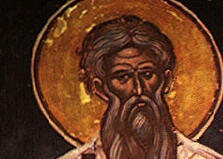
 Icon of Saint Tarasios, Patriarch of Constantinople (Johann Conrad Dorner, 1848–1852) | |
| Ecumenical Patriarch of Constantinople | |
| Born | c. 730Constantinople |
| Died | 25 February 806Constantinople |
| Venerated in | Eastern Orthodox Church,Catholic Church |
| Canonized | Pre-congregation |
| Feast | 18 February (Catholic Church) (General Roman Calendar)[1]25 February (Eastern Orthodox Churches) |
| Attributes | Vested as a bishop with omophorion often holding a Gospel book with his right hand raised in blessing |
Tarasios of Constantinople | |
|---|---|
| Ecumenical Patriarch of Constantinople | |
| Installed | 25 December 784 |
| Term ended | 25 February 806 |
| Predecessor | Paul IV of Constantinople |
| Successor | Nicephorus I of Constantinople |
| Personal details | |
| Born | c. 730 |
| Died | 25 February 806 |
| Denomination | Chalcedonian Christianity |
Tarasios of Constantinople (also Saint Tarasius and Saint Tarasios; Greek: Ταράσιος; c. 730 – 25 February 806) was the Ecumenical Patriarch of Constantinople from 25 December 784 until his death on 25 February 806.
Background
Tarasios was born and raised in the city of Constantinople. A son of a high-ranking judge, Tarasios was related to important families, including that of the later Patriarch Photios I of Constantinople. He had an elder brother, Sisinnios, who was captured during the invasion of Calabria in 788–789.[2]
Tarasios had embarked on a career in the secular administration and had attained the rank of senator, eventually becoming imperial secretary (asekretis) to the Emperor Constantine VI and his mother, the Empress Irene of Athens.[3] When Patriarch Paul IV of Constantinople retired to a monastery, he recommended the lay administrator Tarasios as his successor.[4]
Since Tarasios exhibited both Iconodule sympathies and the willingness to follow imperial commands when they were not contrary to the faith, he was selected as Ecumenical Patriarch of Constantinople by Empress Irene in 784, even though he was a layman at the time. Nevertheless, like all educatedByzantines, he was well versed in theology, and the election of qualified laymen as bishops was not unheard of in the history of the Church.[3]
He reluctantly accepted, on condition that church unity would be restored with Rome and the Oriental Patriarchs,[3] and a council be called to address the iconoclast controversy.[4] To make him eligible for the office of patriarch, Tarasios was duly ordained to the deaconate and then the priesthood, prior to his consecration as bishop.[5]
Second Council of Nicaea

Before accepting the dignity of Patriarch, Tarasios had demanded and obtained the promise that the veneration of icons would be restored in the church. As a part of his policy of improving relations with Rome, he persuaded Empress Irene to write to Pope Adrian I, inviting him to send delegates to Constantinople for a new council, to repudiate heresy. The Pope agreed to send delegates, although he disapproved of the appointment of a layman to the patriarchate. The council convened in the Church of the Holy Apostles on 17 August 786. Mutinous troops burst into the church and dispersed the delegates. The shaken papal legates at once took ship for Rome. The mutinous troops were removed from the city, and the legates reassembled at Nicaea in September 787. The Patriarch served as acting chairman (Christ was considered the true chairman). The council, known as the Second Council of Nicaea, condemned Iconoclasm and formally approved the veneration of icons. The patriarch assumed a moderate policy towards former Iconoclasts, which incurred the opposition of Theodore the Studite and his partisans.[4]
Divorce of Constantine VI
ประมาณสิบปีต่อมา ทาราซิออสก็เข้าไปพัวพันกับความขัดแย้งครั้งใหม่ ในเดือนมกราคม ค.ศ. 795 จักรพรรดิคอนสแตนตินที่ 6ทรงหย่ากับพระมเหสีมาเรียแห่งอัมเนียและทาราซิออสก็จำใจยอมรับการหย่าร้างนั้น เหล่าพระสงฆ์ต่างตกใจกับการยินยอมของพระสังฆราช ผู้นำการประท้วงคือเจ้าอาวาสเพลโตแห่งซักกูเดียนและหลานชายของเขาธีโอดอร์แห่งสตูไดต์ถูกเนรเทศ แต่ความวุ่นวายยังคงดำเนินต่อไป ความโกรธส่วนใหญ่พุ่งเป้าไปที่ทาราซิออสที่อนุญาตให้มีการแต่งงานครั้งที่สองของจักรพรรดิกับธีโอดอร์ แม้ว่าเขาจะปฏิเสธที่จะเป็นผู้ประกอบพิธีก็ตาม ภายใต้แรงกดดันอย่างหนักจากธีโอดอร์แห่งสตูไดต์ ทาราซิออสจึง ขับไล่บาทหลวงที่ทำพิธีแต่งงานครั้งที่สองของคอนสแตนติน ออก จากศาสนา
สิ้นสุดยุคอัครสังฆราช
ทาราซิออสยังคงรับใช้ระบอบการปกครองของจักรพรรดิไอรีนและนิเคโฟรอสที่ 1 อย่างภักดีต่อไป ชื่อเสียงของพระสังฆราชเสื่อมเสียจากคำวิจารณ์เรื่องการยอมรับการซื้อขายตำแหน่งทางศาสนาในทางกลับกัน ความอ่อนน้อมถ่อมตนของเขากลับเป็นที่ต้อนรับอย่างยิ่งจากกษัตริย์ทั้งสามพระองค์ที่มีสถานการณ์แตกต่างกัน และเป็นสาเหตุที่ทำให้ทาราซิออสยังคงดำรงตำแหน่งจนกระทั่งเสียชีวิต การเลือกนิเคโฟรอสที่1 แห่งคอนสแตนติโนเปิลและโฟติออสที่ 1 แห่งคอนสแตนติโนเปิลซึ่งเป็นฆราวาส มาดำรงตำแหน่งพระสังฆราชในภายหลัง อาจได้รับแรงบันดาลใจส่วนหนึ่งจากแบบอย่างที่ทาราซิออสได้แสดงไว้
ความเป็นนักบุญ
แม้ว่านักวิชาการรุ่นหลังบางคนจะวิพากษ์วิจารณ์สิ่งที่พวกเขาเห็นว่าเป็นความอ่อนแอของทาราซิออสเมื่อเผชิญหน้ากับอำนาจจักรวรรดิ แต่เขาก็ยังคงได้รับการยกย่องในคริสตจักรนิกายออร์โธดอกซ์ตะวันออก ใน ฐานะผู้ปกป้องการใช้รูปเคารพ และต่อสู้เพื่อสันติภาพและความเป็นเอกภาพของคริสตจักรวันฉลอง ของเขา ตรงกับวันที่ 25 กุมภาพันธ์ในคริสตจักร นิกายออร์โธดอกซ์ตะวันออกและค ริสตจักรคาทอลิกไบแซนไทน์ (วันที่นี้ในปฏิทินจูเลียนในปัจจุบันตรงกับวันที่ 10 มีนาคมในปีปกติและวันที่ 9 มีนาคมในปีอธิกสุรทินในปฏิทินเกรกอเรียน ) และวันที่ 18 กุมภาพันธ์ในคริสต จักรคาทอลิกนิกายละติน
หมายเหตุและเอกสารอ้างอิง
- ↑ Martyrologium Romanum ( Libreria Editrice Vaticana , 2001, ISBN 88-209-7210-7)
- ^ Stephanos Efthymiadis (บรรณาธิการ),ชีวประวัติของพระสังฆราชทาราซิออส โดย Ignatios Deacon - บทนำ, ฉบับพิมพ์, การแปล และคำอธิบาย , Routledge , 2016, [1998], หน้า 10
- ^ a b c "นักบุญทาราเซียส" . สารานุกรมคาทอลิก .
- ^ a b c "นักบุญทาราซิอุส อาร์คบิชอปแห่งคอนสแตนติโนเปิล" OCA
- ^By canon law both of East and West, each of these orders must be conferred at intervals of days, during which one order is exercised before a higher one is received.
Bibliography
- The Oxford Dictionary of Byzantium, Oxford University Press, 1991.
- The Oxford Dictionary of the Christian Church, third edition.
- Byzantium - the Early Centuries by John Julius Norwich, 1988.
External links
- St Tarasius the Archbishop of Constantinople Orthodox icon and synaxarion
สรุปเนื้อหา
ข้อมูลสำคัญจากบทความ
ข้อมูลสำคัญเกี่ยวกับ Tarasios of Constantinople
Tarasios of Constantinople (also Saint Tarasius and Saint Tarasios; Greek: Ταράσιος; c.
Background
Tarasios was born and raised in the city of Constantinople . A son of a high-ranking judge, Tarasios was related to important families, including that of the later Patriarch Photios I of Constantinople .
Second Council of Nicaea
Before accepting the dignity of Patriarch , Tarasios had demanded and obtained the promise that the veneration of icons would be restored in the church.
Divorce of Constantine VI
ประมาณสิบปีต่อมา ทาราซิออสก็เข้าไปพัวพันกับความขัดแย้งครั้งใหม่ ในเดือนมกราคม ค.ศ.