
อ่าน 29 นาที
วีอาร์ พาร์ตัน
เวอร์นอน ไรแลนด์ส พาร์ตัน (2 ตุลาคม 1897 – 31 ธันวาคม 1974) เป็น ผู้ชื่นชอบ หมากรุก ชาวอังกฤษ และ นักประดิษฐ์ หมากรุกรูปแบบต่างๆ มากมาย รูปแบบหมากรุกที่มีชื่อเสียงที่สุดของเขาคือ...
วีอาร์ พาร์ตัน
วีอาร์ พาร์ตัน | |
|---|---|
 วีอาร์ พาร์ตัน สาธิตการเล่นหมากรุกสามมิติให้แก่ผู้สื่อข่าวจากหนังสือพิมพ์เบอร์มิงแฮมโพสต์เมื่อวันที่ 9 กันยายน 1957 | |
| เกิด | เวอร์นอน ไรแลนด์ส พาร์ตัน 2 ตุลาคม พ.ศ. 2440แคนน็อค , สแตฟฟอร์ดเชียร์ , อังกฤษ |
| เสียชีวิต | 31 ธันวาคม 1974 (อายุ 77 ปี) ลิเวอร์พูลประเทศอังกฤษ |
| อาชีพ | ครู |
| เป็นที่รู้จักในด้าน |
|
เวอร์นอน ไรแลนด์ส พาร์ตัน (2 ตุลาคม 1897 – 31 ธันวาคม 1974) เป็น ผู้ชื่นชอบ หมากรุก ชาวอังกฤษ และ นักประดิษฐ์ หมากรุกรูปแบบต่างๆ มากมาย รูปแบบหมากรุกที่มีชื่อเสียงที่สุดของเขาคือหมากรุกอลิซ[ 1 ] [ 2 ]และหมากรุกราชาแข่ง[ 3 ] [ 4 ]หมากรุกรูปแบบต่างๆ ของพาร์ตันจำนวนมากได้รับแรงบันดาลใจจากตัวละครและเรื่องราวในนิยายของลูอิส แคร์รอล พื้นฐานการศึกษาอย่างเป็นทางการของพาร์ตัน เช่นเดียวกับลูอิส แคร์รอล คือด้านคณิตศาสตร์[ 5 ] ความสนใจของพาร์ตันนั้นกว้างขวางและเขาเป็นผู้ศรัทธาใน ภาษาเอสเปรันโตอย่าง มาก
ชีวิต
การศึกษาในวัยเด็กของพาร์ตันมาจากโรงเรียนของบิดาของเขา ซึ่งเขาได้ช่วยงานด้วย บิดาของพาร์ตันเป็นครูใหญ่ของ โรงเรียนไวยากรณ์ แคนน็อคและโรงเรียนประจำนานาชาติขนาดเล็กสำหรับเด็ก หลังจากสำเร็จการศึกษาคณิตศาสตร์ที่วิทยาลัยครูเชสเตอร์ พาร์ตันได้กลับไปที่โรงเรียนของบิดาเพื่อสอนพิเศษให้กับเด็กโตในภาษาละติน ฝรั่งเศส เยอรมัน อังกฤษ ชวเลข พิมพ์ดีด การบัญชี และคณิตศาสตร์[ 5 ]ในช่วงทศวรรษ 1920 เขาได้รับมอบหมายให้ดูแลโรงเรียนในขณะที่บิดาของเขากลับไปสอนในโรงเรียนของรัฐ สุขภาพที่ไม่ดีทำให้การสอนของพาร์ตันต้องยุติลงก่อนกำหนด
ในปี 1960 พาร์ตันย้ายจากแคนน็อคไปยังลิเวอร์พูลเข้าไปอยู่ในบ้านแถวใกล้กับเพนนีเลนและตีพิมพ์หนังสือวิชาการเก้าเล่มตั้งแต่ปี 1961 ถึง 1974 (รวมถึงปี 1975 ซึ่งตีพิมพ์หลังเสียชีวิต) โดยให้รายละเอียดเกี่ยวกับสิ่งประดิษฐ์ของเขา
พาร์ตันเสียชีวิตด้วยโรคถุงลมโป่งพองเมื่ออายุ 77 ปี ที่เมืองลิเวอร์พูล เมื่อวันที่ 31 ธันวาคม 1974 ในปีเดียวกันนั้นฟิลิป เอ็ม. โคเฮน ผู้คิดค้นหมากรุกรูปแบบต่างๆ ได้สร้างหมากรุกรูปแบบพาร์ตัน ขึ้น เพื่อเป็นเกียรติแก่เขา
หลานชายของพาร์ตันเขียนว่า:
ฉันจำได้ชัดเจนว่าเคยนั่งบนตักเขาและฟังเรื่องราวเหล่านี้ [ของลูอิส แคร์รอล] โดยที่ไม่มีหนังสืออยู่แถวนั้นเลย
ฉันรู้จักเขาในฐานะคนอ่อนโยนและใจดีมาโดยตลอด และแทบไม่เคยเห็นอารมณ์เศร้าหมองของเขาเลย เขาดูเหมือนจะเข้ากับเด็กๆ ได้ดีที่สุด
ฉันได้พบกับเวอร์นบ่อยครั้งจนถึงประมาณปี 1950 โดยมักจะไปกับเขาที่สถานที่โปรดของเขาคือห้องสมุดประจำเมือง หรือไปที่ร้านขายยาสูบ เพราะเขาเริ่มสูบบุหรี่แล้ว เขาดูลังเลที่จะออกไปไหนมาไหนคนเดียว เขามีลุงที่เขาโปรดปรานซึ่งตาบอด และเวอร์นก็ยินดีที่จะพาลุงไปไหนมาไหนด้วย
เวอร์นไม่เคยต้องการผลประโยชน์ทางการเงินจากงานของเขา แต่ขอเพียงเงินบริจาคให้กับองค์กรการกุศลเพื่อคนตาบอดเท่านั้น
— ปีเตอร์ พาร์ตัน (หลานชาย) [ 5 ]
การคิดค้นรูปแบบหมากรุกแบบต่างๆ
หมากรุกลูกบาศก์

ใน รูปแบบ 3 มิติ 6×6×6 ของ Parton นี้ กระดานจะถูกกำหนดเป็นA (ระดับล่าง) ถึงF (ระดับบน) แต่ละฝ่ายมีหมากหกตัว ได้แก่ ราชา (K) ราชินี (Q) บิชอป (B) ยูนิคอร์น (U) อัศวิน (N) และเรือ (R) และเบี้ยสิบสองตัว[ 6 ]
กติกาเกม
ตัวหมากเคลื่อนที่เหมือนในเกม Raumschachยกเว้นว่าเบี้ยจะเคลื่อนที่และจับหมากได้ทีละหนึ่งช่องไปข้างหน้า (ไม่ว่าจะเป็นแนวตั้งฉากแนวทแยงหรือแนวทแยงมุม ) แต่ไม่สามารถเคลื่อนที่ขึ้นหรือลงโดยตรงได้ เช่นเดียวกับหมากรุกและ Raumschach เป้าหมายคือการ รุกฆาต
- การจัดวางตัวหมากเริ่มต้น ของฝ่ายขาว : KAa1, QAb1, BAc1, UAd1, NAe1, RAf1 ; เบี้ยอยู่ที่Aa2–f2และBa1–f1
- การจัดวางตัวหมากเริ่มต้นของฝ่ายดำ: KAf6, QAe6, BAd6, UAc6, NAb6, RAa6 ; เบี้ยอยู่ที่Aa5–f5และBa6–f6
ความแปรผัน
พาร์ตันได้สร้างหมากรุกทรงลูกบาศก์รูปแบบใหม่สำหรับกระดานเกมเดียวกัน: ในหมากรุกทรงลูกบาศก์แบบบังคับการจับกินเป็นสิ่งที่บังคับ ไม่มีการเดินหมากรุกและเป้าหมายคือการจับกินพระราชาของฝ่ายตรงข้าม
หมากรุกอลิซ

หมากรุก รูปแบบที่มีชื่อเสียงที่สุดของ Parton ซึ่งเล่นบนกระดานหมากรุก สองกระดานที่อยู่ติดกัน ตัวหมากที่เดินเสร็จบนกระดานหนึ่งจะ "หายไปจากกระดานอย่างแปลกประหลาดและปรากฏขึ้นบนกระดานอีกกระดานหนึ่งอย่างกะทันหันราวกับมีเวทมนตร์จากอากาศธาตุ!" [ 7 ]การเดินในหมากรุกอลิซมีข้อกำหนดพื้นฐานสองประการ: การเดินต้องถูกต้องตามกฎบนกระดานที่เล่น และช่องที่ย้ายไปบนกระดานตรงข้ามต้องว่างเปล่า (ดังนั้น การจับกินจึงเป็นไปได้เฉพาะบนกระดานที่ตัวหมากยืนอยู่เท่านั้น)
เช่นเดียวกับที่อลิซพบเจอกับสถานการณ์แปลกประหลาดเมื่อผ่านกระจกวิเศษที่สะท้อนจากความเป็นจริงไปสู่ภาพสะท้อน หมากรุกอลิซก็เช่นกัน เกมแปลกประหลาดนี้ถูกสร้างขึ้นโดยการเล่นบนกระดานสองกระดานที่แยกจากกัน! กระดานหนึ่งเป็นเหมือนกระจกสะท้อนอีกกระดานหนึ่ง ผลลัพธ์ที่ได้คือเกมที่มีลักษณะมหัศจรรย์ไม่แพ้เกมของอลิซในหนังสือThrough the Looking-Glassช่างน่าเสียดายที่ลูอิส แคร์รอลไม่เคยทิ้งร่องรอยความคิดเกี่ยวกับหมากรุกไว้เลย! ไม่ว่าเขาจะเห็นด้วยกับการที่ผมใช้ชื่อเกมที่อลิซตั้งขึ้นหรือไม่นั้น เป็นปัญหาที่แก้ไม่ตก
— วี.อาร์. พาร์ตัน, Curiouser and Curiouser (1961)
จากหนังสือ Popular Chess VariantsของDB Pritchard (2000): [ 8 ]
เกมที่ยอดเยี่ยมนี้ ซึ่งตั้งชื่อตามนางเอกชื่อเดียวกันของลูอิส แคร์รอล ได้อย่างเหมาะสม เป็นแรงบันดาลใจให้เวอร์นอน พาร์ตัน หากคุณจะข้ามเกมอื่นๆ ในหนังสือเล่มนี้ไป อย่าพลาดเกมนี้เด็ดขาด น่าเสียดายที่หมากรุกอลิซยังไม่เป็นที่รู้จักมากนัก หมากรุกอลิซซึ่งมีอายุเกือบครึ่งศตวรรษแล้ว ก็ยังคงดึงดูดผู้เล่นใหม่ๆ อย่างต่อเนื่อง จำนวนผู้เล่นหมากรุกอลิซเพิ่มขึ้นเรื่อยๆ
หมากรุกสามฝ่ายสุดเพี้ยน
| เอ | ข | ซี | ง | อี | เอฟ | จี | ชม. | ฉัน | เจ | |||
|---|---|---|---|---|---|---|---|---|---|---|---|---|
| 10 |  |  | | | | | | | | | 10 | |
| 9 | | | | | | | | | | | 9 | |
| 8 | | | | | | | | | | | 8 | |
| 7 | | | | | | | | | | | 7 | |
| 6 | | | | | | | | | | | 6 | |
| 5 | | | | | | | | | | | 5 | |
| 4 | | | | | | | | | | | 4 | |
| 3 | | | | | | | | | | | 3 | |
| 2 | | | | | | | | | | | 2 | |
| 1 | | | | | | | | | | | 1 | |
| เอ | ข | ซี | ง | อี | เอฟ | จี | ชม. | ฉัน | เจ |
รูปแบบนี้สำหรับผู้เล่นสามคน[ก] บนกระดาน ขนาด 10×10 ผู้เล่นแต่ละคนมีชุดตัวหมากมาตรฐานในสีของตนเอง รวมถึงราชา พิเศษ [ ข]แต่ไม่มี เบี้ย

กติกาเกม
กระดานเริ่มต้นว่างเปล่า ผู้เล่นผลัดกันวางหมากของตนลงบนช่องว่างใดก็ได้บนกระดาน โดยหมุนตามเข็มนาฬิกา หมากราชาจะวางเป็นตัวสุดท้าย แต่ห้ามวางใน ตำแหน่ง ที่ รุกฆาต
ราชาทั้งสองตัวของผู้เล่นแต่ละคนจะมีเครื่องหมายแตกต่างกัน (ตัวอย่างเช่น ราชาตัวหนึ่งของผู้เล่นอาจมีเครื่องหมายดาว ) ผู้เล่นแต่ละคนจะโจมตี ราชา ที่มีเครื่องหมายของฝ่ายตรงข้ามทางซ้าย และ โจมตีราชา ที่ไม่มีเครื่องหมายของฝ่ายตรงข้ามทางขวา ไม่อนุญาตให้รุกฆาตราชาตัวอื่นของฝ่ายตรงข้าม
ผู้เล่นคนแรกที่รุกฆาตพระราชาได้จะเป็นผู้ชนะเกม
หมากรุกทวีดเดิล
| เอ | ข | ซี | ง | อี | เอฟ | จี | ชม. | ฉัน | เจ | |||
|---|---|---|---|---|---|---|---|---|---|---|---|---|
| 10 |  |  |  |  |  |  |  |  |  |  | 10 | |
| 9 |  |  | | | | | | | | | 9 | |
| 8 | | | | | | | | | | | 8 | |
| 7 | | | | | | | | | | | 7 | |
| 6 | | | | | | | | | | | 6 | |
| 5 | | | | | | | | | | | 5 | |
| 4 | | | | | | | | | | | 4 | |
| 3 | | | | | | | | | | | 3 | |
| 2 |  |  | | | | | | | | | 2 | |
| 1 |  |  |  |  |  |  |  |  |  |  | 1 | |
| เอ | ข | ซี | ง | อี | เอฟ | จี | ชม. | ฉัน | เจ |
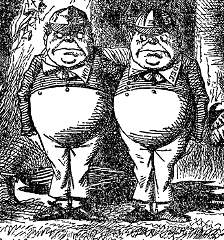
เรียกอีกอย่างว่าหมากรุกออร์โธดอกซ์คู่หรือหมากรุกสองราชาผู้เล่นแต่ละคนมีราชา สององค์ [ c ]และราชินี สององค์ บนกระดานขนาด 10×10 ผู้เล่นจะชนะโดยการรุกฆาตราชาของฝ่ายตรงข้ามได้หนึ่งองค์[ d ]
กติกาเกม
กฎหมากรุกทั่วไปยังคงใช้ได้ ยกเว้นว่าราชาและเรือสามารถเข้าป้อมได้เฉพาะแบบ "สั้น" เท่านั้น (เช่น ราชาต้องขยับสองช่องไปทางมุมที่ใกล้ที่สุด) และเบี้ยสามารถเดินได้หนึ่งหรือสองช่องในทุกขั้นตอน
ความคิดเห็น
"ในขณะที่ควีนคู่ของเขาจะเป็นความหวังหลักในการคว้าชัยชนะของผู้เล่น แต่กษัตริย์คู่แฝดของเขาอย่างคิงทวีดเดิลดีและคิงทวีดเดิลดัมกลับสร้างปัญหาให้เขาอย่างต่อเนื่อง!" ( พาร์ตัน 1961 :14) พาร์ตันตั้งข้อสังเกตว่าวิธีเดียวที่ผู้เล่นจะรอดพ้นจากการรุกฆาตจากการโจมตีด้วยคิงสองตัวคือการจับหมากของฝ่ายตรงข้าม[ e ]
บอยเออร์ตั้งข้อสังเกตว่ารูปแบบนี้ทำให้เกิด "เกมที่ยอดเยี่ยม" เนื่องจากมีทิศทางการโจมตีสองทิศทางและจุดป้องกันสองจุด[ 9 ]
หมากรุกกระต่ายเดือนมีนาคม
| เอ | ข | ซี | ง | อี | เอฟ | จี | ชม. | ||
| 8 |              | 8 | |||||||
| 7 | 7 | ||||||||
| 6 | 6 | ||||||||
| 5 | 5 | ||||||||
| 4 | 4 | ||||||||
| 3 | 3 | ||||||||
| 2 | 2 | ||||||||
| 1 | 1 | ||||||||
| เอ | ข | ซี | ง | อี | เอฟ | จี | ชม. | ||
ในรูปแบบนี้ ผู้เล่นจะขยับหมากของตนเองหนึ่งตัวก่อน "แล้วจึง 'เข้าไปยุ่งเกี่ยวกับหมากของฝ่ายตรงข้าม" ( Pritchard 2007 :62)

กติกาเกม
ในแต่ละตา ผู้เล่นจะเดินหมากสองครั้งคือ ครั้งแรกเดินหมากของตนเองหนึ่งตัว จากนั้นเดินหมากของฝ่ายตรงข้ามหนึ่งตัว
- ถ้าผู้เล่นขยับเบี้ยตัวใดตัวหนึ่ง เขาก็สามารถขยับหมากของฝ่ายตรงข้ามได้ทุกตัว รวมถึงราชาของฝ่ายตรงข้ามด้วย ( Parton 1961 :24)
- หากผู้เล่นขยับควีน รุก บิชอป หรือไนท์ ผู้เล่นจะต้องขยับเบี้ยของฝ่ายตรงข้ามหนึ่งตัว
- หากผู้เล่นขยับราชาของตนแล้ว เขาจะสามารถขยับหมากของฝ่ายตรงข้ามตัวใดก็ได้ ยกเว้นราชาของฝ่ายตรงข้าม
เมื่อถูกรุก ผู้เล่นจะต้องแก้สถานการณ์รุกทันทีในตาของตนเองโดยการขยับตัวหมากของตนเองหนึ่งตัว (หากไม่สามารถทำได้ตามกฎ ผู้เล่นจะแพ้เกม)
หมากรุกแมวเชสเชอร์
| เอ | ข | ซี | ง | อี | เอฟ | จี | ชม. | ฉัน | เจ | |||
|---|---|---|---|---|---|---|---|---|---|---|---|---|
| 10 | | | | | | | | | | | 10 | |
| 9 | | | | | | | | | | | 9 | |
| 8 | | | | | | | | | | | 8 | |
| 7 | | | | | | | | | | | 7 | |
| 6 | | | | | | | | | | | 6 | |
| 5 | | | | | | | | | | | 5 | |
| 4 | | | | | | | | | | | 4 | |
| 3 | | | | | | | | | | | 3 | |
| 2 | | | | | | | | | | | 2 | |
| 1 | | | | | | | | | | | 1 | |
| เอ | ข | ซี | ง | อี | เอฟ | จี | ชม. | ฉัน | เจ |


กติกาเกม
ในรูปแบบนี้กฎหมากรุก ปกติทั้งหมด ใช้ได้ ยกเว้น: เมื่อใดก็ตามที่ตัวหมากเคลื่อนออกจากช่องของมัน ช่องนั้นจะ "หายไป" [ h ]
พาร์ตันแนะนำให้ใช้ตัวหมากเพื่อทำเครื่องหมายช่องที่ "หายไป" เมื่อช่องใดหายไปแล้ว จะไม่สามารถวางตัวหมากในช่องนั้นได้อีก แต่ตัวหมากสามารถเคลื่อนที่ผ่านช่องที่หายไปได้ รวมถึงการรุกฆาตผ่านช่องเหล่านั้นด้วย
เนื่องจากการเข้าป้อมเป็นไปไม่ได้ในหมากรุกเชสเชอร์แคท (เพราะตัวหมากที่ปกติใช้เปิดทางสำหรับการเข้าป้อมจะทำให้ช่องที่ต้องการ "หายไป") พาร์ตันจึงอนุญาตให้ราชาสามารถเคลื่อนที่ได้เหมือนราชินีหนึ่งครั้งต่อเกม ในการเดินหมากครั้งแรกของราชา
ความแปรผัน
เกมนี้สามารถเล่นได้โดยใช้กระดานและชุดขนาด 8×8 ทั่วไป แต่ Parton แนะนำกระดานขนาด 10×10 ที่มีเรือเพิ่มอีกสองตัวที่มุมเป็น "ดีที่สุด" [ 10 ]
หมากรุกโครีกัล
| เอ | ข | ซี | ง | อี | เอฟ | จี | ชม. | ||
| 8 | | 8 | |||||||
| 7 | 7 | ||||||||
| 6 | 6 | ||||||||
| 5 | 5 | ||||||||
| 4 | 4 | ||||||||
| 3 | 3 | ||||||||
| 2 | 2 | ||||||||
| 1 | 1 | ||||||||
| เอ | ข | ซี | ง | อี | เอฟ | จี | ชม. | ||
ในรูปแบบนี้ ควีนสามารถถูกรุกฆาตได้เช่นเดียวกับคิง[ i ] [ j ]

กติกาเกม
การรุกฆาตพระราชาหรือพระราชินีของฝ่ายตรงข้ามจะทำให้ชนะเกม พระราชินีสามารถเดินและจับกินได้เหมือนพระราชินีทั่วไป แต่ห้ามเดินให้ตัวเองถูกรุกฆาต พระราชินีสามารถเดินผ่านช่องที่ถูกโจมตีได้
กฎที่ขยายโดย NOST [ k ] [ 11 ]
ควีน ซึ่งได้มาจากการเลื่อนขั้นเบี้ย ถือเป็นตัวหมากราชวงศ์ ควีนสามารถรุกฆาตคิงจากระยะไกลได้ แต่ไม่สามารถรุกฆาตควีนได้ ทั้งคิงและควีนสามารถเข้าป้อมได้ทั้งแบบยาวและแบบสั้น
ความคิดเห็น
“จะเห็นได้ว่าความยากลำบากในการ ‘รุกฆาต’ ควีนฝ่ายตรงข้ามส่วนใหญ่เกิดจากความคล่องตัวสูงของควีน ซึ่งทำให้ควีนสามารถหลบหนีไปยังที่ปลอดภัยได้ค่อนข้างง่าย ต่างจากพลังที่อ่อนแอและช้าของพระราชาในการเคลื่อนที่ออกจากอันตรายร้ายแรง ชัยชนะในเกม Co-regal โดยทั่วไปจะสำเร็จได้ด้วยการรุกฆาตพระราชาของฝ่ายตรงข้าม [...] ผู้เล่นต้องเรียนรู้พฤติกรรมใหม่สองอย่างเป็นอย่างน้อย เขาต้องระงับความปรารถนาที่จะเสียสละควีนอย่างชาญฉลาด เมื่อเขาโจมตีควีนฝ่ายตรงข้ามในเกม Co-regal เขาต้องใช้คำว่า ‘รุกฆาต’ อย่างสุภาพเพื่อเป็นการเตือน!” ( Parton 1970a , Part I:2)
ตัวอย่างเกม
Walter Whiteman vs. Rib Orrell: 1.e4 Nf6 2.Nc3 e5 3.Nf3 Bc5 4.Bc4 Ng4 5.0-0 Nxf2+ 6.Rxf2 Bxf2+ 7.Kxf2 0-0 8.d3 d6 9.Ng5 Be6 10.Bxe6 fxe6+ 11.Ke1 h6 12.Nxe6+ Qh4+ 13.g3+ ?? Qxh2 0–1 "ฝ่ายดำขู่จะรุกฆาต 14...Qg/h1 เนื่องจาก K เดินผิดทาง เพราะจะทำให้ Q เสี่ยงต่อการถูกรุกฆาต ถ้า 14.Qg4 (เป็นตาเดินที่ถูกต้องเพียงตาเดียวของ Q) Rf2 15.Ne2 (บังคับ: Qxg7 ไม่ใช่การรุกฆาต—มันผิดทาง!) Rxe2+ และรุกฆาตในสามตา" ( พริตชาร์ด 1994 :72)
เรซซิ่ง คิงส์
| เอ | ข | ซี | ง | อี | เอฟ | จี | ชม. | ||
| 8 | | 8 | |||||||
| 7 | 7 | ||||||||
| 6 | 6 | ||||||||
| 5 | 5 | ||||||||
| 4 | 4 | ||||||||
| 3 | 3 | ||||||||
| 2 | 2 | ||||||||
| 1 | 1 | ||||||||
| เอ | ข | ซี | ง | อี | เอฟ | จี | ชม. | ||
เกมนี้คือ หมากรุกโดโดดั้งเดิมก่อนที่จะเปลี่ยนชื่อ[ 12 ]กฎกติกาเหมือนกับหมากรุกโดโด แต่มีการจัดวางกระดานที่แตกต่างกัน
ตัวอย่างเกม
R. Betza vs. J. Leitel: [ 12 ] [ 13 ] 1.Bd4 Be4 2.Kh3 Ka3 3.Nxc1 Rxc1 4.Be2 ? Nb3 5.Bh8? Ka4 6.Kg4 Ka5 7.Qh6 Rc6 8.Qe3 Rxe2 9.Qxe4 ! Qxh8? 10.Qxc6 Qc3 11.Qh6 Rxe1 12.Rxe1 Qxe1 13.Kf5 Qe7 14.Qe6 Qb7 15.Kg6 Nc5 16.Qf7 Ka6 17.Kh7 Ka7 18.Rg8 (18.Kg8 เสมอเท่านั้น) 1–0
พาร์ตันยังเสนอแนะอีกว่า การเล่นสามารถขยายไปสู่ "คอร์สคู่" ได้ โดยผู้เล่นจะชนะหากไปถึงแถวที่แปดก่อนแล้วกลับมาที่แถวแรกได้
หมากรุกโดโด
| เอ | ข | ซี | ง | อี | เอฟ | จี | ชม. | ||
| 8 | | 8 | |||||||
| 7 | 7 | ||||||||
| 6 | 6 | ||||||||
| 5 | 5 | ||||||||
| 4 | 4 | ||||||||
| 3 | 3 | ||||||||
| 2 | 2 | ||||||||
| 1 | 1 | ||||||||
| เอ | ข | ซี | ง | อี | เอฟ | จี | ชม. | ||

เกมนี้ เล่นบนกระดานหมากรุก ปกติ เป็นเกมแข่งกัน แบบง่ายๆ โดยผู้เล่นคนแรกที่ไปถึงช่องบนแถว สุดท้าย ด้วยราชาของตนจะเป็นผู้ชนะ[ m ] [ n ] [ o ]
กติกาเกม
การรุกฆาตไม่ได้รับอนุญาต และการเปิดเผยตัวหมากราชาของตนเองให้ถูกรุกฆาตก็ไม่ได้รับอนุญาตเช่นกัน อย่างไรก็ตาม การจับกินได้รับอนุญาตเช่นเดียวกับหมากรุกทั่วไป
"เพื่อเป็นการชดเชยสำหรับการเดินหมากครั้งแรก (ซึ่งมักเป็นข้อได้เปรียบในเกมแข่งเดินหมาก) หากฝ่ายขาวเดินหมากได้ก่อน แต่ฝ่ายดำเดินหมากตามมาในตาถัดไป เกมจะจบลงด้วยผลเสมอ" ( Pritchard 2000 :14)
หมากรุกคิงเล็ต
| เอ | ข | ซี | ง | อี | เอฟ | จี | ชม. | ||
| 8 | | 8 | |||||||
| 7 | 7 | ||||||||
| 6 | 6 | ||||||||
| 5 | 5 | ||||||||
| 4 | 4 | ||||||||
| 3 | 3 | ||||||||
| 2 | 2 | ||||||||
| 1 | 1 | ||||||||
| เอ | ข | ซี | ง | อี | เอฟ | จี | ชม. | ||
หมากรุกคิงเล็ต หรือที่รู้จักกันในชื่อ หมากรุกฟิดเดิลสติ๊กแบบ จักรวรรดิไม่มีการรุกหรือรุกจนในหมากรุกคิงเล็ต – ราชาได้รับการปฏิบัติเหมือนตัวหมากปกติทั่วไป[ q ] ผู้ชนะคือผู้เล่นคนแรกที่จับ คิงเล็ต (เช่น เบี้ยหรือฟิดเดิลสติ๊ก) ของฝ่ายตรงข้ามได้ทั้งหมด

กฎเพิ่มเติม
เมื่อถึงแถวสุดท้าย ตัวหมากคิงเล็ตจะเลื่อนขั้นเป็นคิง หากผู้เล่นถูกบังคับให้เลื่อนขั้นคิงเล็ตตัวสุดท้ายของตน เขาจะไม่มีคิงเล็ตเหลืออยู่เลยและแพ้โดยอัตโนมัติ ตัวหมากทุกตัวรวมถึงคิงสามารถถูกจับได้ การเสมอถือเป็นการเสมอกัน
ความคิดเห็น
"แนวคิดนี้มีปัญหาที่น่าสนใจบางอย่างในด้านกลยุทธ์ ความสมดุลระหว่างการรีบเร่งจับเบี้ยอย่างรวดเร็วและความกลัวที่จะสูญเสียตัวหมากสำคัญไปนั้น ดูเหมือนจะเป็นเรื่องละเอียดอ่อนและซับซ้อน" ( Parton 1961 :4)
การเปลี่ยนแปลง
Parton เสนอรูปแบบ "ที่ไม่ค่อยละเอียดอ่อน" สองแบบในCuriouser and Curiouserแบบหนึ่งอิงตามหมากรุกก้าวหน้าซึ่งผู้เล่นจะเดินหมากเพิ่มขึ้นในแต่ละตา และอีกแบบหนึ่งอิงตามหมากรุกมาร์เซย์ซึ่งผู้เล่นจะเดินหมากสองตัวต่อตา อย่างน้อยหนึ่งตัวต้องเป็นคิงเล็ต (หรือคิงเล็ตตัวเดียวกันอาจถูกเดินสองครั้ง) [ 14 ]
หมากรุกกระจก
| ||||||||||||||||||||||||||||||||||||||||||||||||||||||||||||||||||||||||||||||||||||||||||||||||||||||||||||||||||||||||||||||||||||
| หมากรุกแบบ Looking-glass ประกอบด้วยเกมสองเกมที่แยกจากกันแต่มีความสัมพันธ์กัน ในเกมนี้ ฝ่ายขาวเดินหมากครั้งแรก 1.Nf3/A และการเดินหมากสะท้อนกลับ 1.Nc3/B ส่วนฝ่ายดำตอบด้วยการเดินหมาก 1...d5/B และการเดินหมากสะท้อนกลับ 1...e5/A | ||||||||||||||||||||||||||||||||||||||||||||||||||||||||||||||||||||||||||||||||||||||||||||||||||||||||||||||||||||||||||||||||||||


เกมสองเกมที่แยกจากกันเกิดขึ้นในผลงานสร้างสรรค์ของ Parton ชิ้นนี้ ผู้เล่นสามารถเดินหมากปกติบนกระดานใดก็ได้ จากนั้นจะต้องเดินหมากแบบ 'สะท้อน' (เหมือนในกระจก) บนกระดานอีกด้านเพื่อจบตาของตน[ r ]
กติกาเกม
เพื่อเป็นตัวอย่าง หากฝ่ายขาวเปิดด้วย 1.Nf3 บนกระดานA ฝ่ายขาว จะต้องเดิน1.Nc3บนกระดานBเพื่อให้ตาเดินเสร็จสมบูรณ์ (ดูแผนภาพ) หากการเดินสะท้อนกลับจะทำให้ผู้เล่นตกอยู่ในสถานะถูกรุกฆาต ฝ่ายขาวจะไม่สามารถเดินหมากแรกได้
การเดินของราชาหรือราชินีจะต้องสะท้อนบนกระดานอีกด้าน แม้ว่านั่นหมายถึงการขยับราชาหลายช่องก็ตาม (ตัวอย่างเช่น ในแผนภาพ ถ้าฝ่ายขาวจับ 2.Nxe5/A Nxd5/B และฝ่ายดำจับคืน 2...Qxd5/B การเดินสะท้อนของฝ่ายดำคือ: 2...Kxe5/A)
การเข้าป้อมเป็นเรื่องปกติ แต่ต้องทำการเดินหมากสะท้อนกลับเพื่อ "เข้าป้อม" ควีน (เช่น ถ้าฝ่ายขาวเข้าป้อมทางฝั่งราชา การเดินหมากสะท้อนกลับทางฝั่งควีนจะทำให้ควีนอยู่ที่ b1 และเรืออยู่ที่ c1)
หมากรุกกริฟฟิน
| เอ | ข | ซี | ง | อี | เอฟ | จี | ชม. | ||
| 8 | | 8 | |||||||
| 7 | 7 | ||||||||
| 6 | 6 | ||||||||
| 5 | 5 | ||||||||
| 4 | 4 | ||||||||
| 3 | 3 | ||||||||
| 2 | 2 | ||||||||
| 1 | 1 | ||||||||
| เอ | ข | ซี | ง | อี | เอฟ | จี | ชม. | ||
หมากรุกชนิด นี้เรียกอีกอย่างว่าหมากรุกที่ซับซ้อนเพราะเมื่อจบการเดินหมาก ตัวหมากที่เดินจะเปลี่ยนเป็นตัวหมากชนิดอื่น (ลำดับถัดไป: เบี้ย→ม้า→บิชอป→เรือ→ควีน→ราชา ) [ s ]ดังนั้นหลังจากเดินเบี้ย เบี้ยจะเปลี่ยนเป็นม้าสีเดียวกัน หลังจากเดินม้า มันจะกลายเป็นบิชอป และเป็นเช่นนี้เรื่อยไป ราชาจะไม่เปลี่ยนรูปร่าง

กติกาเกม
ผู้เล่นสามารถมีม้า บิชอป เรือ หรือควีนได้ไม่เกินสี่ตัวบนกระดานในเวลาใดเวลาหนึ่ง แต่สามารถมีราชาได้มากถึงสิบห้าตัว การรุกฆาตราชาของฝ่ายตรงข้ามได้หนึ่งตัวจะทำให้ชนะเกม
ความคิดเห็น
“จะเห็นได้ทันทีว่าเบี้ยที่มีความซับซ้อนสามารถขึ้นเป็นราชาได้ในห้าตาเดิน ในขณะที่เรือที่มีความซับซ้อนสามารถทำได้ในสองตาเดิน [...] โดยธรรมชาติแล้ว ผู้เล่นจะไม่จับควีนของฝ่ายตรงข้าม! และเขาก็จะไม่ต้องการขยับควีนของตนเอง เพื่อสร้างเป้าหมายที่จำเป็นให้ฝ่ายตรงข้ามชนะ” ( Parton 1961 :26)
การเปลี่ยนแปลง
หมากรุกกริฟฟินวงกลม |
หมากรุกกริฟฟินแบบง่าย | ||||||||||||||||||||||||||||||||||||||||||||||||||||||||||||||||||||||||||||||||||||||||
ในหมากรุกกริฟฟินแบบวงกลมผู้เล่นจะมีราชาเพียงตัวเดียวตลอดทั้งเกมเช่นเดียวกับหมากรุกปกติ แต่ลำดับการเปลี่ยนตัวจะเปลี่ยนไปเป็นแบบวงกลม คือเบี้ย→อัศวิน→บิชอป→เรือ→ราชินี→เบี้ย (ดังนั้น ตัวหมากสามารถเปลี่ยนตัวได้ไม่จำกัดจำนวนครั้ง) และเช่นเดียวกัน ไม่อนุญาตให้มีอัศวิน บิชอป เรือ หรือราชินีเกินสี่ตัวในเกมพร้อมกัน
ในหมากรุกกริฟฟินแบบง่ายผู้เล่นเริ่มต้นด้วยราชาและเบี้ยแปดตัว "เบี้ยจะเปลี่ยนไปตามลำดับปกติของกริฟฟินและจบลงที่ตำแหน่งราชา จนกว่าผู้เล่นจะจับหมากของฝ่ายตรงข้ามได้ เขาจะถูกห้ามไม่ให้ขยับราชาไปด้านข้างหรือถอยหลัง" ( Parton 1974 :17)
หมากรุกจำลอง
| เอ | ข | ซี | ง | อี | เอฟ | จี | ชม. | ||
| 8 | | 8 | |||||||
| 7 | 7 | ||||||||
| 6 | 6 | ||||||||
| 5 | 5 | ||||||||
| 4 | 4 | ||||||||
| 3 | 3 | ||||||||
| 2 | 2 | ||||||||
| 1 | 1 | ||||||||
| เอ | ข | ซี | ง | อี | เอฟ | จี | ชม. | ||

ในการชนะเกม ผู้เล่นจะต้องจับหมากของฝ่ายตรงข้ามทั้งหมด รวมถึงราชาด้วย "เป็นรูปแบบจำลองที่เหมาะสมของหมากรุก เพราะมันไม่มีองค์ประกอบของการรุกฆาตหรือรุกฆาตอยู่ในพื้นฐานเลย ราชาในตอนนี้ได้รับการปฏิบัติเหมือนกับหมากรุกตัวอื่นๆ" ( Parton 1961 :15)
กติกาเกม
หากผู้เล่นสามารถจับได้ เขาต้องจับทันที หากสามารถจับได้มากกว่าหนึ่งครั้งในตาของเขา เขาสามารถเลือกได้ว่าจะจับหนึ่งครั้งใด สามารถจับได้เพียงครั้งเดียวต่อตาเท่านั้น
ในการเดินครั้งแรก เบี้ยจะต้องเดินไปข้าง หน้า สองช่อง เว้นแต่ว่าการเดินครั้งแรกของเบี้ยจะเป็นการกินหมากอื่น
หมากรุกคอนทรามาติก

กฎปกติสำหรับการรุกและรุกฆาตนั้นขัดแย้งกัน—ผู้เล่นไม่ สามารถ รุกราชาของฝ่ายตรงข้ามได้ แต่สามารถขยับราชาของตนเองเข้าไปในตำแหน่งที่ถูกรุกได้ ผู้เล่นจะชนะเมื่อฝ่ายตรงข้ามไม่สามารถหลีกเลี่ยงการรุกได้[ x ]

กติกาเกม
ผู้เล่นเริ่มต้นโดยวางราชาตามที่แสดงในภาพ ฝ่ายขาววางหมากที่เหลือไว้ที่ใดก็ได้บนฝั่งของตน จากนั้นฝ่ายดำก็ทำเช่นเดียวกัน ฝ่ายขาวเป็นฝ่ายเดินก่อน
การรุกฆาตฝ่ายตรงข้ามไม่ได้รับอนุญาต (หากผู้เล่นไม่มีทางเลือกอื่นนอกจากรุกฆาต เขาจะแพ้) ผู้เล่นสามารถเดินหมากที่ทำให้ราชาของตนเองถูกรุกฆาตโดยหมากของฝ่ายตรงข้ามได้ เว้นแต่ว่าการเดินหมากนั้นจะทำให้ฝ่ายตรงข้ามถูกรุกฆาตด้วยเช่นกัน เมื่อผู้เล่นถูกรุกฆาต ฝ่ายตรงข้ามจะต้องแก้การรุกฆาตในตาเดินถัดไป มิฉะนั้นจะแพ้เกม
ข้อสังเกต
ราชาจะเคลื่อนที่ได้มากกว่าตัวหมากอื่นๆ[ z ]ราชาไม่สามารถอยู่บนช่องติดกันได้ เพราะจะทำให้ฝ่ายตรงข้ามรุกฆาต (ซึ่งเป็นการละเมิดกฎ) การจับกินนั้นเกิดขึ้นได้ยาก เนื่องจากหากจับกินตัวหมากของฝ่ายตรงข้ามได้ โอกาสที่ราชาของตนเองจะถูกรุกฆาตก็จะลดลง
ความแปรผัน
ในหมากรุกคอนทรามาติกแบบสมบูรณ์ (หรือที่รู้จักกันในชื่อCCC ) ผู้เล่นแต่ละคนจะมี ราชา สองตัว – ราชาปกติ (แบบดั้งเดิม) และราชา "คอนทรามาติก" มีสองวิธีที่จะชนะ: การทำให้ราชาคอนทรามาติกของตนเองตกอยู่ในสถานการณ์รุกฆาตที่หลีกเลี่ยงไม่ได้ หรือการรุกฆาตราชาปกติของฝ่ายตรงข้าม ผู้เล่นจะวางราชาปกติเป็นตัวสุดท้าย หลังจากวางตัวหมากอื่นๆ แล้ว
ข้อสังเกต
ราชาคอนทรามาติกสามารถเคลื่อนไปยังช่องที่อยู่ติดกับราชาออร์โธดอกซ์ของฝ่ายตรงข้ามได้ (เนื่องจากราชาออร์โธดอกซ์สามารถถูกรุกได้เหมือนในหมากรุกปกติ และราชาคอนทรามาติกสามารถรุกตัวเองได้) แต่ราชาออร์โธดอกซ์ไม่ สามารถ เคลื่อนไปติดกับราชาคอนทรามาติกของฝ่ายตรงข้ามได้ (เนื่องจากไม่ได้รับอนุญาตให้รุกราชาคอนทรามาติกของฝ่ายตรงข้าม หรือรุกราชาออร์โธดอกซ์ของตนเอง) [ 15 ]
หมากรุก Idle Kings
| เอ | ข | ซี | ง | อี | เอฟ | จี | ชม. | ||
| 8 | | 8 | |||||||
| 7 | 7 | ||||||||
| 6 | 6 | ||||||||
| 5 | 5 | ||||||||
| 4 | 4 | ||||||||
| 3 | 3 | ||||||||
| 2 | 2 | ||||||||
| 1 | 1 | ||||||||
| เอ | ข | ซี | ง | อี | เอฟ | จี | ชม. | ||

กติกาเกม
ผู้เล่นจะเล่นโดยไม่มีราชาจนกระทั่งหลังจากตาเดินที่ 12 ของฝ่ายดำ เมื่อนั้นฝ่ายขาวจะวางราชาของตนบนช่องว่างใดก็ได้ (แต่ไม่ใช่ช่องที่ถูกรุก) และฝ่ายดำก็จะทำเช่นเดียวกัน
กฎเพิ่มเติม
หลังจากวางตัวหมากราชาแล้ว เกมจะดำเนินต่อไปตามปกติ ยกเว้นว่าราชาจะไม่สามารถขยับได้ เว้นแต่จะถูกรุกฆาต
หมากรุกยูนิเร็กซ์
| เอ | ข | ซี | ง | อี | เอฟ | จี | ชม. | ||
| 8 | | 8 | |||||||
| 7 | 7 | ||||||||
| 6 | 6 | ||||||||
| 5 | 5 | ||||||||
| 4 | 4 | ||||||||
| 3 | 3 | ||||||||
| 2 | 2 | ||||||||
| 1 | 1 | ||||||||
| เอ | ข | ซี | ง | อี | เอฟ | จี | ชม. | ||
หรือที่รู้จักกันในชื่อThe Black King's Complaintรูปแบบของ Unirexal คือรูปแบบที่มีราชาเพียงตัวเดียวบนกระดาน "ราชาสีดำหายไป" พาร์ตันอธิบาย "เพราะเขาเบื่อหน่ายกับการถูกรุกฆาตในทุกปัญหา" ( Pritchard 1994 :332) [ ab ]

กติกาเกม
ฝ่ายดำมีควีนตัวที่สอง[ ac ]แทนที่จะเป็นคิง และต้องรุกฆาตฝ่ายขาวภายในจำนวนตาเดินที่เหมาะสม (ตกลงกันก่อนเริ่มเกม) มิเช่นนั้นฝ่ายขาวจะเป็นฝ่ายชนะ
ความแปรผัน
| เอ | ข | ซี | ง | อี | เอฟ | จี | ชม. | ||
| 8 | | 8 | |||||||
| 7 | 7 | ||||||||
| 6 | 6 | ||||||||
| 5 | 5 | ||||||||
| 4 | 4 | ||||||||
| 3 | 3 | ||||||||
| 2 | 2 | ||||||||
| 1 | 1 | ||||||||
| เอ | ข | ซี | ง | อี | เอฟ | จี | ชม. | ||
ฝ่ายดำมีม้า 20 ตัว แต่ไม่มีราชา ถ้าฝ่ายดำไม่สามารถรุกฆาตฝ่ายขาวได้ภายใน 50 ตาเดิน ฝ่ายดำจะแพ้
หมากรุกเรตตาแบบทศนิยม

นี่คือการประดิษฐ์หมากรุกรูปแบบใหม่ครั้งแรกของพาร์ตัน แนวคิดนี้เกิดขึ้นจากความไม่ชอบราชาที่อ่อนแอ: "ราชาควรจะแข็งแกร่ง ไม่ใช่อ่อนแอ ตามมาตรฐานความงาม: เขาเป็นศูนย์กลางที่ขับเคลื่อนเกมทั้งหมด ด้วยเหตุนี้ ราชา Rettah ของฉันจึงเป็นตัวหมากที่ทรงพลังที่สุดในบรรดาตัวหมากทั้งหมด" ( พาร์ตัน 1961 :7)
Each player has two rettahs (kings) and two queens on a 10×10 board. There is no checkmate; a player wins by capturing both opponent's rettahs.
Game rules
A rettah [hatter spelled backwards] moves and captures as a Q+N compound. If a rettah is attacked, the attacking piece must be captured immediately. (If more than one piece is able to capture, the player may choose. An attacked rettah will always have the option to capture.) If a rettah is attacked by two pieces simultaneously, the attacked rettah must capture one of them (the player may choose which).
Pawns can move up to three steps on their first move. There is no en passant. If players agree, pawns can also move one step diagonally forward (to facilitate opening lines). A pawn promotes to rettah, but only if a rettah of the same colour was previously captured. There is no castling in Decimal Rettah.
Variations
Parton gives several variations, although Decimal Rettah is "possibly the earlier version and arguably the better" (Pritchard 1994:82). In Absolute Rettah chess, only a rettah may capture a rettah. (So a successful tactic involves attacking a rettah with a piece guarded by one's own rettah.) In Giveaway Rettah, Decimal or Absolute Rettah are played according to Suicide chess rules. In Rettah chess (one rettah; pawns move only one step forward) and Double Rettah chess (two rettahs; no forced capture; win by checkmating a rettah), play is on a regular 8×8 board.
Sample game
Decimal Rettah, "a game of assault and sacrifice",[18] received high praise from Boyer[9] who published the following sample game [the game uses an alternate initial setup NBKQRRQKBN and incorrect interpretation of the capture rule, requiring that only a rettah may capture its attacker]:
Identific

In this variant, the identity of chess pieces becomes known as play proceeds.

Game rules
Players first place their 12 counters (draughtsmen) on any squares of their choosing on their own half of the board. (Either White places all his counters first, followed by Black; or one per turn if the players prefer.)
หลังจากวางหมากครบทุกตัวแล้ว ฝ่ายขาวจะขยับหมากตัวใดตัวหนึ่งของตนเองเหมือนหมากรุกปกติ แล้ววางหมากตัวอื่นที่ตรงกันลงไปแทนที่ทันที ฝ่ายดำก็ทำเช่นเดียวกันในตาของตนเอง การ "ขยับเพื่อระบุตัวหมาก" เหล่านี้เป็นไปตามกฎต่อไปนี้:
- ตัวหมากเบี้ยจะถูกระบุโดยการขยับตัวหมากไปข้างหน้าหนึ่งก้าว
- บิชอปหรือควีนจะถูกระบุโดยการเคลื่อนที่ในแนวทแยงสองช่องขึ้นไป
- ตัวหมากเรือหรือควีนจะถูกระบุโดย การเคลื่อนที่ ในแนวตั้งฉากสองช่องขึ้นไป
- ตัวนับไม่สามารถจับหรือตรวจสอบได้
หลังจากผู้เล่นแต่ละคนเลือกหมากรุกได้หนึ่งตัวแล้ว ในตาต่อๆ ไป ผู้เล่นสามารถเลือกที่จะเลือกหมากรุกเพิ่มเติมจากตัวที่ยังเหลืออยู่ในมือ หรือย้ายหมากรุกของตนเองที่อยู่บนกระดานแล้วก็ได้ หมากรุกสามารถเคลื่อนที่ จับกิน รุกฆาต/รุกฆาตได้ตามปกติ และสามารถจับกินหมากของฝ่ายตรงข้ามได้
ตัวหมากตัวที่สี่ที่ระบุได้ของผู้เล่นจะต้องเป็นราชา (หรือผู้เล่นอาจตกลงกันในตารางเวลาอื่น เช่น ตัวหมากตัวที่หกที่ระบุได้) ผู้เล่นอาจต้องการป้องกันการระบุควีนก่อนเวลาอันควร ตัวอย่างเช่น โดยกำหนดให้มีการระบุอย่างน้อยห้าตัว หรือโดยการจำกัดการระบุควีนไว้ที่ตัวหมากตัวสุดท้ายที่เหลืออยู่ของผู้เล่น
หมากรุกซิงโครนิสติก
| เอ | ข | ซี | ง | อี | เอฟ | จี | ชม. | ||
| 8 | | 8 | |||||||
| 7 | 7 | ||||||||
| 6 | 6 | ||||||||
| 5 | 5 | ||||||||
| 4 | 4 | ||||||||
| 3 | 3 | ||||||||
| 2 | 2 | ||||||||
| 1 | 1 | ||||||||
| เอ | ข | ซี | ง | อี | เอฟ | จี | ชม. | ||

"รูปแบบที่ออกแบบมาโดยส่วนหนึ่งเป็นการล้อเล่นเพื่อให้บรรลุถึงความเท่าเทียมกันอย่างสมบูรณ์" ( Pritchard 1994 :297) "[...] เพื่อขจัดความไม่เท่าเทียมกันระหว่างฝ่ายขาวและฝ่ายดำโดยสิ้นเชิง ด้วยแนวคิดง่ายๆ ที่ว่า ฝ่ายขาวและฝ่ายดำจะต้องเดินหมากที่สอดคล้องกันพร้อมกันเสมอ!" ( Parton 1970a , Part I:9)
กติกาเกม
ในแต่ละตา ผู้เล่นจะตัดสินใจเลือกการเดินหมาก เขียนลงบนกระดานโดยลับ จากนั้นจึงเปิดเผย พวกเขาจะปรับตำแหน่งหมากตามความเหมาะสม โดยใช้กฎการแก้ปัญหาต่อไปนี้เมื่อจำเป็น:
- หากการเดินหมากเป็นการเดินไปยังช่องเดียวกัน ฝ่ายขาวจะจับฝ่ายดำได้หากช่องนั้นอยู่ในฝั่งของฝ่ายดำ และฝ่ายดำจะจับฝ่ายขาวได้หากช่องนั้นอยู่ในฝั่งของฝ่ายขาว
- หากเป็นการเดินหมากที่ต่างฝ่ายต่างจับกัน หมาก ทั้งสองตัวจะถูกนำออกจากกระดาน
- หากผู้เล่นคนหนึ่งเดินหมากไปยังช่องที่หมากของฝ่ายตรงข้ามอยู่ แต่หมากนั้นเดินออกไปในตาเดียวกัน หมากนั้นจะถือว่าถูกจับและนำออกจากกระดานหากเป็นหมากที่มีลำดับต่ำกว่า (K > Q > R > B > N > P) แต่ถ้าเป็นหมากที่มีลำดับเท่ากันหรือสูงกว่า การเดินทั้งสองครั้งจะถือว่าถูกต้อง
ในหมากรุกซิงโค รนิสติก การรุกฆาตพร้อมกัน เป็นไปได้[ ah ]
ดามาเต้
| เอ | ข | ซี | ง | อี | เอฟ | จี | ชม. | ฉัน | เจ | |||
|---|---|---|---|---|---|---|---|---|---|---|---|---|
| 10 | | | | | | | | | | | 10 | |
| 9 | | | | | | | | | | | 9 | |
| 8 | | | | | | | | | | | 8 | |
| 7 | | | | | | | | | | | 7 | |
| 6 | | | | | | | | | | | 6 | |
| 5 | | | | | | | | | | | 5 | |
| 4 | | | | | | | | | | | 4 | |
| 3 | | | | | | | | | | | 3 | |
| 2 | | | | | | | | | | | 2 | |
| 1 | | | | | | | | | | | 1 | |
| เอ | ข | ซี | ง | อี | เอฟ | จี | ชม. | ฉัน | เจ |
เกมนี้ เรียกอีกอย่างว่าเกมดามาเตะเป็นเกมที่ผสมผสานระหว่างหมากฮอสและหมากรุก[ aj ] [ ak ]

กติกาเกม
กษัตริย์ไม่มีอำนาจราชวงศ์และถือว่าเป็นเพียงคน ธรรมดา ผู้เล่นจะชนะโดยการกำจัดหมากของฝ่ายตรงข้ามทั้งหมด ตัวหมากเคลื่อนที่ได้ตามปกติ ยกเว้นเบี้ยที่ไม่มีตัวเลือกการเดินสองก้าวในตอนเริ่มต้น และนอกจากการเดินตรงไปข้างหน้าหนึ่งก้าวตามปกติแล้ว ยังสามารถเดินเฉียงไปข้างหน้าได้หนึ่งก้าว ตัวหมากจะจับหมากของฝ่ายตรงข้ามได้โดยการกระโดดข้าม
- ราชาสามารถจับตัวหมากได้โดยการกระโดดข้ามตัวหมากที่อยู่ติดกันในทิศทางใดก็ได้ แล้วลงจอดในช่องว่างที่อยู่ถัดไปทันที
- เรือ บิชอป และควีน สามารถจับตัวหมากได้โดยการกระโดดข้ามตัวหมากที่ขวางทาง แล้วกระโดดไปลงที่ช่องว่างใดก็ได้ที่อยู่ถัดไปทันที เฉพาะตัวหมากที่ถูกจับเท่านั้นที่สามารถถูกกระโดดข้ามได้
- ตัวหมากเบี้ยสามารถจับกินตัวหมากที่อยู่ติดกันได้โดยการกระโดดข้ามตัวหมากที่อยู่ติดกัน ไม่ว่าจะในแนวทแยงไปข้างหน้าหรือตรงไปข้างหน้า แล้วไปลงที่ช่องว่างถัดไปทันที
- อัศวินจะจับตัวหมากโดยการกระโดดข้ามตัวหมากที่ปกติแล้วมันจะเข้ามาแทนที่ในหมากรุก แล้วไปลงจอดบนช่องว่างที่อยู่ห่างออกไปอีกหนึ่งตาเดินของอัศวินในแนวเส้นตรง (คล้ายกับการเดินของไนท์ไรเดอร์ตัวอย่างเช่น อัศวินบน c1 จะจับตัวหมากบน d3 ได้โดยการกระโดดไปยังช่องว่าง e5)
เช่นเดียวกับหมากรุก การกระโดดเป็นสิ่งที่จำเป็นเสมอ สามารถกระโดดหลายครั้งได้ และการกระโดดหลายครั้งที่เลือกจะต้องจับตัวหมากได้มากที่สุดเท่าที่จะเป็นไปได้ (หากมีลำดับการกระโดดมากกว่าหนึ่งลำดับที่จับตัวหมากได้มากที่สุด ผู้เล่นสามารถเลือกได้) ตัวหมากที่ถูกจับในการกระโดดหลายครั้งจะไม่ถูกนำออกจากกระดานจนกว่าจะสิ้นสุดตาเดิน
ตัวหมากเบี้ยจะเลื่อนขั้นเป็นควีนเมื่อข้ามเส้นกลางกระดาน การกระโดดข้ามเส้นกลางกระดานจะทำให้ตัวหมากเบี้ยเลื่อนขั้นและจบตาเดินทันที (กล่าวคือ ไม่อนุญาตให้กระโดดอีกต่อไป)
หมากรุกคนโง่
| เอ | ข | ซี | ง | อี | เอฟ | จี | ชม. | ||
| 8 | | 8 | |||||||
| 7 | 7 | ||||||||
| 6 | 6 | ||||||||
| 5 | 5 | ||||||||
| 4 | 4 | ||||||||
| 3 | 3 | ||||||||
| 2 | 2 | ||||||||
| 1 | 1 | ||||||||
| เอ | ข | ซี | ง | อี | เอฟ | จี | ชม. | ||
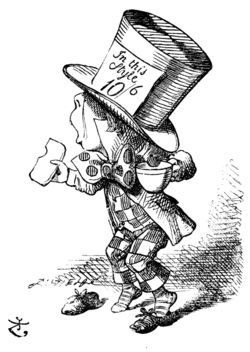
หมากรุกหรือที่รู้จักกันในชื่อหมากรุกก้าวหน้า มีกฎง่ายๆ คือ การเดิน การจับ และการรุกฆาต จำกัดเฉพาะทิศทางตรงไปข้างหน้าหรือแนวทแยงไปข้างหน้า เท่านั้น (ไม่อนุญาตให้เดินไปด้านข้างหรือถอยหลัง) เบี้ยไม่สามารถเลื่อนขั้นได้ เกมจะจบลงเมื่อฝ่ายใดฝ่ายหนึ่งรุกฆาตหรือเสมอกับฝ่ายตรงข้าม
การเปลี่ยนแปลง
- กติกาเหมือนเดิม แต่ตำแหน่งเริ่มต้นจะไม่มีควีนและรุก
- กติกาเหมือนเดิม แต่ตำแหน่งเริ่มต้นจะไม่มีควีน รุก และเบี้ย
หมากรุกเซมิควีน
| เอ | ข | ซี | ง | อี | เอฟ | จี | ชม. | ฉัน | เจ | |||
|---|---|---|---|---|---|---|---|---|---|---|---|---|
| 10 | | | |  | | |  | | | | 10 | |
| 9 | | | | | | | | | | | 9 | |
| 8 | | | | | | | | | | | 8 | |
| 7 | | | | | | | | | | | 7 | |
| 6 | | | | | | | | | | | 6 | |
| 5 | | | | | | | | | | | 5 | |
| 4 | | | | | | | | | | | 4 | |
| 3 | | | | | | | | | | | 3 | |
| 2 | | | | | | | | | | | 2 | |
| 1 | | | |  | | |  | | | | 1 | |
| เอ | ข | ซี | ง | อี | เอฟ | จี | ชม. | ฉัน | เจ |
Also known as half-queen's chess, the game introduces two additional pawns and two new pieces per side, the "ugly-named Biok and Roshop".[19]

Game rules
The Biok makes non-capturing moves like a bishop, and captures like a rook. The Roshop makes non-capturing moves like a rook, and captures like a bishop.[ao]
As a result, the Roshop "has the great advantage of being able to change from one colour system of squares to the other when required" (Parton 1974:5).
Variation
| a | b | c | d | e | f | g | h | i | j | |||
|---|---|---|---|---|---|---|---|---|---|---|---|---|
| 10 | |  |  | | | | |  | | | 10 | |
| 9 | | | | | | | | | | | 9 | |
| 8 | | | | | | | | | | | 8 | |
| 7 | | | | | | | | | | | 7 | |
| 6 | | | | | | | | | | | 6 | |
| 5 | | | | | | | | | | | 5 | |
| 4 | | | | | | | | | | | 4 | |
| 3 | | | | | | | | | | | 3 | |
| 2 | | | | | | | | | | | 2 | |
| 1 | |  |  | | | | | | | | 1 | |
| a | b | c | d | e | f | g | h | i | j |
Parton defines an extension having no additional pawns and a pair of Bioks and Roshops per player.
Black and White chess
| a | b | c | d | e | f | g | h | ||
| 8 | | 8 | |||||||
| 7 | 7 | ||||||||
| 6 | 6 | ||||||||
| 5 | 5 | ||||||||
| 4 | 4 | ||||||||
| 3 | 3 | ||||||||
| 2 | 2 | ||||||||
| 1 | 1 | ||||||||
| a | b | c | d | e | f | g | h | ||

Also known as Black and White Marseillais chess, this game follows a simple rule: each player makes two moves per turn, first with a man standing on a white (light) square, then with a man standing on a black (dark) square. Some resolutions are provided:
- If either move is impossible, that move is lost.
- If the first move delivers a check, the second move is lost.
- If a player is in check, their first move must get out of check. If doing so requires moving from a black square, it "counts as a second move and the first move is lost".[20]
Castling can be done on either the first or second move of a turn. A man can be moved twice in a turn if square colour requirements are met. (For example, with a white pawn on a2 and a black bishop on b4, White's turn can consist of a3 followed by axb4.)
List of game inventions
Chess variants
- Checkers chess (1950s)
- Decimal four-handed chess (1950s)
- Idle Kings' chess (1950s)
- Nightrider chess (1950s)
- Scaci Partonici (1950s)
- Decimal Rettah chess (1952)
- Double Rettah chess (1952)
- Parton's Game (1952)
- Rettah chess (1952)
- Tweedle chess (or Twin Orthodox chess) (1952)
- Alice chess (1953)
- Kinglet chess (or imperial fiddlesticks) (1953)
- Neutral King chess (1953)
- No-retreat chess (1954), co-inventor J. Boyer
- Black and White chess (or Black and White Marseillais chess) (1955)[aq]
- Ecila (1957 or earlier)
- Degraded chess (1958)
- Complete contramatic chess (1961)
- Contramatic chess (1961)
- Damate (1961)
- Racing Kings (1961)
- Dunce's chess (or advancing chess) (1961)
- Gryphon chess (or complicacious chess) (1961)
- Jabberwocky chess (1961)
- Knightmare chess (1961)
- Linear chess (1961)
- March Hare chess (1961)
- Royal Scaci Partonici (1961)
- Scacia (1961)
- Simpleton chess (or Simpletonry) (1961)
- Twin chess (1961)
- Unirexal chess (or The Black King's Complaint) (1961)
- Chimaera chess (1969)
- Mock chess (1969)
- Ambi-chess (1970)
- Best decimal butter (1970)
- Blot-straight chess (1970)
- Butters (1970)
- Capricorn chess (1970)
- Centaur Royal (1970)
- Cheshire Cat chess (1970)
- Co-regal chess (1970)
- Cubic chess (1970)
- Demigorgon chess (1970)
- Dodo chess (1970)
- Gorgona chess (1970)
- Identific (1970)
- Looking-glass chess (1970)
- Mad Threeparty chess (1970)
- Meddlers' chess (1970)
- Semi-queen chess (or half-queen's chess) (1970)
- Sphinx chess (1970)
- Timur's cubic chess (1970)
- Wyvern chess (1970)
- Circean (1971)
- Dabbabante chess (1971)
- Decimal Oriental chess (1971)
- Imitante Queen chess (1971)
- Synchronistic chess (1971)
- 2000 A.D. (1972)
- Royal Fury (1972)
- Gorgon chess (1973)
- Megasaur chess (1973)
- Mimotaur chess (1973)
- Rangers chess (1973)
- Triscacia (1974)
Draughts variants
Other games
- Salterello[as]
Monographs (with section headings)
Curiouser and Curiouser (1961),[at] 31 pp.
- Scacetic
- The First Lesson in Chess
- Dunce's Chess in Three Grades
- Imperial Fiddlesticks
- The Queen's Relations
- The Dodo's Chess
- Rettah
- Simpletonry
- Alician
- The Black King's Complaint
- Tweedledee and Tweedledum
- Mock Turtle's Pseudomorphy
- Damification
- A New Pudding
- Podospherism
- Contramatic
- The Rules According to the March Hare
- Knightmares
- Gryphon's Fancy and Fun
- The Realm of Circum Morus
- The Caterpillar's Idea of C.C.C.
Challenge and Delight of Chessical and Decimal (1970), 14 pp.
Chesshire-Cat-Playeth Looking-Glass Chessys (1970) Part I, 14 pp.
- The Queen of Hearts' Chess
- Capricorn Chess
- The Black King's Complaint
- The Rules According to the March Hare
- Identific
- Synchronistic Chess
- Jabberwocky Chess
- Dodo Chess
Chesshire-Cat-Playeth Looking-Glass Chessys (1970) Part II, 13 pp.
- The Chesshire Cat's Grin
- Scaci Partonici
- A Chess Reflection
- Demigorgons
- The Mad Tea Party
- Knightmares
- Scaci Partonici
Chessical Cubism or Chess in Space (1971), 16 pp.
- Cubic Chess
- Tamerlane Variation of Cubic Chess
- Sphinxian Chess
- The Compulsion Sphinx Chess Variations
- Ecila Chess
100 Squares for Chess + Damante (1971), 16 pp.
- Capablancan Chess
- Decimal Falcon-Hunter (Schulz Chess)
- Half-Queen's Chess
- Decimal Oriental Chess
- Decimal Imitante Q Chess
- Centaur Royal
- Damate Game
- Damatic Chess
- Decimal Duffer's Chess
- Wyvern Chess
- Dabbabante Chess
- Decimal Butter
- Decimal Obstacles Chess
- Chimaera
- Gorgona
- Circean
- Ambi-Chess
- Decimal Scaci Partonici
My Game for 2000 A.D. and After (1972), 12 pp.
Enduring Spirit of Dasapada (1973), 19 pp.
- Dasapada
Idea for a Personal Game (1973), 12 pp.
- The Basis of Pawn Partonici
- The Idea of Scaci Partonici
Chessery for Duffer and Master (1974), 23 pp.
- Chessery for Duffer and Master
- The Game of Rettah Chess
- Semi-Queen Chess
- The Diversion of Zerta
- Meddlers Chess Game
- The Alice chess Game
- The Idea of Gryphon Chess
- Royal Fury
Notes
- ^"What are you three doing?" asked Alice. "We're going to have a Mad Three party" explained the Mad Hatter. Alice thought he must have meant "tea party". "Can I join you please in this party?" she asked politely, and with much curiosity over this painting with jam. "No, you can't" said the March Hare rather impolitely. "If you join, then it would be a Four party instead." Parton (1970) Part II, p. 6
- ^"Each player has two Kings!" replied the Hatter very crossly at Alice's ignorance in this matter. "It is home-made plain cake commonsense. One of your opponents attacks one of your kings and the other attacks the other. That is quite easy to understand. If you had only a single king it would get too complicated when both of your opponents attacked the same king." He added with a glare of annoyance at Alice's obvious doubt about that point. "If they had only one teapot they would have to halve it, and what use is half a teapot? You seem as stupid as the Dormouse!" Parton (1970) Part II, p. 7
- ^"When first Alice had met Dee and Dum, these two little fat men looked exactly like a couple of great schoolboys. On this occasion, however, each of them had on his head, not a school cap but an oversized king's crown! (From the Alice unwritten)" Parton (1961), p. 13
- ^"[...] the two Tweedle kings in the same force are exactly the same in status and in dignity; and equally have the same vital role to play during the conflict between the two colours. The checkmate of one of this player's Tweedles is at once destruction for its fellow Tweedle, as they share jointly the victory or disaster resulting from the struggle." Parton (1974), p. 9
- ^"[...] a player may have to face the terrible menace where check is made simultaneously on both of his monarchs by a single enemy. If he is to save his game, then this player so doubly checked must obliterate the check against each Tweedle; in which terrible situation the only saving defence is to capture that foe checking, if such escaping move happily exists." Parton (1974), p. 9
- ^"Two days wrong!" sighed the Hatter about his watch. "I told you butter wouldn't suit the works," he added, looking angrily at the March Hare. "It was the best butter," the March Hare meekly replied. "Yes, but some crumbs must have got in as well," the Hatter grumbled, "you shouldn't have put it in with the bread-knife." The March Hare took the watch and looked at it gloomily; then he dipped it in his cup of tea and looked at it again, but he could think of nothing better to say than his first remark "It was the best butter." Parton (1961), p. 24 (paraphrased Alice's Adventures in Wonderland (Chapter 7), "A Mad Tea-Party")
- ^"[...] she looked up, and there was the Cat again, sitting on a branch of a tree. 'Did you say pig, or fig?' said the Cat. 'I said pig,' replied Alice; 'and I wish you wouldn't keep appearing and vanishing so suddenly: you make one quite giddy.' 'All right,' said the Cat; and this time it vanished quite slowly, beginning with the end of the tail, and ending with the grin, which remained some time after the rest of it had gone." Alice's Adventures in Wonderland (Chapter 6), "Pig and Pepper"
- ^"In a real Alician Tale, I would obviously invite the Carpenter with the Walrus to help him if needed, to saw such a square out of a wooden chessboard." Parton (1970) Part II, p. 1
- ^"The essential feature of this Alician theme is that, as a co-regal piece, a Queen will now become fully subject to all rules relating to check and checkmate exactly as is her King. No longer will her Majesty the Queen suffer that indignity of being roughly captured by some inferior enemy piece, and then thrown most ungracefully for any lady, into the chessbox like a common Bishop!" Parton (1970) Part I, p. 2
- ^"An early blow struck on behalf of sexual equality." (Pritchard 1994:72)
- ^NOST (kNights of the Square Table), a (now defunct) correspondence game club formed in 1960 by Bob Lauzon and Jim France, enjoyed several hundred active members (Pritchard 1994:210).
- ^"The starting position and the fact that there are no pawns marks it further as a game out of the ordinary. [...] it is one of the more inspired creations of Vernon Parton, a prolific inventor of odd games." (Pritchard 2000:14)
- ^"The peculiarity of Dodo Chess is that the purpose of play is a sort of racing competition between the Kings (such an idea was naturally expected of the Dodo)." Parton (1970) Part I, p. 12
- ^"'What I was going to say,' said the Dodo in an offended tone, 'was, that the best thing to get us dry would be a Caucus-race.' 'What is a Caucus-race?' said Alice; not that she wanted much to know, but the Dodo had paused as if it thought that somebody ought to speak, and no one else seemed inclined to say anything. 'Why,' said the Dodo, 'the best way to explain it is to do it.'" Alice's Adventures in Wonderland (Chapter 3), "A Caucus-Race and a Long Tale"
- ^"That quite extinct bird was on this occasion explaining to the White and Red Kings how they ought to play chess according to its rules. The Dodo earnestly and with many tears begged Alice to write down these special rules in her memorandum book, in order that the game of Dodo Chess, quite unlike the poor bird itself should never, never, never at all become extinct." Parton (1970) Part I, p. 12
- ^Or, Parton suggests the players' back row of pieces may be randomized for an equally playable startup (Pritchard 1994:159).
- ^"Kings retain their ordinary move, of course, but they are now humiliated as it were, by being treated on the same level as the rest of the chessmen. In this game a King can suffer the indignity of being captured and lifted off the board and dropped into the chessbox, just as the White King was unceremoniously lifted up by Alice in her story." Parton (1961), p. 4
- ^"For some time the looking-glass was stubborn in its refusal to permit the Red Queen to pass through. At last, when the White Knight arrived and began to suggest that he might charge through on his horse with all their heavy armour, then the looking-glass agreed, but reluctantly, to allow them to pass through itself. Nevertheless, the condition which the looking-glass claimed on return was that Alice should write down there and then in her [memorandum] book, how the looking-glass saw the game of chess, both 'inside and outside' of course! For playing the 'Looking-glass Game', two chessboards and two ordinary sets of chessmen are required. The two boards are placed side by side, and between them is to be imagined the Looking-glass itself!" Parton (1970) Part II, p. 3
- ^"An ordinary piece must have a very dull existence for it is always the same thing. Now look at me, am I not two things all at the same time?" Alice, looking at the Gryphon with its eagle's head and wings, but with its lion's body, thought to herself: "It isn't really two things at the same time, but only parts of these two things." She saw a grin slowly spreading about the creatures beak as a thought spread through its mind. Then it chuckled and said, half to itself and half to Alice: "What un-fun!" "What is the un-fun?" asked Alice with curiosity. "Ordinary pieces," replied the Gryphon. "It's all their un-fancy, of course; they hasn't got no metamorphosis. Indeed, the plain unvarnished truth of this fancy is that the pieces does change, and they does be complicacious." It repeated the word "complicacious" as if it found this word a tasty morsel to have in its beak. Parton (1961), "Gryphon's Fancy and Fun", p. 26
- ^"Sit down, both of you, and don't speak a word till I've finished." So they sat down, and nobody spoke for some minutes. Alice thought to herself, "I don't see how he can ever finish, if he doesn't begin." But she waited patiently. "Once," said the Mock Turtle at last, with a deep sigh, "I was a real Turtle." Alice's Adventures in Wonderland (Chapter 9), "The Mock Turtle's Story"
- ^"'I felt at once in my whiskers, you must be something not real,' said the King. 'To be unreal is silly.' 'I'm a real Mock Turtle,' answered the Mock Turtle, very annoyed at the King's doubt on its reality. 'Royal stuff and nonsense! You'll be telling me and Alice next there are real mock chessmen [...] also they can even play games of real Mock Chess!' (From the Alice unwritten)" Parton (1961), p. 15
- ^"The board of 9×9 squares is required for Contramatic, but the board of 11×11 squares is probably the ideal." Parton (1961), p. 23
- ^Parton recommends two or more rooks, but "the actual composition of a player's force is rather a matter of the size of the board and also of whether players wish for short or long games." Parton (1961), p. 23
- ^"As the character of my 'Blue Caterpillar' idea is truly the logical contrary of orthodox checkmate, my name of 'Contramatic' is obviously the right name to give this Antipodean idea." Parton (1961), p. 22
- ^"I can't explain myself, I'm afraid Sir," said Alice to the Caterpillar (a large blue one that was sitting on top of the large mushroom and smoking a long hookah), "because I'm not myself, you see." "I don't see," said the Caterpillar. "I'm afraid I can't put it more clearly," said Alice very politely, "for I can't understand it myself to begin with, and being so many sizes in a day is very confusing." "It isn't," said the Caterpillar. [...] "Are you content now?" said the Caterpillar. "Well, I should like to be a little larger, Sir, if you wouldn't mind," said Alice: "three inches is such a wretched height to be". "It is a very good height indeed!" said the Caterpillar angrily, rearing itself upright as it spoke. It was exactly three inches high. Parton (1961), p. 22 (paraphrased Alice's Adventures in Wonderland (Chapter 5), "Advice from a Caterpillar")
- ^"The player usually thinks of the King as what is 'hunted or chased.' Whereas formerly the enemy pieces attacked the miserable monarch, here now he is attacking and chasing them instead. Very probably, the most 'chased and hunted' by this special King will be the hostile Queen." Parton (1961), p. 23
- ^"Here she checked herself in some alarm, at hearing something that sounded to her like the puffing of a large steam-engine in the wood near them, though she feared it was more likely to be a wild beast. 'Are there any lions or tigers about here?' she asked timidly. 'It's only the Red King snoring,' said Tweedledee." Through the Looking-Glass, and What Alice Found There (Chapter 4), "Tweedledum and Tweedledee"
- ^"Alice heard someone weeping behind the chessbox, and there she found the Black King shedding bitter tears into a bucket. 'What is the trouble, Your Majesty?' asked Alice with sympathy. 'They are most unkind. Why am I always the one chosen to be checkmated in problems? They are not fair to my royal dignity. It is really time that old White King took his turn. [...] I know now what I must do. I will disappear; then they will really have to find something else to checkmate.' Alice saw the Black King thereupon change himself completely into hot tears and splash into the bucket, where he boiled rapidly away from sight! (From the Alice unwritten)" Parton (1961), p. 11
- ^A rook, bishop, knight, or even pawn may replace the black king instead, if the players prefer (Parton 1961:11).
- ^Parton expressed no preference for a particular back rank setup. Another is RNKBQQBKNR given in Feenschach.
- ^"Alice found the Hatter gazing into the Looking-glass; he was admiring the reflection of the hat on his head. 'That's a beautiful hat,' he said to Alice, 'it is worth any crown, gold or tin.' He then added very proudly, as he raised himself on tiptoe, 'It makes me every inch a King!' (From the Alice unwritten)" Parton (1961), p. 7
- ^"When groups of cards saw the Queen of Hearts approaching, they went down flat on their faces to show loyalty and respect to her Majesty as she passed by. 'What, which and who?' asked the White King. 'Some of these, those and the others are my own subjects' replied the Queen, 'and some of them aren't mine. I borrow subjects off the other queens to make mine look a multitude instead of a mere handful.' 'All of them look exactly the same to my eyes' said the White King with a puzzled expression on his face. 'Problems of identification must be impossible to solve as their backs are all alike. This is like that, and so is that this or that, I'd like to know.' 'It's very easy and simple,' said the Queen, 'for you just turn them over with your left toe, not the right toe of course, because that is to stand on.'" Parton (1970) Part I, p. 7
- ^"Last of all through the castle gates came the White King and the Queen of Hearts who were, Alice saw, engaged in a very bitter and irrational wrangle over the question of which was superior Whist or Chess? The White King put forward seriously the claim that the golden idea of Chess is far worthier of respect and attention than is the tinsel-natured idea of the card game Whist. Is not the game of Chess an honourable rational conflict, a combat purely and entirely of intelligence and psychological acrobatics between the two opponents? Quite unlike in Whist, there is no 'luck' bestowed by the Lady Caissa on one player over the other in Chess. The White King furthermore claimed that Chess is a game where real justice is in full control. Have not the two opponents forces of equal strength and identical pattern at the start of play? [...] Hereupon the Queen of Hearts retorted 'Stupid old monarch, you claim initial equality between the two players, but what about the advantage or otherwise to the player who makes the very first move in the battle. You can't be equal when you are not starting together!'" Parton (1970) Part I, p. 9
- ^"Most non-taking moves, and takes where the pieces captured did not move, will scarcely raise a difficulty. Whatever the fantastications created, my idea Synchronistic is the most just and rational form of Chess! Indeed, in the Synchronistic game, it is possible for the white and black Kings to be checkmated simultaneously! What can be more equal?" Parton (1970) Part I, p. 10
- ^If knight rules are cumbersome for the players, Parton gives an alternative knightless 1st rank setup of PBRQKKQRBP. Or, knights can be treated as stationary but capturable.
- ^The general idea of Damification is more or less the introduction and application to the game of chess of the principal elements characteristic of its sister game, that of draughts. Such an idea may appear as most shocking to some players of either game; let heresies at least be orthodox and not unorthodox in themselves! (Parton 1961:16).
- ^The baby grunted again, and Alice looked very anxiously into its face. There could be no doubt that it had a very turn-up nose, much more like a snout than a real nose; also its eyes were getting extremely small for a baby. "If you're going to turn into a pig," said Alice, "I'll have nothing more to do with you. Mind now!" ... When it grunted again, so violently, she looked down into its face in some alarm. This time there could be no mistake about it; it was neither more or less than a pig! Parton (1961), p. 15 (paraphrased Alice's Adventures in Wonderland (Chapter 6), "Pig and Pepper")
- ^[...] the wretched Hatter trembled so, that he shook both his shoes off. "Give your evidence," the King of Hearts repeated angrily, "or I'll have you executed, whether you're nervous or not." "I'm a poor man, your Majesty," the Hatter began in a trembling voice, "and I hadn't begun my tea ... not above a week or so ... and what with the bread-and-butter getting so thin ... and the twinkling of the tea ..." "The twinkling of the what?" said the King. "It began with the tea," the Hatter replied. "Of course, twinkling begins with a T," said the King sharply. "Do you take me for a dunce?" Alice's Adventures in Wonderland (Chapter 11), "Who Stole the Tarts?"
- ^This grade [variation] of Dunce's Chess is my original idea of this game, to which I gave the name of "Advancing Chess" (Parton 1961:3).
- ^"The Red Queen was talking to Alice about crowns, teacups and dust, when a strange-looking chessman passed haughtily by. At first glance, Alice thought he must be a Rook which had been badly shaped by some lazy wood-carver. 'Please, Your Red Majesty, that Rook seems out of shape.' 'That is not a Rook; she is the Biok,' said the Red Queen with much annoyance. 'She is very conceited, for she now regards herself as my sister, but she is really—' the Queen whispered to Alice, 'only my half-sister. She behaves awkwardly like the other half-sister.' (From the Alice unwritten)" Parton (1961), "The Queen's Relations", p. 7
- ^The "half-sisters", as these may be considered of the Queen, are consequently the "Biok" who moves like the Bishop but captures like the Rook, and the "Roshop" who behaves reversely. Together, these two half-queens compound into the queen proper.(Parton 1961:5).
- ^"'I declare it's marked out just like a large chess-board!' Alice said at last." Through the Looking-Glass, and What Alice Found There (Chapter 2), "The Garden of Live Flowers"
- ^Credited to Parton and published in the March 1955 issue of British Chess Magazine (Pritchard 2007:23).
- ^International draughts played by rules similar to Alice chess. The player with no pieces remaining on the original board, loses.
- ^Described by Parton as "Halma-like".
- ^"Dedicated to Blind Players of Chess • The author sincerely thanks Professor J. Boyer (Paris), Miss G. M. King, and his brother, Mr. C. T. Parton, for their very kind help concerning this little book on 'Alician Themes' in chess and related ideas." (Parton 1961, Foreword)
Further reading
- Cazaux, Jean-Louis, ed. (2021). The Chess World of V.R. Parton • Beyond the chessboard. Toulouse, France: Pionissimo. ISBN 978-1-716-19045-2.
External links
- Vernon Rylands Parton (1897–1974) by Jean-Louis Cazaux, The Chess Variant Pages
- Alice chess by Edward Jackman and Fergus Duniho, The Chess Variant Pages
- Black and White Chess by Hans Bodlaender, The Chess Variant Pages
- Cheshire Cat Chess by Hans Bodlaender, The Chess Variant Pages
- Kinglet by Hans Bodlaender, The Chess Variant Pages
- Kinglet by Uwe Wiedemann, Zillions of Games
- Racing Kings and Dodo Chess by Hans Bodlaender, The Chess Variant Pages
- Rettah by Vu Q. Vo., The Chess Variant Pages
- Unirexal Chess by Hans Bodlaender, The Chess Variant Pages
Simple programs by Ed Friedlander in Java
- Alice ChessArchived 5 December 2016 at the Wayback Machine
- Black and White Chess
- Cheshire Cat Chess
- Contramatic Chess
- Co-Regal Chess
- Dodo Chess
- Gryphon Chess
- Identific
- Idle Kings' Chess
- Kinglet Chess
- Mad Threeparty Chess
- March Hare Chess
- Mock Chess
- Racing Kings
- Rettah Chess
- Simplified Gryphon Chess
- Twin Orthodox (Tweedle) Chess
- Unirexal Chess
สรุปเนื้อหา
ข้อมูลสำคัญจากบทความ
ข้อมูลสำคัญเกี่ยวกับ วีอาร์ พาร์ตัน
เวอร์นอน ไรแลนด์ส พาร์ตัน (2 ตุลาคม 1897 – 31 ธันวาคม 1974) เป็น ผู้ชื่นชอบ หมากรุก ชาวอังกฤษ และ นักประดิษฐ์ หมากรุกรูปแบบต่างๆ มากมาย รูปแบบหมากรุกที่มีชื่อเสียงที่สุดของเขาคือ...
ชีวิต
การศึกษาในวัยเด็กของพาร์ตันมาจากโรงเรียนของบิดาของเขา ซึ่งเขาได้ช่วยงานด้วย บิดาของพาร์ตันเป็นครูใหญ่ของ โรงเรียนไวยากรณ์ แคนน็อค และโรงเรียนประจำนานาชาติขนาดเล็กสำหรับเด็ก หลังจากสำเร็จการศึกษาคณิตศาสตร์ที่วิทยาลัยครูเชสเตอร์...
การคิดค้นรูปแบบหมากรุกแบบต่างๆ
ส่วนนี้ใช้ สัญลักษณ์ทางพีชคณิต เพื่ออธิบายการเดินหมากรุก
หมากรุกลูกบาศก์
ใน รูปแบบ 3 มิติ 6×6×6 ของ Parton นี้ กระดานจะถูกกำหนดเป็น A (ระดับล่าง) ถึง F (ระดับบน) แต่ละฝ่ายมีหมากหกตัว ได้แก่ ราชา (K) ราชินี (Q) บิชอป (B) ยูนิคอร์น (U) อัศวิน (N) และเรือ (R) และเบี้ยสิบสองตัว [ 6 ]