
Charter 77
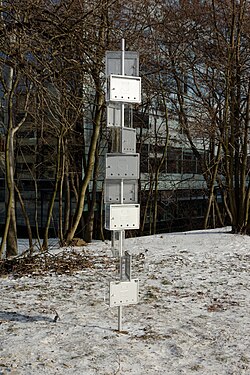
Charter 77 (Charta 77 in Czech and Slovak) was an informal civic initiative in the Czechoslovak Socialist Republic from 1976 to 1992, named after the document Charter 77 from January 1977. Founding members and architects were Jiří Němec, Václav Benda, Ladislav Hejdánek, Václav Havel, Jan Patočka, Zdeněk Mlynář, Jiří Hájek, Martin Palouš, Pavel Kohout, and Ladislav Lis. Spreading the text of the document was considered a political crime by the Czechoslovak government.[1] After the 1989 Velvet Revolution, many of the members of the initiative played important roles in Czech and Slovak politics.
Founding and political aims
Motivated in part by the arrest of members of the rock band the Plastic People of the Universe, the text of Charter 77 was prepared in 1976. The first preparatory meeting took place on 10 December 1976 in Jaroslav Kořán's apartment, and initial signatures were collected.[2][3]
The charter was published on 6 January 1977, along with the names of the first 242 signatories, which represented various occupations, political viewpoints, and religions.[4] Although Václav Havel, Ludvík Vaculík, and Pavel Landovský were detained while trying to bring the charter to the Federal Assembly and the Czechoslovak government, and the original document was confiscated,[5] copies circulated as samizdat and on 7 January were published in several western newspapers, including Le Monde, Frankfurter Allgemeine Zeitung, and The Times, and transmitted within Czechoslovakia by Czechoslovak-banned radio broadcasters like Radio Free Europe and Voice of America. Almost three weeks later, on 27 January, it was also published in The New York Times.[6]
Charter 77 criticized the government for failing to implement the human rights provisions of a number of documents it had signed, including the 1960 Constitution of Czechoslovakia, the Final Act of the 1975 Conference on Security and Cooperation in Europe (Basket III of the Helsinki Accords), and the 1966 United Nationscovenants on political, civil, economic, and cultural rights.[7]:209–212 The document also described the signatories as a "loose, informal, and open association of people . . . united by the will to strive individually and collectively for respect for human and civil rights in our country and throughout the world". It emphasized that Charter 77 is not an organization, has no statutes or permanent organs, and "does not form the basis for any oppositional political activity". This final stipulation was a careful effort to stay within the bounds of the Czechoslovak legal system, which made organized opposition illegal.
Many of the organization's activists and members gathered on 29 March 2007 at the Orange Tree Theatre in Richmond, London, to observe the movement's 30th anniversary and to discuss the historical impact their movement generated in modern European politics.[8]
Reaction of the government
The government's reaction to the appearance of Charter 77 was harsh. The official press described the manifesto as "an anti-state, anti-socialist, and demagogic, abusive piece of writing",[9] and individual signatories were variously described as "traitors and renegades", "a loyal servant and agent of imperialism", "a bankrupt politician", and "an international adventurer".[10] As it was considered to be an illegal document, the full text of Charter 77 was never published in the official press. However, an official group of artists and writers mobilized into an "anti-charter" movement that included Czechoslovakia's foremost singer Karel Gott, as well as prominent comedic writer Jan Werich, who later claimed he was misled about the nature of the document he was signing.
มีการใช้มาตรการตอบโต้หลายวิธีต่อผู้ลงนาม รวมถึงการไล่ออกจากงาน การปฏิเสธโอกาสทางการศึกษาสำหรับบุตรหลาน การเนรเทศโดยบังคับ การสูญเสียสัญชาติ และการกักขัง การพิจารณาคดี และการจำคุก[ 11 ]สมาชิกหลายคนถูกบังคับให้ร่วมมือกับหน่วยข่าวกรองลับของคอมมิวนิสต์ (StB, ภาษาเช็ก: Státní bezpečnost )
การปฏิบัติที่ไม่เป็นธรรมต่อผู้ลงนามในกฎบัตร 77 นำไปสู่การก่อตั้งกลุ่มสนับสนุนในเดือนเมษายน 1978 คือคณะกรรมการเพื่อการปกป้องผู้ถูกดำเนินคดีอย่างไม่เป็นธรรม ( Výbor na obranu nespravedlivě stíhaných – VONS) เพื่อเผยแพร่ชะตากรรมของผู้ที่เกี่ยวข้องกับกฎบัตรดังกล่าว ในเดือนตุลาคม 1979 ผู้นำหกคนของกลุ่มสนับสนุนนี้ รวมถึงวาคลาฟ ฮาเวล ถูกดำเนินคดีในข้อหาบุกรุกและถูกตัดสินจำคุกเป็นเวลาสูงสุดห้าปี
การปราบปรามสมาชิก Charter 77 และ VONS ยังคงดำเนินต่อไปในช่วงทศวรรษ 1980 แม้จะมีการคุกคามและการจับกุมอย่างไม่หยุดหย่อน แต่กลุ่มเหล่านี้ก็ยังคงออกรายงานเกี่ยวกับการละเมิดสิทธิมนุษยชนของรัฐบาลต่อไป จนกระทั่งการปฏิวัติกำมะหยี่ Charter 77 มีผู้ลงนามประมาณ 1,900 คน[ 5 ]
อิทธิพล
ภายใต้รัฐบาลคอมมิวนิสต์ อิทธิพลของกฎบัตร 77 ยังคงมีจำกัด ไม่สามารถเข้าถึงผู้คนในวงกว้าง และสมาชิกส่วนใหญ่มาจากปราก ประชาชนชาวเชโกสโลวาเกียส่วนใหญ่รู้จักความคิดริเริ่มนี้ก็เพราะการรณรงค์ต่อต้านของรัฐบาล[ 12 ]
ในช่วงปลายทศวรรษ 1980 ขณะที่ การปฏิวัติ ในกลุ่มประเทศยุโรปตะวันออกปี 1989กำลังทวีความรุนแรงขึ้น สมาชิกของกลุ่ม Charter 77 มองเห็นโอกาสและเข้ามามีส่วนร่วมมากขึ้นในการจัดตั้งฝ่ายค้านต่อต้านอำนาจรัฐ ในช่วงการปฏิวัติกำมะหยี่สมาชิกของกลุ่มได้เจรจาต่อรองการถ่ายโอนอำนาจทางการเมืองจากระบอบเผด็จการไปสู่ระบอบประชาธิปไตยอย่างราบรื่น หลายคนได้รับการแต่งตั้งให้ดำรงตำแหน่งสูงในรัฐบาล (เช่น วาคลาฟ ฮาเวล กลายเป็นประธานาธิบดีของเชโกสโลวาเกีย) แต่เนื่องจากส่วนใหญ่ไม่มีประสบการณ์ทางการเมือง (เช่น ทักษะด้านการทูตหรือความรู้เกี่ยวกับระบบทุนนิยม ) พวกเขาจึงประสบความสำเร็จบ้างไม่มากก็น้อย
กลุ่ม Charter 77 ประกอบด้วยผู้คนที่มีความคิดเห็นหลากหลาย และหลังจากบรรลุเป้าหมายร่วมกันแล้ว บทบาทของกลุ่มก็ค่อยๆ จางหายไป ความพยายามที่จะทำให้กลุ่มนี้เป็นศูนย์กลางของพรรคการเมืองที่ครอบคลุมทุกด้าน ( Civic Forum ) ล้มเหลว และในปี 1992 โครงการริเริ่มนี้ก็ยุติลง
รายชื่อผู้ลงนาม
มีผู้ลงนามในกฎบัตร 77 จำนวน 1,882 รายที่ทราบชื่อ ได้แก่[ 13 ] [ 14 ]
- มิลาน บาลาบัน
- คาเรล บาร์โตเช็ก
- ยาโรสลาฟ บาชตา
- รูดอล์ฟ บัตเต็ก
- ออตตา เบดนาโรวา
- จาร์มิลา เบลีโคว่า
- วาคลาฟ เบนดา
- รูดอล์ฟ เบเรซา
- พาเวล เบิร์กมันน์
- อีวาน เบียร์ฮันเซิล
- เทเรซา บูชโควา
- วราติสลาฟ บราเบเนค
- โทมัน บรอด
- ฟรานติเช็ก บูบลาน
- วาคลาฟ เชอร์นี
- มิโคลาช ชาดิมา
- วลาสต้า คราโมสโตวา
- เปตร ซิบุลกา
- อีวาน เดจมาล
- Ľudovít Didi
- Jiří Dienstbier
- Luboš Dobrovský
- โบฮูมิล โดเลซาล
- วราติสลาฟ เอฟเฟนเบอร์เกอร์
- แอนนา ฟาโรวา
- Jiří Gruša
- จิริ ฮาเยก
- มิโลช ฮาเยก
- จิริ ฮานัค
- จิริ ฮันเซลก้า
- วาคลาฟ ฮาเวล
- โอลก้า ฮาฟโลวา
- Zbyněk Hejda
- ลาดิสลาฟ เฮจดาเน็ก
- โจเซฟ ฮีร์ชาล
- วลาดิมีร์ ฮูชิน
- ยาโรสลาฟ ฮุตก้า
- ลุดมิลา ยานคอฟโควา
- Zdeněk Jičínský
- อีวาน มาร์ติน จิรูส
- จูเลียนา จิรูโซวา
- พาเวล ยูราเช็ก
- เปตร คาเบช
- เอวา คันตูร์โคว่า
- สวาโตปลุก คาราเซก
- อเล็กซานเดอร์ คลิเมนต์
- วลาดิมีร์ คลอโคชก้า
- มิลาน โคฮูท
- พาเวล โคฮูท
- Jiří Kolář
- โบเซนา โคมาร์โคว่า
- แยน เครน
- František Kriegel
- Jiří Křižan
- อันเดรจ โครบ
- มาร์ตา คูบิโชวา
- มิโรสลาฟ คูซี
- พาเวล แลนดอฟสกี
- มิโรสลาฟ เลห์กี
- František Lízna
- มิลาน มาโชเวค
- วาคลาฟ มาลี
- อีวาน มาเช็ก
- เยเลนา มาชีโนวา
- อีวาน เมเดค
- Zdeněk Mlynář
- ยาน มลินาริก
- ดาน่า เนมโคว่า
- เอดูอาร์ด โอฟชาเช็ก
- มาร์ติน ปาลูช
- ราดิม ปาลูช
- ยาน ปาโตชก้า
- แยน เปตราเน็ก
- ปีเตอร์ พิธาร์ท
- ฮานา โปนิคก้า
- วลาดิมีร์ ปริกาซสกี
- เลนก้า โปรชาซโคว่า
- แจน รัมล์
- พาเวล รีเชตสกี
- ยาโรสลาฟ ชาบาตา
- แอนนา ชาบาโตวา
- Vojtěch Sedláček
- ยาโรสลาฟ ไซเฟิร์ต
- เกอร์ทรูดา เซคานิโนวา-ชาเคอร์ตอวา
- คาโรล ซิดอน
- จิรินา ชิคลอวา
- วลาดิมีร์ ชกูตินา
- โอตาการ์ สลาวิก
- ยาน โซโคล
- Petruška Šustrová
- โดมินิก ทาทาร์กา
- ยาน เทซาร์
- เซเดนา โทมิโนวา
- จาคิม โทโพล
- โจเซฟ โทโพล
- แยน เทรฟุลก้า
- Vlastimil Třešňák
- มิลาน อูห์เด
- ปีเตอร์ อูล
- รูเซนา วาโควา
- Ludvík Vaculík
- แยน โวดนันสกี
- Dáša Vokatá
- อเล็กซานเดอร์ วอนดรา
- จิริ วูล์ฟ
- พาเวล ซาจิเช็ก
รางวัล
ในปี พ.ศ. 2527 Charter 77 ได้รับรางวัล Andrei Sakharov Freedom Awardครั้ง แรก [ 15 ]
ดูเพิ่มเติม
ลิงก์ภายนอก
เนื้อหาของกฎบัตร
- (ภาษาเช็ก) ข้อความประกาศของกฎบัตรฉบับที่ 77
- (เป็นภาษาเช็ก) ข้อความและลายเซ็นของคำประกาศตามกฎบัตร 77 (ต้นฉบับที่สแกนแล้ว)ที่Libri Prohibiti ห้องสมุดวรรณกรรมใต้ดินและวรรณกรรมลี้ภัย
- (ในภาษาอังกฤษ) ข้อความของกฎบัตรฉบับที่ 77ใน: เชโกสโลวาเกีย (อดีต)หอสมุดรัฐสภาสหรัฐอเมริกาแผนกศึกษาประเทศ
- (ภาษาอังกฤษ) คำประกาศกฎบัตรฉบับที่ 77แปลโดย มหาวิทยาลัยจอร์จ เมสัน
อ่านเพิ่มเติม
- การคัดค้านและกิจกรรมอิสระใน: เชโกสโลวาเกีย (อดีต)หอสมุดรัฐสภาด้านประเทศศึกษา
- ลาดีสลาฟ เฮจดาเน็ก (โฆษกของกลุ่มชาร์เตอร์ 77): จดหมายถึงมิตรสหาย ฉบับที่ 1 (ที่มาของกลุ่มชาร์เตอร์ 77)