
สมุทรปาไซ สุลต่านแห่งรัฐ
สมุทรปาไซ สุลต่านแห่งรัฐ كسلتانن سامودرا ڤاساي | |||||||||
|---|---|---|---|---|---|---|---|---|---|
| 1267–1524 | |||||||||
| เมืองหลวง | ปาไซ | ||||||||
| ภาษาทั่วไป | มาเลย์โบราณ | ||||||||
| ศาสนา | อิสลามนิกายซุนนี | ||||||||
| รัฐบาล | ระบอบกษัตริย์ | ||||||||
| สุลต่าน | |||||||||
• 1267–1297 | มาลิก อุล ซาลิห์(ผู้ก่อตั้ง) | ||||||||
• 1514–1517 | ไซนัล อาบิดินที่ 4 (คนสุดท้าย) | ||||||||
| ประวัติศาสตร์ | |||||||||
• พื้นฐาน | 1267 | ||||||||
• การรุกรานของโปรตุเกส | 1521 | ||||||||
• ถูกพิชิตโดยรัฐสุลต่านอาเจะห์ | 1524 | ||||||||
| สกุลเงิน | เหรียญดีร์แฮม | ||||||||
| |||||||||
| วันนี้เป็นส่วนหนึ่งของ | อินโดนีเซีย | ||||||||

| ประวัติศาสตร์ของอินโดนีเซีย |
|---|
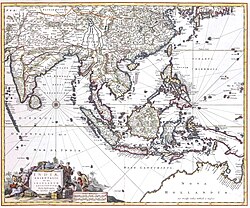 |
| ไทม์ไลน์ |
 Indonesia portal Indonesia portal |
The Samudera Pasai Sultanate (Malay: كسلطانن سامودرا ڤاساي), also known as Samudera or Pasai or Samudera Darussalam or Pacem, was a Muslim kingdom on the north coast of Sumatra from the 13th to the 16th centuries.
Little evidence has been left to allow for historical study of the kingdom.[1] The kingdom was believed to have been founded by Merah Silu, who later converted to Islam and adopted the name Malik ul Salih, in the year 1267 CE.[2] After the 1521 Portuguese invasion, the garrison evacuated Pasai in 1524 and the first Sultan of Aceh, Ali Mughayat Syah, annexed the territory.
Etymology
Based on the fourteenth century chronicle Hikayat Raja-raja Pasai, 'Samudera' can be inferred to have come from the word "Semudera" ([səmudəra]), which meant 'a very large ant'.[3] The name was given by Merah Silu when he discovered an ant as large as a cat while hunting at a 'high ground'.[3] Eventually, the place was cleared for the establishment of a new state and 'Semudera' was adopted as its name.[3]
'Samudera' is also thought to be derived from the Sanskrit word Samudra, which means "ocean."
Literature also indicates the origin of the name 'Pasai' which came from Si-Pasai, the hunting dog of Sultan Malik al Salleh, who was Merah Silu after his conversion to Islam.[3][4] The legend narrates that Malik, while hunting with the dog, encountered a deer which was not afraid of the dog's barking but instead barked back. He was bewildered by this and thought that this might be a good sign for the place to be established as a new state for his son, Malik Al Tahir.[4] The dog died soon after the kingdom was founded, and Malik chose to bury him there, naming the kingdom Pasai after him.[4]
In the 14th century, the Italian traveller Odoric of Pordenone used the name Sumoltra for Samudra, and subsequent European writers also used similar forms of the name to refer to the Sumatra island itself.[5][6]
History
จารึกที่เก่าแก่ที่สุดที่พบในยุคนี้คือศิลาจารึกหลุมศพของอิบนูมะห์มุดในเลาบ็อก ตูเว เมอราห์ มูเลียจังหวัดอาเจะห์เหนือ ศิลาจารึกนี้มีอายุตั้งแต่เดือนซุลฮิจญะฮ์ค.ศ. 622 หรือ ค.ศ. 1226 จารึกดังกล่าวระบุว่าอิบนูมะห์มุดเป็น ผู้ พลีชีพ[ 7 ]
ชาวมุสลิมอาหรับและอินเดีย ทำการค้าในอินโดนีเซียและจีนมาหลายศตวรรษ สุสานมุสลิมแห่งหนึ่งในชวา ตะวันออก มีวันที่ระบุไว้ตรงกับปี 1082 แต่หลักฐานสำคัญของศาสนาอิสลามในอินโดนีเซียเริ่มขึ้นในสุมาตรา ตอนเหนือ ในช่วงปลายศตวรรษที่ 13 เท่านั้น อาณาจักรการค้ามุสลิมขนาดเล็กสองแห่งมีอยู่แล้วในเวลานั้น ได้แก่ ปาไซและเปอูรูลักหรือเปร์ลัก สุสานหลวงที่ซามูเดราสร้างขึ้นในปี 1297 มีจารึกเป็นภาษาอาหรับ ทั้งหมด ในศตวรรษที่ 15 อาณาจักรท่าเรือหลายแห่งพัฒนาขึ้น โดยปกครองโดยเจ้าชายมุสลิมท้องถิ่น ตั้งแต่ชายฝั่งทางเหนือของชวาและที่อื่นๆ ไปจนถึงทางตะวันออกไกลถึงเทอร์นาเตและติโดเรในหมู่เกาะมาลุกูมาร์โค โปโล ใช้เวลาอยู่ที่นี่ห้าเดือน เขาได้กล่าวถึงเฟอร์เลก บาสมา และซามารา (ซามูเดรา ) ในบันทึกการเดินทางของเขา นักเดินทางที่มีชื่อเสียงอีกคนหนึ่งคืออิบน์ บัตตูตาระหว่างเดินทางไปจีนได้พักอยู่ที่ซามูเดราเป็นเวลา 15 วัน[ 8 ]

การก่อตั้งศูนย์กลางมุสลิมแห่งแรกในอินโดนีเซียอาจเป็นผลมาจากปัจจัยทางการค้า ในศตวรรษที่ 13 การล่มสลายของอาณาจักรศรีวิชัย ดึงดูดพ่อค้าต่างชาติให้มายังท่าเรือบนชายฝั่งทางเหนือของเกาะสุมาตราใน อ่าวเบงกอลซึ่งปลอดภัยจากแหล่งโจรสลัดทางตอนใต้ของช่องแคบมะละกาสุมาตราเหนือมีพื้นที่ตอนในอุดมไปด้วยทองคำและผลผลิตจากป่า และ มีการปลูก พริกไทย ตั้งแต่ต้นศตวรรษที่ 15 จึงเป็น สถาน ที่ที่พ่อค้าจากทั่วหมู่เกาะสามารถเข้าถึงได้ง่าย เนื่องจากพวกเขาต้องการพบปะกับเรือจากมหาสมุทรอินเดีย
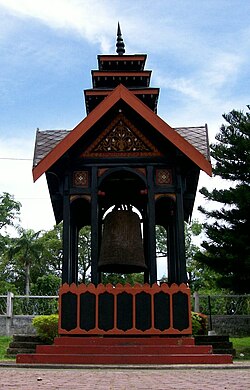
In the year 1345, Ibn Battuta, a Moroccan traveller visited Samudra Pasai where he notes in his travel log that the ruler of Samudera Pasai was a pious Muslim, who performed his religious duties in utmost zeal. The madh'hab he observed was Imam Al-Shafi'i. At that time Samudera Pasai was the end of Dar al-Islam for no territory east of this was ruled by a Muslim ruler. He praised the kindness and hospitality demonstrated by the sultan of Samudera Pasai. Here he stayed for about two weeks in the wooden walled town as a guest of the sultan, and then the sultan provided him with supplies and sent him on his way on one of sultan's own junks to China.[10]
By the 13th century, Muslim merchants and religious scholars from the Samudera Pasai Sultanate reached the southern Philippine islands, including Basilan and Sulu, through regional maritime trade networks connecting Sumatra with Borneo and the Sulu Sea. Through these contacts, Samudra-Pasai contributed to the introduction and early spread of Islam in these communities.[11][12]
The Hongwu Emperor of China's Ming dynasty listed Samudera in his admonition the Huang-Ming Zuxun as one of 14 countries which the Ming should not launch a military campaign against.[13] By the end of the 14th century, Samudra-Pasai had become a wealthy commercial centre, giving way in the early 15th century to the better protected harbour of Malacca on the south-west coast of the Malay Peninsula. Majapahit attacked and looted the place in the middle of the 14th century.[14]
อำนาจทางเศรษฐกิจและการเมืองของปาไซขึ้นอยู่กับชาวต่างชาติเกือบทั้งหมด พ่อค้าและครูชาวมุสลิมอาจมีส่วนร่วมในการบริหารตั้งแต่เริ่มต้น และจำเป็นต้องนำเอาแนวปฏิบัติทางศาสนาที่ทำให้พวกเขารู้สึกคุ้นเคยเข้ามาใช้ ดินแดนชายฝั่งแห่งแรกของชาวมุสลิมในอินโดนีเซีย โดยเฉพาะปาไซ เป็นผลงานสร้างสรรค์ของชาวมุสลิมอย่างแท้จริงในระดับหนึ่ง ซึ่งได้รับความจงรักภักดีจากประชากรท้องถิ่นและส่งเสริมกิจกรรมทางวิชาการ อาณาจักรท่าเรือใหม่ที่คล้ายกันนี้เกิดขึ้นบนชายฝั่งทางเหนือของเกาะชวาโทเม ปิเรสผู้เขียนหนังสือสุมาโอเรียนทัลซึ่งเขียนขึ้นไม่นานหลังจากปี 1511 เน้นย้ำถึงต้นกำเนิดทางชาติพันธุ์ที่ไม่ชัดเจนของผู้ก่อตั้งเมืองซีเรบอนเดมัก จาปาราและเกรซิกรัฐชายฝั่งชวาเหล่านี้ทำการค้ากับอินเดียและจีน และโดยเฉพาะอย่างยิ่งกับมะละกา ซึ่งเป็นผู้นำเข้าข้าว จากชวา ผู้ปกครองมะละกา แม้จะมีต้นกำเนิดจากราชวงศ์ศรีวิชัยอันทรงเกียรติ ก็ยอมรับศาสนาอิสลามเพื่อดึงดูดพ่อค้าชาวมุสลิมและชาวชวามายังท่าเรือของตน Pires ยังกล่าวอีกว่าในขณะที่ปาไซเคยเป็นคู่แข่งทางการค้าที่สำคัญกับมะละกา แต่หลังจากกลางศตวรรษที่ 15 กิจกรรมทางการค้าส่วนใหญ่ก็ตกเป็นของมะละกา[ 15 ]
ชาวโปรตุเกสเข้ายึดครองปาไซในปี พ.ศ. 2464 10 ปีหลังจากที่พวกเขายึดครองมะละกาได้สำเร็จ สถานที่แห่งนี้เป็นที่รู้จักในยุโรปในชื่อปาเซมผ่าน ทางชาวโปรตุเกส [ 16 ]กองทหารโปรตุเกสถอนตัวออกจากปาไซในปี พ.ศ. 2467 และสุลต่านองค์แรกของอาเจะห์อาลีมูฆัยัต ซยาห์ได้ผนวกดินแดนนี้เข้าเป็นส่วนหนึ่งของตน[ 17 ]
รายชื่อผู้ปกครอง
ต่อไปนี้คือรายชื่อผู้ปกครองที่ปกครองรัฐสุลต่านซามูเดราปาไซ: [ 18 ] [ 19 ]
| ระยะเวลา | ชื่อของสุลต่านหรือเกลาร์ | หมายเหตุและเหตุการณ์สำคัญทางประวัติศาสตร์ |
|---|---|---|
| 1267–1297 | สุลต่านมาลิกุสซาเลห์ (เมอราห์ ซีลู) | ผู้ก่อตั้งอาณาจักรสมุทรปาไซ |
| 1297–1326 | สุลต่านมูฮัมหมัด มาลิกุซซาฮีร์ | มีการนำเหรียญทองมาใช้ |
| 1326–1340 | สุลต่านอะห์มัด มาลิกุซซาฮีร์ | อิบ นู บาตูตาห์เคยมาเยือน |
| 1340–1355 | มาลิก ซาลาฮุดดิน | โจมตี อาณาจักร การางบารูตะเมียง |
| 1360–1369 | มาลิกุซซาฮีร์ | |
| 1360/69–1380/89 | มาลิกาห์ วาบิซา (นูร์ อิลาห์) | จารึกมินเย ตูโจ |
| 1394–1400 | สุลต่านไซนัลอาบิดินที่ 1 | โจมตีโดยอาณาจักรมาจาปาฮิต |
| ค.ศ. 1406–1428 | สุลต่านาห์ นาห์ราสิยาห์ | ยุครุ่งเรืองของสมุทรปาไซ |
| 1428–1438 | สุลต่านไซนัลอาบิดินที่ 2 | |
| ค.ศ. 1438–1462 | สุลต่านชาลาฮุดดิน | |
| 1462–1464 | สุลต่านอะห์หมัดที่ 2 | |
| 1464–1466 | สุลต่านอบูซาอิดอะห์มัดที่ 3 | |
| 1466–1466 | สุลต่านอะห์หมัดที่ 4 | |
| 1466–1468 | สุลต่านมาห์มุด | |
| 1468–1474 | สุลต่านไซนัลอาบิดินที่ 3 | ถูกโค่นล้มโดยพี่ชายของเขา |
| ค.ศ. 1474–1495 | สุลต่านมูฮัมหมัด ชะฮ์ที่ 2 | |
| 1495–1495 | สุลต่านอัลกามิล | |
| ค.ศ. 1495–1506 | สุลต่านอัดลุลลาห์ | |
| 1506–1507 | สุลต่านมูฮัมหมัด ชะฮ์ที่ 3 | มีสุสานสองแห่ง |
| 1507–1509 | Sultan Abdullah | |
| 1509–1514 | Sultan Ahmad V | Capture of Malacca (1511) |
| 1514–1517 | Sultan Zainal Abidin IV |
Family tree
| Family tree of Samudera Pasai Monarchs[20][21] | ||||||||||||||||||||||||||||||||||||||||||||||||||||||||||||||||||||||||||||||||||||||||||||||||||||||||||||||||||||||||||||||||||||||||||||||||||||||||||||||||||||||||||||||||||||||||||||||||||||||||||||||||||||||||||||||||||||||||||||||||||||||||||||||||||||||||||||||||||||||||||||||||||||||||||||||||||||||||||||||||||||||||||||||||||||||||||||||||||||||||||||||||||||||||||||||||||||||||||||||||||||||||||||||||||||||||||||||||||||||||||||||||||||||||||||||||||||||||||||||||||||||||||||||||||||||||||||||||||||||||||||||||||||||||||||||||||||||||||||||||||||||||||||||||||||||||||||||||||||||||||||||||||||||||||||||||||||||||||||||||||||||||||||||||||||||||||||||||||||||||||
|---|---|---|---|---|---|---|---|---|---|---|---|---|---|---|---|---|---|---|---|---|---|---|---|---|---|---|---|---|---|---|---|---|---|---|---|---|---|---|---|---|---|---|---|---|---|---|---|---|---|---|---|---|---|---|---|---|---|---|---|---|---|---|---|---|---|---|---|---|---|---|---|---|---|---|---|---|---|---|---|---|---|---|---|---|---|---|---|---|---|---|---|---|---|---|---|---|---|---|---|---|---|---|---|---|---|---|---|---|---|---|---|---|---|---|---|---|---|---|---|---|---|---|---|---|---|---|---|---|---|---|---|---|---|---|---|---|---|---|---|---|---|---|---|---|---|---|---|---|---|---|---|---|---|---|---|---|---|---|---|---|---|---|---|---|---|---|---|---|---|---|---|---|---|---|---|---|---|---|---|---|---|---|---|---|---|---|---|---|---|---|---|---|---|---|---|---|---|---|---|---|---|---|---|---|---|---|---|---|---|---|---|---|---|---|---|---|---|---|---|---|---|---|---|---|---|---|---|---|---|---|---|---|---|---|---|---|---|---|---|---|---|---|---|---|---|---|---|---|---|---|---|---|---|---|---|---|---|---|---|---|---|---|---|---|---|---|---|---|---|---|---|---|---|---|---|---|---|---|---|---|---|---|---|---|---|---|---|---|---|---|---|---|---|---|---|---|---|---|---|---|---|---|---|---|---|---|---|---|---|---|---|---|---|---|---|---|---|---|---|---|---|---|---|---|---|---|---|---|---|---|---|---|---|---|---|---|---|---|---|---|---|---|---|---|---|---|---|---|---|---|---|---|---|---|---|---|---|---|---|---|---|---|---|---|---|---|---|---|---|---|---|---|---|---|---|---|---|---|---|---|---|---|---|---|---|---|---|---|---|---|---|---|---|---|---|---|---|---|---|---|---|---|---|---|---|---|---|---|---|---|---|---|---|---|---|---|---|---|---|---|---|---|---|---|---|---|---|---|---|---|---|---|---|---|---|---|---|---|---|---|---|---|---|---|---|---|---|---|---|---|---|---|---|---|---|---|---|---|---|---|---|---|---|---|---|---|---|---|---|---|---|---|---|---|---|---|---|---|---|---|---|---|---|---|---|---|---|---|---|---|---|---|---|---|---|---|---|---|---|---|---|---|---|---|---|---|---|---|---|---|---|---|---|---|---|---|---|---|---|---|---|---|---|---|---|---|---|---|---|---|---|---|---|---|---|---|---|---|---|---|---|---|---|---|---|---|---|---|---|---|---|---|---|---|---|---|---|---|---|---|---|---|---|---|---|---|---|---|---|---|---|---|---|---|---|---|---|---|---|---|---|---|---|---|---|---|---|---|---|---|---|---|---|---|---|---|---|---|---|---|---|---|---|---|---|---|---|---|---|---|---|---|---|---|---|---|---|---|---|---|---|---|---|---|---|---|---|---|---|---|---|---|---|---|---|---|---|---|---|---|---|---|---|---|---|---|---|---|---|---|---|---|---|---|---|---|---|---|---|---|---|---|---|---|---|---|---|---|---|---|---|---|---|---|---|---|---|---|---|---|---|---|
| ||||||||||||||||||||||||||||||||||||||||||||||||||||||||||||||||||||||||||||||||||||||||||||||||||||||||||||||||||||||||||||||||||||||||||||||||||||||||||||||||||||||||||||||||||||||||||||||||||||||||||||||||||||||||||||||||||||||||||||||||||||||||||||||||||||||||||||||||||||||||||||||||||||||||||||||||||||||||||||||||||||||||||||||||||||||||||||||||||||||||||||||||||||||||||||||||||||||||||||||||||||||||||||||||||||||||||||||||||||||||||||||||||||||||||||||||||||||||||||||||||||||||||||||||||||||||||||||||||||||||||||||||||||||||||||||||||||||||||||||||||||||||||||||||||||||||||||||||||||||||||||||||||||||||||||||||||||||||||||||||||||||||||||||||||||||||||||||||||||||||||
Historical heritage
The discovery of the tomb of Sultan Malik as-Saleh (696 H or 1267 AD), was referred to by historians as a sign that Islam had entered the Archipelago around the 13th century. Although there is an opinion that the possibility of Islam has come earlier than that. The story of the Pasai Kings is indeed full of myths and legends but the description of the story has helped in uncovering the dark side of history of the existence of this kingdom. The kingdom's past glory has inspired its people to re-use the name of the founder of this kingdom for the University of Malikussaleh in Lhokseumawe.
See also
อ่านเพิ่มเติม
- Hall, Kenneth R. (1981). " การค้าและการปกครองในหมู่เกาะตะวันตกในช่วงรุ่งอรุณของยุคยุโรป" วารสารสาขามาเลเซียของราชสมาคมเอเชียติก 54 ( 1): 21– 47. JSTOR 41492897
- ฮอลล์, เคนเนธ อาร์. (2010). ประวัติศาสตร์เอเชียตะวันออกเฉียงใต้ตอนต้น: การค้าทางทะเลและการพัฒนาสังคม ค.ศ. 100–1500 . พลีมัธ สหราชอาณาจักร: โรว์แมน แอนด์ ลิตเติลฟิลด์. ISBN 978-0-7425-6761-0.
- Hill, AH (1963). "การเข้ามาของศาสนาอิสลามในสุมาตราเหนือ". วารสารประวัติศาสตร์เอเชียตะวันออกเฉียงใต้ . 4 (1): 6– 21. doi : 10.1017/S0217781100000739 . JSTOR 20067418 .