
โรงเรียนจิตวิทยาชิคาโก
 โรงเรียนแห่งแรกด้านการบำบัดโดยการชี้นำในอเมริกา | |
| พิมพ์ | โรงเรียนเอกชนเฉพาะทางที่ เชี่ยวชาญด้าน การบำบัดด้วยการชี้นำและการสะกดจิต |
|---|---|
| คล่องแคล่ว | มิถุนายน 1896 – พฤศจิกายน1906 |
| ผู้ก่อตั้ง | เฮอร์เบิร์ต เอ. พาร์คิน |
| ประธาน | เจมส์ พาร์คิน |
| นักเรียน | มากกว่า 1,000 |
| ที่ตั้ง | 4020 ถนนเดร็กเซล ,,, |
| วิทยาเขต | |
 | |
โรงเรียนจิตวิทยาชิคาโกก่อตั้งโดย ดร. เฮอร์เบิร์ต เอ. พาร์คินในเดือนมิถุนายน ค.ศ. 1896 และเป็นสถาบันแห่งแรกในสหรัฐอเมริกาที่สอนการประยุกต์ใช้ทางวิทยาศาสตร์และทางคลินิกของการบำบัดด้วยการชักจูงและการสะกดจิตเกิดขึ้นในช่วงเวลาที่การสะกดจิตยังคงถูกมองว่าเป็นเรื่องแปลกประหลาดหรือการแสดงบนเวที โรงเรียนแห่งนี้ได้สร้างแนวทางทางการแพทย์ที่มีระเบียบวินัยในเรื่องนี้ และกลายเป็นศูนย์กลางหลักของการทดลองเกี่ยวกับการชักจูงด้วยการสะกดจิต ในอเมริกา วิธีการของโรงเรียนมีรากฐานมาจากระบบของโรงเรียนแนนซีในฝรั่งเศสแต่ได้ขยายออกไปไกลกว่านั้นผ่านการทดสอบทางคลินิกและการประยุกต์ใช้ในทางปฏิบัติอย่างกว้างขวาง
จุดเด่นสำคัญของโรงเรียนชิคาโกคือคลินิกสาธารณะฟรีที่นักศึกษาและแพทย์ทำการรักษาผู้ป่วยโดยใช้เพียงการชักจูงด้วยวาจาโดยไม่ใช้ยา การรักษาเหล่านี้แสดงให้เห็นถึงผลลัพธ์ที่เป็นรูปธรรมของการบำบัดด้วยการชักจูง และเป็นพื้นฐานเชิงทดลองสำหรับการสอนของโรงเรียน โรงเรียนแห่งนี้ได้รับการยอมรับว่าเป็นสถาบันแม่ของการบำบัดด้วยการชักจูงในอเมริกา และดูแลโรงเรียนในเครืออีกหลายสิบแห่งทั่วสหรัฐอเมริกาและแคนาดา มีนักศึกษามากกว่าหนึ่งพันคนได้รับการฝึกอบรมและได้รับปริญญาดุษฎีบัณฑิตสาขาจิตวิทยาจากโรงเรียนแห่งนี้ โดยประมาณหนึ่งในสามเป็นผู้หญิง และมีผู้สำเร็จการศึกษาชาวแอฟริกันอเมริกันหลายคน
บัณฑิตจำนวนมากจากสถาบันนี้ได้ก่อตั้งโรงเรียนในเครือของตนเอง หรือกลายเป็นครู นักเขียน และผู้ปฏิบัติงานที่มีอิทธิพลใน ขบวนการ ความคิดใหม่และจิตวิทยาใหม่ที่กำลังเกิดขึ้น บุคคลที่มีชื่อเสียงที่สุดบางส่วน ได้แก่วิลเลียม วอล์คเกอร์ แอตกินสัน , ซิดนีย์ บลานชาร์ด ฟลาวเวอร์, สแตนลีย์ เลอเฟฟร์ เคร็บส์และอี. เวอร์จิล นีลผ่านงานเขียน การบรรยาย และการก่อตั้งศูนย์การเรียนรู้และศูนย์คลินิกใหม่ๆ บัณฑิตจำนวนมากจากโรงเรียนจิตวิทยาชิคาโกได้เผยแพร่วิธีการและปรัชญาของสถาบันไปทั่วสหรัฐอเมริกา ทำให้สถาบันนี้เป็นแหล่งสำคัญของพัฒนาการด้านการบำบัดด้วยการชี้นำสมัยใหม่และจิตวิทยาประยุกต์ในยุคแรกๆ ของอเมริกา
การก่อตั้งและองค์กร

โรงเรียนจิตวิทยาชิคาโกก่อตั้งโดย ดร. เฮอร์เบิร์ต อาร์เธอร์ พาร์คินแพทย์ชาวแคนาดาผู้ได้รับการฝึกฝนมาอย่างดี ซึ่งได้ผสมผสานการศึกษาทางการแพทย์อย่างเป็นทางการเข้ากับความสนใจอย่างลึกซึ้งในพลังของจิตใจ หลังจากได้รับปริญญาแพทยศาสตร์จากมหาวิทยาลัยควีนส์ในคิงส์ตัน รัฐออนแทรีโอในปี 1892 เขาได้ศึกษาต่อในระดับบัณฑิตศึกษาที่มหาวิทยาลัยแมคกิลล์และมหาวิทยาลัยโทรอนโตซึ่งเขาเริ่มสำรวจการสะกดจิตและวิทยาศาสตร์แห่งการชักจูงที่กำลังพัฒนา[ 1 ] [ 2 ]ในฐานะนักกีฬาของวิทยาลัยที่มีชื่อเสียงทั้งในกีฬาฟุตบอลและฮอกกี้ พาร์คินได้นำความมุ่งมั่นและวินัยเดียวกันนี้มาใช้ในงานทางการแพทย์และจิตวิทยาของเขา[ 3 ] [ 4 ] ในปี 1894 เขาได้ย้ายไปมินนิอาโพลิสเพื่อร่วม งานกับ ดร. ดับเบิลยู. ซาเวียร์ ซัดดัท คณบดีคณะทันตแพทยศาสตร์แห่งมหาวิทยาลัยมินนิโซตา [ 5 ]ในการทดลองบุกเบิกด้านการสะกดจิตและการบำบัดด้วยการชักจูง พวกเขาได้รับอนุญาตจากอธิการบดีของมหาวิทยาลัยให้เริ่มทำการ ทดลองการ สะกดจิตภายในคลินิกประจำวันของแผนกการแพทย์ นี่จะเป็นคลินิกสาธารณะแห่งแรกในประเทศที่ใช้การสะกดจิตในการรักษา ความร่วมมือและการวิจัยนี้นำไปสู่การก่อตั้งโรงเรียนจิตวิทยาชิคาโกโดยตรง[ 2 ] [ 1 ] [ 6 ] [ 7 ] [ 8 ] [ 9 ] [ 10 ] [ 11 ] [ 12 ] [ 13 ] [ 14 ] [ 15 ] [ 16 ] [ 17 ]
![เจมส์ พาร์คิน นักการเงินและอธิการบดีของโรงเรียน [ภาพที่ขยายขนาดด้วย AI]](https://img.hmn.in.th/wikipedia/commons/thumb/6/65/Portrait_of_James_Parkyn.png/250px-Portrait_of_James_Parkyn.png) เจมส์ พาร์คิน นักการเงินและอธิการบดีของโรงเรียน
เจมส์ พาร์คิน นักการเงินและอธิการบดีของโรงเรียน![ดร. เฮอร์เบิร์ต เอ. พาร์คิน ผู้ก่อตั้งและผู้อำนวยการโรงเรียน [ภาพที่ขยายขนาดด้วย AI]](https://img.hmn.in.th/wikipedia/commons/thumb/4/49/A_photo_of_Dr._Herbert_A_Parkyn_from_his_1900_book_on_Suggestive_Therapeutics.png/250px-A_photo_of_Dr._Herbert_A_Parkyn_from_his_1900_book_on_Suggestive_Therapeutics.png) ดร. เฮอร์เบิร์ต เอ. พาร์คิน ผู้ก่อตั้งและผู้อำนวยการโรงเรียน
ดร. เฮอร์เบิร์ต เอ. พาร์คิน ผู้ก่อตั้งและผู้อำนวยการโรงเรียน
โรงเรียนได้รับเงินทุนจากเจมส์ พาร์คิน บิดาของเขา ซึ่งย้ายจากโตรอนโตมายังชิคาโกในช่วงต้นปี 1896 พร้อมกับภรรยาและลูกสาวสองคนเพื่อสนับสนุนกิจการของเฮอร์เบิร์ต ครอบครัวอาศัยอยู่ในชั้นบนของอาคารเรียน และเจมส์ พาร์คินดำรงตำแหน่งเป็นประธานของโรงเรียน ต่อมาโรงเรียนได้จดทะเบียนเป็นนิติบุคคลในเดือนมีนาคม พ.ศ. 2440 [ 18 ] [ 19 ] [ 20 ] [ 21 ]
ซิดนีย์ บลานชาร์ด ฟลาวเวอร์ ผู้ใกล้ชิดกับพาร์กินและผู้ร่วมเขียนหนังสือHypnotism Up to Dateในปี 1895 [ 22 ] [ 23 ]ทำหน้าที่เป็นเลขานุการ นักประชาสัมพันธ์ และผู้จัดการธุรกิจของโรงเรียนชิคาโก ขณะเดียวกันก็เป็นบรรณาธิการวารสารในเครือThe Hypnotic Magazine ด้วย ฟลาวเวอร์จะกลายเป็นหนึ่งในผู้จัดพิมพ์ชั้นนำใน ขบวนการ ความคิดใหม่ในเวลาต่อมา นิตยสารนี้ทำหน้าที่เป็นสื่อที่ไม่เป็นทางการของโรงเรียนและเป็นวารสารอเมริกันฉบับแรกที่อุทิศให้กับการสะกดจิตทางวิทยาศาสตร์และการบำบัดด้วยการชักจูง แต่ละฉบับประกอบด้วยรายงานโดยละเอียดจากพาร์กินเกี่ยวกับกรณีทางคลินิกล่าสุดของเขา โดยบันทึกการประยุกต์ใช้การชักจูงในการรักษาความผิดปกติทางร่างกายและระบบประสาท บันทึกกรณีเหล่านี้กลายเป็นแหล่งข้อมูลที่สำคัญสำหรับแพทย์และนักศึกษาทั่วโลก โดยให้หลักฐานที่เป็นระบบเกี่ยวกับผลลัพธ์ที่เป็นรูปธรรมที่สามารถบรรลุได้ผ่านการรักษาทางจิตวิทยาโดยใช้การชักจูง[ 14 ] [ 24 ] [ 25 ]
![ซิดนีย์ บี. ฟลาวเวอร์ เลขานุการและประชาสัมพันธ์ของโรงเรียน [ภาพที่ขยายขนาดด้วย AI]](https://img.hmn.in.th/wikipedia/commons/thumb/f/f0/Sydney_Blanshard_Flower.png/250px-Sydney_Blanshard_Flower.png) ซิดนีย์ บี. ฟลาวเวอร์ เลขานุการและประชาสัมพันธ์ของโรงเรียน
ซิดนีย์ บี. ฟลาวเวอร์ เลขานุการและประชาสัมพันธ์ของโรงเรียน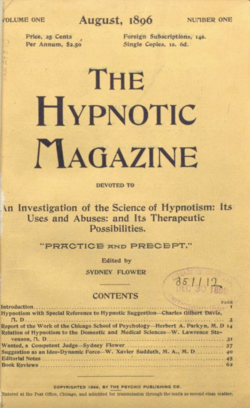 นิตยสาร Hypnotic Magazine บรรณาธิการโดย ซิดนีย์ ฟลาวเวอร์
โรงเรียนจิตวิทยาชิคาโกได้รับการยอมรับอย่างรวดเร็วในด้านความเป็นมืออาชีพและความถูกต้องทางวิทยาศาสตร์ โดยแยกตัวออกจากการนำเสนอเรื่องการสะกดจิตที่เกินจริงซึ่งเป็นที่นิยมในขณะนั้น การสอนเน้นการประยุกต์ใช้การบำบัดด้วยการชักจูงอย่างเป็นรูปธรรมในฐานะสาขาหนึ่งของวิทยาศาสตร์การแพทย์ โรงเรียนสอนว่าจิตใจสามารถมีอิทธิพลต่อการทำงานของร่างกายทุกส่วน และสุขภาพขึ้นอยู่กับการรักษาสมดุลระหว่างการโฟกัสของจิตใจและกระบวนการทางกายภาพ การใช้การชักจูงอย่างระมัดระวังจะช่วยให้การฟื้นตัวเกิดขึ้นได้โดยการชี้นำความคิดเพื่อฟื้นฟูสมดุลตามธรรมชาติของร่างกาย[ 26 ]
หลักการพื้นฐาน

หลักการสำคัญของสำนักจิตวิทยาชิคาโก ตามที่ Parkyn ได้สรุปไว้ในปี พ.ศ. 2449 นั้น มุ่งเน้นไปที่แนวคิดที่ว่าประสิทธิภาพของระบบการรักษาทั้งหมดขึ้นอยู่กับพื้นฐานเพียงประการเดียว นั่นคือ "พลังของจิตใจที่จะช่วยเหลือตนเอง และด้วยเหตุนี้จึงช่วยเหลือร่างกาย" พลังนี้ถูกระบุว่าเป็นความสามารถโดยกำเนิดของมนุษย์ "ส่วนหนึ่งของธรรมชาติอันศักดิ์สิทธิ์ซึ่งเป็นสิทธิโดยกำเนิดของมนุษย์ทุกคน" และระบุว่ามันทำงานอย่างอิสระจากความเชื่อทางศาสนา โดย "มีความสมบูรณ์แบบในผู้ที่ไม่เชื่อ ในพระเจ้า เช่นเดียวกับในผู้ที่คลั่งไคล้ศาสนา" [ 27 ]
โรงเรียนชิคาโกสอนว่าการแนะนำจะมีประสิทธิภาพก็ต่อเมื่อจิตใจของผู้ป่วยสอดคล้องกับการรักษา โดยอธิบายว่าความล้มเหลวเกิดขึ้นเมื่อขาดการเปิดรับทางจิตใจหรือความมั่นใจ หรือเมื่อความผิดปกติเป็นทางกายภาพอย่างแท้จริงและต้องได้รับการแทรกแซงทางการแพทย์หรือวัสดุโดยตรง จุดนี้ได้รับการเน้นย้ำเพื่อให้ชัดเจนว่าโรงเรียนชิคาโกไม่ได้ต่อต้านยาหรือการรักษาทางการแพทย์แบบดั้งเดิมเมื่อมาตรการดังกล่าวมีความจำเป็นอย่างแท้จริง[ 27 ]
"ไม้เท้าของแอรอน" แห่งวิทยาศาสตร์การแพทย์

การบำบัดแบบชี้นำถูกอธิบายว่าเป็น " ไม้เท้าของอาโรนแห่งวิทยาศาสตร์การแพทย์" โดยยืนยันว่าจิตวิทยามีอยู่ในทุกระบบการรักษาที่มีประสิทธิภาพ และไม่มีวิธีการรักษาใดจะสมบูรณ์ได้หากปราศจากความเข้าใจในกฎของจิตใจ พาร์คินวิจารณ์ทั้งแพทย์แผนโบราณที่ละเลยพลังการฟื้นฟูตามธรรมชาติของร่างกาย และ ผู้รักษา แบบอภิปรัชญาที่ปฏิเสธการใช้ยาอย่างถูกต้อง โดยกล่าวว่า "คนฉลาดคือผู้ที่ปรับเปลี่ยนทุกสิ่งให้เป็นประโยชน์ต่อการพัฒนาความดี" [ 27 ]
จุดประสงค์ของโรงเรียนจิตวิทยาชิคาโกคือการสอนผู้ป่วยให้รู้จักใช้พลังจิตของตนเองอย่างเป็นรูปธรรม โดยระบุว่าโรงเรียนจะสอนบุคคลต่างๆ เกี่ยวกับ "วิธีการรักษาตนเอง" โดยการวางร่างกายให้อยู่ในสภาพจิตใจที่เหมาะสมเพื่อให้ธรรมชาติฟื้นฟูอย่างสมบูรณ์ โรงเรียนเน้นย้ำว่าพลังจิตเพียงอย่างเดียวไม่สามารถพึ่งพาได้ในทุกกรณี โดยยกตัวอย่างว่าหาก "มือของคนๆ หนึ่งสกปรก ศรัทธาทั้งหมดในโลกก็ไม่อาจชำระล้างมันได้" และวิธีการทางกายภาพยังคงจำเป็น ในทำนองเดียวกัน ร่างกายถูกเปรียบเทียบกับทางรถไฟไฟฟ้าซึ่งสมองเป็นไดนาโมและอวัยวะต่างๆ เป็นรถราง หากปัญหาอยู่ที่ไดนาโม จำเป็นต้องได้รับการรักษาทางจิตวิทยา แต่หากสิ่งกีดขวางเป็นกลไก ต้องใช้การรักษาทางกายภาพเฉพาะที่ โดยระบุว่า "จิตวิทยาและการแพทย์ร่วมกันนั้นแทบจะไม่มีใครเอาชนะได้ และฝ่ายหนึ่งทำหน้าที่เป็นตัวสนับสนุนและค้ำจุนอีกฝ่ายหนึ่ง" [ 27 ]
หลักสูตรและการรับรอง

โรงเรียนแห่งนี้เปิดสอนหลักสูตรที่มีโครงสร้างเกี่ยวกับวิธีการบำบัดโดยใช้คำแนะนำ ซึ่งดึงดูดนักเรียนจากทั่วประเทศ หลักสูตรในแต่ละเดือนประกอบด้วยการบรรยาย 12 ครั้งและการฝึกปฏิบัติทางคลินิก 6 ครั้ง พร้อมทั้งมีการสอนทางคลินิกเพิ่มเติมในระหว่างการรักษาผู้ป่วย นักเรียนของโรงเรียนส่วนใหญ่เป็นแพทย์ ทันตแพทย์ และนักการศึกษาที่ปฏิบัติงานอยู่แล้ว ซึ่งต้องการศึกษาเกี่ยวกับวิธีการรักษาทางจิตวิทยาที่ไม่ต้องพึ่งพายา[ 28 ]
คลินิกสาธารณะ "ฟรี"
จุดเด่นสำคัญของสถาบันนี้คือคลินิกสาธารณะฟรี ซึ่งเปิดให้บริการสามเช้าต่อสัปดาห์ ผู้ป่วยมาจากชิคาโกและเมืองอื่นๆ ที่อยู่ห่างไกล รวมถึงแพทย์ที่มาเยี่ยมเยียนซึ่งมักจะมาสังเกตอาการหรือนำผู้ป่วยเรื้อรังของตนเองมาด้วย คลินิกมีผู้ป่วยเฉลี่ย 25 รายต่อรอบการรักษา ทุกกรณีได้รับการรักษาโดยใช้คำแนะนำด้วยวาจาเท่านั้น โดยไม่มีการใช้ยาหรือไฟฟ้าควบคู่ไปด้วย บันทึกของคลินิกแสดงให้เห็นอัตราความสำเร็จที่สูง การรักษาดำเนินการโดยใช้คำแนะนำด้วยวาจา โดยผู้ป่วยนั่งหรือนอน และโดยปกติแล้วจะไม่ใช้การสะกดจิตอย่างลึกซึ้ง เน้นการใช้คำแนะนำแบบ "ปกติ" หรือคำแนะนำขณะตื่น[ 29 ] [ 26 ] [ 30 ] [ 31 ] [ 32 ]
คำแนะนำ

การเรียนการสอนที่คลินิกเน้นการปฏิบัติจริง โดยนักศึกษาจะได้สังเกตการรักษาจริงและมีส่วนร่วมในการอภิปรายเกี่ยวกับการวินิจฉัยและการแทรกแซงที่แนะนำ ห้องผ่าตัดได้รับการออกแบบให้มีบรรยากาศเงียบสงบคล้ายโบสถ์ มีแสงสลัวซึ่งเอื้อต่อการบรรลุสภาวะที่รับคำแนะนำได้ง่าย การรักษามักจะดำเนินการด้วยน้ำเสียงที่อธิบายว่ามั่นคงและเหมือนการสวดมนต์ โดยมีเป้าหมายเพื่อกระตุ้นให้เกิดการผ่อนคลายทั้งทางร่างกายและจิตใจ วิธีการนี้แตกต่างอย่างเห็นได้ชัดจากเทคนิคที่น่าตื่นตาตื่นใจกว่าของนักสะกดจิตบนเวทีหรือสำนักสะกดจิต ในยุคก่อนๆ แทนที่จะเน้นที่การแสดงสภาวะเหมือนคนเดินละเมอโรงเรียนชิคาโกเน้นกระบวนการทางคลินิกและมีเหตุผลเพื่อชักนำให้เกิดสภาวะที่รับคำแนะนำได้ง่าย[ 26 ] [ 30 ] [ 31 ]
แตกต่างจากวิธีการสะกดจิตแบบเก่าที่เกี่ยวข้องกับการจ้องมองตาหรือการจัดการทางกายภาพ แนวทางของโรงเรียนนี้มีความละเอียดอ่อนและให้เกียรติ โดยชักนำให้เกิดการรับคำแนะนำได้ทันทีโดยใช้ความพยายามอย่างเปิดเผยน้อยที่สุด โรงเรียนชิคาโกเป็นหนึ่งในโรงเรียนแรกๆ ที่ส่งเสริมการแนะนำตนเองในฐานะวิธีการทางวิทยาศาสตร์เพื่อมีอิทธิพลต่อสุขภาพและพฤติกรรมผ่านการยืนยันตนเองซ้ำๆ พาร์กินสอนว่าการทำซ้ำทางจิตใจที่มุ่งเน้นสามารถปรับเปลี่ยนสภาพร่างกายและอารมณ์ได้โดยการกระทำโดยตรงต่อจิตใต้สำนึกพาร์กินแยกแยะการแนะนำตนเองออกจากการสะกดจิตโดยเน้นอิทธิพลภายในโดยสมัครใจมากกว่าการควบคุมจากภายนอก วิธีนี้ต้องการสมาธิ ความเชื่อมั่นทางอารมณ์ และความสม่ำเสมอ[ 26 ] [ 30 ] [ 31 ]
 ดร.พาร์คินใช้การชักจูงเป็นยาชา
 การสาธิตภาวะตัวแข็งทื่อ
ประกาศนียบัตรและปริญญาดุษฎีบัณฑิตสาขาจิตวิทยา
โรงเรียนจิตวิทยาชิคาโกมอบปริญญาดุษฎีบัณฑิตสาขาจิตวิทยาให้กับนักศึกษาที่สำเร็จหลักสูตรการเรียนการสอนด้านการบำบัดแบบชักจูงอย่างครบถ้วนและผ่านการสอบที่จัดเตรียมและอนุมัติโดยฝ่ายบริหารของโรงเรียนก่อนที่จะได้รับใบรับรอง[ 33 ] [ 34 ]

ในยุคที่วิชาชีพทางการแพทย์ที่มีการจัดตั้งเป็นระบบ ซึ่งมักถูกเรียกว่า "การผูกขาดทางการแพทย์" กำลังล็อบบี้อย่างแข็งขันเพื่อจำกัดหรือกำจัดแนวทางการรักษาที่ไม่ใช้ยา การรับรองของโรงเรียนชิคาโกจึงมีความสำคัญเป็นพิเศษ แพทย์แผนปัจจุบันมองว่าผู้ปฏิบัติการบำบัดแบบใช้การแนะนำเป็นภัยคุกคามโดยตรง เนื่องจากให้ผลลัพธ์ที่น่าทึ่งในความผิดปกติทางด้านการทำงานและระบบประสาทที่การแพทย์แผนปัจจุบันพยายามรักษาแต่ไม่สำเร็จ และเป็นส่วนสำคัญของงานทางคลินิกของพวกเขา ด้วยเหตุนี้ ผู้สำเร็จการศึกษาจึงต้องได้รับการรับรองที่สามารถทนต่อการตรวจสอบจากคณะกรรมการทางการแพทย์และผู้ตรวจสอบใบอนุญาตได้[ 35 ] [ 14 ]
เพื่อตอบสนองต่อแรงกดดันด้านกฎระเบียบนี้ โรงเรียนจึงออกประกาศนียบัตรที่ออกแบบมาเพื่อแสดงถึงทั้งอำนาจและความถูกต้องทางวิชาการ บัณฑิตแต่ละคนจะได้รับประกาศนียบัตรที่สลักชื่อพิมพ์บนหนังแกะ ขนาด14 x 18 นิ้ว (360 x 460 มม.)มีส่วนหัวที่สลักด้วยเหล็กอย่างประณีต ภาษาที่เป็นทางการรับรองการสอบผ่าน ลายเซ็นของ Parkyn ในฐานะหัวหน้าแพทย์ และประทับตราด้วยริบบิ้นดอกกุหลาบนูนเด่น ประกาศนียบัตรนี้ทำหน้าที่เป็นเอกสารรับรองอย่างเป็นทางการที่บัณฑิตใช้เมื่อยื่นขอใบอนุญาตของรัฐหรือการรับรองทางกฎหมายสำหรับการประกอบวิชาชีพ ชื่อเสียงของประกาศนียบัตรนี้เติบโตอย่างรวดเร็ว และทั่วประเทศก็เป็นที่รู้จักในฐานะเอกสารที่แข็งแกร่งที่สุดฉบับหนึ่งที่ใช้ในการรับรองความถูกต้องของผู้ประกอบวิชาชีพการบำบัดด้วยการชักจูงและการสะกดจิตในช่วงที่มีแรงกดดันด้านกฎระเบียบอย่างเข้มข้น[ 35 ] [ 14 ] [ 36 ] [ 37 ]
ชื่อเสียงในสื่อ

ตั้งแต่ช่วงแรกเริ่ม สำนักจิตวิทยาชิคาโกได้รับความสนใจอย่างกว้างขวางทั้งในสื่อทางการแพทย์และสื่อทั่วไป โดยมีบทความสำคัญปรากฏในหนังสือพิมพ์ทั่วสหรัฐอเมริกา วารสารร่วมสมัยได้กล่าวถึงการมีส่วนร่วมในการสร้างพื้นฐานทางวิทยาศาสตร์สำหรับการรักษาด้วยการสะกดจิตและการแนะนำ โดยแยกแยะออกจากการแสดงบนเวทีและระบบการรักษาทางศาสนา[ 32 ] [ 39 ] [ 40 ] [ 41 ] [ 42 ] [ 43 ] [ 38 ]
ในบทความพิเศษในChicago Chronicle เดือนสิงหาคม พ.ศ. 2439 Parkyn ได้วางทฤษฎีการสะกดจิตของเขา โดยเน้นย้ำถึงพื้นฐานเชิงปฏิบัติที่ไม่ลึกลับ “สิ่งแรกที่เราอธิบายให้ผู้ป่วยฟังคือ ไม่มีอะไรแปลกหรือลึกลับเกี่ยวกับการสะกดจิตหรือการรักษาที่มันสามารถช่วยได้” เขากล่าว “เราบอกพวกเขาว่าการรักษามาจากภายใน พวกเขาต้องลงมือทำ และเราเป็นเพียงผู้ช่วยเหลือ คนส่วนใหญ่สามารถถูกสะกดจิตได้ ไม่ว่าจะมีจิตใจที่เข้มแข็งแค่ไหน อันที่จริง ความอ่อนไหวไม่ใช่สัญญาณของความอ่อนแออย่างที่เคยเชื่อกัน บางครั้งอาจต้องใช้เวลาหลายครั้งในการสะกดจิตใครบางคนให้สมบูรณ์ โดยเฉพาะอย่างยิ่งหากจิตใจที่เป็นกลางของพวกเขายังทำงานอยู่มาก” [ 29 ]
พาร์คินอธิบายเป้าหมายหลักของการรักษาว่าเป็นการทำให้จิตใจส่วนที่เป็นวัตถุประสงค์หรือสมัครใจสงบลง ซึ่งเป็นส่วนที่ประมวลผลข้อมูลทางประสาทสัมผัส เพื่อให้จิตใจส่วนที่เป็นอัตวิสัยหรือไม่สามารถสมัครใจสามารถรับรู้ได้ง่ายขึ้น “เมื่อได้รับการชี้นำอย่างเหมาะสม จิตใจสามารถส่งผลต่อร่างกายได้อย่างทรงพลัง ตัวอย่างเช่น ในกรณีของโรคนอนไม่หลับ ผู้ป่วยมักจะเชื่อมโยงเตียงกับอาการนอนไม่หลับ เราจึงพยายามที่จะทำลายความเชื่อมโยงนั้นและแทนที่ด้วยความเชื่อมโยงของการพักผ่อน” เขาตั้งข้อสังเกตว่าอาการส่วนใหญ่ที่ได้รับการรักษาในสถาบันของเขาเป็นความผิดปกติทางระบบประสาท แต่โรคที่เกิดจากการทำงานผิดปกติและโรคอื่นๆ ก็ได้รับการแก้ไขอย่างประสบความสำเร็จเช่นกัน “บางคนตอบสนองหลังจากเพียงไม่กี่ครั้ง ในขณะที่บางคนต้องการเวลามากกว่า” [ 29 ]
 ดร.พาร์คินใช้การสะกดจิตเป็นยาชาในการผ่าตัดที่โรงเรียนจิตวิทยาชิคาโก
 ฉากต่างๆ ในโรงเรียนจิตวิทยาชิคาโกของดร.พาร์คิน ชิคาโกทริบูน 19 กรกฎาคม พ.ศ. 2439 หน้า 33 [ 29 ]
หลักการของการแนะนำตัวเองโดยอัตโนมัติ

ที่โรงเรียนจิตวิทยาชิคาโก พาร์คินสอนว่าการสะกดจิตตนเองเป็นหลักการสำคัญที่อยู่เบื้องหลังการเปลี่ยนแปลงทั้งทางจิตใจและร่างกาย เขาให้คำจำกัดความว่าเป็นกระบวนการที่บุคคลหนึ่งๆ ตั้งใจหรือไม่ตั้งใจที่จะมีอิทธิพลต่อจิตใจที่ไม่สามารถควบคุมได้ นักเรียนได้เรียนรู้ว่าการเปลี่ยนแปลงทุกอย่างในความคิด อารมณ์ หรือการทำงานของร่างกายเริ่มต้นด้วยการสะกดจิตและการสะกดจิตตนเองเป็นวิธีการที่กฎสากลนี้ทำงานภายในตัวเราเอง[ 44 ] [ 45 ]
นักเรียนได้รับการสอนทฤษฎีจิตคู่ของจิตวัตถุวิสัยและจิตอัตวิสัย ซึ่งร่างขึ้นครั้งแรกโดยThomson Jay Hudsonแม้ว่า Parkyn จะอธิบายสองด้านนี้ว่าเป็นส่วนที่สมัครใจและไม่สมัครใจของจิตเดียว จิตที่ไม่สมัครใจนั้น เขาอธิบายว่า ควบคุมการทำงานทุกอย่างของร่างกาย เป็นที่ตั้งของอารมณ์ และเก็บบันทึกประสบการณ์ทั้งหมดไว้ มันทำงานโดยอัตโนมัติและไม่สามารถใช้เหตุผลได้อย่างอิสระ แต่ยังคงเปิดรับอิทธิพลของจิตที่สมัครใจ ซึ่งเป็นจิตสำนึกและความสามารถในการใช้เหตุผล ผ่านการทำซ้ำและการให้ความสนใจอย่างจดจ่อ จิตที่สมัครใจสามารถกระตุ้น ยับยั้ง หรือเปลี่ยนแปลงการทำงานของจิตที่ไม่สมัครใจได้อย่างสมบูรณ์ ด้วยวิธีนี้ ความคิดที่ยึดติดอย่างต่อเนื่องที่สุดจะกลายเป็นพลังที่โดดเด่นในการกำหนดทั้งสภาวะทางจิตและทางกาย[ 44 ] [ 45 ]
โดยสมัครใจ โดยไม่สมัครใจ และ "โดยไม่สมัครใจแต่สมัครใจ"
ตามที่พาร์คินกล่าวไว้ การสะกดจิตตนเองเกิดขึ้นในสามรูปแบบที่แตกต่างกัน ได้แก่ แบบสมัครใจ แบบไม่สมัครใจ และแบบไม่สมัครใจแต่สมัครใจ การสะกดจิตตนเองแบบสมัครใจหมายถึงการทำซ้ำความคิดหรือคำยืนยันเชิงสร้างสรรค์อย่างมีสติและตั้งใจ เพื่อปรับเปลี่ยนนิสัย พฤติกรรม หรือการทำงานของร่างกาย การสะกดจิตตนเองแบบไม่สมัครใจเกิดขึ้นโดยอัตโนมัติ ผ่านความประทับใจที่ซึมซับจากสภาพแวดล้อม ประสบการณ์ และอารมณ์ โดยไม่ต้องใช้ความพยายามใดๆ รูปแบบที่สาม ซึ่งพาร์คินเรียกว่า "การสะกดจิตตนเองแบบไม่สมัครใจแต่สมัครใจ" นั้นรวมทั้งสองกระบวนการเข้าด้วยกัน มันเกิดขึ้นเมื่อบุคคลกระทำการหรือปฏิบัติตามคำแนะนำอย่างมีสติ ซึ่งไปเสริมสร้างความประทับใจทางจิตใจโดยไม่รู้ตัว พาร์คินยกตัวอย่างผู้ป่วยที่รับประทานยาที่แพทย์สั่งเพื่อรักษาอาการนอนไม่หลับ ทุกครั้งที่รับประทานยา ความคิดจะเกิดขึ้นว่า "ยานี้จะช่วยให้ฉันสงบประสาทและนอนหลับได้" โดยไม่คำนึงว่าผู้ป่วยจะรู้ตัวหรือไม่ว่ากำลังใช้การสะกดจิตอยู่ ในทำนองเดียวกัน บุคคลที่ได้รับ "การรักษาแบบไร้ตัวตน" หรือ "การรักษาด้วยแม่เหล็ก" จะมีส่วนร่วมในกระบวนการเดียวกันโดยคาดหวังผลลัพธ์ที่เป็นประโยชน์ จึงทำให้เกิดผลการรักษาผ่านความเชื่อที่ชี้นำของตนเอง[ 44 ]

พาร์คินอธิบายว่ารูปแบบการแนะนำแบบผสมผสานนี้สามารถนำมาใช้อย่างตั้งใจเพื่อให้ได้ผลลัพธ์แม้กระทั่งกับผู้ป่วยที่ไม่เชื่อ โดยการมอบหมายงานประจำวันง่ายๆ เช่น การจิบน้ำช้าๆ หรือการออกกำลังกาย ในขณะที่เน้นย้ำว่าการกระทำเหล่านี้จะนำมาซึ่งการปรับปรุง ผู้ปฏิบัติทำให้ผู้ป่วยสร้างการแนะนำตนเองโดยสมัครใจและโดยสมัครใจทุกครั้งที่ทำภารกิจนั้น ด้วยวิธีนี้ พาร์คินแสดงให้เห็นว่าการแนะนำสามารถทำงานได้ในหลายระดับของการรับรู้ และสิ่งที่ปรากฏว่าเป็นการรักษาภายนอกส่วนใหญ่ แท้จริงแล้วคือจิตใจของแต่ละบุคคลตอบสนองต่อความเชื่อมั่นภายใน[ 45 ] [ 44 ]

คำสอนของ Parkyn ถือเป็นหนึ่งในวิธีการที่เป็นระบบที่เก่าแก่ที่สุดในการใช้การสะกดจิตตนเองอย่างมีสติเป็นเครื่องมือทางวิทยาศาสตร์ เขาได้สอนว่า "สิ่งใดก็ตามที่ชี้แนะก็คือการชี้แนะ" ซึ่งหมายความว่าการรับรู้ทางประสาทสัมผัส คำพูด หรืออิทธิพลจากสิ่งแวดล้อมทุกอย่างล้วนส่งผลต่อจิตใต้สำนึก ด้วยเหตุนี้ เขาจึงเตือนไม่ให้ใช้การชี้แนะเชิงลบ โดยอธิบายว่าการพูดซ้ำสิ่งที่ตนต้องการหลีกเลี่ยง เช่น "ฉันจะไม่ล้มเหลว" หรือ "ฉันจะไม่ประหม่า" มักจะยิ่งเสริมสร้างสภาวะที่ตนตั้งใจจะเอาชนะ แทนที่จะเป็นเช่นนั้น เขาจึงกระตุ้นให้นักเรียนของเขายืนยันสิ่งที่ตนต้องการโดยตรง โดยใช้ถ้อยคำเชิงบวกที่มีจังหวะ เช่น "ฉันทำได้และฉันจะทำ" [ 47 ] : 51
วิธีการที่สอนในโรงเรียนชิคาโกเน้นการใช้การทำซ้ำอย่างมีระเบียบวินัย ความเชื่อมั่นทางอารมณ์ และการให้ความสนใจอย่างจดจ่อเพื่อปลูกฝังความคิดเชิงบวกในจิตใต้สำนึก เมื่อความคิดเหล่านี้ถูกปลูกฝังลงไปแล้ว ก็จะปรากฏออกมาตามธรรมชาติในพฤติกรรมและการทำงานของร่างกาย แนวทางที่เป็นระบบนี้ในการสะกดจิตตนเอง ซึ่งพัฒนาขึ้นมากกว่าสองทศวรรษก่อนที่Émile Couéจะทำให้คำนี้เป็นที่นิยม กลายเป็นหนึ่งในองค์ประกอบที่มีอิทธิพลมากที่สุดในการสอนของ Parkyn และวางรากฐานทางแนวคิดสำหรับวรรณกรรม New Thought และการควบคุมตนเองในภายหลังจำนวนมากที่ผลิตโดยนักเรียนและโรงเรียนในเครือของเขา[ 44 ]
การทดลองและการวิจัย

นอกเหนือจากการสอนทางคลินิกแล้ว โรงเรียนจิตวิทยาชิคาโกยังได้ทำการทดลองแบบควบคุมหลากหลายรูปแบบเพื่อสำรวจขอบเขตของอิทธิพลทางจิต การสะกดจิต และการชักจูง การทดลองเหล่านี้สะท้อนให้เห็นถึงความพยายามของโรงเรียนในการประยุกต์ใช้วิธีการเชิงประจักษ์กับปรากฏการณ์ที่มักถูกมองว่าเป็นเรื่องคาดเดาหรือไม่เป็นวิทยาศาสตร์
แคมเปญสืบสวนเรื่องพลังจิต
หนึ่งในการทดลองที่มีการบันทึกไว้อย่างดีที่สุดคือการทดลองส่งสารทางจิตแบบส่วนตัวที่จัดขึ้นที่โรงเรียนโดยพาร์คินและฟลาวเวอร์ การทดลองนี้มีนักเรียน แพทย์ที่มาเยี่ยมชมหลายคน และแขกรับเชิญเข้าร่วม รวมถึงเฮนรี เอช. ก็อดดาร์ด นักจิตวิทยา จากมหาวิทยาลัยคลาร์กการทดสอบเกี่ยวข้องกับผู้เข้าร่วมทั้งที่ถูกสะกดจิตและที่รู้สึกตัว โดยพยายามเดาตัวเลขและตัวอักษร ค้นหาวัตถุที่ซ่อนอยู่ และวาดภาพที่ส่งผ่านทางจิตใจจากห้องหนึ่งไปยังอีกห้องหนึ่ง ในหลายกรณี ผู้เข้าร่วมดูเหมือนจะตอบได้อย่างถูกต้อง เช่น ผู้หญิงที่ถูกสะกดจิตคนหนึ่งระบุตัวเลขได้หลังจากช่วงเวลาแห่งการตั้งสมาธิอย่างเงียบๆ และอีกคนหนึ่งตั้งชื่อตัวอักษร "S" ได้อย่างถูกต้อง ซึ่งเป็นตัวอักษรที่ผู้เข้าร่วมคนที่สองกำลังมองเห็น พาร์คินยังทดลองโดยการสัมผัสศีรษะของผู้ถูกสะกดจิตในขณะที่ส่งตัวเลขผ่านทางจิตใจ โดยจับคู่ตัวเลขได้ถูกต้อง 3 ใน 6 ตัว การทดลองในภายหลังพยายามส่งการกระทำและภาพง่ายๆ โดย 2 ใน 4 ครั้งสามารถสร้างความคล้ายคลึงที่สามารถจดจำได้[ 49 ]แม้ว่าผลลัพธ์จะแตกต่างกันไป แต่พาร์คินสรุปว่าผลลัพธ์บางอย่างชี้ให้เห็นถึงการถ่ายทอดความคิดที่แท้จริงนอกเหนือจากโอกาส ซึ่งชี้ให้เห็นถึงความจำเป็นในการตรวจสอบปรากฏการณ์โทรจิตอย่างต่อเนื่องและเป็นระบบภายในบริบททางวิทยาศาสตร์[ 50 ]
การสะกดจิตและกัญชา

ในปี พ.ศ. 2440 พาร์คินได้ทำการทดลองสาธิตเพื่อทดสอบผลของกัญชาต่อผู้ถูกสะกดจิต โดยได้รับความช่วยเหลือจาก ดร. แอล. แฮมิลตัน แมคคอร์มิคเขาให้ชายห้าคนเข้าสู่สภาวะสะกดจิตอย่างลึกซึ้งและให้กัญชาในปริมาณที่วัดได้แก่แต่ละคน เป้าหมายคือเพื่อตรวจสอบว่ายาชนิดนี้สามารถบังคับให้สารภาพหรือเปิดเผยความคิดที่ซ่อนเร้นได้หรือไม่เมื่อใช้ร่วมกับการสะกดจิต ผลตอบสนองแตกต่างกันไป ผู้ถูกทดลองคนหนึ่งรู้สึกหวาดกลัวและเชื่อว่าเขากำลังตกลงมา อีกคนหนึ่งรายงานว่าเห็นปีศาจ คนที่สามดูเหมือนจะสารภาพว่าขโมยของ คนหนึ่งสลับไปมาระหว่างหัวเราะและร้องไห้โดยไม่มีความสอดคล้อง ในขณะที่อีกคนหนึ่งไม่ได้รับผลกระทบมากนัก[ 51 ]
พาร์คินรายงานว่ากัญชาทำให้ปฏิกิริยาทางอารมณ์และอาการประสาทหลอนรุนแรงขึ้น และทำให้สภาวะการสะกดจิตไม่เสถียร เขาสรุปว่าในขณะที่ยาเสพติดชนิดนี้สามารถเพิ่มความสามารถในการถูกชักจูงได้ แต่ก็ทำให้ผู้ถูกทดลองไม่น่าเชื่อถือและคาดเดาไม่ได้ ดังที่เขาสรุปไว้ว่า "การทดลองไม่ได้พิสูจน์ว่าความจริงสามารถถูกบีบเค้นได้ภายใต้อิทธิพลดังกล่าว แต่พิสูจน์ว่าจิตใจกลับไม่เสถียรมากขึ้น เพ้อฝันมากขึ้น และน่าเชื่อถือน้อยลง" ในที่สุดพาร์คินก็ยืนยันว่าการชักจูงโดยปราศจากยาเสพติดเป็นแนวทางที่ปลอดภัยและมีประสิทธิภาพมากกว่าทั้งในด้านการบำบัดและการวิจัย[ 52 ]
การวิเคราะห์ทางจิตวิทยาเกี่ยวกับพิธีกรรมทางศาสนาและไสยศาสตร์

การทดลองของปาร์คินที่โรงเรียนของเขายังมุ่งเน้นไปที่การตรวจสอบทางวิทยาศาสตร์เกี่ยวกับแนวคิดที่เกี่ยวข้องกับคำสอนลึกลับและไสยศาสตร์ โดยอิงจากความเชื่อของเขาที่ว่าวิธีการทางวิทยาศาสตร์ที่กำลังเกิดขึ้นใหม่กำลังเข้าใกล้ความสามารถในการให้คำอธิบายที่เป็นรูปธรรมสำหรับประเพณีเหล่านี้ ตามที่ปาร์คินกล่าวไว้ จิตวิทยาคาดว่าจะ "ให้แนวทางที่จะนำเราไปสู่ความจริง" ในการศึกษาศาสตร์ลึกลับ เป้าหมายที่เขาระบุไว้คือ "เพื่อค้นหาพื้นฐานของข้อเท็จจริงที่จะควบคุมทฤษฎีทั้งหมดเกี่ยวกับกระบวนการทางอภิปรัชญาและจิต และเพื่ออธิบายปรากฏการณ์ลึกลับทั้งหมดบนพื้นฐานทางวิทยาศาสตร์อย่างแท้จริง" การวิจัยของเขารวมถึงการสังเกตความคล้ายคลึงกันระหว่างการปฏิบัติทางศาสนาและพิธีกรรม และการชักจูงเพื่อการบำบัด เขาศึกษาองค์ประกอบของพิธีกรรมคาทอลิก พิธีกรรมของกลุ่ม อีแวนเจลิสต์และพิธีกรรมทางศาสนา เช่น การทำซ้ำ ท่าทาง ดนตรี ธูป และพิธีกรรมศักดิ์สิทธิ์ ในฐานะเทคนิคที่มีโครงสร้างที่ชักจูงให้เกิดสภาวะทางจิตที่สามารถรับคำแนะนำได้ ซึ่งทำงานในลักษณะที่เทียบได้กับวิธีการที่ใช้ในการบำบัดทางจิตวิทยา[ 53 ] [ 14 ] [ 54 ] [ 55 ]
การศึกษาเชิงทดลองเกี่ยวกับข้อเสนอแนะเชิงลบในหนังสือพิมพ์

หลังจากสังเกตและบันทึกปฏิกิริยาของผู้อ่านต่อรายงานข่าวที่น่าตื่นเต้นแล้ว พาร์คินได้โต้แย้งว่าหนังสือพิมพ์มีอิทธิพลทางจิตวิทยาโดยตรงและเป็นอันตรายต่อสาธารณชนผ่านการชี้นำ เชิงลบ เขายืนยันว่าการได้รับคำบรรยายที่ชัดเจนเกี่ยวกับการฆาตกรรม การฆ่าตัวตาย การทำร้ายร่างกาย และการกระทำรุนแรงอื่นๆ ซ้ำๆ ได้ปลูกฝังภาพในจิตใจของผู้อ่าน โดยเฉพาะอย่างยิ่งผู้ที่เขาถือว่าอ่อนไหวต่อการชี้นำสูง พาร์คินอ้างว่าบุคคลดังกล่าว มักเลียนแบบสิ่งที่พวกเขาพบในสิ่งพิมพ์ ทำให้เกิดการเพิ่มขึ้นอย่างเห็นได้ชัดของอาชญากรรมที่คล้ายคลึงกัน เขายกตัวอย่างกรณีที่การฆาตกรรมด้วยใบมีดโกนหลายรายและการรัดคอด้วยลวดเกิดขึ้นไม่นานหลังจากที่หนังสือพิมพ์ตีพิมพ์รายงานโดยละเอียดเกี่ยวกับอาชญากรรมที่คล้ายคลึงกัน โดยสังเกตว่าการใช้อุปกรณ์ดังกล่าวในสมัยนั้นเกิดขึ้นไม่บ่อยนัก เขายังสังเกตอีกว่ากลุ่มของการฆาตกรรมและการฆ่าตัวตายปรากฏขึ้นในสัดส่วนโดยตรงกับอิทธิพลของการชี้นำในหนังสือพิมพ์เมื่อเร็วๆ นี้[ 56 ]

พาร์คินแย้งว่าการรายงานข่าวของหนังสือพิมพ์มีส่วนในการกำหนดทัศนคติและพฤติกรรมของสาธารณชน เขายืนยันว่าการได้รับรู้ข่าวสงครามและเรื่องราวความรุนแรงจากการปฏิวัติเป็นเวลานานทำให้คุณค่าของชีวิตมนุษย์ลดลงและสร้างความต้องการเนื้อหาที่น่าตื่นเต้น เมื่อหนังสือพิมพ์หยุดรายงานเกี่ยวกับเหตุการณ์สงคราม เขากล่าวว่าความสนใจของสาธารณชนลดลงทันที และบรรณาธิการก็ตอบสนองด้วยการนำเสนอเรื่องความรุนแรงในครอบครัว เรื่องอื้อฉาว และคดีอาญาเพื่อตอบสนองความต้องการที่พวกเขาได้ช่วยสร้างขึ้น[ 56 ]
นอกจากนี้ Parkyn ยังอ้างว่าหนังสือพิมพ์เป็นอันตรายต่อสุขภาพผ่านการโฆษณาชวนเชื่อ โฆษณายาสามัญประจำบ้านชักชวนผู้อ่านว่าความรู้สึกทั่วไปเป็นสัญญาณของโรคร้ายแรง กระตุ้นให้เกิดอาการผ่านการชักจูงตนเอง และส่งเสริมความอ่อนแอในระยะยาวหรือการติดยา เขายกตัวอย่างการส่งเสริมการขายยารักษาโรคไตชื่อ "ศัตรูที่เงียบงันและมองไม่เห็น"ซึ่งนำเสนอการเปลี่ยนแปลงปกติของปัสสาวะหรืออาการปวดหลังว่าเป็นสัญญาณของโรคไต และโฆษณายาระบาย "สายเกินไปแล้วหรือ?" ซึ่งใช้ภาพของแม่ที่อยู่ข้างเตียงของลูกที่กำลังจะตาย และอ้างว่าโรคในวัยเด็กหลายโรคเกิดจากอาการท้องผูก และทำการตลาดในฐานะ "ยาเม็ดเล็กๆ ที่มีกลิ่นหอม" ซึ่งมีจุดมุ่งหมายเพื่อกระตุ้นให้แม่และลูกใช้ยาระบายเป็นประจำ[ 56 ]
นอกจากนี้ Parkyn ยังระบุว่าโฆษณา "Lost Manhood" เป็นแหล่งที่มาของความทุกข์ทางจิตใจอย่างรุนแรง โดยโต้แย้งว่าโฆษณาสุขภาพทางเพศที่อิงความกลัวทำให้ชายหนุ่มหลายคนต้องทนทุกข์ทรมานอย่างเงียบๆ เป็นเวลาหลายปีภายใต้ความเชื่อที่ว่าพวกเขาได้รับความเสียหายอย่างแก้ไขไม่ได้[ 56 ]
 "ศัตรูที่มองไม่เห็นและเงียบเชียบ"โฆษณาโดยยาบำรุงไตของโดน
 "สายเกินไปแล้วหรือ?" โฆษณาของยาระบาย Cascarets
 โฆษณาขายยาสามัญประจำบ้านสำหรับรักษา "ภาวะเสื่อมสมรรถภาพทางเพศ"
เพื่อเป็นการแก้ไข Parkyn เรียกร้องให้ลบรายงานอาชญากรรมโดยละเอียดและโฆษณาทางการแพทย์และสุขภาพทางเพศที่หลอกลวง เขาเสนอให้มีการให้ความรู้แก่สาธารณชนเกี่ยวกับผลกระทบของการชักจูง และแนะนำข้อจำกัดทางไปรษณีย์หรือทางกฎหมาย เช่น การปฏิเสธสิทธิพิเศษในการส่งจดหมายชั้นสอง เพื่อควบคุมสิ่งที่เขาเห็นว่าเป็นอันตรายทางสังคมอย่างกว้างขวางที่เกิดจากสื่อ[ 56 ]
นวัตกรรม
นอกเหนือจากการสอนทางคลินิกแล้ว โรงเรียนชิคาโกยังได้พัฒนานวัตกรรมและวิธีการปฏิบัติมากมายที่ส่งเสริมความเข้าใจทางวิทยาศาสตร์ที่เพิ่มขึ้นเกี่ยวกับอิทธิพลทางจิต พาร์คินได้ทดลองใช้เครื่องมือใหม่ ทดสอบเทคโนโลยีที่เกิดขึ้นใหม่ และปรับปรุงขั้นตอนการบำบัดในรูปแบบที่ขยายขอบเขตการประยุกต์ใช้การชักจูงในทางการแพทย์และจิตวิทยา[ 26 ] [ 30 ]
คำแนะนำที่บันทึกไว้สำหรับผู้ป่วย
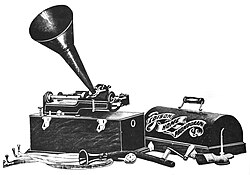
พาร์คินเป็นแพทย์คนแรกที่ใช้เครื่องบันทึกเสียงเป็นเครื่องมือในการให้คำแนะนำการรักษา เขาจะบันทึกคำยืนยันและวลีการรักษาซ้ำๆ ลงบนกระบอก ขี้ผึ้ง ทำให้ผู้ป่วยสามารถฟังได้อย่างสม่ำเสมอและนำไปใช้ที่บ้านเป็นส่วนหนึ่งของการรักษา วิธีนี้ออกแบบมาเพื่อเสริมสร้างการปรับสภาพจิตใจผ่านการรับฟังคำแนะนำด้วยเสียงอย่างต่อเนื่อง พาร์คินยังพบว่าการสั่นสะเทือนของเสียงที่บันทึกไว้ซึ่งปรับให้เข้ากับความถี่การสั่นสะเทือนของผู้ป่วยโดยตรงนั้นมีอิทธิพลทางจิตวิทยาอย่างมากที่ส่งผลโดยตรงต่อจิตใต้สำนึก[ 57 ] [ 58 ] [ 55 ]
ด้วยการเปิดรับการบันทึกและการทำซ้ำคำแนะนำอย่างต่อเนื่องในโรงเรียน นักเรียนเองก็จะได้รับอิทธิพลจากคำแนะนำเหล่านั้น ซึ่งหลายคนรายงานถึงผลกระทบทางกายภาพและประสาทสัมผัสที่ไม่ได้ตั้งใจ ซึ่งเป็นการตอกย้ำการสอนของสถาบันเกี่ยวกับผลกระทบโดยตรงของจิตใจต่อกระบวนการทางร่างกาย[ 26 ] [ 30 ] [ 59 ] [ 60 ] [ 61 ]
ภาพเอกซเรย์ซี่โครงของคนมีชีวิตครั้งแรก

ในเดือนมีนาคม พ.ศ. 2439 พาร์คินได้เข้าร่วมในการทดลองที่สร้างภาพเอกซเรย์ซี่โครงในคนมีชีวิตเป็นครั้งแรก ในขณะที่งานเอกซเรย์ก่อนหน้านี้สามารถถ่ายภาพมือ เท้า และข้อต่อได้ แต่การถ่ายภาพทรวงอกล้มเหลวเนื่องจากการหายใจและความลึกของเนื้อเยื่อ พาร์คินทำงานร่วมกับผู้เชี่ยวชาญด้านไฟฟ้าจากบริษัทโอโซนและช่างภาพเฟรด ดี. ฟอสส์ โดยใช้การสะกดจิตเพื่อชะลอการหายใจและรักษาความนิ่งของผู้ป่วยในระหว่างการถ่ายภาพเป็นเวลานาน ต่อมาพวกเขาได้ปรับปรุงกระบวนการนี้เพื่อถ่ายภาพโครงกระดูกที่มีชีวิตทั้งหมด[ 63 ] [ 64 ]
ความกลมกลืน การสั่นสะเทือน เสียง สี และแสง
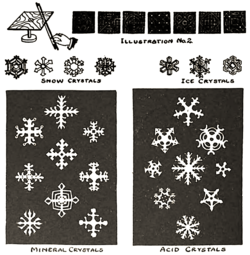
พาร์คินทำการทดลองอย่างกว้างขวางเกี่ยวกับความสัมพันธ์ระหว่างเสียง การสั่นสะเทือน แสง และสภาวะทางจิตที่โรงเรียนของเขา โดยอิงจากแนวคิดของชาวกรีกโบราณที่ว่าความกลมกลืนเป็นหลักการพื้นฐานของธรรมชาติ เขาพยายามแสดงให้เห็นว่าทั้งจิตใจและสสารทำงานตามกฎการสั่นสะเทือนสากล โดยใช้เครื่องบันทึกเสียง (phonautograph)บันทึกเสียงดนตรีลงบนแผ่นที่เตรียมไว้ เขาพบว่าโน้ตแต่ละตัวสร้างรูปแบบทางเรขาคณิตที่แตกต่างกัน ซึ่งมักคล้ายดอกไม้หรือเปลือกหอย รูปแบบเหล่านี้ดูเหมือนจะซับซ้อนมากขึ้นเมื่อระดับเสียงสูงขึ้น ซึ่งแสดงให้เห็นหลักฐานเชิงภาพของความกลมกลืนและความเป็นระเบียบที่ซ่อนอยู่ของธรรมชาติ สิ่งนี้จึงนำไปสู่การพัฒนาระบบการบำบัดโดยอิงจากทฤษฎีที่ว่าแต่ละบุคคลมีคลื่นความถี่การสั่นสะเทือนหรือ "คีย์โน้ต" ที่เป็นเอกลักษณ์ ซึ่งจิตใจและร่างกายจะตอบสนองตามธรรมชาติ ผ่านการหายใจที่ควบคุม การเคลื่อนไหวตามจังหวะ และการฝึกเสียง ผู้ป่วยจะได้รับการแนะนำให้ฟื้นฟูความสมดุลโดยการปรับความกลมกลืนของการสั่นสะเทือนส่วนบุคคล จากนั้นพาร์คินจะใช้เครื่องบันทึกเสียงเพื่อวัดความถี่ของเสียงมนุษย์และปรับให้เข้าสู่สมดุล โดยยืนยันในปี 1898 ว่าเขาได้แสดงให้เห็นอย่างแน่ชัดแล้วว่าแต่ละคนปรับจูนเข้ากับโน้ตเฉพาะตัว[ 65 ] [ 57 ] [ 58 ] [ 66 ] [ 67 ]
สีและแสงยังถูกนำมาใช้ในการรักษาด้วย Parkyn ใช้ตู้ไฟฟ้าความร้อนของ McIntosh ที่ติดตั้งหลอดไฟไส้สีต่างๆ โดยใช้สีต่างๆ ตามผลทางจิตวิทยา สีแดงใช้เพื่อกระตุ้น สีน้ำเงินใช้เพื่อทำให้สงบ และสีเขียวใช้เพื่อลดกิจกรรม[ 65 ] [ 57 ] [ 58 ] [ 66 ]บริษัท McIntosh Battery and Optical Company ซึ่งตั้งอยู่ในชิคาโก ผลิตอุปกรณ์ที่ทันสมัยที่สุดสำหรับการบำบัดด้วยไฟฟ้ารังสีเอกซ์ และงานทดลองอื่นๆ Parkyn ใช้อุปกรณ์เหล่านี้ในการวิจัยของเขา และมีการโฆษณาอุปกรณ์เหล่านี้อย่างกว้างขวางในนิตยสารของเขา[ 68 ]
 โฆษณาของบริษัท McIntosh Battery and Optical ในนิตยสาร Parkyn's
 โฆษณาของบริษัท McIntosh Battery and Optical ในนิตยสาร Parkyn's
ตารางพาร์กิน

งานทางคลินิกของ Parkyn ที่ Chicago School of Psychology มีความเกี่ยวข้องอย่างใกล้ชิดกับการใช้โต๊ะและเก้าอี้แพทย์ Allison ซึ่งผลิตโดยบริษัท WD Allison แห่งอินเดียนาโพลิส Parkyn ใช้โต๊ะ Allison ที่ปรับได้ในการปฏิบัติงานประจำวัน โดยให้ผู้ป่วยนอนราบระหว่างการบำบัดแบบใช้คำแนะนำเพื่อปรับปรุงการไหลเวียนโลหิตและทำให้เกิดการผ่อนคลาย วิธีการของเขารวมการจัดวางตำแหน่งทางกายภาพอย่างอ่อนโยนเข้ากับคำแนะนำด้วยวาจา โดยเน้นการเพิ่มการไหลเวียนของเลือดไปยังบริเวณที่ได้รับผลกระทบ[ 69 ] [ 14 ]

Parkyn ยกย่อง Allison โดยอธิบายว่าเป็นรุ่นที่ดีที่สุดที่มีอยู่และ "จำเป็นอย่างยิ่ง" สำหรับการบำบัดแบบชี้นำ บริษัท WD Allison ตระหนักถึงคุณค่าของมันในสาขาการแพทย์จิตวิทยาที่กำลังเกิดขึ้นใหม่ จึงร่วมมือกับ Parkyn ในการออกแบบรุ่นใหม่ที่เหมาะสมกับวิธีการของเขาโดยเฉพาะ บริษัทได้แนะนำรุ่นพิเศษนี้ในชื่อ "โต๊ะ Parkyn" ซึ่งมีจุดประสงค์เพื่อใช้ในการบำบัดแบบชี้นำและ การรักษา แบบออสทีโอพาธี โต๊ะตัวแรกที่ผลิตได้ถูกนำไปวางไว้ที่โรงเรียนจิตวิทยาชิคาโกเป็นแบบจำลองสาธิตสำหรับนักศึกษาและแพทย์ที่มาเยี่ยมชม ในไม่ช้าโต๊ะนี้ก็กลายเป็นอุปกรณ์ที่แนะนำสำหรับผู้ปฏิบัติงานด้านการบำบัดแบบชี้นำและออสทีโอพาธีทั่วสหรัฐอเมริกา[ 69 ]
หลักสูตรการเรียนทางไกลด้านการบำบัดแบบชี้นำ

ในปี พ.ศ. 2441 Parkyn ได้เปิดตัวหลักสูตรทางไปรษณีย์เกี่ยวกับการบำบัดด้วยการชักจูงและการสะกดจิตซึ่งเป็นโปรแกรมการเรียนทางไปรษณีย์ที่ครอบคลุม ออกแบบมาสำหรับนักเรียนที่ไม่สามารถเข้าร่วมโรงเรียนจิตวิทยาชิคาโกได้ด้วยตนเอง หลักสูตรนี้ได้รับการนำเสนอว่าเป็นระบบการสอนการบำบัดด้วยการชักจูงที่สมบูรณ์แบบเป็นครั้งแรก ซึ่งใช้เวลาเตรียมการมากกว่าหนึ่งปี และอิงจากการรักษาผู้ป่วยทางคลินิกกว่า 5,000 รายของ Parkyn หลักสูตรนี้เป็นช่องทางให้แพทย์ ครู และนักเรียนทั่วไปทั่วสหรัฐอเมริกาและต่างประเทศสามารถศึกษาคำสอนของโรงเรียนผ่านบทเรียนทางไปรษณีย์ได้[ 47 ] [ 70 ] [ 45 ]
หลักสูตรนี้ประกอบด้วยบทเรียนโดยละเอียดจำนวน 41 บทเรียน รวมเกือบ 400 หน้า และในขณะนั้นได้มีการอธิบายว่าแตกต่างจากสิ่งใดๆ ที่เคยตีพิมพ์เกี่ยวกับการบำบัดด้วยการชักจูงมาก่อน การสอนของ Parkyn เน้นความแม่นยำและการปฏิบัติจริง นักเรียนได้รับการฝึกฝนไม่เพียงแต่ในสิ่งที่ควรพูดระหว่างการรักษา แต่ยังรวมถึงวิธีการและเวลาที่ควรพูดด้วย เขาเน้นย้ำถึงความสำคัญของความเรียบง่าย ความตรงไปตรงมา และความมั่นใจในการให้คำแนะนำ พร้อมทั้งเตือนไม่ให้ใช้ถ้อยคำที่เกินจริงหรือลึกลับ น้ำเสียง จังหวะ การทำซ้ำ และทัศนคติของผู้ดำเนินการถูกนำเสนอว่าเป็นองค์ประกอบสำคัญในการสร้างผลลัพธ์ที่ประสบความสำเร็จ ตลอดบทเรียน Parkyn ยืนยันว่าการชักจูงเป็นกระบวนการทางวิทยาศาสตร์ ไม่ใช่ศิลปะลึกลับ และสามารถฝึกฝนได้โดยไม่ต้องอยู่ในสภาวะภวังค์หรือจิตสำนึกที่เปลี่ยนแปลงไป[ 47 ] [ 70 ]

หลักสูตรทางไปรษณีย์ได้รับการยอมรับอย่างรวดเร็วในแวดวงการแพทย์และจิตวิทยาเนื่องจากมีความชัดเจนและละเอียดถี่ถ้วน แพทย์และนักศึกษาต่างชื่นชมแนวทางปฏิบัติของหลักสูตรนี้ โดยหลายคนอ้างว่าหลักสูตรนี้เหนือกว่าผลงานก่อนหน้าของHippolyte BernheimและCharles Lloyd Tuckeyในการอธิบายทฤษฎีและวิธีการชักจูงด้วยภาษาที่เข้าใจง่ายและเป็นระบบ[ 70 ]
ในหลักสูตรนี้ พาร์คินสอนว่าสภาวะทางกายภาพทั้งหมดมีต้นกำเนิดมาจากสภาวะทางจิต และความคิดเองก็มีลักษณะเป็นการสั่นสะเทือน คำแนะนำ น้ำเสียง และแม้แต่สีต่างๆ สามารถนำมาใช้เพื่อฟื้นฟูความสมดุลที่สำคัญของร่างกาย ซึ่งเขาสรุปไว้ในหลักการสำคัญของเขาว่า"ความคิดปรากฏเป็นรูปธรรมในการกระทำ"เขาอธิบายว่าจิตใจทำงานผ่านสองส่วนที่สอดคล้องกัน คือ จิตใจที่กระตือรือร้นและสมัครใจ และจิตใจที่เฉื่อยชาและไม่สมัครใจ และการเยียวยาที่แท้จริงจะเกิดขึ้นเมื่อทั้งสองส่วนนี้อยู่ในขั้วที่เหมาะสม[ 47 ] [ 45 ]
นอกจากนี้เขายังสอนว่าการเปลี่ยนแปลงทางจิตใจต้องอาศัยการทำซ้ำและจังหวะ ซึ่งสะท้อนถึงลำดับวัฏจักรของธรรมชาติ นิสัย ความเจ็บป่วย และการฟื้นตัวล้วนเป็นไปตามรูปแบบจังหวะ และการแนะนำจะช่วยสร้างจังหวะเหล่านั้นขึ้นใหม่ในทิศทางที่ดีต่อสุขภาพ พาร์คินปฏิเสธลัทธิโชคชะตาและลัทธิกำหนดโดยกรรมพันธุ์ โดยสอนว่าโรคภัยไข้เจ็บและความล้มเหลวเกิดจากสาเหตุทางจิตใจที่สามารถระบุและแก้ไขได้ด้วยความคิดที่ถูกต้องและการแนะนำที่ตรงเป้าหมาย[ 47 ] [ 45 ]
หลักสูตรทางไปรษณีย์ได้ขยายขอบเขตของโรงเรียนจิตวิทยาชิคาโกออกไปไกลเกินกว่าห้องเรียนจริง ทำให้มีนักเรียนหลายพันคนสามารถศึกษาระบบของ Parkyn ได้จากที่บ้าน หลักสูตรนี้กลายเป็นหนึ่งในหลักสูตรทางไปรษณีย์ที่มีอิทธิพลมากที่สุดในประเภทเดียวกัน และช่วยสร้างการบำบัดแบบชี้นำให้เป็นทั้งวิทยาศาสตร์ที่ถูกต้องและวิธีการปฏิบัติในการรักษาทางจิตใจและร่างกาย[ 47 ] [ 45 ]
"ความคิดแปรเปลี่ยนเป็นการกระทำ"

หนึ่งในหลักการที่ Parkyn กล่าวซ้ำบ่อยที่สุดคือวลี "ความคิดปรากฏเป็นรูปธรรมในการกระทำ" ซึ่งกลายเป็นคำกล่าวที่กำหนดระบบการบำบัดด้วยการชักจูงของเขา และปรากฏอยู่ทั่วคำสอนของเขา รวมถึงการใช้อย่างกว้างขวางในหลักสูตรทางไปรษณีย์เกี่ยวกับการบำบัดด้วยการชักจูงและการสะกดจิต Parkyn ใช้วลีนี้เพื่อแสดงหลักการที่ว่าสภาวะทางจิต เมื่อถูกประทับลงบนจิตใจที่ไม่สามารถควบคุมได้ ย่อมปรากฏออกมาภายนอกในพฤติกรรม การทำงานของร่างกาย และชีวิตประจำวันอย่างหลีกเลี่ยงไม่ได้ ด้วยการใช้ซ้ำในเครือข่ายที่กว้างขวางของ นักเขียน แนวคิดใหม่วารสารที่ใช้การชักจูง และโรงเรียนที่เกี่ยวข้อง วลีนี้จึงกลายเป็นหนึ่งในคำกล่าวที่ได้รับการยอมรับอย่างกว้างขวางที่สุดในวิทยาศาสตร์ทางจิตของอเมริกาในยุคแรก[ 45 ]

เมื่อโรงเรียนโฆษณา วิทยาลัยธุรกิจ และสถาบันฝึกอบรมการขายเริ่มจัดระบบการฝึกอบรมด้านจิตวิทยาอย่างเป็นทางการในช่วงต้นศตวรรษที่ 20 หลายแห่งได้นำเอาคำสอนของปาร์คินและศิษย์เก่าที่เคยเรียนกับเขาที่โรงเรียนจิตวิทยาชิคาโกมาใช้โดยตรง ปาร์คินเองก็สังกัดโรงเรียนเชลดอนเพื่อการขายเชิงวิทยาศาสตร์ในชิคาโก ซึ่งได้นำวิธีการของเขามาใช้ในการสอนเรื่องอิทธิพล จิตวิทยาของผู้ซื้อ และการนำเสนอที่โน้มน้าวใจ ในหลักสูตรเหล่านี้ หลักการของการชักจูงถือเป็นรากฐานของการขายที่มีประสิทธิภาพ โดยเน้นว่ากฎทางจิตเดียวกันที่ควบคุมการเปลี่ยนแปลงเชิงบำบัดก็มีอิทธิพลต่อความสนใจ การโน้มน้าวใจ และพฤติกรรมของผู้บริโภคด้วย คำกล่าวของปาร์คินที่ว่า "ความคิดก่อร่างสร้างตัวในการกระทำ" กลายเป็นตัวอย่างที่ถูกยกมาอ้างบ่อยที่สุด เพื่ออธิบายว่าความคิดที่ซ้ำๆ กันนั้นมีโครงสร้างอย่างไรต่อพฤติกรรม[ 72 ] [ 71 ] [ 73 ]ด้วยแรงผลักดันนี้ วลีของ Parkyn จึงถูกนำไปปรับใช้ในแคมเปญการตลาดระดับชาติของธนาคารที่ส่งเสริมสิ่งที่เรียกว่า "นิสัยการออม" หรือ "นิสัยการใช้เงินสด" ซึ่งกระตุ้นให้ประชาชนเปิดและรักษาบัญชีออมทรัพย์ โดยวางกรอบให้เป็นนิสัยที่ฝึกฝนได้ผ่านการทำซ้ำ แคมเปญนี้กลายเป็นการประยุกต์ใช้การบำบัดแบบชี้นำในวงกว้างครั้งแรกในการโฆษณาของอเมริกา แสดงให้เห็นว่าระบบจิตวิทยาของ Parkyn สามารถนำไปใช้โดยตรงในกลยุทธ์การสร้างพฤติกรรมเชิงพาณิชย์ได้ วลีอื่นๆ ที่ Parkyn ทำให้เป็นที่นิยมใน ขบวนการ ความคิดใหม่ซึ่งถูกนำมาใช้กันอย่างแพร่หลายในแคมเปญเชิงพาณิชย์ ได้แก่ "ฉันทำได้และฉันจะทำ" "ทำเดี๋ยวนี้" "คุณเป็นนักคิดหรือไม่" และ "สุขภาพ ความสุข และความสำเร็จ" [ 74 ] [ 75 ] [ 76 ]
 โฆษณาต่างๆ ที่มีข้อความว่า "ความคิดก่อให้เกิดการกระทำ การกระทำซ้ำๆ กลายเป็นนิสัย"
 โฆษณาต่างๆ ที่ใช้แคมเปญ "ทำเดี๋ยวนี้" ของดร.พาร์คิน
 โฆษณาต่างๆ ที่ใช้แคมเปญ "คุณเป็นนักคิดหรือไม่"
สำนักชิคาโกเกี่ยวกับแม่เหล็กส่วนบุคคล การรักษาด้วยแม่เหล็ก และการรักษาทางไกล

พาร์คินยอมรับว่าในบรรดาสาขาที่เกี่ยวข้องทั้งหมด ไม่มีสาขาใดได้รับความสนใจมากไปกว่าแม่เหล็กและการรักษาทางไกลด้วยโทรจิต เขาเลือกที่จะกล่าวถึงทั้งสองสาขาโดยอุทิศบทหนึ่งให้กับแต่ละสาขาในหลักสูตรของเขา แม้จะสังเกตว่าสาขาเหล่านี้ยังอยู่ในช่วงเริ่มต้น แต่เขาก็ยอมรับว่าการพัฒนาทางเทคโนโลยีในอนาคตอาจตรวจจับได้ว่าพลังงานแม่เหล็กสามารถส่งผลต่อจิตใจและช่วยในการรักษาได้อย่างไร อย่างไรก็ตาม เขาเน้นย้ำว่าในปัจจุบัน ผลลัพธ์ที่สังเกตได้ซึ่งเกิดจากการปฏิบัติเหล่านี้เป็นผลมาจากการแนะนำเท่านั้น[ 47 ] [ 77 ] : 270–286
ในเรื่องเสน่ห์ดึงดูดส่วนบุคคลพาร์คินกล่าวว่ามันเป็นเรื่องของการทำให้ประสาทสัมผัสทั้งห้าพึงพอใจและทำให้ความต้องการของผู้ที่ตนได้ติดต่อด้วยพึงพอใจ “เสน่ห์ดึงดูดส่วนบุคคลเป็นการพิจารณาอย่างละเอียดอ่อนต่อผู้อื่น เป็นความเห็นอกเห็นใจที่ได้รับการปลูกฝังต่อความรู้สึก ความชอบ และความไม่ชอบของผู้ที่เราได้ติดต่อด้วย เป็นการยอมจำนนต่อตนเองในทุกทิศทางที่อาจทำให้ผู้อื่นรู้สึกไม่พึงพอใจ” แต่ในที่สุดมันก็ถูกสร้างขึ้นโดยการชักจูง โดยกล่าวว่า“ความคิดก่อให้เกิดการกระทำ ในทางกลับกันก็เป็นจริงเช่นกัน เพราะการกระทำของเราก่อให้เกิดความคิดของผู้อื่น...คิดในสิ่งที่ถูกต้องแล้วการกระทำที่พึงปรารถนาจะตามมา” [ 77 ] : 270–273

เกี่ยวกับการรักษาด้วยแม่เหล็กและการรักษาระยะไกล พาร์คินได้แสดงให้เห็นว่าวิธีการเหล่านี้โดยพื้นฐานแล้วเป็นรูปแบบของการบำบัดแบบชักจูง เขาอ้างถึงการปฏิบัติทั่วไปในหมู่นักบำบัดดังกล่าวที่แนะนำให้ผู้ป่วย "นอนลงหลายครั้งต่อวัน ผ่อนคลายทั่วร่างกาย และจดจ่อความสนใจไปที่ส่วนใดส่วนหนึ่งของร่างกายที่มีปัญหา โดยอ้างว่าการทำเช่นนั้นจะทำให้การไหลเวียนโลหิตไปยังส่วนนั้นเป็นไปอย่างอิสระและรักษาให้หาย" พาร์คินตอบว่า "นี่ไม่ใช่คำแนะนำที่สมเหตุสมผลและทรงพลังหรือ?" [ 77 ] : 278เขายังได้รวมจดหมายจากอดีตนักเรียนที่กลายเป็นนักบำบัดด้วยแม่เหล็ก ในจดหมายนั้น นักเรียนยอมรับว่าเทคนิคการรักษาของเขาเป็นพื้นฐานของการบำบัดแบบชักจูง แต่สังเกตว่าการนำเสนอในรูปแบบของแรงแม่เหล็กทำให้แนวคิดการรักษาโน้มน้าวใจผู้ป่วยได้มากขึ้น จึงช่วยเพิ่มผลของคำแนะนำต่อจิตใจที่ไม่ตั้งใจ[ 77 ] : 277
พาร์คินสนับสนุนพลวัตนี้และสำรวจโดยตรงมากขึ้นในปี 1899 ด้วยสิ่งประดิษฐ์ที่จดสิทธิบัตรของเขาคือ "ถ้วยแม่เหล็กบำบัด" ซึ่งเป็นอุปกรณ์ที่เขาส่งเสริมในฐานะเครื่องมือทางวิทยาศาสตร์และการทดลองที่ควบคุมได้ในการวิจัยพลังจิตประยุกต์ ถ้วยนี้ได้รับการพัฒนาขึ้นเพื่อเป็นเครื่องมือในการทดสอบว่าวัตถุทางกายภาพสามารถเพิ่มผลการรักษาของการแนะนำได้หรือไม่ โดยการให้ผู้ป่วยมีสื่อที่จับต้องได้ซึ่งสามารถรวมความเชื่อและความคาดหวังไว้ได้ พาร์คินแจกจ่ายถ้วยเหล่านี้ฟรีจากสำนักงานที่ 4000 Cottage Grove Avenue ซึ่งเป็นส่วนหนึ่งของความพยายามอย่างเป็นระบบในการรวบรวมข้อเสนอแนะเกี่ยวกับการใช้งาน[ 78 ] [ 79 ] [ 80 ] [ 81 ]
ถ้วยบำบัดด้วยแม่เหล็กวางจำหน่ายในชื่อ "การค้นพบครั้งสุดท้ายและยิ่งใหญ่ที่สุดแห่งศตวรรษที่สิบเก้า" [ 82 ]
 สิทธิบัตรสำหรับถ้วยบำบัดด้วยแม่เหล็ก[ 83 ]
 โฆษณาโดย Partlow Designs แห่งชิคาโก[ 84 ]
 "ดื่มชีวิตเหลว"
พาร์คินเป็นผู้ริเริ่มวิธีการหลายอย่างในการชักจูงให้เกิดสภาวะที่ยอมจำนน ซึ่งได้ถูกนำมาสอนในโรงเรียน
พาร์คินได้พัฒนาวิธีการดั้งเดิมและมีประสิทธิภาพหลายวิธีในการชักนำให้เกิดสภาวะการชักจูง ซึ่งสอนที่โรงเรียนจิตวิทยาชิคาโกและในหนังสือเรียนของเขา วิธีหนึ่งเกี่ยวข้องกับการจุดไม้ขีดไฟและให้ผู้ถูกทดลองจ้องมองเปลวไฟจนเกือบดับ ทำซ้ำเช่นนี้สามครั้ง ในการจุดไม้ขีดไฟครั้งที่สาม ผู้ถูกทดลองจะได้รับแจ้งว่าดวงตาของพวกเขาจะปิดสนิทหลังจากปิดตา และในกรณีส่วนใหญ่พวกเขาจะไม่สามารถลืมตาได้อีก ซึ่งจะนำไปสู่สภาวะการชักจูงที่ลึกซึ้ง อีกวิธีหนึ่งกำหนดให้ผู้ถูกทดลองวางมือทั้งสองข้างไว้ตรงหน้าและค่อยๆ นับเล็บแต่ละนิ้วจากนิ้วก้อยนิ้วหนึ่งไปยังอีกนิ้วหนึ่ง ซึ่งจะทำให้เกิดอาการง่วงนอนหรือหลับเมื่อนับถึงนิ้วที่สิบ เทคนิคที่สามคือให้ผู้ถูกทดลองคาบดินสอไว้ในปากและค่อยๆ เลื่อนสายตาขึ้นลงตามพื้นผิวที่ขัดเงา การผสมผสานเทคนิคเหล่านี้เข้ากับคำแนะนำด้วยวาจาง่ายๆ เช่น "เปลือกตาของคุณหนักมาก คุณง่วงมาก คุณกำลังจะหลับ หลับๆๆ" จะทำให้การชักจูงเสร็จสมบูรณ์อย่างรวดเร็ว[ 85 ] [ 47 ] [ 45 ]
วิธีการมากมายในการชักนำให้เกิดการสะกดจิตที่สอนในโรงเรียนจิตวิทยาชิคาโก[ 77 ]
 จ้องมองที่ปลายดินสอ
 จ้องมองภาพของสเวนกาลี
 "คุณลืมตาไม่ได้"
 จ้องมองเข้าไปในดวงตา
 ได้กลิ่นควันที่ไม่มีอยู่จริง
 การนับเวลา
 จ้องมองเปลวไฟ
 การทำนายอนาคตด้วยลูกแก้ว
"สิ่งจำเป็นในการดำรงชีวิต" ของพาร์คิน

Central to Parkyn's system of suggestive therapeutics, as taught at the Chicago School of Psychology, was his principle of the "life essentials." He defined these as five natural requirements necessary for health, namely fresh air, sunshine, water, food, and exercise. He taught that while thought could influence bodily functions, this power depended on the proper supply of these essentials, stating that "thought tends to take form in action, and, with the life essentials properly supplied, thought action becomes a power."[86][45]
"Two quart a day habit"
At the time, this framing of "life essentials" was novel and Parkyn was the first in the West to promote the drinking of water as a fundamental necessity for health. He emphasized it as one of the most vital of the "life essentials" and asserted that well-being depended largely on its proper use. Parkyn specified that the proper amount of water to drink daily was two quarts. To reinforce this practice, he developed a series of auto-suggestions designed to instill what he called the "Two Quart a Day Habit.".[87][88][89][45]
Hermetic doctrine of the five elements and the five Platonic solids
Parkyn connected his "life essentials" teaching to the ancient Hermetic doctrine of the five elements, which taught that all matter and processes in nature arise from Air, Fire, Water, Earth, and Aether or Spirit. He regarded these elements as both physical and spiritual forces within the human being. Each life essential was presented as corresponding to one of these principles, with air linked to breathing, fire to sunlight, water to purification, earth to nourishment, and spirit to movement and mental exercise. When these forces fell out of balance, disease and disorder were believed to result.[14][90] He also related these ideas to the concept of the five geometric Platonic solids, which symbolized the pure forms of the elements. For Parkyn, this ancient framework demonstrated that true health depended on harmony between the visible and invisible forces of life.[91]
Diagnosing the "Suggestible Somnambule"
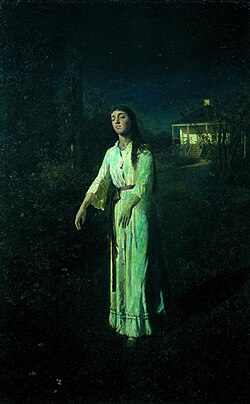
Parkyn was the first to identify and classify what he called the "suggestible somnambule," a term he introduced to describe individuals who live in a state of partial consciousness, neither fully awake nor fully asleep, yet unusually open to suggestion. The word somnambule, taken from the French for "sleepwalker," referred not to literal sleepwalking but to a psychological condition in which the mind remains active while reason and judgment are subdued. Parkyn observed that suggestible somnambules reacted to suggestion abnormally. Ordinary people weigh new impressions against reason, but the somnambule accepts them impulsively and acts upon them without careful thought.
He found that such individuals could be identified in nearly every sphere of life. They appeared as the first converts at revival meetings, the eager joiners of political movements, and the excitable participants in mobs. They were the people who might confess to crimes they did not commit or believe any claim that appealed to their emotions. When Parkyn first opened his clinic at the Chicago School of Psychology, many of the initial visitors were suggestible somnambules who expected dramatic cures or mystical experiences. Parkyn explained that once these highly suggestible somnambules realized his treatments were scientific rather than theatrical, they stopped attending his clinic. He regarded their departure as essential for establishing professional credibility, and taught his students that any serious practitioner would need to distance their work from such individuals in order to be taken seriously by the public and the medical profession.[92]:25–27
The Suggestible Somnambule was mostly responsible for social upheavals
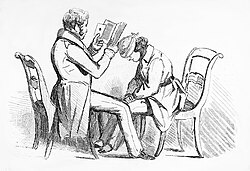
Parkyn warned that the suggestible somnambule was largely responsible for much of the social upheaval found in religious, political, and even criminal movements. Salesmen, detectives, and physicians, he noted, often recognized them instinctively. A salesman could close a deal with ease, a revivalist could count on them to fill the front pews, and a stage hypnotist could rely on them to provide the most dramatic demonstrations. Quack doctors and patent medicine promoters also built their success on their testimony. These individuals could be intelligent or even educated, yet their emotional nature and lack of inner resistance made them unusually easy to sway.[93]:2–5
Suggestible Somnambule was the foundation of the marvels of mesmerism
He taught that suggestible somnambules were the very foundation of the supposed marvels of mesmerism. Because they yielded so completely, earlier experimenters like Franz Mesmer, mistook their responsiveness for evidence of a mysterious forces. Parkyn recognized that hypnosis was not a supernatural power but the action of suggestion on a highly receptive personality. From this understanding, he moved away from inducing deep trance states and developed his method of conscious suggestion, in which the patient remained awake and alert while benefiting from positive, directed mental influence.[94]:29–32[95]:15, 34
The struggle to distinguish the Chicago School of Psychology from Christian Science

The Chicago School of Psychology was first established at 255 Bowen Street, just off Cottage Grove Avenue, but as enrollment increased the school required larger quarters. In 1897 it relocated a short distance away to a large estate building at 4020 Drexel Boulevard, one of the city's most prominent residential avenues. Later that same year, the First Church of Christ Scientist began construction of its new midwestern headquarters directly across the street from the school. The physical proximity of the two institutions, combined with the fact that each rejected drug-based medicine, led many members of the public to conflate the Chicago School's scientific system of suggestive therapeutics with the spiritual healing doctrines of Christian Science.[96][14][97]
Parkyn became increasingly concerned about this confusion. He found that both the public and members of the medical profession often failed to distinguish between his experimentally grounded system of Suggestion and the religious metaphysics taught by Mary Baker Eddy. To correct this misunderstanding, he wrote numerous articles and gave public lectures explaining that his system rested on psychology and physiology, not on theology or revelation.[98][99]
Christian Science is a "masked suggestion"
While Christian Science claimed to cure illness through spiritual means, Parkyn argued that any therapeutic results observed in Christian Science healing were not the result of spiritual realization or divine intervention, but rather what he termed, "masked suggestion," a subconscious mental process that unintentionally improved bodily conditions.
Criticism of Christian Science and Mary Baker Eddy

Parkyn directed much of his criticism of Christian Science toward Mary Baker Eddy's, Science and Health with Key to the Scriptures. He noted that the book lacked logical coherence, was filled with contradictions, and departed from both science and theology. He objected to its denial of matter, disease, and death, and that physical conditions arise solely from false belief and are corrected through spiritual understanding rather than through any material process. He questioned how Christian Science accounted for illnesses in those incapable of belief, such as infants, animals, or the mentally ill. He pointed out that if suffering and sickness were mere illusions, there should be documented cases of Christian Science curing amputations or restoring lost limbs, yet no such evidence existed.[100]
Parkyn also criticized Christian Science's theological implications, finding it contradictory that the book denied the existence of sin and evil, while simultaneously warning its followers that they would be persecuted and suffer for their beliefs. He also took issue with Eddy's control over the movement, noting that she discouraged independent writings and declined to treat patients herself, yet insisted her books were the exclusive source of curative knowledge. Parkyn viewed Christian Science not as a coherent medical or theological system but as a superstition built upon an unacknowledged psychological foundation, stating "that while Christian Science may have produced results, it did so through unrecognized mental influence, not through the metaphysical doctrines it professed."[100]
Exposed fraudulent psychical performances and the tricks of mentalists

From its earliest years, the Chicago School of Psychology made the investigation of alleged psychic phenomena a central part of its scientific program. Parkyn conducted several controlled examinations of mediums and performers who claimed abilities including spirit communication, automatic writing, clairvoyance, and telepathy. The goal was to determine whether any of these effects reflected genuine psychological processes or were simply the result of deception.[101]
While Parkyn exposed these demonstrations as not being supernatural, he held a deep admiration for the psychological abilities many psychic performers displayed. He emphasized that the strongest performers possessed an extraordinary command of suggestion, acute sensitivity to subtle muscular cues, and a refined capacity for reading character, attention, and emotional states. To Parkyn, these abilities illustrated how far suggestion, perception, and unconscious influence could be developed when practiced with intensity and focus.[103]
Bangs Sisters Exposed
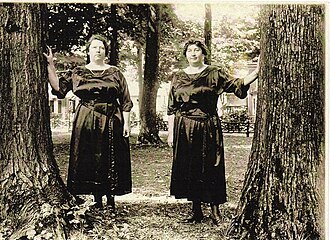
Elizabeth and May Bangs, known as the Bangs Sisters, were Chicago spiritualist mediums celebrated for producing supposed "spirit messages" during slate-writing séances. In their performances, the sitter wrote questions on paper, sealed them in an envelope, and watched the medium bind the envelope between two slates held together with string. The bound slates were covered with a larger slate but kept in view while the medium would announce received mental impressions from a spirit or claim to see clairvoyantly initials floating in the air. After twenty to thirty minutes, taps signaled that the spirits had replied. When the slates were opened, the sitter's sealed letter appeared to have been answered in a different handwriting, giving the illusion of automatic writing by a spirit.[104][105][103]
Between the summer of 1899 and the spring of 1900, Parkyn, Flower, and Stanley L. Krebs conducted controlled investigations showing the results were produced through deception. Flower first attended fifteen sittings using slates he tightly sealed himself with screws, string, or wax. Whenever the slates were truly secured, no spirit writing ever appeared. Upon conferring with Flower, Parkyn conducted a more controlled test and observed the actual method, in which a concealed wedge created a small gap between the slates that allowed the sealed letter to slide into the medium's lap before being pushed under a door to her sister in the next room. The sister opened the envelope by steaming or moistening the flap, copied the questions, prepared replies, resealed the letter, and returned it to be slipped back between the slates without detection.[105][103]
 A letter is placed between two bound slates[103]
 The bound slates are then covered by a single larger slate[103]
 A hidden wedge is then used to pry the letter out[103]
To formally document the method, Parkyn asked Stanley L. Krebs to attend a séance and advised him to come equipped with a concealed mirror that he could discreetly place on his lap to watch everything happening under the table. Krebs confirmed each stage of the trick for the International Society for Psychical Research, describing it as a coordinated system of misdirection, mechanical manipulation, and assistance from an accomplice.[103]
 Krebs using a mirror in his lap to see the trick
 The Bang Sisters exposed
On April 11, 1900, Parkyn publicly reproduced the entire process before fifteen students at the Chicago School of Psychology. While his students watched, he sat at a table with slates and an envelope containing a question. His father, James Parkyn, was hidden in a back room to play the role of the accomplice. During the demonstration, Parkyn used a black linen thread with a loop in the middle rather than a wedge to remove and return the letter more smoothly. This improvement allowed him to avoid turning sideways in the chair or performing any obvious motions. The letter was passed to the adjoining room, opened, answered, and replaced in the slates in about half an hour. None of the observers detected how it was done. Parkyn noted that by simplifying the mechanism, he could perform the trick faster and with less chance of discovery.[103]
Telepathy duel with Miss Maud Lancaster

In one of the most widely publicized examinations of psychic claims in America, Parkyn entered into a public telepathy duel with Miss Maud Lancaster of London, known in the press as the "Lady Sherlock Holmes." Lancaster claimed she had assisted Scotland Yard with her psychic abilities and was touring the United States demonstrating what she called genuine telepathy.[106][107][108]
After Parkyn and William Walker Atkinson attended her exhibition at the Chicago Press Club on January 24, 1901, where she performed a series of blindfolded feats including identifying people who had touched objects, locating an imaginary murder weapon, and reading the serial number on a banknote, Parkyn publicly stated that the results could be explained by natural means such as refined sensory awareness, involuntary cues, and crowd reactions. Miss Lancaster and her manager quickly took offense and issued a formal challenge for a second test under strict scientific conditions.[109][110][111]

The duel was held on February 12, 1901, at the Palmer House Hotel before seventy invited doctors, scientists, journalists, and officials. Parkyn personally blindfolded Miss Lancaster with multiple layers of surgical cotton and cloth and required complete silence to eliminate any sensory cues or suggestive signals. Under these conditions, Lancaster failed to reproduce any of her earlier feats, misidentified participants, and could not determine the banknote number. She blamed her failure on the audience and later claimed that Parkyn had "hypnotized" her.[14][109]
The event received extensive press coverage and became a landmark example of a public psychic claim tested under controlled observation. Although Lancaster continued her tour, the Chicago duel marked a turning point in how her abilities were regarded. Parkyn was praised for demanding proper test procedures and showing that dramatic stage results were not evidence of telepathy. He and Atkinson nonetheless acknowledged Lancaster's remarkable skill as a performer, noting that her techniques offered insight into suggestion, sensory discrimination, and audience influence.[14][109]
The tricks of mentalists
In 1900, Parkyn anonymously authored the Mind Reading course for the Psychic Research Company. Writing anonymously allowed him to present material that would have been inappropriate to publish under his own name within a formal medical or scientific context. The Psychic Research Company had been founded by Sydney B. Flower and financed by Jay Van Tuyl Daniels and his cousin Van Ness Daniels Smith of Minneapolis. The Daniels family had been associated with Parkyn since back when he was at the University of Minnesota.[112][113][114][115]

The course drew directly from Parkyn's systematic investigations into the techniques used by traveling clairvoyants and stage mentalists. Parkyn demonstrated that the mentalists were not using telepathy, clairvoyance, or supernatural powers in their stage displays but it was the art of muscle reading. Parkyn framed muscle reading as an expression of "thought taking form in action." Just as emotions such as fear, anger, or excitement naturally manifest through facial expressions and bodily reactions, focused attention produces imperceptible but reliable muscular responses. A skilled mentalist does not read minds, but interprets these involuntary indicators with precision, by training themselves to detect subtle unconscious cues from the guide's hand, body posture, and direction of attention[117]

The course also disclosed the mechanics behind more dramatic exhibitions like the blindfold carriage drive act. Parkyn explained that the performer typically used a specially folded black silk handkerchief that appeared to obstruct the eyes completely but left one thin layer positioned to permit limited vision. When folded from opposite corners short of the center, the cloth created the illusion of a secure blindfold while providing a narrow but effective line of sight. Parkyn supplied detailed folding instructions so students could reproduce and experiment with the method themselves.[112]
Although Parkyn showed that these performances relied on practiced technique rather than clairvoyance, he also emphasized that the skills involved required significant mental discipline. Years of practice had given stage hypnotism performers heightened concentration, refined sensory awareness, and strong personal influence over audiences. Parkyn regarded these developments as genuine psychological accomplishments. He maintained that students who practiced muscle reading, blindfold work, and similar techniques were not merely learning stage tricks but training the mind to focus, interpret subtle cues, and direct attention with accuracy. For Parkyn, this practical training cultivated mental faculties that had value in self control, perception, and the study of suggestion.[118][112]
Graduates that used stage hypnotism acts to educate the public about the Law of Suggestion
Since the mid 1800s, stage performers had used the art of muscle reading and simple acts of mesmerism to present shows billed as amazing displays of supernatural powers and mystical forces. With the advent of scientific investigation and a clearer understanding of hypnotic suggestion, these charlatan performers were seen as detrimental to the public’s acceptance of the therapeutic properties of suggestion, because they continued to perpetuate a mysterious and dark image of hypnotism. To counter this, and to make use of the extreme popularity of such performances as a platform for education, several of Parkyn’s students became involved in stage hypnotism in order to explain the true nature of the law of suggestion.[119][120]

Parkyn’s fellow Canadian, Thomas F. Adkin, played an important role in shaping these efforts. Born the same year as Parkyn in Bothwell, Ontario, Adkin helped to develop the stage acts and instructed performers in the art of muscle reading. He had already been involved for several years in stage hypnotism shows. He began in 1892 as a subject and performer for the famous stage hypnotist Dr. Herbert L. Flint, singing at his shows and for being hypnotized to see the devil and hell. He later became Flint’s business manager and assistant. In 1893, Adkin would then serve as manager for another famous stage hypnotist, Sylvain A. Lee.[121][122][123][124][125][126][127][128]
Unlike earlier mentalists who concealed their methods, these later shows openly explained and demonstrated the techniques used in each effect as part of the performance. The programs were designed to be family friendly, and the combination of disclosing the techniques while still fooling the audience produced a wildly funny show that became hugely successful, while at the same time illustrating the practical operation of suggestion.[129][130][131]

These graduates included:
- E. Virgil Neal, who created the stage persona of X. Lamotte Sage and would tour with his wife as the wildly successful, "The Sages." Thomas Adkin would serve as their manager.[132][133][134][135][136] Neal would declare as X. Lamotte Sage, that the good Dr. Parkyn has accomplished by his scientific application of Suggestive Therapeutics is incalculable.[132]
- Dr. Sanders Lee Butler, who first served as business manager and assistant to the established stage hypnotist Sevengala and later to Dr. Herbert L. Flint. Butler introduced the modern theories of the Law of Suggestion taught at the Chicago School into these performances and was called upon to explain these concepts to audiences. He subsequently developed his own successful stage hypnotism program, performing with his wife as "The Butlers."[127][137][138][139][140][141]
- C. A. George Newmann, would become known professionally as "Newmann the Great," and would tour the country performing all the same feats popularized by stage mentalists but built entirely around exposing the tricks, creating a highly successful and comical performance that continued for more than forty years. [142][143][144][145] Newmann declared in 1949 that there was no better work on hypnotism and suggestion than that done by Herbert Parkyn.[146]:10
 Sylvain A. Lee in his wonderful hypnotic performances
 Hypnotist Herbert L. Flint performed with his wife as "The Flints"
 Newmann, the great American hypnotist and mind-reader
 Dr. S. L. Butler performed with his wife as "The Butlers"
 Sevengala the hypnotist was Dr. Walter C. Mack
 X. Lamotte Sage performed with his wife as "The Sages"
Another figure who incorporated the teachings of the Chicago School was the stage hypnotist Alexander J. McIvor-Tyndall, who toured widely across Canada, the Midwest, and the West Coast. McIvor-Tyndall had adopted the performance style of Washington Irving Bishop, showcasing feats such as locating hidden objects, opening locked safes, and conducting the celebrated blindfolded carriage drive. Parkyn had intersected with him several times and had observed his show. They had both been involved in a few widely reported criminal cases where hypnotism was claimed to play a role, including the infamous Minneapolis Hayward murder case.[147][148][149][150]
 The blindfolded carriage drive and opening safe tricks from Parkyn's "A Complete Course in the Art of Mind Reading,"[116]
 Newmann the Great, doing the blindfolded drive demonstration
 An ad for Alexander J. McIvor-Tyndall doing the famous blindfolded carriage drive in 1895.
Afiliated magazines of the Chicago School of Psychology
The magazines associated with the Chicago School of Psychology documented its research, publicized its clinical successes, and helped define Suggestive Therapeutics as a legitimate scientific field. They provided an outlet for serious medical and psychological discussion at a time when much of the public's exposure to natural healing came through what critics termed "magazine medicine," the wave of popular periodicals promoting sensational cures and unverified therapeutic systems. To distance itself from this growing trend, Parkyn avoided advertising his school in popular media, choosing instead to publish through his own professionally edited journals and recognized medical outlets. In doing so, he established the Chicago School's reputation as a disciplined, scientific institution rather than part of the popular movement of magazine-based healers. The journals not only disseminated the school's teachings to a national audience but also served as the main channel through which Parkyn's influence spread across the expanding network of New Thought and mental science practitioners.[14]
Hypnotic Magazine
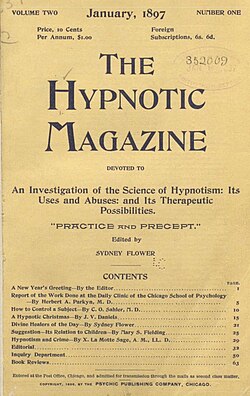
In August 1896, Parkyn and Flower founded The Hypnotic Magazine as the unofficial organ of the Chicago School of Psychology. Parkyn directed its philosophical and scientific focus, while Flower served as editor. It was published through their joint enterprise, the Psychic Publishing Company.[151][152][14]
Aimed primarily at medical professionals, the magazine sought to bridge the gap between physical and psychical methods of treatment at a time when mainstream medicine largely ignored the role of mental states in health and disease. It was the first journal dedicated to hypnotic suggestion and its stated purpose was "an investigation of the science of hypnotism, its uses and abuses, and its therapeutic possibilities."[24][14]
The Hypnotic Magazine quickly gained a strong reputation and came to be recognized within the liberal medical community and the New Thought movement as the leading voice for serious, scientific investigation of the mental sciences. Parkyn and Flower also used the publication to defend hypnotism against both scientific skepticism and popular misunderstanding. They described themselves as being at war with professors, physicians, and scientists who attempted to discredit hypnotism by associating it with mesmerism, clairvoyance, mind reading, fortune telling, and fakirism. They argued that such critics either misunderstood or deliberately misrepresented hypnotism, preventing its recognition as a legitimate scientific practice.[153]
Each issue of the magazine featured contributions from physicians, correspondences, and case studies drawn directly from Parkyn's daily clinic at the Chicago School. Regular contributors included some of the most prominent names in the field at the time, including Dr. Thomson Jay Hudson, Dr. W. Xavier Sudduth, Dr. George Wyld, Clark Bell (President of the Medico-Legal Society), Henry H. Goddard, William Lee Howard, Xenophon LaMotte Sage, and Edward B. Warman.[24]
Journal of Medical Hypnotism

In January 1898, The Hypnotic Magazine was officially renamed The Journal of Medical Hypnotism. Parkyn and Flower made the change to distinguish their publication from the growing number of untrained practitioners and stage performers who were portraying hypnotism as a mysterious or dangerous power. They emphasized that their work represented a clinical, scientifically grounded approach to hypnotic suggestion, not popular entertainment or occult speculation. The new title was intended to signal that the journal was an authoritative "medical" periodical devoted to legitimate therapeutic practice rather than a sensational publication trading in curiosity or superstition.[155][156][157][158]
The name change also marked an important shift in the magazine's function. Because The Hypnotic Magazine had been so widely recognized as the publication of the Chicago School of Psychology, its identity was closely tied to the original institution. Renaming it allowed the periodical to broaden its scope and become the unofficial organ for all the expanding schools of Suggestive Therapeutics being opened by Parkyn and his graduates across the country.[159][14]
To support rapid expansion and counter the spread of sectarian systems such as Christian Science, both Sydney B. Flower and W. J. Chatterton were sent to selected cities to organize local institutions and put trained graduates in place as instructors. Chatterton, worked at the Chicago School and had previously conducted extensive experimental work with Thomson Jay Hudson and Prof. William James of Harvard, played a key role in this effort. As these affiliated schools multiplied, the Journal of Medical Hypnotism became the central publication reporting on their activities, progress, and development, serving as the unified voice for Parkyn's national system of suggestive therapeutics.[160][161][162]
Suggestive Therapeutics

In June 1898, only six months after its previous rebranding, The Journal of Medical Hypnotism was renamed Suggestive Therapeutics. The instruction at the Chicago School and the affiliated schools was centered on treatments carried out through verbal suggestion rather than through deep hypnotic states. The emphasis was placed on “normal” or waking suggestion, and the new title identified this approach as the primary focus of the system. With this change, the magazine aligned itself directly with the affiliated schools and marked its role as the unofficial organ of the many institutions teaching the Chicago School's methods.[164][163]
The new name also represented a further distancing from the word hypnotism and the confused and often negative associations it carried. Parkyn explained the shift as follows: "We use the term hypnotism only with considerable hesitation as it's important for students to understand both the word and the state it describes. That said, based on hard-earned experience, we strongly encourage students of suggestion to avoid using the term hypnotism in both public and private settings. At the Chicago School of Psychology, the word has been deliberately abandoned and is used only during lectures for educational purposes. We have had many patients who would have avoided us entirely had they known we used hypnotism. Just as the word love evokes a web of associations, the word hypnotism triggers, for most people, ideas of the strange, sinister, or even evil. For that reason, most individuals instinctively avoid anyone labeled a hypnotist. You should never allow yourself to be described that way."[47]
In June 1900, Suggestive Therapeutics would be investigated by postal authorities after a complaint from a competing Chicago magazine The Star of the Magi. Although the inquiry did not result in fraud charges, the detailed probe into the magazine lead investigators to conclude that the publication operated chiefly as a promotional outlet for the Chicago School of Psychology and Parkyn's related enterprises. As a result, in July 1900, the postal authorities revoked the journal's second-class mailing privilege. Without access to the discounted mailing rate, the journal was effectively forced to cease operations at the end of 1900 after fulfilling its existing subscriptions.[165][14][166][167][168]
Suggestion


With Suggestive Therapeutics serving as the unofficial organ for the affiliated Schools of Suggestive Therapeutics, Parkyn launched a second publication in August 1898 titled Suggestions, later shortened to Suggestion. This new journal functioned as the organ of the Chicago School of Psychology and was presented as the official continuation of The Hypnotic Magazine. Together, Suggestive Therapeutics and Suggestion allowed for the authoritative control over the public's impression of the terms "suggestive therapeutics" and "suggestion." This was a deliberate strategy to stay ahead of the many untrained practitioners and opportunistic publishers entering the field and to ensure that the true "Law of Suggestion" was always at its core.[170][171][172][169]
Parkyn served as editor, publishing what he called "choice literary gems by the world's best known Mystics." Parkyn stated that while most journals on similar topics failed to distinguish between natural and supernatural causes, Suggestion aimed to investigate mental phenomena scientifically, excluding spiritism and mediumship while maintaining openness to unexplained forces.[170][171][172][169]
The magazine quickly became a leading forum for serious study of the mental sciences. Its contributors included many of the most influential researchers and teachers in the field, including Stanley LeFevre Krebs, Thomson Jay Hudson, Prof. William James, Dr. W. Xavier Sudduth, William Walker Atkinson, George W. Carey, Edwin Hartley Pratt, and Prof. Elmer R. Gates.[169]
University of Psychic Science
In 1900, Parkyn established the University of Psychic Science as an unofficial extension of the Chicago School of Psychology. The new institution was located at 3975 and 3977 Cottage Grove Avenue, just around the corner from the main school, and occupied offices above the Oakland Music Hall, where lectures and instructional sessions were held. It was created to serve as the primary center for demonstrations in the fields of personal magnetism, mental influence, will power, concentration, hypnotism, and the practical applications of the mental sciences in everyday life. It would also delve into the esoteric and metaphysical branches of mental science, including Yogic and occult teachings. Parkyn envisioned it as the nucleus of a broader network of affiliated Colleges of Psychic Science that would eventually operate throughout the United States and abroad. His long-term goal was to establish a unified district of institutions where research in every branch of the mental sciences could be pursued side by side.[173][174][175]

The University of Psychic Science was incorporated in September 1900 with the standard minimum capital stock of $2,500. The filing listed the three attorneys of the Chicago firm Church, McMurdy and Sherman as the incorporators, a routine practice when founders wished to keep their identities off official documents. Because the new institution proposed to teach the emerging field of psychic science, the filing immediately drew press attention. When questioned, attorney Roger Sherman stated that the organizer was not yet ready to make his name public. Sherman, a longtime friend and supporter of Parkyn,[176] had played college football with him and had contributed an article titled “The Attitude of Courts Toward Hypnotism” to Parkyn's Suggestion magazine in 1899.[177] He later became Assistant State's Attorney for Chicago and president of the Illinois State Bar Association, remaining one of Parkyn's most active legal allies in defending suggestive therapeutics and other natural healing practices against the medical monopoly and restrictive legislation.[178][179][180]
Parkyn deliberately kept his name off the formal records of the University of Psychic Science to protect the medical and scientific reputation of the Chicago School of Psychology, which was widely regarded as a professional scientific institution. At the time, teaching the metaphysical and personal power aspects of mental science was dismissed by mainstream medicine as quackery, and Parkyn feared that open association with such work could damage the credibility of his diploma programs and professional affiliations. The University of Psychic Science therefore functioned as a semi-independent platform where Parkyn and his colleagues could investigate the more experimental and speculative sides of psychology and suggestion without compromising the authority of the parent school.[181]
William Walker Atkinson
William Walker Atkinson, one of Parkyn's most accomplished students and collaborators, was appointed the first instructor at the University of Psychic Science. Atkinson was charged with teaching Parkyn's system of the Law of Suggestion and extending its application beyond therapeutic use into the domains of self culture, thought-force, and psychic phenomena. Under Parkyn's direction, Atkinson offered series of lessons at the university that blended practical psychology with the emerging theories of vibration, thought-transference, and mental polarity. The material that Parkyn and Atkinson developed for these lectures was compiled into the book A Series of Lessons in Personal Magnetism, published through Parkyn's University of Psychic Science with Atkinson listed as the author. This was the first book issued by William Walker Atkinson and marked the beginning of his long literary career and collaboration with Parkyn in psychological and metaphysical studies. The book was soon retitled Thought=Force in Business and Everyday Life to reach a broader readership.[182][166][183][184][185][186][187]
 Lecture series of lessons in Personal Magnetism by Atkinson at the University of Psychic Science
 A series of Lessons in Personal Magnetism by William Walker Atkinson, 1901 University of Psychic Science[186]
 The lecture series book was rebranded to Thought = Force in Business and Everyday Life.
Edison College of Electro-Therapeutics and National School of Osteopathy
In 1900 Parkyn expanded his training network by adding electro-therapeutics and osteopathy to the Chicago School of Psychology curriculum. He created two closely linked schools and integrated their work with his courses in suggestive therapeutics so that students could follow a combined program and earn credentials in all three fields. The aim was to meet strong public demand for drugless therapies while ensuring that the Law of Suggestion remained the central teaching across all instruction.[84][188]
Edison College of Electro-Therapeutics
The Edison College of Electro-Therapeutics operated from the same offices as the University of Psychic Science, just around the corner from the Chicago School on Cottage Grove Avenue. It was directed by Frank Hamlin Blackmarr, M.D., formerly professor of Electro-Therapeutics at Hahnemann Medical College in Chicago, with Charles H. Treadwell, B.S., a former physics instructor at Syracuse University.[84][188]
Ads for The Edison College of Electro-Therapeutics in Dr. Parkyn's Suggestion magazine
 The Edison College of Electro-Therapeutics
 The Edison College of Electro-Therapeutics
National School of Osteopathy
Directly across the street at 4000 Cottage Grove Avenue, Parkyn organized The National School of Osteopathy. It began as a correspondence branch affiliated with the National Schools of Osteopathy based in Missouri, and then was converted into a full resident teaching center once additional space was secured. Lectures and clinical instruction were conducted by E. A. Russ, D.O.[84][188]
Ads for The National College of Osteopathy in Dr. Parkyn's Suggestion magazine
 The National School of Osteopathy
 Ad by Partlow Designs of Chicago
 The National School of Osteopathy
Combined courses at the Chicago School of Psychology
Parkyn promoted combined classes that brought students from all three programs together for concentrated instruction and clinic work at the Chicago School. This arrangement allowed graduates in psychology, electro-therapeutics, and osteopathy to share a unified approach grounded in suggestion while gaining practical skills that were in high demand among the public.[84][188]
Ads for combined courses of Suggestive Therapeutics, Eltro-Therapeutics, and Osteopathy at the Chicago School of Psychology in Dr. Parkyn's Suggestion magazine
 Combined courses at the Chicago School of Psychology
 Combined courses at the Chicago School of Psychology
Natural Healers Protective League

In April 1900, Parkyn organized the Natural Healers Protective League from offices at 3985 Cottage Grove Avenue. He recognized that the rapid expansion of drugless healing systems had created a volatile situation. On one hand, new state medical laws were being used to prosecute mental healers, magnetic healers, Christian Scientists, vitapaths, osteopaths, and other non-drug practitioners for treating the sick without pharmaceuticals. On the other hand, the complete absence of internal regulation threatened to allow untrained or fraudulent operators to overrun the movement. Parkyn repeatedly warned that too much regulation would crush legitimate practitioners, while no regulation at all would allow charlatans to flourish, undermining public trust in all natural healing.[189]:32–40[190]
The League's published platform stated three main goals: uniting natural healers in the United States for mutual protection, working for the removal of restrictive state laws, and assisting persecuted healers in court so they could practice without fear of prosecution for treating the sick without drugs. In a series of editorials in Suggestion, he stressed that the real causes behind most drugless cures were rooted in the law of suggestion. Unless healers understood and consciously applied this principle, he warned, the field would remain vulnerable to superstition, exaggerated claims, and opportunists who did not understand the forces they were using.[189]:32–40[190]
Past efforts to organize natural healers had failed because the movement was divided by rivalry, jealousy, and the refusal of different schools to work together. By this time, however, practitioners were facing coordinated legislative attacks in states including Illinois, Wisconsin, Ohio, Missouri, Florida, and Texas. The League emphasized that no healer could stand alone, and that without unified action, individuals would continue to be arrested and prosecuted under medical laws intended to restrict non-drug healing. All schools were urged to join a single national and eventually international organization capable of defending practitioners, overturning unjust laws, and pressing for a federal investigation into the various systems of healing.[191]
The Natural Healer magazine

In July 1900 to support the effort in unifying natural healers across the country, Parkyn launched The Natural Healer magazine as the League's official organ. Printed from the same Cottage Grove offices, the magazine presented drugless healing as a unified field, explained the psychological basis behind its successes, and published statements by physicians and professors in support of non-drug therapeutics.[189]:32–40
United States Confederation of Medical Rights Leagues and Our Home Rights
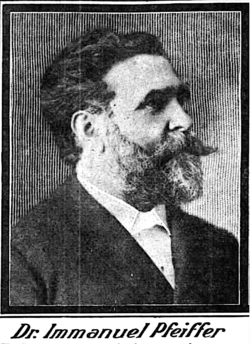
With each state facing its own form of legal pressure against natural healers, separate local leagues were required, which created significant management challenges. To coordinate these efforts on a national level, the United States Confederation of Medical Rights Leagues was established in January 1901. Its official organ, launched in May 1901, was a new publication titled Our Home Rights. Founded and edited by Dr. Immanuel Pfeiffer of Boston, the magazine would continue the same mission as Parkyn's League but on a larger scale.[192][193]
Pfeiffer had served for several years as president of the American College of Psychical Science, an affiliate of the broader network of Colleges of Psychical Science established by J. C. F. Grumbine. The first of these colleges was created in Chicago, whereParkyn held the chair of Suggestive Therapeutics in 1899.[194] Pfeiffer was already fully engaged in the medical rights struggle, having organized the Medical Rights League of Massachusetts in April 1900 with figures such as Henry Wood, working in parallel with Parkyn's Chicago initiative. Because of this background, he was regarded as the ideal figure to lead the expanded national effort.[192] Pfeiffer maintained the central emphasis on the Law of Suggestion by naming Parkyn's graduates E. Hood Corson as editor of the Therapeutic Suggestion department and R. Swinburne Clymer as editor of the Medical Freedom department.[195][193][196][197][198][199]

The Natural Healer magazine was discontinued, and its subscription list was absorbed into Our Home Rights. After the headquarters of the movement shifted east, an Illinois League was established and overseen by A. Diefenbach from offices at 4012 Cottage Grove Avenue.[191] Through the League and its publications, the Natural Healers Protective League became the first truly organized national effort to defend the legal rights of natural healers.. The goal was not only to resist unfair medical legislation but to stabilize and legitimize the entire drugless healing movement before it fractured or was overtaken by charlatan practitioners.
Affiliated figures
The school maintained close ties with leading figures in contemporary psychological and mental science research. Thomson Jay Hudson, author of The Law of Psychic Phenomena (1893), was a close associate of the school, giving lectures and regularly contributing to The Hypnotic Magazine and Suggestion. Hudson's theories of the objective and subjective mind strongly influenced Parkyn's system, and his regular essays in the Chicago School's magazines brought the school into the center of the scientific discussions on the nature of consciousness and suggestion.[200][201]
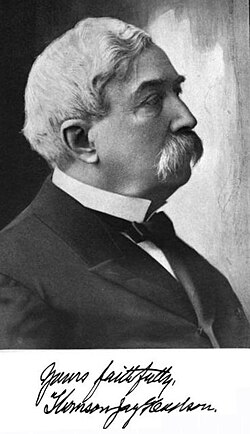 Thomson Jay Hudson
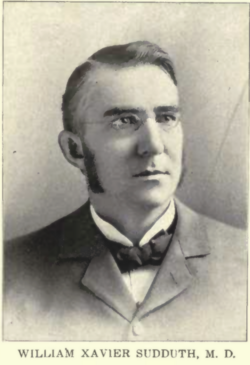 Dr. W. Xavier Sudduth
Another influential figure associated with the institution was Dr. W. Xavier Sudduth, an internationally respected physician and professor who had been one of Parkyn's early teachers and partners at the University of Minnesota. He lectured regularly at the Chicago School of Psychology, wrote many articles for The Hypnotic Magazine and Suggestion, and conducted joint experiments with Parkyn on hypnotic and suggestive phenomena. During the same period he chaired the Psychological Section of the Medico-Legal Society of New York, was the extension lecturer for the University of Chicago, and served as professor of morbid psychology at the Chicago Post-Graduate College of Medicine. His involvement linked the school's work to current medical and medico-legal research and helped secure its reputation as a serious scientific institution.[202][16][203][17][204]

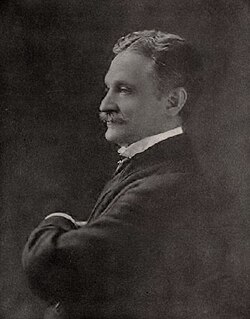
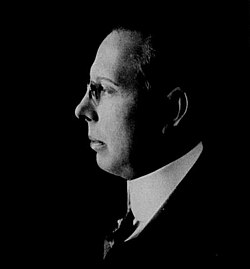 E. Virgil Neal (X. Lamotte Sage)
Among some the school's most prominent graduates involved in the New Thought movement were Stanley Lefevre Krebs, William Walker Atkinson, Sydney B. Flower, and E. Virgil Neal. Krebs, who served as both a student and instructor at the Chicago School and headed the Department of Psychic Research and Practical Psychology in Suggestion magazine, would also gain national recognition for his scientific investigations of mental phenomena and his exposure of fraudulent spiritualist practices.[205][206][207] Atkinson, who served as associate editor of Parkyn's Suggestion magazine and studied and lectured at his school, would go on to become one of the most prolific writers in the New Thought movement.[173][174][208][186] Sydney B. Flower who served as the first secretary of the school and editor of The Hypnotic Magazine, became a major New Thought publisher, issuing influential mental science books through the Psychic Research Company and founding New Thought magazine which quickly became one of the largest and most widely read journals in the movement.[209] E. Virgil Neal, who also performed on stage under the name Xenophon LaMotte Sage, would later be involved with many New Thought institution, including the infamous New York Institute of Science, before becoming a massively successful manufacturer of cosmetics based in France, where he would build the Château d’Azur in the hills above Nice.[210][211][212]
 A picture from E. Virgil Neal's Hypnotism As It Is, when he was a student at Dr.Parkyn's school in 1897.[212]
 A picture of William Walker Atkinson as a student at Parkyn's school in the summer of 1900.[213]
Several prominent African American figures in medicine and civil rights were graduates of The Chicago School of Psychology, including Dr. Charles Edwin Bentley and Dr. J. B. Oliver. Bentley was recognized nationally as one of the country's leading authorities in specialized dentistry and authored several technical works in the field. He was also a major civil rights advocate, serving as a founder of the Niagara Movement and as leader of the Chicago branch of the National Association for the Advancement of Colored People (NAACP).[214][17][215][216][217]
Dr. J. B. Oliver, born into slavery, graduated from the Howard University Medical school in 1899 and became a prominent physician and representative of the American Missionary Association promoting racial equality and civil rights throughout the South. He would later be appointed as United States minister to Liberia and Haiti.[218][219][220][221]
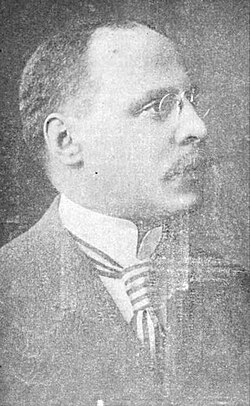 Charles E. Bentley, recognized nationally as one of the leading authorities in dentistry and a leading civil rights activist.
 Dr. J. B. Oliver, a prominent physician and civil rights leader in the early 1900s
More than a thousand students studied under Parkyn at his Chicago School of Psychology, including prominent physicians, hypnotists, educators, spiritual teachers, and business leaders of both sexes. The school's reputation was known throughout the world, and its graduates emphasized their training at the school in professional advertisements.[222][223][224][225][226][227][228][229][230][231][232][233][234][235]

Graduates promoted their affiliation with The Chicago School of Psychology in their advertisements
Together, these teachers, contributors, and graduates made the Chicago School of Psychology not only a major center for instruction but also a hub of early psychological publishing and experimentation. The network of scholars and practitioners that emerged from the school made it one of the foundational institutions in the early development of American psychological science.
Affiliated schools
The Chicago School of Psychology was recognized as the "parent school" of suggestive therapeutics in America. Under Parkyn's supervision, many of its graduates went on to establish affiliated schools throughout the United States and Canada that operated under the Chicago School's curriculum. These institutions formed a network of cooperative schools.[236][237][238]
 Ads for C. O. Sahler's Kingston School of Suggestive Therapeutics and George C. Pitzer's St. Louis School of Suggestive Therapeutics
 Ads for Albert H. Burr's Illinois College of Psychology and Suggestive Therapeutics and the Thomas Bassett Keyes sanitarium.
Among the affiliated schools were:
- Cleveland School of Suggestive Therapeutics (1897) Dr. Robert Sheerin[239][240]
- St. Louis School of Suggestive Therapeutics (1897) Dr. George C. Pitzer[241]
- Stevens Point School of Suggestive Therapeutics (1897) Dr. F. A Walter[242][243]
- Weltmer Institute of Suggestive Therapeutics (1897) Sidney A. Weltmer
- Illinois College of Psychology and Suggestive Therapeutics (1897) Dr. Arthur H. Burr and Dr. E. Perry Rice[244]
- Kingston School of Suggestive Therapeutics (1897) Dr. C. O. Sahler[244]
- Astoria School of Suggestive Therapeutics (1897) Dr. William Lee Howard[245]
- Northwestern School of Psychology and Suggestive Therapeutics (1897) Dr. T.H. Storey[246]
- California Institute of Mental Sciences (1897) Dr Smyth[247]
- Butte School of Suggestive Therapeutics (1898)[248]
- Minneapolis School of Suggestive Therapeutics (1898) Dr. Jay A. Porter[241][249]
- New York Post Graduate School of Psychology (1898) Dr. H. B. Soltan and Dr. Anna E. Park[241][249]
- Brooklyn School of Suggestive Therapeutics (1898) W. J. Colville[250][251]
- Kansas School of Suggestive Therapeutics (1898) H. Henson[244]
- Des Moines School of Suggestive Therapeutics (1898)[249]
- Chicago School of Suggestive Therapeutics (1898) Sydney B. Flower[252]
- Parsons School of Suggestive Therapeutics (1899) Dr. J. W. Tinder and Rev. W. E. Harlow[253]
- Ozark School of Psychology (1899) Dr. Joseph Kyle[254]
- Dr. W. R. Price's School of Psychology (1899) Dr. W. R. Price[255]
- Sedalia School of Suggestion (1900) Mrs. Jennie Greer[256]
- California School of Psychology and Suggestive Therapeutics (1900) Dr. S. L. Butler [257]
- Twentieth Century Physio Medical College (1900) Rev. H. Warner Newby and R. Swinburne Clymer[258][259][260]
- Portland Institute of Medical Psychology (1901) Dr. Edward H. Cowles[261][227]
- Vancouver Institute of Psychology and Suggestive Therapeutics (1901) Dr. J.E. Collinge[262]
- Illinois School of Natural Healing (1901) Dr. J. Alvin Horne[263][264]
- Atlantic School of Practical Psychology (1901) Dr. Henry M. Fancher[265]
These schools followed Parkyn's standardized methods of instruction and maintained correspondence with the Chicago School of Psychology. All of them were operated by graduates who had received a Doctor of Psychology degree from either the Chicago School or one of its affiliated schools and were authorized to teach under its principles.[14]
Closure and legacy of the Chicago School of Psychology
In 1907 Parkyn closed the Chicago School of Psychology. He had previously founded the Motzorongo Plantation Company in 1903, the largest American-controlled agricultural property in Mexico, and had agreed earlier in 1906 to organize The Black Sand and Gold Recovery Company as a promise to a longtime friend. Managing these expanding ventures alongside the school and its publication was no longer sustainable.[266][267][268][269]


Parkyn had sold Suggestion magazine in November 1906 to Henry Clay Hodges, a wealthy Detroit industrialist who was devoting his later years to expanding the principles of the New Thought movement. Hodges had long advertised his book series Science and the Key to Life in the magazine and was an enthusiastic supporter of the "Suggestion family." Hodges stated he would continue the publication under the same focus and philosophy, changing only its name to The Stellar Ray.[270][271][272][273][274][266][275][276]:165 Although the Chicago School of Psychology closed, Parkyn and the school's influence persisted and continued to expand. By 1907, more than a hundred affiliated schools, clinics, and magazines in the United States and abroad were teaching the Chicago School system of suggestive therapeutics and auto-suggestion, forming what was referred to as the "Suggestion family." Parkyn continued to work behind the scenes and to provide financial and legal support to the movement. Much of his involvement in large-scale business ventures was motivated by his desire to secure the resources necessary to protect and advance the Law of Suggestion.[14][277]
 Suggestion becomes The Stellar Ray
 Flower's 1923 magazine The Thinker, featuring a series by Dr. Parkyn.

Dr, Parkyn and the school's influence continued into the 1920s, when the rise of Émile Coué in the United States renewed national interest in auto-suggestion. During this period Parkyn rejoined Sydney B. Flower and contributed a series of articles on auto-suggestion to the magazine The Thinker, clarifying the method he had taught decades earlier. Parkyn also delivered one of the earliest radio broadcasts devoted to instruction in auto-suggestion.[278][279]
The Chicago School of Psychology was an influential institution in the early development of psychological medicine. Its scientific curriculum and clinical work bridged the transition from nineteenth-century hypnotism to the emerging study of the subconscious, creating a medically grounded framework for the use of suggestion in healing.[14]
Further reading
- The Chicago School of Psychology statement of principles pamphlet, by Dr. Herbert A. Parkyn (1896)
- The Hypnotic Magazine 1896–1897 Monthly, Chicago, IL. Publisher: Psychic Publishing Co. Editor: Sydney B. Flower
- Suggestion Magazine 1898–1906 Monthly, Chicago, IL. Publisher: Suggestion Publishing Co. Editor: Herbert A. Parkyn
- A Mail Course in Suggestive Therapeutics and Hypnotism by Herbert A. Parkyn, 1898 and 1900,
- Auto-Suggestion; What it is and How to Use it for Health, Happiness and Success" by Herbert A. Parkyn (1905)
- Hypnotism Up to Date by Sydney Blanshard Flower and Dr. Herbert A. Parkyn, (1896) Charles H. Kerr & Co., Chicago.
- A Study in Hypnotism by Sydney Blanshard Flower (1896) Psychic Publishing Co.
- The Law of Suggestion: A Compendium for the People. by Stanley Lefevre Krebs (1916).
- Thought-force in Business and Everyday Life. by William Walker Atkinson (1901) University of Psychic Science
- A Complete Course in the Art of Mind-Reading anonymous, Psychic Research Co. (1900)
- The Law of Psychic Phenomena by Thomson Jay Hudson, (1893)
- Hypnotism as it is: A Book for Everybody by Xenophon LaMotte Sage, aka E. Virgil Neal (1897)
- The Chicago School of Psychology and Hypnotic Magazine, by John M. Andrick