
เอกสารแสดงตน


เอกสารแสดงตน (ย่อว่าID ) คือเอกสาร ที่ใช้พิสูจน์ ตัวตนของ บุคคล
หากเอกสารประจำตัวเป็นบัตรพลาสติกจะเรียกว่าบัตรประจำตัวประชาชน (ย่อว่าICหรือID card ) เมื่อเอกสารประจำตัวมีรูปถ่ายจะเรียกว่าบัตรประจำตัวประชาชนแบบมีรูปถ่าย [ 1 ] ใน บางประเทศ อาจ กำหนดให้ต้องมีหรือพก เอกสารประจำตัวประชาชน
เอกสารแสดงตนใช้เพื่อเชื่อมโยงบุคคลกับข้อมูลเกี่ยวกับบุคคลนั้น ซึ่งมักจะอยู่ในฐานข้อมูลการเชื่อมโยงระหว่างเอกสารแสดงตนกับฐานข้อมูลนั้นขึ้นอยู่กับข้อมูลส่วนบุคคลที่มีอยู่ในเอกสาร เช่นชื่อเต็มวันเกิดที่อยู่ หมายเลขประจำตัวประชาชน หมายเลขบัตร เพศสัญชาติและอื่นๆหมายเลขประจำตัวประชาชน ที่ไม่ซ้ำกัน เป็นวิธีที่ปลอดภัยที่สุด แต่บางประเทศไม่มีหมายเลขดังกล่าวหรือไม่ได้แสดงไว้ในเอกสารแสดงตน
ในกรณีที่ไม่มีเอกสารแสดงตนที่ชัดเจน เอกสารอื่นๆ เช่นใบขับขี่อาจได้รับการยอมรับในหลายประเทศเพื่อใช้ในการตรวจสอบยืนยันตัวตนบางประเทศไม่ยอมรับใบขับขี่เป็นเอกสารแสดงตน เนื่องจากในประเทศเหล่านั้น ใบขับขี่ไม่มีวันหมดอายุ และอาจเก่าหรือปลอมแปลงได้ง่าย ประเทศส่วนใหญ่ยอมรับหนังสือเดินทางเป็นเอกสารแสดงตน บางประเทศกำหนดให้ทุกคนต้องมีเอกสารแสดงตนติดตัวตลอดเวลา หลายประเทศกำหนดให้ชาวต่างชาติทุกคนต้องมีหนังสือเดินทาง หรือบางครั้งอาจเป็นบัตรประจำตัวประชาชนจากประเทศบ้านเกิดติดตัวตลอดเวลา หากไม่มีใบอนุญาตพำนักในประเทศนั้นๆ
ประวัติศาสตร์

หนังสือเดินทางฉบับหนึ่งที่ถือว่าเป็นเอกสารประจำตัวที่เก่าแก่ที่สุดที่บัญญัติไว้ในกฎหมายนั้น ถูกนำมาใช้โดยพระเจ้าเฮนรีที่ 5 แห่งอังกฤษพร้อมกับพระราชบัญญัติ Safe Conducts Act 1414 [ 2 ]
ตลอดระยะเวลา 500 ปี จนกระทั่งถึงช่วงเริ่มต้นของสงครามโลกครั้งที่หนึ่งคนส่วนใหญ่ไม่มีหรือไม่มีความจำเป็นต้องมีเอกสารแสดงตน
การระบุตัวตนด้วยภาพถ่ายปรากฏขึ้นในปี พ.ศ. 2419 [ 3 ]แต่ยังไม่เป็นที่นิยมใช้กันอย่างแพร่หลายจนกระทั่งต้นศตวรรษที่ 20 เมื่อภาพถ่ายกลายเป็นส่วนหนึ่งของหนังสือเดินทางและเอกสารประจำตัวอื่นๆ ซึ่งทั้งหมดนี้ถูกเรียกว่า " บัตรประจำตัวที่มีรูปถ่าย " ในช่วงปลายศตวรรษที่ 20 ตัวอย่างเช่น ทั้งออสเตรเลียและสหราชอาณาจักรได้นำข้อกำหนดสำหรับหนังสือเดินทางที่มีรูปถ่ายมาใช้ในปี พ.ศ. 2458 หลังจากเหตุการณ์อื้อฉาวสายลับโลดี[ 4 ]
รูปทรงและขนาดของบัตรประจำตัวประชาชนได้รับการกำหนดมาตรฐานในปี 1985 โดยมาตรฐาน ISO/IEC 7810 บัตร ประจำตัวประชาชนสมัยใหม่บางประเภทเป็นสมาร์ทการ์ดซึ่งมีวงจรรวมแบบฝังตัวที่ปลอมแปลงได้ยาก ซึ่งได้รับการกำหนดมาตรฐานในปี 1988 โดยมาตรฐาน ISO/IEC 7816 เทคโนโลยีใหม่ ๆช่วยให้บัตรประจำตัวประชาชนสามารถบรรจุ ข้อมูล ไบโอเมตริกเช่นรูปถ่ายใบหน้ามือหรือการ วัด ม่านตาหรือลายนิ้วมือได้หลายประเทศออกบัตรประจำตัวประชาชนอิเล็กทรอนิกส์
การรับเลี้ยงบุตรบุญธรรม
เจ้าหน้าที่ บังคับใช้กฎหมายอ้างว่าบัตรประจำตัวประชาชนทำให้การเฝ้าระวังและการค้นหาอาชญากรทำได้ง่ายขึ้น ดังนั้นจึงสนับสนุนการนำบัตรประจำตัวประชาชนมาใช้ทั่วประเทศ ในประเทศที่ยังไม่มีบัตรประจำตัวประชาชนระดับชาติ มีความกังวลเกี่ยวกับต้นทุนที่คาดการณ์ไว้และการใช้บัตรสมาร์ทการ์ดไฮเทคในทางที่ผิด
ในหลายประเทศ โดยเฉพาะประเทศ ที่ใช้ภาษาอังกฤษ เช่นออสเตรเลียแคนาดาไอร์แลนด์นิวซีแลนด์สหราชอาณาจักรและสหรัฐอเมริกาไม่มีบัตรประจำตัวประชาชนที่รัฐบาลออกให้สำหรับพลเมืองทุกคน บัตรบริการสาธารณะของไอร์แลนด์ไม่ถือว่าเป็นบัตรประจำตัวประชาชนโดยกรมกิจการการจ้างงานและการคุ้มครองทางสังคม (DEASP) [ 5 ] แต่หลายคนกล่าวว่าในความเป็นจริงมันกำลังกลายเป็นเช่นนั้น และไม่มีการถกเถียงสาธารณะหรือแม้แต่พื้นฐานทางกฎหมาย[ 6 ]
ในประเทศเหล่านี้มีการถกเถียงกันว่าบัตรประจำตัวและฐานข้อมูลส่วนกลางที่เกี่ยวข้องนั้นเป็นการละเมิดความเป็นส่วนตัวและเสรีภาพของพลเมืองหรือไม่ คำวิจารณ์ส่วนใหญ่มุ่งไปที่ความเป็นไปได้ในการใช้ฐานข้อมูลส่วนกลางที่เก็บข้อมูลที่ละเอียดอ่อนในทางที่ผิด จากการสำรวจนักศึกษาของมหาวิทยาลัยเปิดแห่ง สหราชอาณาจักรในปี 2549 พบว่าบัตรประจำตัวประชาชนภาคบังคับตามพระราชบัญญัติบัตรประจำตัวประชาชนปี 2549 ควบคู่กับฐานข้อมูลส่วนกลางของรัฐบาลนั้น ก่อให้เกิดปฏิกิริยาเชิงลบมากที่สุดในบรรดาตัวเลือกต่างๆ ไม่มีประเทศใดในรายชื่อข้างต้นที่บังคับใช้เอกสารประจำตัว แต่มีสิ่ง ที่เทียบเท่ากัน ในทางปฏิบัติเนื่องจากประเทศเหล่านี้ยังคงต้องการหลักฐานยืนยันตัวตนในหลายสถานการณ์ ตัวอย่างเช่น ผู้ขับขี่ยานพาหนะทุกคนต้องมีใบขับขี่ และเยาวชนอาจต้องใช้ "บัตรแสดงอายุ" ที่ออกให้เป็นพิเศษเมื่อซื้อเครื่องดื่มแอลกอฮอล์
ข้อโต้แย้งสำหรับ
เหตุผลสนับสนุนการใช้เอกสารแสดงตน:
- เพื่อป้องกันการระบุตัวบุคคลผิดพลาดและต่อสู้กับการฉ้อโกงควรมีวิธีการที่ปลอดภัยในการตรวจสอบตัวตนของบุคคล
เหตุผลสนับสนุนเอกสารแสดงตนประจำชาติ:
- หากใช้เพียงทางเลือกจากภาคเอกชน เช่น บัตรประจำตัวที่ออกโดยธนาคาร ความไม่สอดคล้องกันในเรื่องนโยบายการออกบัตรอาจนำไปสู่ปัญหาในภายหลัง ตัวอย่างเช่น ในสวีเดน บริษัทเอกชน เช่น ธนาคาร (อ้างเหตุผลด้านความปลอดภัย) ปฏิเสธที่จะออกบัตรประจำตัวให้กับบุคคลที่ไม่มีบัตรประจำตัวประชาชนหรือหนังสือเดินทางสวีเดน ทำให้รัฐบาลต้องเริ่มออกบัตรประจำตัวประชาชนเอง นอกจากนี้ยังควบคุมการใช้ข้อมูลของบริษัทเอกชนได้ยากกว่า เช่น เมื่อบริษัทผู้ออกบัตรเครดิตหรือบริษัทโซเชียลมีเดียติดตามพฤติกรรมการซื้อเพื่อช่วยในการกำหนดเป้าหมายโฆษณา
ข้อโต้แย้ง
ข้อโต้แย้งเกี่ยวกับเอกสารแสดงตัวตน:
- ต้นทุนการพัฒนาและการบริหารระบบบัตรประจำตัวประชาชนอาจสูง ตัวเลขตั้งแต่ 30 ถึง 90 ปอนด์ หรือสูงกว่านั้นถูกเสนอสำหรับ บัตรประจำตัวประชาชน ของสหราชอาณาจักร ที่ถูกยกเลิก ในประเทศต่างๆ เช่นชิลีบัตรประจำตัวประชาชนจะถูกจ่ายโดยแต่ละคนสูงสุดถึง 6 ปอนด์ ในประเทศอื่นๆ เช่นฝรั่งเศสหรือเวเนซุเอลาบัตรประจำตัวประชาชนนั้นฟรี[ 7 ] [ 8 ]อย่างไรก็ตาม นี่ไม่ได้เปิดเผยต้นทุนที่แท้จริงของการออกบัตรประจำตัวประชาชน เนื่องจากส่วนเพิ่มเติมบางส่วนอาจตกเป็นภาระของผู้เสียภาษีโดยทั่วไป
ข้อโต้แย้งเกี่ยวกับการออกเอกสารแสดงตนประจำชาติ:
- แทนที่จะพึ่งพาบัตรประจำตัวที่ออกโดยรัฐบาลนโยบายของรัฐบาลกลางสหรัฐฯได้ส่งเสริมระบบการระบุตัวตนที่หลากหลายซึ่งมีอยู่แล้ว เช่น ใบขับขี่ ใบอนุญาตอาวุธปืน หรือบัตรส่วนตัว
ข้อโต้แย้งเกี่ยวกับการใช้เอกสารแสดงตัวตนมากเกินไปหรือในทางที่ผิด:
- บัตรที่อาศัยฐานข้อมูลส่วนกลางสามารถใช้ติดตามการเคลื่อนไหวทางกายภาพและชีวิตส่วนตัวของบุคคลได้ ซึ่งถือเป็นการละเมิดเสรีภาพและความเป็นส่วนตัว ของบุคคล บัตรประจำตัวประชาชนของอังกฤษที่เสนอมานั้นเสนอให้ใช้ฐานข้อมูลที่เชื่อมโยงกันหลายชุดซึ่งบริหารจัดการโดย บริษัท ในภาคเอกชนการจัดการระบบที่เชื่อมโยงกันที่แตกต่างกันในหลายสถาบันและบุคลากรจำนวนมากนั้นถือเป็นหายนะด้านความปลอดภัยที่กำลังจะเกิดขึ้น[ 9 ]
- หากมีการระบุเชื้อชาติในเอกสารประจำตัวที่จำเป็น ข้อมูลนี้อาจนำไปสู่การเลือกปฏิบัติทางเชื้อชาติได้
นโยบายระดับชาติ
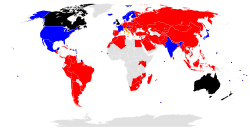
จากข้อมูลของPrivacy Internationalในปี 1996 การมีบัตรประจำตัวประชาชนเป็นสิ่งจำเป็นในประมาณ 100 ประเทศ แม้ว่าคำว่า "จำเป็น" จะแตกต่างกันไป ในบางประเทศ การมีบัตรประจำตัวประชาชนเป็นสิ่งจำเป็นเมื่อบุคคลมีอายุครบตามที่กำหนด โทษสำหรับการไม่พกบัตรประจำตัวประชาชนมักจะเป็นการปรับ แต่ในบางกรณีอาจส่งผลให้ถูกควบคุมตัวจนกว่าจะสามารถยืนยันตัวตนได้ สำหรับผู้ที่ต้องสงสัยว่ากระทำความผิด เช่น การลักขโมยในร้านค้าหรือการหลีกเลี่ยงค่าโดยสาร การไม่พกบัตรประจำตัวประชาชนอาจส่งผลให้ถูกควบคุมตัวได้ แม้ในประเทศที่ไม่ได้กำหนดให้ต้องมีบัตรประจำตัวประชาชนอย่างเป็นทางการก็ตาม ในทางปฏิบัติ การตรวจสอบแบบสุ่มนั้นเกิดขึ้นไม่บ่อยนัก ยกเว้นในบางสถานการณ์
ประเทศจำนวนหนึ่งไม่ได้ออกบัตรประจำตัวประชาชน ได้แก่อันดอร์รา[ 10 ] ออสเตรเลีย บาฮามาส[ 11 ] แคนาดานาอูรูนิวซีแลนด์ซามัวตูวาลูและสหราชอาณาจักร[ 12 ] เอกสารประจำตัวอื่นๆ เช่น หนังสือเดินทาง หรือใบขับขี่จึงถูกนำมาใช้เป็นเอกสารประจำตัวเมื่อจำเป็น อย่างไรก็ตาม รัฐบาลของบาฮามาสและซามัวกำลังวางแผนที่จะนำบัตรประจำตัวประชาชนแบบใหม่มาใช้ในอนาคตอันใกล้นี้[ 13 ] [ 14 ]บางประเทศเช่น เดนมาร์ก มีบัตรประจำตัวประชาชนแบบง่ายๆ ซึ่งไม่ตรงกับระดับความปลอดภัยและการยอมรับของบัตรประจำตัวประชาชน และถูกใช้โดยผู้ที่ไม่มีใบขับขี่
หลายประเทศมีโครงการบัตรประจำตัวประชาชนแบบสมัครใจ ได้แก่ ออสเตรีย เบลีซ ฟินแลนด์ ฝรั่งเศส (ดูในส่วนของฝรั่งเศส ) ฮังการี (อย่างไรก็ตาม พลเมืองฮังการีทุกคนต้องมีอย่างน้อยหนึ่งอย่างต่อไปนี้: หนังสือเดินทางที่ยังไม่หมดอายุ ใบขับขี่ที่มีรูปถ่าย หรือบัตรประจำตัวประชาชน) ไอซ์แลนด์ ไอร์แลนด์ นอร์เวย์ เซนต์ลูเซีย สวีเดน สวิตเซอร์แลนด์ และสหรัฐอเมริกาโครงการ ของสหราชอาณาจักร ถูกยกเลิกในเดือนมกราคม 2554 และฐานข้อมูลถูกทำลายไปแล้ว
ในสหรัฐอเมริกา รัฐบาลกลางออกบัตรประจำตัวประชาชนแบบไม่บังคับที่เรียกว่า " บัตรพาสปอร์ต " (ซึ่งมีข้อมูลสำคัญ เช่น สัญชาติ) ในขณะเดียวกัน รัฐต่างๆ ก็ออกบัตรประจำตัวประชาชนแบบไม่บังคับสำหรับผู้ที่ไม่มีใบขับขี่ เพื่อใช้เป็นหลักฐานแสดงตัวตนทางเลือก บัตรเหล่านี้ออกโดยหน่วยงานเดียวกันกับที่รับผิดชอบเรื่องใบขับขี่ ซึ่งโดยทั่วไปเรียกว่ากรมการขนส่งทางบกบัตรพาสปอร์ตมีข้อจำกัดด้านสถานะหรือสิทธิในการเดินทาง โดยปกติจะใช้สำหรับการเดินทางภายในประเทศเท่านั้น
สำหรับชาวซาห์ราวีในเวสเทิร์นซาฮาราบัตรประจำตัวประชาชนสเปนที่ออกก่อนปี 1975 เป็นหลักฐานสำคัญที่แสดงว่าพวกเขาเป็นพลเมืองซาห์ราวี ไม่ใช่ผู้ตั้งถิ่นฐานชาวโมร็อกโกที่เพิ่งเข้ามาใหม่ ดังนั้นพวกเขาจึงมีสิทธิ์ออกเสียงในการลงประชามติเพื่อ กำหนดอนาคตของตนเอง ในอนาคต
บริษัทและหน่วยงานของรัฐอาจออกบัตรประจำตัวเพื่อวัตถุประสงค์ด้านความปลอดภัย หลักฐานแสดงตัวตนหรือเพื่อเป็นหลักฐานแสดงคุณวุฒิ (โดยไม่ต้องพิสูจน์ตัวตน) ตัวอย่างเช่นคนขับรถแท็กซี่ ทุกคน ในสหราชอาณาจักรมีบัตรประจำตัว ผู้จัดการ หัวหน้างาน และผู้ปฏิบัติงานด้านการก่อสร้างในสหราชอาณาจักรสามารถขอรับบัตรประจำตัวที่มีรูปถ่าย[ 15 ]บัตร CSCS (Construction Skills Certification Scheme) ซึ่งแสดงถึงการฝึกอบรมและทักษะ รวมถึงการฝึกอบรมด้านความปลอดภัย บัตรนี้ไม่ใช่บัตรประจำตัวหรือข้อกำหนดทางกฎหมาย แต่ช่วยให้ผู้ถือบัตรสามารถพิสูจน์ความสามารถได้โดยไม่ต้องแสดงเอกสารที่เกี่ยวข้องทั้งหมด ผู้ที่ทำงานบนที่ดินทางรถไฟในสหราชอาณาจักรใกล้กับเส้นทางที่ใช้งานอยู่จะต้องมีบัตรประจำตัวที่มีรูปถ่ายเพื่อแสดงการฝึกอบรมด้านความปลอดภัยทางราง (PTS และบัตรอื่นๆ) ซึ่งการครอบครองบัตรดังกล่าวขึ้นอยู่กับการตรวจคัดกรองแอลกอฮอล์และยาเสพ ติดเป็นระยะและแบบสุ่ม ใน รัฐ ควีนส์แลนด์และรัฐเวสเทิร์นออสเตรเลียผู้ที่ทำงานกับเด็กทุกคนจะต้องผ่านการตรวจสอบประวัติและได้รับบัตรBlue Cardหรือ Working with Children Card ตามลำดับ
แอฟริกา
เคปเวอร์เด
Cartão Nacional de Identificação (CNI) เป็นบัตรประจำตัวประชาชนของ เค ป เวิร์ด
อียิปต์
พลเมืองชาวอียิปต์ทุกคนที่มีอายุ 16 ปีขึ้นไปจำเป็นต้องมีบัตรประจำตัวประชาชน[ 16 ] ( ภาษาอาหรับ : بطاقة تحقيق شخصية Biṭāqat taḥqīq shakhṣiyyaแปลตรงตัวว่า "บัตรประจำตัวประชาชน") ในภาษาพูดทั่วไปในชีวิตประจำวันมักเรียกกันง่ายๆ ว่า "el-biṭāqa" ("บัตร") ใช้สำหรับ:
- การเปิดหรือปิดบัญชีธนาคาร
- การลงทะเบียนเรียนที่โรงเรียนหรือมหาวิทยาลัย
- การลงทะเบียนหมายเลขโทรศัพท์มือถือหรือโทรศัพท์บ้าน
- การติดต่อประสานงานกับหน่วยงานราชการส่วนใหญ่ รวมถึง:
- Applying for or renewing a driver's license
- Applying for a passport
- Applying for any social services or grants
- Registering to vote, and voting in elections
- Registering as a taxpayer
Egyptian ID cards consist of 14 digits, the national identity number, and expire after 7 years from the date of issue. Some feel that Egyptian ID cards are problematic, due to the general poor quality of card holders' photographs and the compulsory requirements for ID card holders to identify their religion and for married women to include their husband's name on their cards.
Gambia
All Gambian citizens over 18 years of age are required to hold a Gambian National Identity Card. In July 2009, a new biometric identity card was introduced. The biometric card is one of the acceptable documents required to apply for a Gambian Driving Licence.
Ghana
Ghana begun the issuing of a national identity card for Ghanaian citizens in 1973.[17] However, the project was discontinued three years later due to problems with logistics and lack of financial support. This was the first time the idea of national identification systems in the form of the Ghana Card arose in the country.[17] Full implementation of the Ghana Cards begun from 2006.[18] According to the National Identification Authority, over 15 million Ghanaians have been registered for the Ghana card by September 2020.[19]
Liberia
Liberia has begun the issuance process of its national biometric identification card, which citizens and foreign residents will use to open bank accounts and participate in other government services on a daily basis.
More than 4.5 million people are expected to register and obtain ID cards of citizenship or residence in Liberia. The project has already started where NIR (National Identification Registry) is issuing Citizen National ID Cards. The centralized National Biometric Identification System (NBIS) will be integrated with other government ministries. Resident ID Cards and ECOWAS ID Cards will also be issued.[20]
Mauritius
Mauritius requires all citizens who have reached the age of 18 to apply for a National Identity Card. The National Identity Card is one of the few accepted forms of identification, along with passports. A National Identity Card is needed to apply for a passport for all adults, and all minors must take with them the National Identity Card of a parent(s) when applying for a passport.[21]
Mozambique
Bilhete de identidade (BI) is the national ID card of Mozambique.
Nigeria
ไนจีเรียเริ่มใช้บัตรประจำตัวประชาชนครั้งแรกในปี 2548 แต่การใช้งานในตอนนั้นยังจำกัดและไม่แพร่หลาย ปัจจุบันประเทศกำลังดำเนินการนำบัตรประจำตัวไบโอเมตริกแบบใหม่มาใช้ ซึ่งมาพร้อมกับสมาร์ทการ์ดและคุณสมบัติด้านความปลอดภัยอื่นๆ คณะกรรมการบริหารจัดการข้อมูลประจำตัวแห่งชาติ (NIMC) [ 22 ]เป็นหน่วยงานของรัฐบาลกลางที่รับผิดชอบในการออกบัตรใหม่เหล่านี้ รวมถึงการจัดการฐานข้อมูลข้อมูลประจำตัวแห่งชาติใหม่ รัฐบาลกลางของไนจีเรียประกาศในเดือนเมษายน 2556 [ 23 ]ว่าหลังจากการเลือกตั้งทั่วไปครั้งต่อไปในปี 2558 การเลือกตั้งครั้งต่อๆ ไปทั้งหมดจะกำหนดให้ผู้มีสิทธิเลือกตั้งจะต้องแสดงบัตรประจำตัวประชาชนที่ออกโดย NIMC จึงจะมีสิทธิลงสมัครรับเลือกตั้งหรือลงคะแนนเสียงได้ ธนาคารกลางของไนจีเรียกำลังพิจารณาสั่งการให้ธนาคารต่างๆ ขอหมายเลขประจำตัวประชาชน (NIN) สำหรับพลเมืองทุกคนที่มีบัญชีกับธนาคารใดๆ ที่ดำเนินงานในไนจีเรีย วันที่เริ่มต้นที่เสนอไว้ยังไม่ได้กำหนด
แอฟริกาใต้
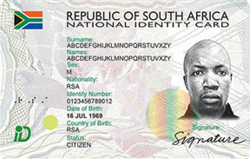
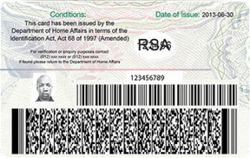
พลเมืองแอฟริกาใต้ที่มีอายุ 15 ปี 6 เดือนขึ้นไป มีสิทธิ์ได้รับบัตรประจำตัวประชาชน บัตรประจำตัวประชาชนแอฟริกาใต้ไม่สามารถใช้เป็นเอกสารเดินทางหรือใช้ในต่างประเทศได้ แม้ว่าการพกบัตรประจำตัวประชาชนจะไม่จำเป็นในชีวิตประจำวัน แต่จำเป็นต้องแสดงบัตรประจำตัวประชาชนหรือสำเนาที่ได้รับการรับรองเพื่อเป็นหลักฐานยืนยันตัวตนเมื่อ:
- การลงนามในสัญญา ซึ่งรวมถึง
- การเปิดหรือปิดบัญชีธนาคาร
- การลงทะเบียนเรียนที่โรงเรียนหรือมหาวิทยาลัย
- การซื้อโทรศัพท์มือถือและการลงทะเบียนหมายเลข
- การติดต่อประสานงานกับหน่วยงานภาครัฐส่วนใหญ่ รวมถึง
- การยื่นขอหรือต่ออายุใบขับขี่หรือใบอนุญาตอาวุธปืน
- การยื่นขอหนังสือเดินทาง
- การยื่นขอรับบริการทางสังคมหรือเงินช่วยเหลือต่างๆ
- การลงทะเบียนเพื่อลงคะแนนเสียง และการลงคะแนนเสียงในการเลือกตั้ง
- การลงทะเบียนเป็นผู้เสียภาษีหรือประกันการว่างงาน
เอกสารประจำตัวของแอฟริกาใต้เคยมีใบอนุญาตขับขี่และใบอนุญาตอาวุธปืน รวมอยู่ด้วย อย่างไรก็ตาม ปัจจุบันเอกสารเหล่านี้ออกแยกต่างหากในรูปแบบบัตร ในช่วงกลางปี 2556 ได้มีการเปิดตัวบัตรประจำตัวประชาชนแบบสมาร์ทการ์ดเพื่อทดแทนสมุดประจำตัว บัตรดังกล่าวเปิดตัวเมื่อวันที่ 18 กรกฎาคม 2556 โดยมีบุคคลสำคัญหลายท่านได้รับบัตรชุดแรกในพิธีที่เมืองพริทอเรีย[ 24 ]รัฐบาลมีแผนที่จะทยอยยกเลิกสมุดประจำตัวภายในระยะเวลา 6-8 ปี[ 25 ]รัฐบาลแอฟริกาใต้กำลังพิจารณาความเป็นไปได้ในการใช้สมาร์ทการ์ดนี้ไม่เพียงแต่เป็นบัตรประจำตัวประชาชนเท่านั้น แต่ยังใช้สำหรับใบอนุญาตประกันสุขภาพแห่งชาติและเงินช่วยเหลือทางสังคมด้วย[ 26 ]
ตูนิเซีย
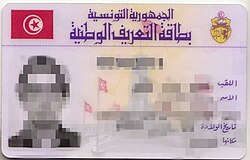
พลเมืองทุกคนในตูนิเซียจะต้องยื่นขอรับบัตรประจำตัวประชาชนเมื่ออายุครบ 18 ปี อย่างไรก็ตาม หากได้รับความยินยอมจากผู้ปกครอง พลเมืองตูนิเซียอาจยื่นขอรับและได้รับบัตรประจำตัวประชาชนก่อนวันเกิดครบ 18 ปีได้ตามคำขอของผู้ปกครอง
ในปี พ.ศ. 2559 รัฐบาลได้เสนอร่างกฎหมายฉบับใหม่ต่อรัฐสภาเพื่อออกเอกสารประจำตัวไบโอเมตริกฉบับใหม่ ร่างกฎหมายดังกล่าวก่อให้เกิดความขัดแย้งในหมู่องค์กรภาคประชาสังคม[ 27 ]
ซิมบับเว
พลเมือง ซิมบับเวต้องยื่นขอทะเบียนราษฎรเมื่ออายุ 16 ปี พลเมืองซิมบับเวจะได้รับบัตรพลาสติกที่มีรูปถ่ายและข้อมูลส่วนตัว ก่อนที่จะมีการนำบัตรพลาสติกมาใช้ บัตรประจำตัวประชาชนของซิมบับเวเคยพิมพ์บนแผ่นอะลูมิเนียมชุบอะโนไดซ์ ทะเบียนราษฎร (รวมถึงแบบโลหะเก่า) ได้รับการยอมรับอย่างแพร่หลายในฐานะหลักฐานแสดงตัวตนในซิมบับเว เช่นเดียวกับใบขับขี่ พลเมืองซิมบับเวต้องพกบัตรประจำตัวติดตัวตลอดเวลาตามกฎหมาย และผู้ที่มาเยือนซิมบับเวต้องพกหนังสือเดินทางติดตัวตลอดเวลา
เอเชีย
อัฟกานิสถาน
พลเมืองอัฟกานิสถานที่มีอายุมากกว่า 18 ปี ต้องพกบัตรประจำตัวประชาชนที่เรียกว่าตาซกีรา (Tazkira )
บาห์เรน
พลเมืองบาห์เรนต้องมีทั้งบัตรประจำตัวประชาชน หรือที่เรียกว่า "สมาร์ทการ์ด" ซึ่งได้รับการยอมรับว่าเป็นเอกสารราชการและสามารถใช้ได้ภายในกลุ่มประเทศความร่วมมืออ่าวเปอร์เซียและหนังสือเดินทาง ซึ่งได้รับการยอมรับทั่วโลก
บังกลาเทศ
ระบบการตรวจสอบตัวตนด้วยไบโอเมตริกซ์มีใช้ในบังกลาเทศมาตั้งแต่ปี 2551 พลเมืองบังกลาเทศทุกคนที่มีอายุ 18 ปีขึ้นไปจะถูกบันทึกข้อมูลลงในฐานข้อมูลไบโอเมตริกซ์ส่วนกลาง ซึ่งคณะกรรมการการเลือกตั้งบังกลาเทศใช้ในการกำกับดูแลกระบวนการเลือกตั้งในบังกลาเทศ พลเมืองบังกลาเทศทุกคนจะได้รับบัตรประจำตัวประชาชน (NID Card)ซึ่งสามารถใช้ในการขอหนังสือเดินทาง ใบขับขี่ บัตรเครดิต และการจดทะเบียนกรรมสิทธิ์ที่ดินได้
ภูฏาน
บัตรประจำตัวประชาชนภูฏาน (เรียกว่าบัตรพลเมืองภูฏาน) เป็นบัตรประจำตัวอิเล็กทรอนิกส์ที่บังคับใช้กับพลเมืองภูฏานทุกคน และมีราคา 100 งุลตรัมภูฏาน
จีน

สาธารณรัฐประชาชนจีนกำหนดให้พลเมืองทุกคนที่มีอายุ 16 ปีขึ้นไปต้องพกบัตรประจำตัวประชาชน บัตรประจำตัวประชาชนเป็นเอกสารทางกฎหมายที่ยอมรับได้เพียงอย่างเดียวสำหรับการสมัครงาน ใบอนุญาตพำนักอาศัย ใบขับขี่ หรือหนังสือเดินทาง การเปิดบัญชีธนาคาร หรือการสมัครเข้าศึกษาต่อในระดับอุดมศึกษาและวิทยาลัยเทคนิค และการเข้าถึงบริการออนไลน์เช่น TapTapและBilibili
ฮ่องกง
บัตรประจำตัวประชาชนฮ่องกง (หรือHKID ) เป็นเอกสารประจำตัวอย่างเป็นทางการที่ออกโดยกรมตรวจคนเข้าเมืองฮ่องกงให้แก่ทุกคนที่มีสิทธิ์พำนัก สิทธิ์ในที่ดิน หรือสิทธิ์ในการพำนักแบบจำกัดระยะเวลาอื่น ๆ นานกว่า 180 วันในฮ่องกง ตามกฎหมายพื้นฐานของฮ่องกงผู้พำนักถาวรทุกคนมีสิทธิ์ได้รับบัตรประจำตัวประชาชนฮ่องกงถาวรซึ่งระบุว่าผู้ถือบัตรมีสิทธิ์พำนักในฮ่องกงบุคคลทุกคนที่มีอายุ 16 ปีขึ้นไปต้องพกเอกสารประจำตัวที่ออกโดยรัฐบาลที่ถูกต้องตามกฎหมายในที่สาธารณะ บุคคลทุกคนที่มีอายุ 16 ปีขึ้นไปต้องสามารถแสดงเอกสารประจำตัวที่ออกโดยรัฐบาลที่ถูกต้องตามกฎหมายเมื่อเจ้าหน้าที่ร้องขอ มิเช่นนั้นอาจถูกควบคุมตัวเพื่อตรวจสอบตัวตนและสิทธิ์ตามกฎหมายในการอยู่ในฮ่องกง
อินเดีย
แม้ว่าในอินเดียจะไม่มีบัตรประจำตัวประชาชนที่บังคับใช้ แต่ บัตร Aadhaarซึ่งเป็นบัตรประจำตัวประชาชนอเนกประสงค์ที่มีรายละเอียดส่วนบุคคล 16 รายการและหมายเลขประจำตัวที่ไม่ซ้ำกัน ก็มีให้สำหรับพลเมืองทุกคนตั้งแต่ปี 2552 [ 28 ]บัตรนี้มีรูปถ่าย ชื่อเต็ม วันเกิด และหมายเลขประจำตัวประชาชน 12 หลักที่ไม่ซ้ำกันซึ่งสร้างขึ้นแบบสุ่ม อย่างไรก็ตาม โดยปกติแล้วไม่จำเป็นต้องใช้บัตรนี้เป็นหลักฐาน เพียงแค่หมายเลขหรือสำเนาบัตรก็เพียงพอแล้ว บัตรนี้มีรหัส QR ของ SCOSTA ฝังอยู่บนบัตร ซึ่งสามารถเข้าถึงรายละเอียดทั้งหมดบนบัตรได้[ 29 ]นอกจาก Aadhaar แล้ว ยังมีการใช้ บัตรPAN บัตรปันส่วนบัตรเลือกตั้ง และใบขับขี่ บัตรเหล่านี้อาจออกโดยรัฐบาลอินเดียหรือรัฐบาลของรัฐใดรัฐหนึ่ง และมีผลใช้ได้ทั่วประเทศ นอกจากนี้ยังสามารถใช้หนังสือเดินทางอินเดียได้อีกด้วย
อินโดนีเซีย
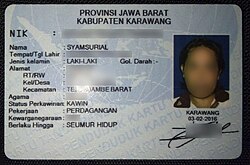
ผู้ที่อาศัยอยู่ในประเทศที่มีอายุมากกว่า 17 ปี จะต้องมีบัตรประจำตัวประชาชน (KTP) บัตรนี้จะระบุว่าผู้ถือบัตรเป็นพลเมืองอินโดนีเซียหรือชาวต่างชาติในปี 2554 รัฐบาลอินโดนีเซียได้เริ่มโครงการออกบัตรประจำตัวประชาชนแบบใหม่เป็นเวลาสองปี โดยใช้เทคโนโลยีสมาร์ทการ์ดและระบบไบโอเมตริกซ์ เช่น ลายนิ้วมือและการจดจำม่านตาบัตรนี้เรียกว่าบัตรประจำตัวประชาชนอิเล็กทรอนิกส์ (e-KTP) และจะเข้ามาแทนที่บัตรประจำตัวประชาชนแบบเดิมตั้งแต่ปี 2556 เป็นต้นไป คาดว่าภายในปี 2556 จะมีพลเมืองอินโดนีเซียประมาณ 172 ล้านคนได้รับ e-KTP
อิหร่าน
พลเมืองอิหร่านทุกคนมีเอกสารประจำตัวที่เรียกว่าShenasnameh ( สมุดประจำตัวประชาชนอิหร่าน ) ในภาษาเปอร์เซีย (شناسنامه) ซึ่งเป็นสมุดที่อิงตามใบเกิดของพลเมือง โดยมีหมายเลขประจำตัว Shenasnameh ชื่อนามสกุล วันเกิด สถานที่เกิด และ ชื่อวันเกิด และหมายเลขประจำตัวประชาชนของบรรพบุรุษตามกฎหมาย ในหน้าอื่นๆ ของ Shenasnameh จะมีการบันทึกสถานะการสมรส ชื่อคู่สมรส ชื่อบุตร วันที่ลงคะแนนเสียงทุกครั้ง และในที่สุดก็จะบันทึกวันเสียชีวิตด้วย[ 30 ]
ผู้พำนักถาวรชาวอิหร่านทุกคนที่มีอายุมากกว่า 15 ปี ต้องมีบัตรประจำตัวประชาชน ที่ถูกต้อง ( ภาษาเปอร์เซีย : کارت ملی) หรืออย่างน้อยต้องได้รับหมายเลขประจำตัวประชาชนที่ไม่ซ้ำกันจากสาขาทะเบียนราษฎรท้องถิ่นของกระทรวงมหาดไทยอิหร่าน[ 31 ]
ในการยื่นขอรับบัตรประจำตัวประชาชน ผู้สมัครต้องมีอายุอย่างน้อย 15 ปี และมีรูปถ่ายแนบมากับใบเกิดซึ่งออกโดยแผนกทะเบียนราษฎร
ตั้งแต่วันที่ 21 มิถุนายน พ.ศ. 2551 บัตร NID เป็นสิ่งจำเป็นสำหรับหลายสิ่งหลายอย่างในอิหร่านและสถานทูตอิหร่านในต่างประเทศ (เช่น การขอหนังสือเดินทาง ใบขับขี่ ขั้นตอนการทำธุรกรรมธนาคาร ฯลฯ) [ 32 ]
อิรัก
พลเมือง อิรักทุกคนจะต้องมีบัตรประจำตัวประชาชน (البtasاقة الوصنية)
อิสราเอล

กฎหมายอิสราเอลกำหนดให้ผู้พำนักถาวรทุกคน ที่ มีอายุมากกว่า 16 ปี ไม่ว่าจะเป็นพลเมืองหรือไม่ก็ตาม ต้องพกบัตรประจำตัวประชาชนที่เรียกว่าte'udat zehut ( ภาษาฮีบรู : תעודת זהות ) หรือbiţāqat huwīya ( بطاقة هوية ) ในภาษาอาหรับ
บัตรนี้ออกแบบมาในรูปแบบสองภาษา พิมพ์เป็นภาษาฮิบรูและภาษาอาหรับอย่างไรก็ตาม ข้อมูลส่วนบุคคลจะแสดงเป็นภาษาฮิบรูเป็นค่าเริ่มต้น และสามารถแสดงเป็นภาษาอาหรับได้เช่นกันหากเจ้าของบัตรต้องการ บัตรนี้ต้องแสดงต่อเจ้าหน้าที่ที่ปฏิบัติหน้าที่ (เช่น ตำรวจ) เมื่อได้รับการร้องขอ แต่หากผู้อยู่อาศัยไม่สามารถแสดงบัตรได้ สามารถติดต่อหน่วยงานที่เกี่ยวข้องภายในห้าวันเพื่อหลีกเลี่ยงค่าปรับได้
จนกระทั่งช่วงกลางทศวรรษ 1990 บัตรประจำตัวประชาชนถือเป็นเอกสารที่เชื่อถือได้ทางกฎหมายเพียงอย่างเดียวสำหรับหลายๆ เรื่อง เช่น การลงคะแนนเสียงหรือการเปิดบัญชีธนาคาร แต่หลังจากนั้น ใบขับขี่ใหม่ของอิสราเอลซึ่งมีรูปถ่ายและข้อมูลส่วนบุคคลเพิ่มเติม ก็ได้รับการยอมรับว่ามีความน่าเชื่อถือเท่าเทียมกันสำหรับธุรกรรมส่วนใหญ่เหล่านี้ ในสถานการณ์อื่นๆ บัตรประจำตัวที่มีรูปถ่ายที่ออกโดยรัฐบาล เช่น หนังสือเดินทางหรือบัตรประจำตัวทหาร ก็อาจเพียงพอเช่นกัน
ญี่ปุ่น
พลเมืองญี่ปุ่นไม่จำเป็นต้องมีเอกสารประจำตัวติดตัวภายในดินแดนของญี่ปุ่น เมื่อจำเป็น เอกสารราชการ เช่นใบขับขี่ญี่ปุ่นบัตรประชาชนบัตรทะเบียนราษฎร[ 33 ]ใบอนุญาตประกอบกิจการวิทยุ[ 34 ]บัตรประกันสังคม บัตรประกันสุขภาพ หรือหนังสือเดินทาง มักจะใช้และได้รับการยอมรับ ในทางกลับกัน ชาวต่างชาติที่พำนักระยะกลางถึงระยะยาวจำเป็นต้องพกบัตร Zairyū [ 35 ] ในขณะที่ผู้เยี่ยมชมและนักท่องเที่ยวระยะสั้น (ผู้ที่มีสติกเกอร์สถานะผู้เยี่ยม ชมชั่วคราวในหนังสือเดินทาง) จำเป็นต้องพก หนังสือเดินทาง
คาซัคสถาน
ตั้งแต่ปี 1994 ประเทศคาซัคสถานได้ออกบัตรประจำตัวประชาชนภาคบังคับ ( ภาษาคาซัค : Jeke kuälık ) ซึ่งมีอายุการใช้งาน 10 ปี ให้แก่พลเมืองทุกคนที่มีอายุมากกว่า 16 ปี[ 36 ]เพื่อที่จะได้รับบัตรประจำตัวประชาชน พลเมืองคาซัคสถานต้องยื่นคำขอต่อบริษัทรัฐวิสาหกิจ "รัฐบาลเพื่อพลเมือง" ของรัฐ ณ ที่พำนักถาวรหรือชั่วคราวของตน[ 37 ]
ปัจจุบันยังไม่มีกฎหมายใดที่กำหนดให้บุคคลในคาซัคสถานต้องพกบัตรประจำตัวประชาชนในที่สาธารณะ[ 38 ]นอกจากนี้ เอกสารบัตรประจำตัวประชาชนยังสามารถจัดเก็บในรูปแบบดิจิทัลในโทรศัพท์มือถือได้เนื่องจากแอป eGov ที่เปิดตัวในเดือนพฤศจิกายน 2019 [ 39 ]
คูเวต

บัตรประจำตัวประชาชนคูเวตออกให้แก่พลเมืองคูเวต สามารถใช้เป็นเอกสารเดินทางเมื่อไปเยือนประเทศต่างๆ ในกลุ่มความร่วมมืออ่าวเปอร์เซียได้
คีร์กีซสถาน
เอกสารประจำตัวชาวคีร์กีซฉบับแรกหลังยุคโซเวียตได้รับการกำหนดไว้ในมติรัฐบาลฉบับที่ 775 ลงวันที่ 17 ตุลาคม พ.ศ. 2537 "ว่าด้วยการอนุมัติระเบียบเกี่ยวกับระบบหนังสือเดินทางของสาธารณรัฐคีร์กีซ" ซึ่งรวมถึงตัวอย่างหนังสือเดินทางและคำอธิบาย[ 40 ]หนังสือเดินทางคีร์กีซจะใช้ทั้งภายในประเทศในฐานะเอกสารประจำตัวและใช้ภายนอกประเทศในฐานะหนังสือเดินทาง ในปี พ.ศ. 2547 ได้มีการนำเอกสารแยกต่างหากคือบัตรประจำตัวประชาชนมาใช้ตามมติรัฐบาลฉบับที่ 55 ที่ออกเมื่อวันที่ 27 กรกฎาคม พ.ศ. 2547 [ 41 ]
ตามมติของรัฐบาลสาธารณรัฐคีร์กีซลงวันที่ 18 พฤศจิกายน 2016 เลขที่ 598 พ.ศ. 2537 หนังสือเดินทางที่มีเครื่องหมายขยายระยะเวลาการใช้งาน "อย่างไม่มีกำหนด" ตั้งแต่วันที่ 1 เมษายน 2017 ถือเป็นโมฆะโดยสิ้นเชิงและถือว่าไม่ถูกต้องตามกฎหมาย[ 42 ]
ขั้นตอนการออกและการอธิบายรูปแบบของบัตรประจำตัวประชาชนได้รับการอนุมัติโดยมติหมายเลข 197 ของรัฐบาลคีร์กีซสถานซึ่งออกเมื่อวันที่ 3 เมษายน พ.ศ. 2560 ในปี พ.ศ. 2560 บัตรประจำตัวประชาชนแบบใหม่ได้เริ่มใช้งาน[ 43 ]
มาเก๊า
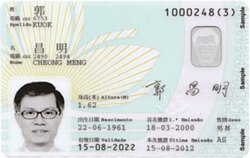

บัตรประจำตัวประชาชนมาเก๊าเป็นเอกสารแสดงตนอย่างเป็นทางการที่ออกโดยกรมทะเบียนราษฎร ให้แก่ผู้พำนักถาวรและผู้พำนักชั่วคราว
มาเลเซีย
ในมาเลเซียMyKadเป็นเอกสารประจำตัวที่บังคับใช้สำหรับ พลเมือง มาเลเซียที่มีอายุ 12 ปีขึ้นไปกรมทะเบียนราษฎรของมาเลเซีย ได้นำมาใช้ เมื่อวันที่ 5 กันยายน พ.ศ. 2544 โดยเป็นหนึ่งในสี่แอปพลิเคชันหลักของ MSC Malaysia [ 44 ]และเป็นการทดแทนบัตรประจำตัวประชาชนคุณภาพสูง ( Kad Pengenalan Bermutu Tinggi ) ทำให้มาเลเซียเป็นประเทศแรกในโลกที่ใช้บัตรประจำตัวประชาชนที่รวมทั้ง ข้อมูลไบ โอเมตริก ซ์รูปถ่ายและ ลายนิ้วมือ ไว้ในชิปคอมพิวเตอร์ในตัวที่ฝังอยู่ในแผ่นพลาสติก[ 45 ]
พม่า
พลเมืองเมียนมาร์ต้องขอรับบัตรประจำตัวประชาชน (NRC) ในขณะที่ชาวต่างชาติจะได้รับบัตรประจำตัวคนต่างชาติ (FRC)
เนปาล
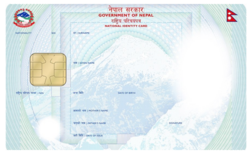
บัตรไบโอเมตริกใหม่เปิดตัวในปี 2018 ข้อมูลแสดงเป็นทั้งภาษาอังกฤษและภาษาเนปาล[ 46 ] [ 47 ]
ปากีสถาน
ในประเทศปากีสถานพลเมืองผู้ใหญ่ทุกคนต้องลงทะเบียนเพื่อขอรับบัตรประจำตัวประชาชนแบบอิเล็กทรอนิกส์ (CNIC) ซึ่งจะมีหมายเลขเฉพาะตัว เมื่ออายุครบ 18 ปี บัตร CNIC ทำหน้าที่เป็นเอกสารยืนยันตัวตนเพื่อรับรองความเป็นพลเมืองของประเทศ ปากีสถาน
ก่อนหน้านี้ บัตรประจำตัวประชาชน (NIC) ถูกออกให้แก่พลเมืองของปากีสถาน ปัจจุบัน รัฐบาลได้โอนย้ายข้อมูลบัตรประจำตัวประชาชน (NIC) ที่มีอยู่ทั้งหมดไปยังฐานข้อมูลคอมพิวเตอร์ส่วนกลางที่บริหารจัดการโดยNADRAแล้ว บัตรประจำตัวประชาชนแบบใหม่ (CNIC) สามารถอ่านได้ด้วยเครื่องจักรและมีคุณสมบัติด้านความปลอดภัย เช่น ข้อมูลใบหน้าและลายนิ้วมือ นอกจากนี้ ในช่วงปลายปี 2556 ยังมีการออกบัตรประจำตัวประชาชนอัจฉริยะ (SNIC) อีกด้วย
ปาเลสไตน์
หน่วยงานปาเลสไตน์ออกบัตรประจำตัวประชาชนตามข้อตกลงกับอิสราเอล ตั้งแต่ปี 1995 ตามข้อตกลงออสโลข้อมูลจะถูกส่งต่อไปยังฐานข้อมูลของอิสราเอลและตรวจสอบ ในเดือนกุมภาพันธ์ 2014 ประธานาธิบดีมาห์มูด อับบาส แห่งปาเลสไตน์ ได้ประกาศมติยกเลิกช่องข้อมูลศาสนา[ 48 ]อิสราเอลคัดค้านการยกเลิกช่องข้อมูลศาสนาในบัตรประจำตัวประชาชนของปาเลสไตน์ เนื่องจากอิสราเอลควบคุมบันทึกข้อมูลอย่างเป็นทางการ บัตรประจำตัวประชาชน และหนังสือเดินทางของพวกเขา และหน่วยงานปาเลสไตน์ไม่มีสิทธิ์แก้ไขข้อมูลดังกล่าวโดยไม่ได้รับการอนุมัติจากอิสราเอลก่อน หน่วยงานปาเลสไตน์ในรามัลลาห์กล่าวว่า การยกเลิกช่องข้อมูลศาสนาในบัตรประจำตัวประชาชนเป็นประเด็นสำคัญในการเจรจากับอิสราเอลมาตั้งแต่ปี 1995 มติดังกล่าวถูกวิพากษ์วิจารณ์โดยเจ้าหน้าที่ฮามาส ใน ฉนวนกาซาโดยกล่าวว่าเป็นการกระทำที่ขัดต่อรัฐธรรมนูญและจะไม่ถูกนำไปใช้ในกาซา เพราะเป็นการบ่อนทำลายอุดมการณ์ของปาเลสไตน์[ 49 ]
ฟิลิปปินส์

บัตรประจำตัวประชาชนแบบใหม่ของฟิลิปปินส์ หรือที่รู้จักกันในชื่อบัตรประจำตัวประชาชนระบบบัตรประจำตัวประชาชนฟิลิปปินส์ (PhilSys) เริ่มออกให้แก่พลเมืองฟิลิปปินส์และชาวต่างชาติที่พำนักอาศัยที่มีอายุ 18 ปีขึ้นไป ในเดือนสิงหาคม 2561 บัตรประจำตัวประชาชนแห่งชาตินี้ไม่บังคับ แต่ควรสอดคล้องกับบัตรประจำตัวประชาชนที่มีอยู่เดิมซึ่งออกโดยรัฐบาล – รวมถึงบัตรประจำตัวประชาชนอเนกประสงค์แบบรวม (Unified Multi-Purpose ID) ที่ออกให้แก่สมาชิกของระบบประกันสังคม (Social Security System) , ระบบประกันภัยข้าราชการ (Government Service Insurance System) , บรรษัท ประกันสุขภาพแห่งฟิลิปปินส์ (Philippine Health Insurance Corporation)และกองทุนพัฒนาที่อยู่อาศัยร่วมกัน (Pag-IBIG Fund)
สิงคโปร์
ในสิงคโปร์พลเมืองทุกคนและผู้พำนักถาวร (PR) ต้องลงทะเบียนเพื่อขอรับบัตรประจำตัวประชาชน (IC) เมื่ออายุ 15 ปี บัตรนี้จำเป็นไม่เพียงแต่สำหรับขั้นตอนของรัฐเท่านั้น แต่ยังรวมถึงธุรกรรมในชีวิตประจำวัน เช่น การลงทะเบียนใช้โทรศัพท์มือถือ การรับส่วนลดบางอย่างที่ร้านค้า และการเข้าสู่ระบบเว็บไซต์บางแห่งบนอินเทอร์เน็ต โรงเรียนมักใช้บัตรนี้เพื่อระบุตัวนักเรียน ทั้งทางออนไลน์และในการสอบ[ 50 ]
เกาหลีใต้
พลเมืองเกาหลีใต้ทุกคนที่มีอายุมากกว่า 17 ปี จะได้รับบัตรประจำตัวประชาชนที่เรียกว่าจูมินดึงรกจอง (주민등록증) บัตรนี้มีการเปลี่ยนแปลงหลายครั้งในประวัติศาสตร์ โดยรูปแบบล่าสุดเป็นบัตรพลาสติกที่ได้มาตรฐาน ISO 7810 บัตรจะมีรูปถ่ายของผู้ถือบัตรและหมายเลขประจำตัว 15 หลักที่คำนวณจากวันเกิดและสถานที่เกิดของผู้ถือบัตร มีการติดโฮโลแกรมเพื่อป้องกันการปลอมแปลง บัตรนี้ไม่มีคุณสมบัติเพิ่มเติมใดๆ ที่ใช้ในการระบุตัวตนผู้ถือบัตร นอกเหนือจากรูปถ่ายแล้ว รัฐบาลเกาหลีใต้ยังยอมรับบัตรขับขี่ของเกาหลี บัตรลงทะเบียนคนต่างด้าว หนังสือเดินทาง และบัตรประจำตัวข้าราชการเป็นบัตรประจำตัวอย่างเป็นทางการ
ศรีลังกา
บัตรประจำตัวประชาชนอิเล็กทรอนิกส์ ( ย่อว่า E-NIC) เป็นเอกสารแสดงตัวตนที่ใช้ในประเทศศรีลังกาพลเมืองศรีลังกาทุกคนที่มีอายุ 16 ปีขึ้นไปต้องมีบัตรประจำตัวประชาชนอิเล็กทรอนิกส์ บัตรประจำตัวประชาชนอิเล็กทรอนิกส์ออกโดยกรมทะเบียนราษฎร พระราชบัญญัติทะเบียนราษฎรฉบับที่ 32 ปี 1968 ซึ่งแก้ไขเพิ่มเติมโดยพระราชบัญญัติฉบับที่ 28 และ 37 ปี 1971 และพระราชบัญญัติฉบับที่ 11 ปี 1981 บัญญัติเกี่ยวกับการออกและการใช้บัตรประจำตัวประชาชนอิเล็กทรอนิกส์
ศรีลังกากำลังอยู่ในระหว่างการพัฒนา บัตร ประจำตัวประชาชน แบบ RFIDที่ใช้สมาร์ทการ์ด ซึ่งจะมาแทนที่บัตรแบบเคลือบพลาสติกที่ล้าสมัย โดยการจัดเก็บข้อมูลของผู้ถือบัตรไว้ในชิปที่ธนาคาร สำนักงาน ฯลฯ สามารถอ่านได้ ซึ่งจะช่วยลดความจำเป็นในการจัดเก็บเอกสารข้อมูลเหล่านี้ในรูปแบบกระดาษ เนื่องจากสามารถจัดเก็บไว้ใน ระบบค ลาวด์ได้
หมายเลข NIC ใช้สำหรับระบุตัวตนส่วนบุคคลที่ไม่ซ้ำกัน คล้ายกับหมายเลขประกันสังคมในสหรัฐอเมริกา
ในศรีลังกาพลเมืองทุกคนที่มีอายุมากกว่า 16 ปี ต้องยื่นขอรับบัตรประจำตัวประชาชน (NIC) บัตร NIC แต่ละใบจะมีหมายเลข 10 หลักที่ไม่ซ้ำกัน ในรูปแบบ 000000000A (โดยที่ 0 คือตัวเลข และ A คือตัวอักษร) ตัวเลขสองหลักแรกคือปีเกิดของคุณ (เช่น 93xxxxxxxx สำหรับผู้ที่เกิดในปี 1993) ตัวอักษรสุดท้ายโดยทั่วไปจะเป็น 'V' หรือ 'X' หมายเลข NIC จำเป็นสำหรับการยื่นขอหนังสือเดินทาง (อายุมากกว่า 16 ปี) ใบขับขี่ (อายุมากกว่า 18 ปี) และการเลือกตั้ง (อายุมากกว่า 18 ปี) นอกจากนี้ พลเมืองทุกคนต้องพกบัตร NIC ติดตัวตลอดเวลาเพื่อเป็นหลักฐานยืนยันตัวตน เนื่องจากสถานการณ์ด้านความปลอดภัยในประเทศ ชาวต่างชาติจะไม่ได้รับบัตร NIC และยังคงต้องพกเอกสารแสดงตนที่มีรูปถ่าย (เช่น สำเนาหนังสือเดินทางหรือใบขับขี่ต่างประเทศ) ติดตัวตลอดเวลา ในบางครั้งอาจใช้บัตรประจำตัวไปรษณีย์ได้เช่นกัน
ไต้หวัน
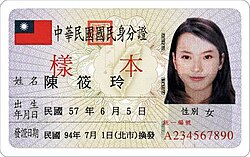
บัตรประจำตัวประชาชน ( ภาษาจีน :國民身分證) ออกให้แก่พลเมืองของสาธารณรัฐจีน (ชื่อทางการของไต้หวัน) ทุก คนที่มีอายุ 14 ปีขึ้นไปและมีทะเบียนบ้านอยู่ในเขตไต้หวันบัตรประจำตัวประชาชนนี้ใช้สำหรับกิจกรรมเกือบทุกอย่างที่ต้องการการตรวจสอบตัวตนในไต้หวัน เช่น การเปิดบัญชีธนาคาร การเช่าอพาร์ตเมนต์การสมัครงานและการลงคะแนนเสียงเลือกตั้ง
บัตรประจำตัวประชาชนประกอบด้วยรูปถ่ายหมายเลขประจำตัวชื่อภาษาจีนและ วันเดือนปีเกิด ( ตามปฏิทินหมิงกัว ) ของผู้ถือบัตร ด้านหลังบัตรยังประกอบด้วยที่อยู่จดทะเบียนที่ใช้สำหรับส่งจดหมายราชการ สถานที่เกิด และชื่อของบรรพบุรุษและคู่สมรส (ถ้ามี)
หากผู้อยู่อาศัยย้ายถิ่นฐาน พวกเขาจะต้องลงทะเบียนใหม่ที่สำนักงานเทศบาล ( จีน :戶政事務所)
พลเมืองสาธารณรัฐจีน (ROC) ที่มีทะเบียนบ้านในไต้หวันเรียกว่า "พลเมืองที่ลงทะเบียนแล้ว" ส่วนพลเมืองสาธารณรัฐจีนที่ไม่มีทะเบียนบ้านในไต้หวัน (เรียกว่า "พลเมืองที่ไม่ได้ลงทะเบียน") จะไม่มีสิทธิ์ได้รับบัตรประจำตัวประชาชนและสิทธิพิเศษที่เกี่ยวข้อง (เช่น สิทธิในการออกเสียงเลือกตั้งและสิทธิในการพำนักอาศัยในไต้หวัน) แต่มีสิทธิ์ได้รับหนังสือเดินทางสาธารณรัฐจีนซึ่งแตกต่างจากบัตรประจำตัวประชาชนตรงที่ไม่แสดงถึงสิทธิในการพำนักอาศัยในไต้หวัน หาก "พลเมืองที่ไม่ได้ลงทะเบียน" เหล่านั้นอาศัยอยู่ในไต้หวัน พวกเขาจะถือใบรับรองถิ่นที่อยู่เขตไต้หวันเป็นเอกสารแสดงตน ซึ่งเกือบจะเหมือนกับใบรับรองถิ่นที่อยู่สำหรับชาวต่างชาติที่อาศัยอยู่ในไต้หวัน
ทาจิกิสถาน
ในปี พ.ศ. 2537 หนังสือเดินทางภายในประเทศทาจิกิสถานฉบับแรกหลังยุคโซเวียตปรากฏขึ้น ซึ่งกรอกข้อมูลด้วยมือ ไม่มีการพิมพ์หมายเลขหรือลำดับของเอกสารไว้ในหน้าภายใน และสามารถติดรูปถ่ายของเจ้าของได้ง่าย เอกสารนี้กลายเป็นเอกสารที่สะดวกที่สุดสำหรับการปลอมแปลง ดังนั้นหนังสือเดินทางดังกล่าวจึงเป็นที่ต้องการอย่างมากในหมู่พลเมืองของประเทศเพื่อนบ้านที่หลบหนีความยุติธรรม[ 42 ]
ประเทศไทย

ในประเทศไทยบัตรประจำตัวประชาชนไทย (ไทย: พนักงานของประชาชน; RTGS: bat pracham tua pracha chon) เป็นเอกสารประจำตัวอย่างเป็นทางการที่ออกให้เฉพาะผู้มีสัญชาติไทยเท่านั้น บัตรนี้พิสูจน์ตัวตนของผู้ถือในการรับบริการภาครัฐและสิทธิอื่น ๆ
ไก่งวง
บัตรประจำตัวประชาชนตุรกี ( ภาษาตุรกี : Nüfus Cüzdanı ) เป็นสิ่งจำเป็นสำหรับพลเมืองตุรกีทุกคนตั้งแต่เกิด บัตรสำหรับผู้ชายและผู้หญิงมีสีต่างกัน ด้านหน้าแสดงชื่อและนามสกุลของผู้ถือบัตร ชื่อของบรรพบุรุษตามกฎหมาย วันเดือนปีเกิดและสถานที่เกิด และหมายเลขประจำตัว 11 หลัก ด้านหลังแสดงสถานภาพสมรส ศาสนา ภูมิภาคของประเทศต้นกำเนิด และวันที่ออกบัตร เมื่อวันที่ 2 กุมภาพันธ์ 2553 ศาลสิทธิมนุษยชนแห่งยุโรปได้มีคำตัดสินด้วยคะแนนเสียง 6 ต่อ 1 ว่าส่วนข้อมูลศาสนาในบัตรประจำตัวประชาชนตุรกีละเมิดมาตรา 6, 9 และ 12 ของอนุสัญญาสิทธิมนุษยชนแห่งยุโรป ซึ่งตุรกีเป็นภาคี คำตัดสินนี้ควรบังคับให้รัฐบาลตุรกีตัดส่วนข้อมูลศาสนาออกจากบัตรประจำตัวประชาชนในอนาคตอย่างสิ้นเชิง ตำรวจตุรกีมีอำนาจขอให้บุคคลใดแสดงบัตรประจำตัวประชาชน และการปฏิเสธที่จะปฏิบัติตามอาจนำไปสู่การจับกุม สามารถใช้สำหรับการเดินทางระหว่างประเทศไปยังไซปรัสเหนือจอร์เจียและยูเครนแทนหนังสือเดินทางได้
กระทรวงมหาดไทยของตุรกีได้ออกบัตรประจำตัวประชาชนรูปแบบใหม่คล้ายกับของสหภาพยุโรปให้แก่พลเมืองตุรกีทุกคนในปี 2560 บัตรประจำตัวประชาชนแบบใหม่นี้เป็นระบบไบโอเมตริกซ์อย่างสมบูรณ์ และสามารถใช้เป็นบัตรธนาคาร ตั๋วโดยสาร หรือในการเดินทางระหว่างประเทศได้
เติร์กเมนิสถาน
หลังจากการล่มสลายของสหภาพโซเวียตและการก่อตั้งประเทศเติร์กเมนิสถานที่เป็นอิสระ หนังสือเดินทาง เปล่าของพลเมืองสหภาพโซเวียตรุ่นปี 1974 และหนังสือเดินทางต่างประเทศของพลเมืองสหภาพโซเวียตถูกนำมาใช้ในเติร์กเมนิสถานทั้งในฐานะเอกสารประจำตัวภายในและหนังสือเดินทางโดยมีการประทับตรา “พลเมืองเติร์กเมนิสถาน” ระบบหนังสือเดินทางแห่งชาติแบบรวมถูกนำมาใช้ในเติร์กเมนิสถานเมื่อวันที่ 25 ตุลาคม 1996 ตามพระราชกฤษฎีกาของประธานาธิบดี “ ว่าด้วยการอนุมัติระเบียบเกี่ยวกับระบบหนังสือเดินทางในเติร์กเมนิสถาน ” [ 51 ]ตามระเบียบที่ได้รับการอนุมัติ การแลกเปลี่ยนและการออกหนังสือเดินทางแห่งชาติของพลเมืองเติร์กเมนิสถานจะต้องดำเนินการในช่วงระหว่างวันที่ 25 ตุลาคม 1996 ถึง 31 ธันวาคม 2001 เอกสารใหม่นี้ยังคงบทบาทสองวัตถุประสงค์คือเป็นเอกสารประจำตัวภายในและหนังสือเดินทาง หลังจากการนำหนังสือเดินทางไบโอเมตริกของเติร์กเมนิสถานมาใช้ในเดือนกรกฎาคม 2008 เพื่อใช้เป็นเอกสารการเดินทางหนังสือเดินทางภายในแยกต่างหากจึงถูกออก เอกสารประจำตัวประชาชนของชาวเติร์กเมนิสถานแต่ละฉบับจะมีรหัสที่กำหนดตามภูมิภาคที่ออกเอกสารนั้น
| รหัสภูมิภาค | ภูมิภาค |
|---|---|
| เช่น | อัชกาบัต |
| เอเอช | ภูมิภาคอาฮาล |
| บีเอ็น | ภูมิภาคบอลข่าน |
| แอลบี | ภูมิภาคเลบับ |
| นาย | ภูมิภาคแมรี |
| ดีซี | ภูมิภาคดาโชกุซ |
สหรัฐอาหรับเอมิเรตส์
สำนักงานทะเบียนราษฎรและสัญชาติแห่งชาติเป็นหน่วยงานของรัฐที่รับผิดชอบในการออกบัตรประจำตัวประชาชนให้กับพลเมือง (ชาวสหรัฐอาหรับเอมิเรตส์) พลเมืองกลุ่มประเทศความร่วมมืออ่าว (GCC) และผู้พำนักอาศัยในประเทศ บุคคลทุกคนต้องยื่นขอรับบัตรประจำตัวประชาชนไม่ว่าจะอายุเท่าใด สำหรับบุคคลที่มีอายุ 15 ปีขึ้นไป จะมีการบันทึกข้อมูลลายนิ้วมือ (10 ลายนิ้วมือ ฝ่ามือ และลายมือ) ในขั้นตอนการลงทะเบียน แต่ละคนจะมีหมายเลขประจำตัวประชาชน (IDN) 15 หลักที่ไม่ซ้ำกัน ซึ่งบุคคลนั้นจะใช้ตลอดชีวิต
บัตรประจำตัวประชาชนนี้เป็นสมาร์ทการ์ดที่ใช้เทคโนโลยีล้ำสมัยในด้านสมาร์ทการ์ด มีคุณสมบัติการรักษาความปลอดภัยสูงมาก ทำให้ยากต่อการปลอมแปลง เป็นสมาร์ทการ์ดแบบ Combi ขนาด 144KB ซึ่งชิปอิเล็กทรอนิกส์ประกอบด้วยข้อมูลส่วนบุคคล ลายนิ้วมือ 2 ลายนิ้วมือ รหัส PIN 4 หลัก ลายเซ็นดิจิทัล และใบรับรอง (ดิจิทัลและการเข้ารหัส) รูปถ่ายส่วนบุคคล หมายเลขประจำตัวประชาชน ชื่อ วันเกิด ลายเซ็น สัญชาติ และวันหมดอายุของบัตรประจำตัวประชาชน เป็นข้อมูลที่มองเห็นได้บนบัตรจริง
ในสหรัฐอาหรับเอมิเรตส์ บัตรประจำตัวประชาชนใช้เป็นเอกสารประจำตัวอย่างเป็นทางการสำหรับบุคคลทุกคนเพื่อรับสิทธิประโยชน์จากบริการต่างๆ ของภาครัฐ องค์กรที่ไม่ใช่ภาครัฐบางแห่ง และหน่วยงานเอกชนในสหรัฐอาหรับเอมิเรตส์ ซึ่งสนับสนุนวิสัยทัศน์ของรัฐบาลอัจฉริยะของสหรัฐอาหรับเอมิเรตส์ เนื่องจากบัตรประจำตัวประชาชนใช้ในการเข้าถึงบริการอิเล็กทรอนิกส์ในประเทศได้อย่างปลอดภัย นอกจากนี้ พลเมืองยังสามารถใช้บัตรประจำตัวประชาชนเป็นเอกสารการเดินทางอย่างเป็นทางการระหว่างประเทศในกลุ่ม GCC แทนการใช้หนังสือเดินทาง การนำโครงการบัตรประจำตัวประชาชนมาใช้ในสหรัฐอาหรับเอมิเรตส์ช่วยเพิ่มความปลอดภัยให้กับบุคคลโดยการปกป้องตัวตนและป้องกันการโจรกรรมข้อมูลส่วนบุคคล[ 52 ]
อุซเบกิสถาน
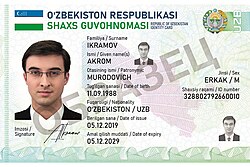
หลังจากการล่มสลายของสหภาพโซเวียตหนังสือเดินทางอุซเบกิสถานยังถูกใช้เป็นเอกสารประจำตัวภายในประเทศด้วย ในเดือนกันยายน พ.ศ. 2563 ประธานาธิบดีแห่งอุซเบกิสถานชาฟคัต มิร์ซิโยเยฟได้ลงนามในพระราชกฤษฎีกา "ว่าด้วยมาตรการในการนำบัตรประจำตัวประชาชนมาใช้ในสาธารณรัฐอุซเบกิสถาน" ซึ่งเรียกร้องให้มีการนำเอกสารประจำตัวแบบใหม่มาใช้ตั้งแต่วันที่ 1 มกราคม พ.ศ. 2564 เป็นต้นไป และจะถูกแทนที่ด้วยหนังสือเดินทางไบโอเมตริกที่มีวงจรรวม (ชิป) ภายในปี พ.ศ. 2563 ซึ่งจะช่วยให้ประชาชนสามารถใช้บริการของรัฐได้ ตั้งแต่วันที่ 1 มกราคม พ.ศ. 2566 ถึง 31 ธันวาคม พ.ศ. 2563 การแลกเปลี่ยนบัตรประจำตัวประชาชนที่หมดอายุเป็นหนังสือเดินทางไบโอเมตริกเป็นสิ่งจำเป็นเมื่อบัตรหมดอายุ[ 53 ]
เวียดนาม

ในเวียดนาม พลเมืองทุกคนที่มีอายุมากกว่า 14 ปี ต้องมีบัตรประจำตัวประชาชนที่ออกโดยหน่วยงานท้องถิ่น และต้องออกบัตรใหม่เมื่อพลเมืองมีอายุครบ 25, 40 และ 60 ปี เด็กอายุ 6 ถึงต่ำกว่า 14 ปี สามารถขอออกบัตรใหม่ได้หากจำเป็น ก่อนหน้านี้เคยใช้เอกสารประจำตัวประชาชน[ 54 ]
ยุโรป
สหภาพยุโรป เขตเศรษฐกิจยุโรป และสมาคมการค้าเสรีแห่งยุโรป
บัตรประจำตัวประชาชนที่ออกให้แก่พลเมืองของสหภาพยุโรปและสมาคมการค้าเสรีแห่งยุโรป ( ไอซ์แลนด์ลิกเตนสไตน์นอร์เวย์และสวิตเซอร์แลนด์ ) ซึ่งระบุสัญชาติของผู้ถือบัตรว่าเป็นพลเมืองของประเทศสมาชิก EU/EFTA สามารถใช้เป็นเอกสารประจำตัวภายในประเทศบ้านเกิด และเป็นเอกสารการเดินทางเพื่อใช้สิทธิในการเคลื่อนย้ายอย่างเสรีใน EU หรือ EFTA ได้[ 55 ] [ 56 ] [ 57 ]
ในระหว่างที่สหราชอาณาจักรดำรงตำแหน่งประธานสหภาพยุโรปในปี 2548ได้มีการตัดสินใจที่จะ: "ตกลงมาตรฐานทั่วไปสำหรับคุณลักษณะด้านความปลอดภัยและขั้นตอนการออกบัตรประจำตัวประชาชนที่ปลอดภัย (ธันวาคม 2548) โดยจะมีการตกลงมาตรฐานโดยละเอียดโดยเร็วที่สุดหลังจากนั้น ในส่วนนี้ ประธานาธิบดีสหราชอาณาจักรได้เสนอข้อเสนอสำหรับการใช้ไบโอเมตริกส์ในบัตรประจำตัวประชาชนทั่วทั้งสหภาพยุโรป" [ 58 ]
ตั้งแต่วันที่ 2 สิงหาคม พ.ศ. 2564 บัตรประจำตัวประชาชนยุโรป[ 59 ] [ 60 ]มีวัตถุประสงค์เพื่อทดแทนและกำหนดมาตรฐานรูปแบบบัตรประจำตัวประชาชนต่างๆ ที่ใช้อยู่ในปัจจุบัน[ a ] [ 62 ] [ 63 ]
ออสเตรีย

บัตรประจำตัวประชาชนออสเตรียออกให้แก่พลเมืองออสเตรีย สามารถใช้เป็นเอกสารการเดินทางเมื่อไปเยือนประเทศต่างๆ ในสหภาพยุโรป/EFTA, อัลบาเนีย, อันดอร์รา, บอสเนียและเฮอร์เซโกวีนา, จอร์เจีย, โคโซโว, มอลโดวา, โมนาโก, มอนเตเนโกร, มาซิโดเนียเหนือ, ซานมาริโน, เซอร์เบีย, นครวาติกัน, ดินแดนโพ้นทะเลของฝรั่งเศส และดินแดนในปกครองของอังกฤษ รวมถึงการเดินทางท่องเที่ยวแบบจัดทัวร์ไปยังจอร์แดน (ผ่านสนามบินอากาบา) และตูนิเซีย ในปี 2012 มีพลเมืองออสเตรียเพียงประมาณ 10% เท่านั้นที่มีบัตรนี้ เนื่องจากพวกเขาสามารถใช้ใบขับขี่หรือบัตรประจำตัวประชาชนอื่นๆ ของออสเตรียภายในประเทศ และใช้หนังสือเดินทางออสเตรียซึ่งเป็นที่ยอมรับอย่างกว้างขวางกว่าในต่างประเทศ
เบลเยียม

ในประเทศเบลเยียมทุกคนที่มีอายุมากกว่า 12 ปี จะได้รับบัตรประจำตัวประชาชน ( carte d'identitéในภาษาฝรั่งเศส, identiteitskaartในภาษาดัตช์ และPersonalausweisในภาษาเยอรมัน) และเมื่ออายุ 15 ปีขึ้นไป การพกบัตรนี้ตลอดเวลาเป็นสิ่งจำเป็น สำหรับชาวต่างชาติที่อาศัยอยู่ในเบลเยียม จะได้รับบัตรที่คล้ายกัน (บัตรชาวต่างชาติ, vreemdelingenkaartในภาษาดัตช์, carte pour étrangersในภาษาฝรั่งเศส) แม้ว่าพวกเขาอาจจะพกหนังสือเดินทาง ใบอนุญาตทำงาน หรือใบอนุญาตพำนัก (ชั่วคราว) เพิ่มเติมด้วยก็ตาม
ตั้งแต่ปี 2000 บัตรประจำตัวประชาชนเบลเยียมที่ออกใหม่ทั้งหมดจะมีชิป ( บัตร eID ) และคาดว่าจะดำเนินการให้แล้วเสร็จภายในปี 2009 นอกจากนี้ ตั้งแต่ปี 2008 บัตรสำหรับชาวต่างชาติที่กล่าวถึงข้างต้นก็ถูกแทนที่ด้วยบัตร eID ซึ่งมีชิปเช่นเดียวกัน บัตร eID สามารถใช้ได้ทั้งในภาครัฐและเอกชนเพื่อการระบุตัวตนและการสร้างลายเซ็นอิเล็กทรอนิกส์ที่มีผลผูกพันทางกฎหมาย
จนถึงสิ้นปี 2553 สถานกงสุลเบลเยียมได้ออกบัตรประจำตัวประชาชนแบบเก่า (ขนาด 105 x 75 มม.) ให้แก่พลเมืองเบลเยียมที่พำนักถาวรในเขตอำนาจศาลของตนและเลือกที่จะลงทะเบียนที่สถานกงสุล (ซึ่งขอแนะนำอย่างยิ่ง) ตั้งแต่ปี 2554 เป็นต้นมา สถานกงสุลเบลเยียมได้ออกบัตรประจำตัวประชาชนอิเล็กทรอนิกส์ แต่ชิปอิเล็กทรอนิกส์บนบัตรนั้นยังไม่ได้เปิดใช้งาน
บัลแกเรีย
ในประเทศบัลแกเรียการมีบัตรประจำตัวประชาชน (ภาษาบัลแกเรีย – лична карта, lichna karta) เป็นสิ่งจำเป็นสำหรับผู้ที่มีอายุ 14 ปีขึ้นไป บุคคลใดก็ตามที่มีอายุเกิน 14 ปี หากถูกตำรวจตรวจสอบแล้วไม่แสดงบัตรประจำตัวประชาชนอย่างน้อยหนึ่งอย่าง จะต้องเสียค่าปรับ 50 เลฟบัลแกเรีย (ประมาณ 25 ยูโร)
โครเอเชีย

พลเมืองโครเอเชียทุกคนสามารถขอรับบัตรประจำตัวประชาชนได้ ซึ่งเรียกว่าOsobna iskaznica (แปลตรงตัวว่า บัตรส่วนบุคคล) บุคคลทุกคนที่มีอายุเกิน 18 ปีจะต้องมีบัตรประจำตัวประชาชนและพกติดตัวตลอดเวลา การปฏิเสธที่จะพกหรือแสดงบัตรประจำตัวประชาชนต่อเจ้าหน้าที่ตำรวจอาจนำไปสู่การปรับ 100 คูน่าหรือมากกว่านั้น และการควบคุมตัวจนกว่าจะสามารถตรวจสอบตัวตนของบุคคลนั้นได้ด้วยลายนิ้วมือ
บัตรประจำตัวประชาชนโครเอเชียใช้ได้ทั่วสหภาพยุโรป และยังสามารถใช้เดินทางในประเทศนอกสหภาพยุโรปในแถบคาบสมุทรบอลข่านได้อีกด้วย
การออกแบบบัตรประจำตัวประชาชนโครเอเชียปี 2013 เตรียมไว้สำหรับการติดตั้ง ชิป บัตรประจำตัวอิเล็กทรอนิกส์ ในอนาคต ซึ่งกำหนดให้ดำเนินการในปี 2014 [ 64 ]
ไซปรัส
การได้รับและการครอบครองบัตรประจำตัวประชาชนเป็นสิ่งจำเป็นสำหรับบุคคลที่มีสิทธิ์ทุกคนที่มีอายุครบสิบสองปีบริบูรณ์ เมื่อวันที่ 29 มกราคม 2558 ได้มีการประกาศว่าบัตรประจำตัวประชาชนที่จะออกในอนาคตทั้งหมดจะเป็นแบบไบโอเมตริก[ 65 ]สามารถยื่นขอได้ที่ศูนย์บริการประชาชน (KEP) หรือที่สถานกงสุลที่มีอุปกรณ์บันทึกข้อมูลไบโอเมตริก
บัตรประจำตัวประชาชนมีราคา 30 ยูโรสำหรับผู้ใหญ่ และ 20 ยูโรสำหรับเด็ก โดยมีอายุใช้งาน 10 ปีและ 5 ปีตามลำดับ บัตรนี้สามารถใช้เป็นเอกสารเดินทางได้ทั่วทั้งสหภาพยุโรป
สาธารณรัฐเช็ก
ในภาษาเช็กบัตรประจำตัวประชาชนเรียกว่าObčanský průkazซึ่งเป็นบัตรประจำตัวที่มีรูปถ่าย ออกให้แก่พลเมืองทุกคนของสาธารณรัฐเช็กเมื่ออายุ 15 ปีขึ้นไป บัตรนี้ได้รับการยอมรับอย่างเป็นทางการจากทุกประเทศสมาชิกสหภาพยุโรปสำหรับการเดินทางภายในสหภาพยุโรป ส่วนการเดินทางออกนอกสหภาพยุโรปส่วนใหญ่ต้องใช้หนังสือเดินทางเช็ก
เดนมาร์ก
เดนมาร์กเป็นประเทศเดียวในสหภาพยุโรป / เขตเศรษฐกิจยุโรปที่ไม่จัดทำบัตรประจำตัวประชาชนหรือเอกสารการเดินทางในรูปแบบบัตร ตามมาตรฐานของสหภาพยุโรป
เอกสารแสดงตัวตนที่ใช้กันทั่วไปในเดนมาร์ก ได้แก่ ใบขับขี่และหนังสือเดินทาง ซึ่งมีทั้งหมายเลขประจำตัวประชาชนและรูปถ่าย เอกสารแสดงตัวตนไม่ใช่สิ่งที่จำเป็นในเดนมาร์ก
สำหรับผู้ที่ไม่มีหนังสือเดินทางหรือใบขับขี่ จะมีการออกบัตรประจำตัวประชาชนเดนมาร์ก ( ภาษาเดนมาร์ก : legitimationskort ) โดยแต่ละเทศบาลจะมีแบบบัตรเป็นของตนเอง และบัตรเหล่านี้ไม่ได้รับการยอมรับว่าเป็นเอกสารการเดินทางที่ถูกต้องนอกประเทศเดนมาร์ก บัตรเหล่านี้เปิดตัวในปี 2017 โดยแทนที่ "บัตรเยาวชน" เดิม[ 66 ]ตั้งแต่ปี 2018 ข้อมูลเกี่ยวกับสัญชาติของผู้ถือบัตรได้ถูกเพิ่มเข้าไป ซึ่งทำให้สามารถใช้บัตรนี้ในการเดินทางไปสวีเดนได้ชั่วคราว[ 67 ]อย่างไรก็ตาม ในเดือนกันยายน 2019 ทางการสวีเดนได้สั่งห้ามใช้บัตรประจำตัวประชาชนของเทศบาลเดนมาร์กในการเข้าประเทศอย่างชัดเจนด้วยเหตุผลด้านความปลอดภัย[ 68 ]ในปี 2021 กระทรวงมหาดไทยของเดนมาร์กได้สรุปว่าบัตรประจำตัวประชาชนที่มีความปลอดภัยสูงกว่านั้นไม่ได้อยู่ในวาระการประชุมเนื่องจากมีค่าใช้จ่ายสูงเกินไป[ 69 ]
ก่อนหน้านี้ใบรับรองหมายเลขประจำตัวประชาชน (ภาษาเดนมาร์ก: Personnummerbevis)ออกให้โดยสมัครใจในเดนมาร์ก แต่ปัจจุบันถูกแทนที่ด้วยบัตรประกันสุขภาพแห่งชาติ (ภาษาเดนมาร์ก: Sundhedskortet ) ซึ่งมีข้อมูลเดียวกันและข้อมูลประกันสุขภาพ บัตรประกันสุขภาพแห่งชาติออกให้แก่ผู้มีถิ่นที่อยู่ทุกคนที่ได้รับการประกันสุขภาพในเดนมาร์ก โดยทั่วไปแล้วบัตรนี้ถูกใช้เป็น เอกสารแสดง ตัวตนโดยพฤตินัยแม้ว่าจะไม่มีรูปถ่ายของผู้ถือบัตรก็ตาม จนถึงปี 2547 บัตรเดบิตแห่งชาติ(Dankort)มีรูปถ่ายของผู้ถือบัตรและได้รับการยอมรับอย่างกว้างขวางว่าเป็นเอกสารแสดงตัวตน จนกระทั่งธนาคารเดนมาร์กได้ล็อบบี้จนประสบความสำเร็จในการนำรูปภาพออกจากบัตรเดบิต ระหว่างปี 2547 ถึง 2559 เทศบาลต่างๆ ได้ออก "บัตรประจำตัวที่มีรูปถ่าย" หรือ "บัตรเยาวชน" ( ภาษาเดนมาร์ก : billedlegitimationskort ) แต่จำกัดเฉพาะการตรวจสอบอายุเท่านั้น
เอสโตเนีย

บัตรประจำตัวประชาชนเอสโตเนีย ( ภาษาเอสโตเนีย : ID-kaart ) เป็นบัตร ประจำตัว ที่มีรูปถ่ายและมีชิปในสาธารณรัฐ เอสโต เนีย บัตรประจำตัวประชาชนเอสโตเนียได้รับการยอมรับอย่างเป็นทางการจากทุกประเทศสมาชิกของสหภาพยุโรปสำหรับการเดินทางภายในสหภาพยุโรป สำหรับการเดินทางนอกสหภาพยุโรป พลเมืองเอสโตเนียอาจต้องมีหนังสือเดินทางเพิ่มเติม ด้วย
ชิปในบัตรจะจัดเก็บคู่กุญแจทำให้ผู้ใช้สามารถลงนามในเอกสารดิจิทัลด้วยวิธีการเข้ารหัสลับตามหลักการเข้ารหัสลับแบบกุญแจสาธารณะโดยใช้DigiDoc ได้ ภายใต้กฎหมายของเอสโตเนีย ตั้งแต่วันที่ 15 ธันวาคม พ.ศ. 2543 เป็นต้นมา ลายเซ็นเข้ารหัสลับมีผลทางกฎหมายเทียบเท่ากับลายเซ็นที่เขียนด้วย มือ
The Estonian identity card is also used for authentication in Estonia's ambitious Internet-based voting programme. In February 2007, Estonia was the first country in the world to institute electronic voting for parliamentary elections. Over 30 000 voters participated in the country's first e-election. By 2014, at the European Parliament elections, the number of e-voters has increased to more than 100,000 comprising 31% of the total votes cast.[70]
Finland
In Finland, any citizen can get an identification card (henkilökortti/identitetskort). This, along with the passport, is one of two official identity documents. It is available as an electronic ID card (sähköinen henkilökortti/elektroniskt identitetskort), which enables logging into certain government services on the Internet.
Driving licenses and KELA (social security) cards with a photo are also widely used for general identification purposes even though they are not officially recognized as such. However, KELA has ended the practice of issuing social security cards with the photograph of the bearer, while it has become possible to embed the social security information onto the national ID card. For most purposes when identification is required, only valid documents are ID card, passport or driving license. However, a citizen is not required to carry any of these.
France


ประเทศฝรั่งเศสมีบัตรประจำตัวประชาชนสำหรับพลเมืองทุกคนมาตั้งแต่เริ่มต้นสงครามโลกครั้งที่สองในปี 1940 ก่อนหน้านั้นเคยมีการออกเอกสารแสดงตนที่บังคับใช้สำหรับคนงานตั้งแต่ปี 1803 ถึง 1890 สำหรับชนเผ่าเร่ร่อน ( gens du voyage ) ในปี 1912 และสำหรับชาวต่างชาติในปี 1917 ในช่วงสงครามโลกครั้งที่หนึ่ง บัตรประจำตัวประชาชนฉบับแรกออกในชื่อcarte d'identité françaiseภายใต้กฎหมายเมื่อวันที่ 27 ตุลาคม 1940 และเป็นสิ่งจำเป็นสำหรับทุกคนที่มีอายุมากกว่า 16 ปี บัตรประจำตัวประชาชนมีอายุ 10 ปี ต้องต่ออายุภายในหนึ่งปีหากมีการเปลี่ยนที่อยู่ และการต่ออายุต้องเสียค่าธรรมเนียม ภายใต้ระบอบวิชีนอกจากรูปถ่ายใบหน้า นามสกุล ชื่อ วันเดือนปีเกิด และสถานที่เกิดแล้ว บัตรยังรวมถึงหมายเลขประจำตัวประชาชนที่จัดการโดยสำนักงานสถิติแห่งชาติINSEEซึ่งใช้เป็นหมายเลขลงทะเบียนบริการแห่งชาติ หมายเลขบัญชีประกันสังคมสำหรับสวัสดิการด้านสุขภาพและการเกษียณอายุ สำหรับการเข้าถึงแฟ้มคดีของศาล และเพื่อวัตถุประสงค์ด้านภาษี ภายใต้พระราชกฤษฎีกา 55-1397 ลงวันที่ 22 ตุลาคม พ.ศ. 2498 [ 71 ] [ 72 ] ได้มีการนำ บัตรที่ไม่บังคับฉบับปรับปรุงใหม่ คือบัตรประจำตัวประชาชน (CNI) มาใช้
กฎหมาย (มาตรา 78–1 ถึง 78–6 ของประมวลกฎหมายวิธีพิจารณาความอาญาของฝรั่งเศส ( Code de procédure pénale ) [ 73 ]ระบุเพียงว่าในระหว่างการตรวจสอบบัตรประจำตัวที่ดำเนินการโดยตำรวจ ตำรวจทหาร หรือเจ้าหน้าที่ศุลกากร บุคคลสามารถพิสูจน์ตัวตนของตนได้ "ด้วยวิธีการใดๆ" ซึ่งความถูกต้องของวิธีการนั้นขึ้นอยู่กับดุลยพินิจของเจ้าหน้าที่บังคับใช้กฎหมาย แม้ว่าจะไม่ได้ระบุไว้อย่างชัดเจนในกฎหมาย แต่บัตรประจำตัวประชาชน ใบขับขี่ หนังสือเดินทาง วีซ่าบัตรอนุญาตพำนักอาศัยบัตรเลือกตั้งถือว่าเพียงพอตามหลักนิติศาสตร์ การตัดสินใจที่จะยอมรับเอกสารอื่นๆ ที่มีหรือไม่มีรูปถ่ายของผู้ถือ เช่นบัตรประกันสังคมบัตรเดินทางหรือบัตรธนาคารขึ้นอยู่กับดุลยพินิจของเจ้าหน้าที่บังคับใช้กฎหมาย
ตามมาตรา 78-2 ของประมวลกฎหมายวิธีพิจารณาความอาญาของฝรั่งเศสการตรวจสอบบัตรประจำตัวประชาชนสามารถทำได้เฉพาะในกรณีต่อไปนี้: [ 74 ]
- alineas 1 & 2: หากคุณเป็นเป้าหมายของการสอบสวนหรือการตรวจสอบ ได้กระทำ เตรียมการ หรือพยายามกระทำความผิด หรือหากคุณสามารถให้ข้อมูลเกี่ยวกับการกระทำความผิดนั้นได้ ( contrôle judiciaire ); [ 75 ]
- alinea 4: ภายในระยะ 20 กม. จากพรมแดนฝรั่งเศส และในท่าเรือ สนามบิน และสถานีรถไฟที่เปิดให้การจราจรระหว่างประเทศ ( contrôle aux frontières ); [ 76 ]
- alinea 3: ไม่ว่าพฤติกรรมของบุคคลจะเป็นอย่างไร เพื่อป้องกันการละเมิดความสงบเรียบร้อยของประชาชน โดยเฉพาะอย่างยิ่งการกระทำผิดต่อความปลอดภัยของบุคคลหรือทรัพย์สิน ( การควบคุมการบริหาร ) [ 77 ]
กรณีสุดท้ายอนุญาตให้ตำรวจตรวจสอบบัตรประจำตัวประชาชนของผู้สัญจรไปมา โดยเฉพาะในย่านที่มีอัตราการก่ออาชญากรรมสูง ซึ่งมักจะเป็นย่านที่ยากจนที่สุด ตามคำวินิจฉัยของศาลฎีกาตำรวจไม่ควรพิจารณาเฉพาะ "สภาพทั่วไปและนามธรรม" เท่านั้น แต่ควรพิจารณา "สถานการณ์เฉพาะที่สามารถบ่งชี้ถึงความเสี่ยงต่อการละเมิดความสงบเรียบร้อยของประชาชน โดยเฉพาะอย่างยิ่งการกระทำผิดต่อความปลอดภัยของบุคคลหรือทรัพย์สิน" (ศาลอาญา 5 ธันวาคม 1999, เลขที่ 99-81153, เลขที่ 95)
ในกรณีที่จำเป็นต้องพิสูจน์ตัวตนของคุณ หากไม่สามารถพิสูจน์ได้ "ไม่ว่าด้วยวิธีใด" (เช่น ความถูกต้องตามกฎหมายของกระบวนการสอบสวน การจราจรทางถนน ขึ้นอยู่กับเรื่องนี้) อาจนำไปสู่การจับกุมชั่วคราว ( vérification d'identité ) นานถึง 4 ชั่วโมง ซึ่งเป็นเวลาที่จำเป็นอย่างยิ่งในการตรวจสอบตัวตนของคุณตามมาตรา 78-3 ของประมวลกฎหมายวิธีพิจารณาความอาญาของฝรั่งเศส ( Code de procédure pénale ) [ 73 ]
สำหรับการทำธุรกรรมทางการเงิน บัตรประชาชนและหนังสือเดินทางมักได้รับการยอมรับเป็นหลักฐานยืนยันตัวตนเกือบทุกกรณี เนื่องจากอาจมีการปลอมแปลงได้ใบขับขี่จึงอาจถูกปฏิเสธในบางครั้ง สำหรับการทำธุรกรรมด้วยเช็คที่มีจำนวนเงินมาก ร้านค้ามักขอเอกสารยืนยันตัวตนสองฉบับที่แตกต่างกัน
ปัจจุบันบัตรประจำตัวประชาชนออกให้ฟรีและเป็นทางเลือก โดยมีอายุการใช้งานสิบปีสำหรับผู้เยาว์ และสิบห้าปีสำหรับผู้ใหญ่[ 78 ]รัฐบาลปัจจุบันได้เสนอระบบบัตรไบโอเมตริกแบบบังคับ ซึ่งได้รับการคัดค้านจากกลุ่มสิทธิมนุษยชนและหน่วยงานกำกับดูแลระบบคอมพิวเตอร์และฐานข้อมูลแห่งชาติคณะกรรมการแห่งชาติว่าด้วยสารสนเทศและเสรีภาพ ( CNIL ) โครงการอื่นที่ไม่บังคับกำลังอยู่ระหว่างการพิจารณา
เยอรมนี
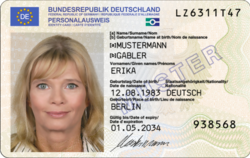
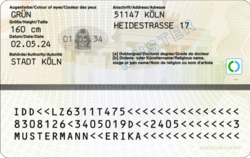
พลเมือง เยอรมันทุกคนที่มีอายุ 16 ปีขึ้นไปต้องมี บัตรประจำตัวประชาชน ( Personalausweis ) หรือหนังสือเดินทาง แต่ไม่จำเป็นต้องพกติดตัว เจ้าหน้าที่ตำรวจและเจ้าหน้าที่อื่นๆ มีสิทธิ์ขอตรวจสอบเอกสารอย่างใดอย่างหนึ่ง ( เป็นข้อบังคับในการแสดงบัตรประจำตัว ) อย่างไรก็ตาม กฎหมายไม่ได้ระบุว่าบุคคลนั้นต้องแสดงเอกสารในขณะนั้นทันที แต่เนื่องจากใบขับขี่แม้ว่าจะได้รับการยอมรับบ้าง แต่ก็ไม่ถือเป็นเอกสารแสดงตัวตนที่ได้รับการยอมรับตามกฎหมายในเยอรมนี ประชาชนส่วนใหญ่จึงมักเลือกพกบัตรประจำตัว ประชาชน ติดตัว
ตั้งแต่เดือนพฤศจิกายน 2553 บัตรประจำตัวประชาชนเยอรมันออกในรูปแบบ ID-1 และมีลายเซ็นดิจิทัลในตัว บัตรมีรูปถ่ายและชิปที่มีข้อมูลไบโอเมตริก รวมถึงลายนิ้วมือสองลายนิ้วมือซึ่งเป็นข้อบังคับในปัจจุบัน จนถึงเดือนตุลาคม 2553 บัตรประจำตัวประชาชนเยอรมันออกใน รูปแบบ ISO/IEC 7810 ID-2 เมื่อวันที่ 1 พฤศจิกายน 2562 บัตรประจำตัวประชาชนเยอรมันมีการปรับเปลี่ยนข้อความเล็กน้อยเกี่ยวกับช่องข้อมูลนามสกุลและนามสกุลเมื่อแรกเกิด เมื่อวันที่ 2 สิงหาคม 2564 บัตรประจำตัวประชาชนเยอรมันได้รับการปรับให้เข้ากับระเบียบ (EU) 2019/1157 การเปลี่ยนแปลงรวมถึงการแสดงรหัสประเทศ "DE" เป็นสีขาวบนธงยุโรป สีน้ำเงิน ด้านหน้า และลายนิ้วมือสองลายนิ้วมือ (ในรูปแบบไฟล์ภาพเข้ารหัส) เป็นข้อบังคับ นอกจากนี้ยังมีการเพิ่มหมายเลขเวอร์ชันลงในส่วนที่เครื่องอ่านได้ เมื่อวันที่ 2 พฤษภาคม 2567 คำนำหน้าชื่อแพทย์ถูกย้ายไปด้านหลังของบัตรประจำตัวประชาชน
กรีซ
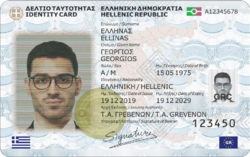
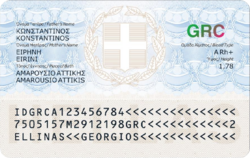
ระบบบัตรประจำตัวประชาชนแบบบังคับและครอบคลุมทั่วประเทศได้ถูกนำมาใช้ในประเทศกรีซตั้งแต่สงครามโลกครั้งที่สองบัตรประจำตัวประชาชนออกโดยตำรวจในนามของกระทรวงที่รับผิดชอบสำนักงานใหญ่ของตำรวจกรีก ( บางครั้ง อาจเป็นกระทรวงความสงบเรียบร้อยหรือกระทรวงคุ้มครองพลเมืองหรือกระทรวงมหาดไทย ) และแสดงลายเซ็นของผู้ถือบัตร รูปถ่ายใบหน้ามาตรฐาน ชื่อและนามสกุล ชื่อและนามสกุลของบรรพบุรุษตามกฎหมาย วันเดือนปีเกิดและสถานที่เกิด ส่วนสูง เทศบาล และสถานีตำรวจที่ออกบัตร นอกจากนี้ยังมีช่องข้อมูลเพิ่มเติมอีกสองช่องที่ออกแบบมาเพื่ออำนวยความสะดวกในการดูแลทางการแพทย์ฉุกเฉิน ได้แก่หมู่เลือดABOและปัจจัย Rh
ข้อมูลที่เคยมีอยู่ในบัตรประจำตัวประชาชนแบบเดิม เช่น อาชีพ ศาสนา ที่อยู่ ชื่อและนามสกุลของคู่สมรส ลายนิ้วมือ สีตาและสีผม สัญชาติ และเชื้อชาติ ได้ถูกลบออกอย่างถาวร เนื่องจากเป็นการละเมิดข้อมูลส่วนบุคคลและ/หรือเป็นข้อมูลที่ไม่จำเป็นสำหรับวัตถุประสงค์ในการระบุตัวตนเพียงอย่างเดียว
ตั้งแต่ปี 2000 ช่องชื่อในบัตรประจำตัวประชาชนได้ถูกกรอกด้วยทั้ง อักษร กรีกและอักษรละตินตามข้อมูลจากหน่วยงานบริการข้อมูลข่าวสารของคณะกรรมาธิการยุโรป [คำตอบต่อคำถามที่ 36581] บัตรประจำตัวประชาชนกรีกแบบเก่า "มีผลบังคับใช้เช่นเดียวกับแบบใหม่ตามกฎหมายของกรีก และดังนั้นจึงถือเป็นเอกสารการเดินทางที่ถูกต้องซึ่งประเทศสมาชิกสหภาพยุโรปอื่น ๆ ทุกประเทศต้องยอมรับ" นอกจากจะเทียบเท่ากับหนังสือเดินทางภายในสหภาพยุโรปและ EFTA แล้ว บัตรประจำตัวประชาชนกรีกยังเป็นวิธีการหลักในการระบุตัวตนผู้มีสิทธิเลือกตั้งในระหว่างการเลือกตั้งอีกด้วย
ตั้งแต่ปี 2548 ขั้นตอนการออกบัตรประจำตัวประชาชนได้ถูกทำให้เป็นระบบอัตโนมัติ และปัจจุบันพลเมืองทุกคนที่มีอายุมากกว่า 12 ปีจะต้องมีบัตรประจำตัวประชาชน ซึ่งจะออกให้ภายในหนึ่งวันทำการ ก่อนหน้านั้น อายุที่กำหนดให้ต้องออกบัตรประจำตัวประชาชนคือ 14 ปี และขั้นตอนทั้งหมดอาจใช้เวลานานหลายเดือน
ในประเทศกรีซ บัตรประจำตัวประชาชนถือเป็นเอกสารสำคัญที่สุดของรัฐสำหรับพลเมือง ตัวอย่างเช่น จำเป็นต้องใช้บัตรประจำตัวประชาชนในการทำธุรกรรมทางการเงินหากพนักงานธนาคารไม่คุ้นเคยกับเจ้าของบัญชีที่เห็นได้ชัด ในการติดต่อกับสำนักงานบริการประชาชน (KEP) [ 79 ]รับพัสดุหรือจดหมายลงทะเบียน เป็นต้น นอกจากนี้ พลเมืองยังต้องแสดงบัตรประจำตัวประชาชนเมื่อเจ้าหน้าที่บังคับใช้กฎหมายร้องขอ
ฟังก์ชันทั้งหมดข้างต้นสามารถดำเนินการได้ด้วยหนังสือเดินทางกรีกที่ยังไม่หมดอายุ (เช่น สำหรับผู้ที่ทำบัตรประจำตัวประชาชนหายและยังไม่ได้ยื่นขอใหม่ ผู้ที่พกหนังสือเดินทางแทนบัตรประจำตัวประชาชน หรือชาวกรีกที่อาศัยอยู่ต่างประเทศและไม่มีบัตรประจำตัวประชาชน ซึ่งออกได้เฉพาะในประเทศกรีซเท่านั้น ต่างจากหนังสือเดินทางที่ออกโดยสถานกงสุลในต่างประเทศ)
ฮังการี
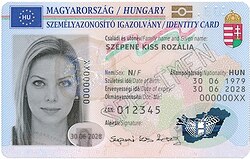
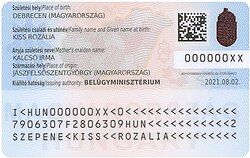
ปัจจุบัน ในประเทศฮังการีมีเอกสารประจำตัวที่ถูกต้องอยู่ 3 ประเภท ( Személyazonosító igazolvány , née Személyi igazolvány , abbr. Sz.ig. ) ได้แก่ ประเภทที่เก่าที่สุดคือแบบสมุดปกแข็งหลายหน้า ซึ่งออกโดยสาธารณรัฐประชาชนฮังการีก่อนปี 1989 ประเภทที่สองคือแบบสมุดปกอ่อนหลายหน้า ซึ่งออกหลังจากการเปลี่ยนแปลงระบอบการปกครอง เอกสารทั้งสองประเภทนี้จะมีรูปถ่ายต้นฉบับของเจ้าของพร้อมลายเซ็นต้นฉบับของเจ้าของและตัวแทนตำรวจท้องที่ ประเภทที่สามคือบัตรพลาสติกที่มีรูปถ่ายและลายเซ็นของผู้ถือบัตรพิมพ์แบบดิจิทัล โดยทั่วไปเรียกว่าบัตรประจำตัวประชาชน
บัตรพลาสติกนี้แสดงชื่อเต็มของเจ้าของบัตร ชื่อสกุลเดิม (ถ้ามี) วันเดือนปีเกิดและสถานที่เกิด ชื่อสกุลเดิมของมารดา เพศของผู้ถือบัตร ระยะเวลาที่บัตรมีอายุ และหน่วยงานรัฐที่ออกบัตร บัตรมีหมายเลขประจำตัวที่ไม่ซ้ำกัน 6 หลัก + 2 ตัวอักษร และมีพื้นที่อ่านได้ด้วยเครื่องแยกต่างหากด้านหลังสำหรับอุปกรณ์สแกนเอกสารประจำตัว บัตรนี้ไม่มีข้อมูลเกี่ยวกับที่อยู่ของเจ้าของบัตร หรือหมายเลขประจำตัวประชาชน – ข้อมูลที่ละเอียดอ่อนนี้จะอยู่ในบัตรอีกใบหนึ่งที่เรียกว่าบัตรประจำตัวประชาชน ( Lakcímkártya ) หมายเลขประจำตัวประชาชนเริ่มใช้ตั้งแต่ปี 1975 โดยมีรูปแบบตัวเลขดังนี้ เพศ (1 หลัก) – วันเกิด (6 หลัก) – หมายเลขประจำตัวที่ไม่ซ้ำกัน (4 หลัก) ปัจจุบันไม่ได้ใช้เป็นหมายเลขประจำตัวประชาชนอีกต่อไป แต่ใช้เป็นลายเซ็นทางสถิติ
เอกสารสำคัญอื่นๆ ได้แก่ หนังสือเดินทาง (สีน้ำเงินหรือสีแดงที่มี ชิป RFID ) และใบขับขี่บุคคลจะต้องมีเอกสารอย่างน้อยหนึ่งฉบับติดตัวตลอดเวลา บัตรประจำตัวประชาชนเป็นสิ่งจำเป็นสำหรับการลงคะแนนเสียงในการเลือกตั้งระดับรัฐหรือการเปิดบัญชีธนาคารในประเทศ
ไอซ์แลนด์

บัตรประจำตัวประชาชนที่ออกโดยรัฐไอซ์แลนด์เรียกว่า "Nafnskírteini" ( แปลตรงตัวว่า' ใบรับรองชื่อ' ) [ 80 ]บัตรประจำตัวประชาชนนี้เป็นไปโดยสมัครใจ สอดคล้องกับมาตรฐาน ไบโอเมตริก ของ ICAOและ EU และสามารถใช้เป็นเอกสารการเดินทางในEU / EFTAและประเทศนอร์ดิกได้[ 81 ]ตามกฎหมายแล้วไม่จำเป็นต้องพกหรือเป็นเจ้าของเอกสารประจำตัว (เว้นแต่จะขับรถ) แต่อาจจำเป็นสำหรับบริการธนาคาร การตรวจสอบอายุ และสถานการณ์อื่นๆ คนส่วนใหญ่ (91%) มีใบขับขี่สำหรับใช้ในชีวิตประจำวัน[ 82 ]
ไอร์แลนด์
ไอร์แลนด์ไม่ได้ออกบัตรประจำตัวประชาชนแบบบังคับ ยกเว้นในช่วงเวลาสั้นๆ ในช่วงสงครามโลกครั้งที่สอง เมื่อกระทรวงการต่างประเทศของไอร์แลนด์ออกบัตรประจำตัวประชาชนให้กับผู้ที่ต้องการเดินทางไปยังสหราชอาณาจักร[ 83 ]ไอร์แลนด์ไม่เคยออกบัตรประจำตัวประชาชนแบบบังคับเลย
เอกสารแสดงตนเป็นทางเลือกสำหรับพลเมืองชาวไอริชและชาวอังกฤษ อย่างไรก็ตาม เอกสารแสดงตนเป็นสิ่งจำเป็นสำหรับการขอรับบริการบางอย่าง เช่น การเดินทางทางอากาศ การทำธุรกรรมทางการเงิน การติดต่อกับหน่วยงานสวัสดิการและบริการสาธารณะ การตรวจสอบอายุ และสถานการณ์อื่นๆ
“ชาวต่างชาติ” ที่มีอายุ 16 ปีขึ้นไปต้องแสดงบัตรประจำตัวเมื่อเจ้าหน้าที่ตรวจคนเข้าเมืองหรือเจ้าหน้าที่ตำรวจGarda Síochána ร้องขอ [ 84 ]
หนังสือเดินทาง บัตรหนังสือเดินทาง ใบขับขี่ ใบรับรองการลงทะเบียน GNIB [ 85 ]และบัตรประจำตัวอื่นๆ สามารถใช้สำหรับการระบุตัวตนได้ ไอร์แลนด์ได้ออกบัตรหนังสือเดินทาง แบบเลือกได้ ตั้งแต่เดือนตุลาคม 2558 [ 86 ]บัตรมีขนาดเท่าบัตรเครดิตและมีข้อมูลทั้งหมดจากหน้าชีวประวัติของหนังสือเดินทางไอร์แลนด์ และสามารถใช้สำหรับการเดินทางในสหภาพยุโรปและ EFTA ได้โดยเฉพาะ
ไอร์แลนด์ออก "บัตรบริการสาธารณะ" ซึ่งมีประโยชน์เมื่อต้องการระบุตัวตนเพื่อติดต่อเกี่ยวกับสวัสดิการและบริการสาธารณะ บัตรนี้มีรูปถ่ายแต่ไม่มีวันเดือนปีเกิด ดังนั้นธนาคารจึงไม่รับบัตรนี้ นอกจากนี้ กรมกิจการการจ้างงานและการคุ้มครองทางสังคม (DEASP) ยังไม่ถือว่าบัตรนี้เป็นบัตรประจำตัวประชาชน ในการพิจารณาของคณะ กรรมการ รัฐสภา (Oireachtas ) เมื่อวันที่ 22 กุมภาพันธ์ 2018 ทิม ดักแกน จากกรมดังกล่าวระบุว่า "บัตรประจำตัวประชาชนเป็นแนวคิดที่แตกต่างออกไปโดยสิ้นเชิง โดยทั่วไปแล้วประชาชนถูกบังคับให้พก (บัตรดังกล่าว)" [ 5 ]
อิตาลี
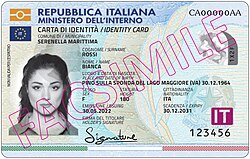
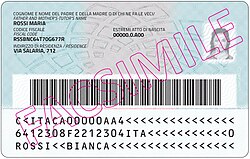
ทุกคนที่พำนักอยู่ในอิตาลีอย่างถูกกฎหมาย ไม่ว่าจะเป็นพลเมืองหรือไม่ก็ตาม มีสิทธิ์ขอรับบัตรประจำตัวประชาชนได้ที่เทศบาลท้องถิ่น[ 87 ]อย่างไรก็ตาม เฉพาะพลเมืองอิตาลีเท่านั้นที่สามารถใช้เป็นเอกสารเดินทางแทนหนังสือเดินทางได้ และสามารถขอรับได้ที่สถานกงสุล/สถานทูต[ 88 ]
ใช้ได้ทั่วทั้งยุโรป (ยกเว้นในเบลารุส รัสเซีย ยูเครน และสหราชอาณาจักร) และใช้เดินทางไปยังตุรกี จอร์เจีย อียิปต์ และตูนิเซีย[ 89 ]
พลเมืองอิตาลีไม่จำเป็นต้องพกเอกสารประจำตัวตามกฎหมาย เนื่องจากพวกเขามีสิทธิ์ที่จะระบุตัวตนด้วยวาจา อย่างไรก็ตาม หากเจ้าหน้าที่บังคับใช้กฎหมายขอให้พวกเขาแสดงเอกสารประจำตัว และพวกเขามีเอกสารนั้นติดตัวในขณะนั้น พวกเขาต้องแสดงเอกสารนั้นเพื่อหลีกเลี่ยงการกระทำผิด[ 90 ] [ 91 ]หากเจ้าหน้าที่รักษาความปลอดภัยสาธารณะไม่มั่นใจในตัวตนที่อ้าง เช่น กรณีการอ้างตัวตนด้วยวาจา พวกเขาอาจควบคุมตัวผู้เรียกร้องไว้จนกว่าจะมีการตรวจสอบตัวตนของเขา/เธอ[ 92 ]การจับกุมดังกล่าวจำกัดเฉพาะเวลาที่จำเป็นสำหรับการระบุตัวตนและไม่มีผลทางกฎหมาย
ในทางกลับกัน ชาวต่างชาติทุกคนในอิตาลีจะต้องพกบัตรประจำตัวติดตัวตลอดเวลาตามกฎหมาย[ 93 ]พลเมืองของประเทศสมาชิกสหภาพยุโรปจะต้องเตรียมเอกสารประจำตัวที่ออกโดยรัฐบาลอย่างถูกต้องตามกฎหมายในประเทศของตนไว้เสมอ ผู้พำนักอาศัยนอกสหภาพยุโรปจะต้องมีหนังสือเดินทางที่มีตราประทับเข้าเมืองหรือใบอนุญาตพำนักอาศัยที่ออกโดยทางการอิตาลี ในขณะที่ชาวต่างชาติที่พำนักอาศัย/อพยพทุกคนจะต้องมีใบอนุญาตพำนักอาศัย (มิฉะนั้นจะถือว่าผิดกฎหมายและอาจถูกเนรเทศ) ชาวต่างชาติจากบางประเทศนอกสหภาพยุโรปที่พำนักอยู่ในอิตาลีเป็นระยะเวลาจำกัด (โดยทั่วไปเพื่อการท่องเที่ยว) อาจต้องมีเพียงหนังสือเดินทางที่มีตราประทับศุลกากรที่ถูกต้องเท่านั้น
เอกสารประจำตัวประชาชนของอิตาลีในปัจจุบันเป็น บัตรอิเล็กทรอนิกส์ แบบไร้สัมผัสที่ทำจากโพลีคาร์บอเนตใน รูปแบบ ID-1พร้อมคุณสมบัติด้านความปลอดภัยมากมายและมีรายการต่อไปนี้พิมพ์ด้วยการแกะสลักด้วยเลเซอร์ : [ 94 ]
- ด้านหน้า: รูปถ่าย, หมายเลขบัตร, เทศบาล, ชื่อ, นามสกุล, สถานที่และวันเดือนปีเกิด, เพศ, ส่วนสูง, สัญชาติ, วันที่ออกบัตร, วันหมดอายุ, ลายเซ็น, หมายเลขการเข้าถึงบัตร, (ไม่บังคับ) ประโยค "non valida per l'espatrio" เฉพาะกรณีที่เอกสารนั้นไม่สามารถใช้ได้ในต่างประเทศ
- ด้านหลัง: นามสกุลและชื่อของบิดา มารดา หรือผู้ปกครองตามกฎหมาย (หากผู้สมัครยังไม่บรรลุนิติภาวะ), รหัสประจำตัวผู้เสียภาษีของอิตาลี, รหัสเกิดของอิตาลี, ที่อยู่ปัจจุบัน, (ไม่บังคับ) ข้อมูลเพิ่มเติมหากเจ้าของอาศัยอยู่ต่างประเทศ, รหัสประจำตัวผู้เสียภาษีของอิตาลีในรูปแบบบาร์โค้ด, โซนที่เครื่องอ่านได้
นอกจากนี้ ชิป ไมโครโปรเซสเซอร์ อิเล็กทรอนิกส์ที่ฝังอยู่ จะจัดเก็บรูปภาพ ชื่อ นามสกุล สถานที่และวันเดือนปีเกิด ที่อยู่ และ (เฉพาะในกรณีที่อายุ 12 ปีขึ้นไป) ลายนิ้วมือสองลายนิ้วมือของผู้ถือ[ 95 ]
บัตรนี้ถูกรวมเข้ากับโครงสร้างพื้นฐานSSO ของอิตาลี ซึ่งก็คือ SPIDและอนุญาตให้ผู้ถือบัตรใช้ ชิป NFCบนบัตรเป็นข้อมูลล็อกอินสำหรับบริการดังกล่าวได้
บัตรนี้ออกโดยกระทรวงมหาดไทยร่วมกับIPZSในกรุงโรม และส่งให้ผู้สมัครภายใน 6 วันทำการ[ 96 ]
อายุการใช้งานคือ 10 ปีสำหรับผู้ใหญ่ 5 ปีสำหรับผู้เยาว์อายุ 3–18 ปี และ 3 ปีสำหรับเด็กอายุ 0–3 ปี[ 87 ]และจะถูกขยายหรือย่อให้หมดอายุในวันเกิดเสมอ[ 97 ]
อย่างไรก็ตาม บัตรประจำตัวประชาชนอิตาลีแบบคลาสสิกเก่าก็ยังคงใช้ได้และกำลังอยู่ในขั้นตอนการเปลี่ยนเป็นบัตรประจำตัวประชาชนอิเล็กทรอนิกส์แบบใหม่ตั้งแต่วันที่ 4 กรกฎาคม 2559 [ 98 ]เนื่องจากขาดโซนที่อ่านได้ด้วยเครื่องขนาดที่แปลก การที่ทำจากกระดาษและปลอมแปลงได้ง่าย ทำให้เกิดความล่าช้าที่ด่านตรวจคนเข้าเมืองบ่อยครั้ง และยิ่งไปกว่านั้น ประเทศต่าง ๆ นอกสหภาพยุโรปบางครั้งปฏิเสธที่จะยอมรับว่าเป็นเอกสารที่ถูกต้อง ข้อวิจารณ์ทั่วไปเหล่านี้ได้รับการพิจารณาในการพัฒนาบัตรประจำตัวประชาชนอิเล็กทรอนิกส์แบบใหม่ของอิตาลีซึ่งมีรูปแบบคล้ายบัตรเครดิตที่พบได้ทั่วไปและมีคุณสมบัติด้านความปลอดภัยล่าสุดมากมายในปัจจุบัน
ลัตเวีย
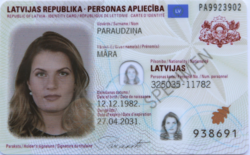
"ใบรับรองส่วนบุคคล" ของลัตเวียออกให้แก่พลเมืองลัตเวียและมีอายุใช้งานสำหรับการเดินทางภายในยุโรป (ยกเว้นเบลารุส รัสเซีย ยูเครน และสหราชอาณาจักร) จอร์เจีย ดินแดนโพ้นทะเลของฝรั่งเศส และมอนต์เซอร์รัต (สูงสุด 14 วัน)
ลิกเตนสไตน์

ราชรัฐลิกเตนสไตน์มีระบบบัตรประจำตัวประชาชนแบบสมัครใจสำหรับพลเมือง ซึ่งเรียกว่า Identitätskarte พลเมืองลิกเตนสไตน์มีสิทธิ์ใช้บัตรประจำตัวประชาชน ที่ถูกต้อง เพื่อใช้สิทธิในการเดินทางอย่างเสรีในสหภาพยุโรปและ EFTA [ 56 ] [ 55 ] [ 99 ]
ลิทัวเนีย
บัตรประจำตัวประชาชนลิทัวเนียสามารถใช้เป็นหลักฐานสำคัญแสดงความเป็นพลเมืองลิทัวเนียได้เช่นเดียวกับหนังสือเดินทาง และยังสามารถใช้เป็นหลักฐานยืนยันตัวตนทั้งในและนอกประเทศลิทัวเนียได้อีกด้วย บัตรนี้ใช้ได้สำหรับการเดินทางภายในประเทศส่วนใหญ่ในทวีปยุโรป
ลักเซมเบิร์ก
บัตรประจำตัวประชาชนของลักเซมเบิร์กออกให้แก่พลเมืองลักเซมเบิร์กบัตรนี้ใช้เป็นหลักฐานแสดงตัวตนและสัญชาติ และยังสามารถใช้สำหรับการเดินทางภายในสหภาพยุโรปและประเทศอื่นๆ ในยุโรป ได้อีกด้วย
มอลตา
บัตรประจำตัวประชาชนมอลตาออกให้แก่พลเมืองมอลตาและผู้พำนักอาศัยอย่างถูกกฎหมายในมอลตา บัตรนี้สามารถใช้เป็นเอกสารเดินทางเมื่อไปเยือนประเทศต่างๆ ในสหภาพยุโรปและสมาคมการค้าเสรีแห่งยุโรป
เนเธอร์แลนด์

พลเมืองชาวเนเธอร์แลนด์ที่มีอายุตั้งแต่ 14 ปีขึ้นไปจะต้องสามารถแสดงเอกสารประจำตัวที่ถูกต้องเมื่อเจ้าหน้าที่ตำรวจหรือเจ้าหน้าที่ที่คล้ายคลึงกันร้องขอ นอกจากนี้ เอกสารประจำตัวยังจำเป็นเมื่อเปิดบัญชีธนาคารและเริ่มงานกับนายจ้างใหม่ เอกสารประจำตัวอย่างเป็นทางการสำหรับผู้พำนักอาศัยในเนเธอร์แลนด์ ได้แก่:
- หนังสือเดินทางดัตช์
- บัตรประจำตัวประชาชนชาวดัตช์
- ใบอนุญาตพำนักของชาวต่างชาติ
- Geprivilegieerdenkaart (ในหมู่คณะทูตและสมาชิกในครอบครัว)
- หนังสือเดินทาง/บัตรประจำตัวประชาชนของประเทศสมาชิกอื่นๆ ในสหภาพยุโรปและกลุ่มประเทศEFTA
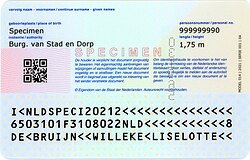
เพื่อการแสดงตนในที่สาธารณะ (แต่ไม่ใช่เพื่อวัตถุประสงค์อื่น) ใบขับขี่ ของเนเธอร์แลนด์ มักสามารถใช้เป็นเอกสารแสดงตนได้ ในเนเธอร์แลนด์แถบแคริบเบียน บัตรประจำตัวประชาชนของเนเธอร์แลนด์และประเทศอื่นๆ ในสหภาพยุโรป/EFTA ไม่สามารถใช้ได้ และบัตรประจำตัวประชาชน BESเป็นเอกสารบังคับสำหรับผู้พักอาศัยทุกคน
นอร์เวย์

ในประเทศนอร์เวย์ไม่มีกฎหมายลงโทษผู้ที่ไม่มีเอกสารประจำตัว แต่มีกฎระเบียบที่กำหนดให้ต้องมีเอกสารประจำตัวสำหรับบริการต่างๆ เช่น การธนาคาร การเดินทางทางอากาศ และการลงคะแนนเสียง (ในกรณีที่ไม่สามารถใช้การตรวจสอบตัวตนส่วนบุคคลหรือวิธีการระบุตัวตนอื่นๆ ได้)
เอกสารต่อไปนี้โดยทั่วไปถือว่าใช้ได้ (อาจแตกต่างกันเล็กน้อย เนื่องจากไม่มีกฎหมายใดระบุไว้): [ 100 ]ใบขับขี่ของกลุ่มประเทศนอร์ดิก หนังสือเดินทาง (ส่วนใหญ่มาจากสหภาพยุโรปและ EFTA เท่านั้น) บัตรประจำตัวประชาชนจากสหภาพยุโรป บัตรประจำตัวประชาชนนอร์เวย์จากธนาคาร และอื่นๆ บัตรประจำตัวประชาชนจากธนาคารจะพิมพ์อยู่ด้านหลังบัตรเดบิตนอร์เวย์ ในการขอรับบัตรประจำตัวประชาชนจากธนาคาร จำเป็นต้องมีหนังสือเดินทางของกลุ่มประเทศนอร์ดิกหรือหนังสือเดินทางอื่นพร้อมกับใบอนุญาตพำนักและทำงานในนอร์เวย์
บัตรประจำตัวประชาชนนอร์เวย์เริ่มใช้เมื่อวันที่ 30 พฤศจิกายน 2020 [ 101 ] [ 102 ]บัตรมีสองแบบ แบบหนึ่งระบุสัญชาตินอร์เวย์และใช้สำหรับการใช้สิทธิเสรีภาพในการเดินทางภายในสหภาพยุโรปและ EFTA [ 56 ] [ 55 ] [ 99 ]และอีกแบบใช้สำหรับการระบุตัวตนทั่วไป[ 103 ]แผนดังกล่าวเริ่มต้นในปี 2007 และถูกเลื่อนออกไปหลายครั้ง[ 104 ]ธนาคารต่าง ๆ ได้รณรงค์ให้ได้รับการยกเว้นจากภาระหน้าที่ในการออกบัตรประจำตัวประชาชน โดยระบุว่าเป็นความรับผิดชอบของหน่วยงานของรัฐ[ 105 ]ธนาคารบางแห่งหยุดออกบัตรประจำตัวประชาชน ทำให้ประชาชนต้องพกหนังสือเดินทางเพื่อใช้ในการซื้อสินค้าด้วยบัตรเครดิตหรือซื้อยาตามใบสั่งแพทย์หากไม่มีใบขับขี่[ 106 ] [ 107 ]
พลเมืองต่างชาติที่อาศัยอยู่ในนอร์เวย์ไม่ได้รับอนุญาตให้ขอรับบัตรประจำตัวประชาชนนอร์เวย์ เมื่อธนาคารหยุดออกบัตรและมีการแนะนำให้พลเมืองขอรับบัตรประจำตัวประชาชน พลเมืองต่างชาติที่ไม่มีใบขับขี่หรือหนังสือเดินทางของประเทศบ้านเกิดจึงถูกทิ้งไว้นอกระบบ ดังนั้น ตั้งแต่ปี 2022 จึงมีแผนที่จะออกบัตรประจำตัวประชาชนนอร์เวย์สำหรับพลเมืองต่างชาติ[ 108 ]
As of 2020, a digital ID document was introduced in Norway.[109] It requires a phone app and is useful for age checks, pick up of postal packages as well as other tasks. To activate it, a passport or national ID-card is needed. Many young people targeted for alcohol age checks or without a driver's license tend to use it, but also some older citizens.[110]
Poland
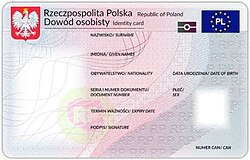
Every Polish citizen 18 years of age or older residing permanently in Poland must have an Identity Card (dokument tożsamości) issued by the local Office of Civic Affairs. Polish citizens living permanently abroad are entitled, but not required, to have one.
Portugal
All Portuguese citizens are required by law to obtain an Identity Card when they turn 6 years of age. They are not required to carry it at all times but are obliged to present it to the authorities if requested.
The old format of the cards (yellow laminated paper document) featured a portrait of the bearer, their fingerprint, and the names of parent(s), among other information.
They are currently being replaced by grey plastic cards with a chip, called Cartão de Cidadão (Identity card Card), which now incorporate NIF (Tax Number), Cartão de Utente (Health Card) and Social Security, all of which are protected by a PIN obtained when the card is issued.
The new Citizen's Card is technologically more advanced than the former Identity Card and has the following characteristics:
- From the physical point of view the Citizen's Card will have a 'smart card' format and will replace the existing Identity Card, taxpayer card, Social Security card, voter's card and National Health Service user's card.
- From the visual point of view the front of the card will display the holder's photograph and basic personal details. The back will list the numbers under which the holder is registered with the different bodies whose cards the Citizen's Card combines and replaces. The back will also contain an optical reader and the chip.
- From the electronic point of view the card will have a contact chip, with digital certificates (for electronic authentication and signature purposes). The chip may also hold the same information as the physical card itself, together with other data such as the holder's address.
Romania

Every citizen of Romania must register for an ID card (Carte de identitate, abbreviated CI) at the age of 14. The CI offers proof of the identity, address, sex and other data of the possessor. It has to be renewed every 10 years. It can be used instead of a passport for travel inside the European Union and several other countries outside the EU.
Another ID card is the Provisional ID Card (Cartea de Identitate Provizorie) issued temporarily when an individual cannot get a normal ID card. Its validity extends for up to 1 year. It cannot be used in order to travel within the EU, unlike the normal ID card.
Other forms of officially accepted identification include the driver's license and the birth certificate. However, these are accepted only in limited circumstances and cannot take the place of the ID card in most cases. The ID card is mandatory for dealing with government institutions, banks or currency exchange shops. A valid passport may also be accepted, but usually only for foreigners.
In addition, citizens can be expected to provide the personal identification number (CNP) in many circumstances; purposes range from simple unique identification and internal book-keeping (for example when drawing up the papers for the warranty of purchased goods) to being asked for identification by the police. The CNP is 13 characters long, with the format S-YY-MM-DD-RR-XXX-Y. Where S is the sex, YY is year of birth, MM is month of birth, DD is day of birth, RR is a regional id, XXX is a unique random number and Y is a control digit.
Presenting the ID card is preferred but not mandatory when asked by police officers; however, in such cases people are expected to provide a CNP or alternate means of identification which can be checked on the spot (via radio if needed).
The information on the ID card is required to be kept updated by the owner, current address of domicile in particular. Doing otherwise can expose the citizen to certain fines or be denied service by those institutions that require a valid, up to date card. In spite of this, it is common for people to let the information lapse or go around with expired ID cards.
Slovakia

The Slovak ID card (Slovak: Občiansky preukaz) is a picture ID in Slovakia. It is issued to citizens of the Slovak Republic who are 15 or older. A Slovak ID card is officially recognised by all member states of the EU/EFTA for travel. For travel outside the EU, Slovak citizens may also require the Slovak passport, which is a legally accepted form of picture ID as well. Police officers and some other officials have a right to demand to see one of those documents, and the law states that one is obliged to submit such a document at that very moment. If one fails to comply, law enforcement officers are allowed to insist on personal identification at the police station.
Slovenia

Every Slovenian citizen regardless of age has the right to acquire an identity card (Slovene: osebna izkaznica), and every citizen of the Republic of Slovenia of 18 years of age or older is obliged by law to acquire one and carry it at all times (or any other identity document with a picture, e.g., the Slovene passport or a driver's license). The card is a valid identity document within all member states of the European Union for travel within the EU. With the exception of the Faroe Islands and Greenland, it may be used to travel outside of the EU to Norway, Liechtenstein, BiH, Macedonia, Montenegro, Serbia, and Switzerland. The front side displays the name and surname, sex, nationality, date of birth, and expiration date of the card, as well as the number of the ID card, a black and white photograph, and a signature. The back contains the permanent address, administrative unit, date of issue, EMŠO, and a code with key information in a machine-readable zone. Depending on the holder's age, the card is valid for 5 years or 10 years or permanently, and it is valid 1 year for foreigners living in Slovenia, in case of repeated loss, and in some other circumstances.[111] Since 28 March 2022, it is possible but not mandatory to acquire a biometric ID card.[112] An identity document in healthcare institutions is the healthcare insurance card. Since April 2023, a biometric ID card may be used instead.[113]
Spain


In Spain, citizens, resident foreigners, and companies have similar but distinct identity numbers, some with prefix letters, all with a check-code:[114]
- NIF Both natural and legal persons have a tax code or Número de Identificación Fiscal (NIF), which is the same as their identity document. For companies this was formerly known as Código de Identificación Fiscal (CIF)
- DNI Spanish citizens have a National Idenitity Card (DNI), which bears this number without any letter prefix. This is sometimes known by obsolete names such as Cédula de Ciudadanía (CC),Carné de Identidad (CI) or Cédula de Identidad (CI).
- Spanish citizens under 14 may, but over 14 must, acquire a National Identity Card (DNI). It is issued by the National Police formerly ID-1 (bankcard) format paper encapsulated in plastic. Since 2006 a new version of the 'DNI' has been introduced. The new 'Electronic DNI' is a Smart card that allows for digital signing of documents. The chip contains most of the personal information printed on the card and a digitized version of the bearer's face, signature and fingerprints.[115]
- On the front there is a photograph, the name and surname (see Spanish naming customs), the bearer's signature, an id number, the issue date and the expiry date. On the reverse appears the date and place of birth, the gender, legal ascendants name and the current address. At the bottom there is key information in a machine-readable zone. Depending on holder's age, the card has a validity of 5 years, 10 years or indefinite (for the elderly).[116]
- CIFCódigo de Identidad Fiscal has been retained only for associations and foundations that have a CIF which starts with the letter G.
- NIE Foreigners (eXtranjeros in Spanish) are issued with a Número de Identificación de Extranjero, which starts with the letter X or Y. NIE cards for EU citizens have been abolished and replaced by a printed A4 page, which does not need to be carried, whilst cards are still issued to non-EU citizens, now following the standard European format.[117]
Despite the NIF/CIF/NIE/NIF distinctions the identity number is unique and always has eight digits (the NIE has 7 digits) followed by a letter calculated from a 23-Modular arithmeticcheck used to verify the correctness of the number. The letters I, Ñ, O and U are not used and the sequence is as follows:
| 0 | 1 | 2 | 3 | 4 | 5 | 6 | 7 | 8 | 9 | 10 | 11 | 12 | 13 | 14 | 15 | 16 | 17 | 18 | 19 | 20 | 21 | 22 |
|---|---|---|---|---|---|---|---|---|---|---|---|---|---|---|---|---|---|---|---|---|---|---|
| T | R | W | A | G | M | Y | F | P | D | X | B | N | J | Z | S | Q | V | H | L | C | K | E |
This number is the same for tax, social security and all legal purposes. Without this number (or a foreign equivalent such as a passport number), a contract may not be enforceable.
In Spain the formal identity number on an ID card is the most important piece of identification. It is used in all public and private transactions. It is required to open a bank account, to sign a contract, to have state insurance and to register at a university and should be shown when being fined by a police officer.[118] It is one of the official documents required to vote at any election, although any other form of official ID such as a driving licence or passport may be used. The card also constitutes a valid travel document within the European Union.[119]
Non-resident citizens of countries such as the United Kingdom, where passport numbers are not fixed for the holder's life but change with renewal, may experience difficulty with legal transactions after the document is renewed since the old number is no longer verifiable on a valid (foreign) passport. However, a NIE is issued for life and does not change and can be used for the same purposes.
Sweden
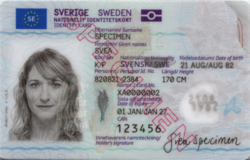
Sweden does not have a legal statute for compulsory identity documents. However, ID cards are regularly used to ascertain a person's identity when completing certain transactions. These include but are not limited to banking and age verification. Also, interactions with public authorities often require it, in spite of the fact that there is no law explicitly requiring it, because there are laws requiring authorities to somehow verify people's identity. Without Swedish identity documents difficulties can occur accessing health care services, receiving prescription medications and getting salaries or grants. From 2008, EU passports have been accepted for these services due to EU legislation (with exceptions including banking), but non-EU passports are not accepted. Identity cards have therefore become an important part of everyday life.
There are currently three public authorities that issue ID cards: the Swedish Tax Agency, the Swedish Police Authority, and the Swedish Transport Agency.
The Tax Agency cards can only be used within Sweden to validate a person's identity, but they can be obtained both by Swedish citizens and those that currently reside in Sweden. A Swedish personal identity number is required. It is possible to get one without having any Swedish ID card. In this case a person holding such a card must guarantee the identity, and the person must be a verifiable relative or the boss at the company the person has been working or a few other verifiable people.
The Police can only issue identity documents to Swedish citizens. They issue an internationally recognised identity card according to EU standard usable for intra-European travel, and Swedish passports which are acceptable as identity documents worldwide.[120]
The Transport Agency issues driving licences, which are valid as identity documents in Sweden. To obtain one, one must be approved as a driver and strictly have another Swedish identity document as proof of identity.
In the past there have been certain groups that have experienced problems obtaining valid identification documents. This was due to the initial process that was required to validate one's identity, unregulated security requirements by the commercial companies which issued them. Since July 2009, the Tax Agency has begun to issue ID cards, which has simplified the identity validation process for foreign passport holders. There are still requirements for identity validation that can cause trouble, especially for foreign citizens, but the list of people who can validate one's identity has been extended.
Switzerland
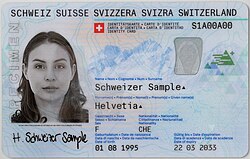
Swiss citizens have no obligation of identification in Switzerland and thus, are not required by law to be able to show a valid identity document upon request by a police officer or similar official. Furthermore, identity documents are required when opening a bank account or when dealing with public administration.
Relevant in daily life of Swiss citizens are Swiss ID card[121] and Swiss driver's license;[122] the latter needs to be presented upon request by a police officer, when driving a motor-vehicle as e.g., a car, a motorcycle, a bus or a truck. Swiss citizens are entitled to use a valid national identity card to exercise their right of free movement in EFTA[56] and the EU.[57]
Swiss passport[123] is needed only for e.g., travel abroad to countries not accepting Swiss ID card as travel document.
Other European countries
Andorra
No national identity card in the principality. Passports and driving licenses are most commonly used for identification.[10] When visiting France or Spain a passport is needed in lack of a national identity card, although driving licenses are often used and accepted unofficially.
Albania
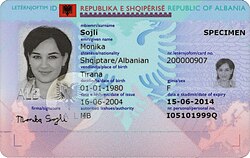
From January 12, 2009, the Government of Albania is issuing a compulsory electronic and biometric ID Card(Letërnjoftim) for its citizens.[124] Every citizen at age 16 must apply for Biometric ID card.
Azerbaijan
Azerbaijan issues a compulsory ID Card(Şəxsiyyət vəsiqəsi) for its citizens.
Every citizen at age 16 must apply for ID card.
Belarus
Belarus has combined the international passport and the internal passport into one document which is compulsory from age 14. It follows the international passport convention but has extra pages for domestic use.
Bosnia and Herzegovina
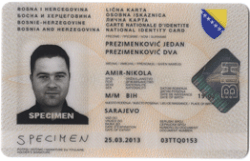
Bosnia and Herzegovina allows every person over the age of 15 to apply for an ID card, and all citizens over the age of 18 must have the national ID card with them at all times. A penalty is issued if the citizen does not have the acquired ID card on them or if the citizen refuses to show proof of identification.
Kosovo
The Kosovo Identity Card is an ID card issued to the citizens of Kosovo for the purpose of establishing their identity, as well as serving as proof of residency, right to work and right to public benefits. It can be used instead of a passport for travel to some neighboring countries.
Moldova
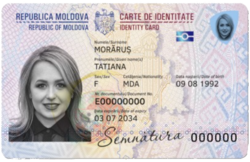
In Moldova, identity cards (Romanian: Carte de identitate) have been issued since 1996. The first person to get identity card was former president of Moldova – Mircea Snegur. Since then, all the Moldovan citizens are required to have and use it inside the country. It cannot be used to travel outside the country; however, it is possible to pass the so-called Transnistrian border with it.
The Moldovan identity card may be obtained by a child from his/her date of birth. The state Public Services Agency is responsible for issuing identity cards and for storing data of all Moldovan citizens.
Monaco
Monégasque identity cards are issued to Monégasque citizens and can be used for travel within the Schengen Area.
Montenegro
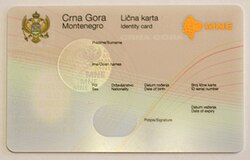
In Montenegro every resident citizen over the age of 14 can have their Lična karta issued, and all persons over the age of 18 must have ID cards and carry them at all times when they are in public places. It can be used for international travel to Bosnia and Herzegovina, Serbia, North Macedonia, Kosovo and Albania instead of the passport.
North Macedonia
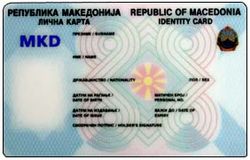
The identity card of North Macedonia (Macedonian: Лична карта, Lična karta) is a compulsory identity document issued in North Macedonia. The document is issued by the police on behalf of the Ministry of Interior. Every citizen over 18 must be issued this identity card.
Russia
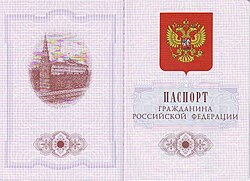
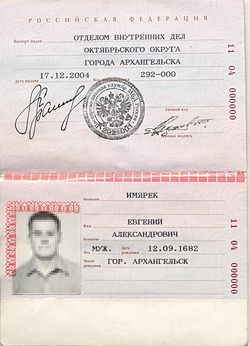
The role of identity documentation is primarily played by the so-called Russian internal passport, a passport-size booklet which contains a person's photograph, birth information and other data such as registration at the place of residence (informally known as propiska), marital data, information about military service and underage children. Internal passports are issued by the Main Directorate for Migration Affairs to all citizens who reach their 14th birthday and do not reside outside Russia. They are re-issued at the age 20 and 45.
The internal passport is commonly considered the only acceptable ID document in governmental offices, banks, while traveling by train or plane, getting a subscription service, etc. If the person does not have an internal passport (i.e., foreign nationals or Russian citizens who live abroad), an international passport can be accepted instead, theoretically in all cases. Another exception is army conscripts, who produce the Identity Card of the Russian Armed Forces.
Internal passports can also be used to travel to Belarus, Kazakhstan, Tajikistan, Kyrgyzstan, Abkhazia and South Ossetia.
Other documents, such as driver's licenses or student cards, can sometimes be accepted as ID, subject to regulations.
San Marino
The national identity card is compulsory for all Sanmarinese citizens.[125] Biometric and valid for international travel since 2016.
Serbia
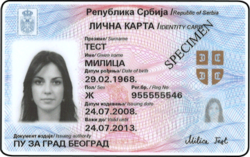
In Serbia every resident citizen over the age of 10 can have their Lična karta issued, and all persons over the age of 16 must have ID cards and carry them at all times when they are in public places.[126] It can be used for international travel to Bosnia and Herzegovina, Montenegro and Macedonia instead of the passport.[127] Contact microchip on ID is optional.
Kosovo issues its own identity cards. These documents are accepted by Serbia when used as identification while crossing the Serbia-Kosovo border.[128] They can also be used for international travel to Montenegro[129] and Albania.[130]
Ukraine

The Ukrainian identity card or Passport of the Citizen of Ukraine (also known as the Internal passport or Passport Card) is an identity document issued to citizens of Ukraine. Every Ukrainian citizen aged 14[131] or above and permanently residing in Ukraine must possess an identity card issued by local authorities of the State Migration Service of Ukraine.
Ukrainian identity cards are valid for 10 years (or 4 years, if issued for citizens aged 14 but less than 18) and afterwards must be exchanged for a new document.
United Kingdom
The UK Digital ID scheme was proposed on 25 September 2025 as a digital identity document for adult residents of the United Kingdom to be implemented by 2029. It is intended to be mandatory for right to work checks and is also part of attempts to tackle the rise in illegal migrant crossings in small boats across the English Channel.[132]. Until implementation, the UK has no national identity card and has no general obligation of identification, although drivers may be required to produce their licence and insurance documents to a police station within 7 days of a traffic stop if they are not able to provide them at the time.

The UK had an identity card during World War II as part of a package of emergency powers; this was abolished in 1952 by repealing the National Registration Act 1939. Identity cards were first proposed in the mid-1980s for people attending football matches, following a series of high-profile hooliganism incidents involving English football fans. However, this proposed identity card scheme never went ahead as Lord Taylor of Gosforth ruled it out as "unworkable" in the Taylor Report of 1990.
The Identity Cards Act 2006 implemented a national ID scheme backed by a National Identity Register – an ambitious database linking a variety of data including Police, Health, Immigration, Electoral Rolls and other records. Several groups such as No2ID formed to campaign against ID cards in Britain and more importantly the NIR database, which was seen as a "panopticon" and a significant threat to civil liberties. The scheme saw setbacks after the Loss of United Kingdom child benefit data (2007) and other high-profile data losses turned public opinion against the government storing large, linked personal datasets.
Various partial rollouts were attempted such as compulsory identity cards for non-EU residents in Britain (starting late 2008), with voluntary registration for British nationals introduced in 2009 and mandatory registration proposed for certain high-security professions such as airport workers. However, the mandatory registrations met with resistance from unions such as the British Airline Pilots' Association.[133]
After the 2010 general election a new coalition government was formed. Both parties had pledged to scrap ID cards in their election manifestos. The 2006 act was repealed by the Identity Documents Act 2010 which also required that the nascent NIR database be destroyed. The Home Office announced that the national identity register had been destroyed on February 10, 2011.[134] Prior to the 2006 Act, work had started to update British passports with RFID chips to support the use of ePassport gates. This continued, with traditional passports being replaced with RFID versions on renewal.
Driving licences, particularly the photocard driving licence introduced in 1998, and passports are now the most widely used ID documents in the United Kingdom, but the former cannot be used as travel documents, except within the Common Travel Area. However, driving licences from the UK and EU countries are usually accepted within EU and EFTA countries for identity verification. Most people do not carry their passports in public without knowing in advance that they are going to need them as they do not fit in a typical wallet and are relatively expensive to replace. Consequently, driving licences are the most common and convenient form of ID in use, along with PASS-accredited cards, used mainly for proof-of-age purposes. Unlike a travel document, they do not show the holder's nationality or immigration status. For proof-of-age purchases, a provisional driving license is often used by those who do not hold a full driving license, as they are easy to obtain.
Generally, in day-to-day life, most authorities do not ask for identification from individuals in a sudden, spot-check type manner, such as by police or security guards, although this may become a concern in instances of stop and search.
Gibraltar
Gibraltar has operated an identity card system since 1943.
The cards issued were originally folded cardboard, similar to the wartime UK Identity cards abolished in 1950. There were different colours for British and non-British residents. Gibraltar requires all residents to hold identity cards, which are issued free.
In 1993 the cardboard ID card was replaced with a laminated version. However, although valid as a travel document to the UK, they were not accepted by Spain.
A new version in an EU-compliant format was issued and is valid for use throughout the EU, although as very few are seen, there are sometimes problems when used, even in the UK. ID cards are needed for some financial transactions, but apart from that and to cross the frontier with Spain, they are not in common use.
North America
Belize
Called the "Identification Card R.R". Optional, although compulsory for voting and other government transactions. Available also for any Commonwealth country citizen who has lived in Belize for a year without leaving and been at least 2 months in an area where the person has been registered in.[135][136]
Canada
In Canada, different forms of identification documentation are used, but there is no de jure national identity card. The Canadian passport is issued by the federal (national) government, and the provinces and territories issue various documents which can be used for identification purposes. The most commonly used forms of identification within Canada are the health card and driver's licence issued by provincial and territorial governments. The widespread usage of these two documents for identification purposes has made them de facto identity cards.
In Canada, a driver's license usually lists the name, home address, height and date of birth of the bearer. A photograph of the bearer is usually present, as well as additional information, such as restrictions to the bearer's driving licence. The bearer is required by law to keep the address up to date.
A few provinces, such as Québec and Ontario, issue provincial health care cards which contain identification information, such as a photo of the bearer, their home address, and their date of birth. British Columbia, Saskatchewan and Ontario are among the provinces that produce photo identification cards for individuals who do not possess a driving licence, with the cards containing the bearer's photo, home address, and date of birth.[137][138][139]
For travel abroad, a passport is almost always required. There are a few minor exceptions to this rule; required documentation to travel among North American countries is subject to the Western Hemisphere Travel Initiative, such as the NEXUS programme and the Enhanced Drivers License programme implemented by a few provincial governments as a pilot project. These programmes have not yet gained widespread acceptance, and the Canadian passport remains the most useful and widely accepted international travel document.
Cayman Islands
Optional and not fully launched. Legislation was enacted in 2022.[140][141][142]
Costa Rica
Every Costa Ricancitizen must carry an identity card immediately after turning 18. The card is named Cédula de Identidad and it is issued by the local registrar's office (Registro Civil), an office belonging to the local elections committee (Tribunal Supremo de Elecciones), which in Costa Rica has the same rank as the Supreme Court. Each card has a unique number composed of nine numerical digits, the first of them being the province where the citizen was born (with other significance in special cases such as granted citizenship to foreigners, adopted persons, or in rare cases, old people for whom no birth certificate was processed at birth). After this digit, two blocks of four digits follow; the combination corresponds to the unique identifier of the citizen.
It is widely requested as part of every legal and financial purpose, often requested at payment with credit or debit cards for identification guarantee and requested for buying alcoholic beverages or cigarettes or upon entrance to adults-only places like bars.
The card must be renewed every ten years and is freely issued again if lost. Among the information included there are, on the front, two identification pictures and digitized signature of the owner, identification number (known colloquially just as the cédula), first name, first and second-last names and an optional known as field. On the back, there is again the identification number, birth date, where the citizen issues its vote for national elections or referendums, birthplace, gender, date when it must be renewed and a matrix code that includes all this information and even a digitized fingerprint of the thumb and index finger.
The matrix code is not currently being used nor inspected by any kind of scanner.
Besides this identification card, every vehicle driver must carry a driving licence, an additional card that uses the same identification number as the ID card (Cédula de Identidad) for the driving license number. A passport is also issued with the same identification number used in the ID card. The same situation occurs with the Social Security number; it is the same number used for the ID card.
All non-Costa Rican citizens with a resident status must carry an ID card (Cédula de Residencia), otherwise, a passport and a valid visa. Each resident's ID card has a unique number composed of 12 digits; the first three of them indicate their nationality and the rest of them a sequence used by the immigration authority (called Dirección General de Migración y Extranjería). As with the Costa Rican citizens, their Social Security number and their driver's license (if they have it) would use the same number as in their own resident's ID card.
Dominican Republic
A "Cédula de Identidad y Electoral" (Identity and Voting Document) is a National ID that is also used for voting in both Presidential and Congressional ballots. Each "Cédula de Identidad y Electoral" has its unique serial number composed by the serial of the municipality of current residence, a sequential number plus a verification digit. This National ID card is issued to all legal residents of adult age. It is usually required to validate job applications, legally binding contracts, official documents, buying/selling real estate, opening a personal bank account, obtaining a Driver's License and the like. It is issued free of charge[143] by the "Junta Central Electoral" (Central Voting Committee) to all Dominicans not living abroad at the time of reaching adulthood (16 years of age) or younger is they are legally emancipated. Foreigners who have taken permanent residence and have not yet applied for Dominican naturalization (i.e., have not opted for Dominican citizenship but have taken permanent residence) are required to pay an issuing tariff and must bring along their non-expired Country of Origin passport and deposit photocopies of their Residential Card and Dominican Red Cross Blood Type card. Foreigners residing on a permanent basis must renew their "Foreign ID" on a 2-, 4-, or 10-year renewal basis (about US$63–US$240, depending on desired renewal period).[144]
El Salvador
In El Salvador, ID Card is called Documento Único de Identidad (DUI) (Unique Identity Document). Every citizen above 18 years must carry this ID for identification purposes at any time. It is not based on a smartcard but on a standard plastic card with two-dimensional bar-coded information with picture and signature.
Guatemala
In January 2009, the National Registry of Persons (RENAP) in Guatemala began offering a new identity document in place of the Cédula de Vecindad (neighborhood identity document) to all Guatemala citizens and foreigners. The new document is called "Documento Personal de Identification" (DPI) (Personal Identity Document). It is based on a smartcard with a chip and includes an electronic signature and several measures against fraud.[145]
Jamaica
Optional, although compulsory for voting and other government transactions.[146] Since 2022 a brand new biometric National ID Card has been unveiled, free of charge for Jamaican citizens.[147][148]
Mexico
Not mandatory, but needed in almost all official documents, the CURP is the standardized version of an identity document. It actually could be a printed green wallet-sized card (without a photo) or simply an 18-character identification key printed on a birth or death certificate.[149]
While Mexico has a national identity card (cédula de identitad personal), it is only issued to children aged 4–17.[150]
Unlike most other countries, Mexico has assigned a CURP to nearly all minors, since both the government and most private schools ask parent(s) to supply their children's CURP to keep a data base of all the children. Also, minors must produce their CURP when applying for a passport or being registered at Public Health services by their parent(s).
Most adults need the CURP code too, since it is required for almost all governmental paperwork like tax filings and passport applications. Most companies ask for a prospective employee's CURP, voting card, or passport rather than birth certificates.
To have a CURP issued for a person, a birth certificate or similar proof must be presented to the issuing authorities to prove that the information supplied on the application is true. Foreigners applying for a CURP must produce a certificate of legal residence in Mexico. Foreign-born naturalized Mexican citizens must present their naturalization certificate. On August 21, 2008, the Mexican cabinet passed the National Security Act, which compels all Mexican citizens to have a biometric identity card, called Citizen Identity Card (Cédula de identidad ciudadana) before 2011.
On February 13, 2009, the Mexican government designated the state of Tamaulipas to start procedures for issuing a pilot program of the national Mexican ID card.
Although the CURP is the de jure official identification document in Mexico, the Instituto Nacional Electoral's Voter Credential card is the de facto official identification and proof of legal age for citizens of ages 18 and older.
On July 28, 2009, Mexican President Felipe Calderón, facing the Mexican House of Representatives, announced the launch of the Mexican national Identity card project, which will see the first card issued before the end of 2009.
Panama
The cédula de identidad personal is required at age 12 (cedula juvenil) and age 18. Panamanian citizens must carry their cédula at all times. New biometric national identity cards rolled out in 2019. The card must be renewed every 10 years (every 5 years for those under 18), and it can only be replaced 3 times (with each replacement costing more than the previous one) without requiring a background check, to confirm and verify that the card holder is not selling his or her identity to third parties for human trafficking or other criminal activities. All cards have QR, PDF417, and Code 128 barcodes. The QR code holds all printed (on the front of the card) text information about the card holder, while the PDF417 barcode holds, in JPEG format encoded with Base64, an image of the fingerprint of the left index finger of the card holder. Panamanian biometric/electronic/machine readable ID cards are similar to biometric passports and current European/Czech national ID cards and have only a small PDF417 barcode, with a machine readable area, a contactless smart card RFID chip, and golden contact pads similar to those found in smart card credit cards and SIM cards. The machine-readable code contains all printed text information about the card holder (it replaces the QR code) while both chips (the smart card chip is hidden under the golden contact pads) contain all personal information about the card holder along with a JPEG photo of the card holder, a JPEG photo with the card holder's signature, and another JPEG photo but with all 10 fingerprints of both hands of the card holder. Earlier cards used Code 16K and Code 49 barcodes with magnetic stripes.[151][152]
United States
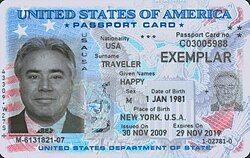
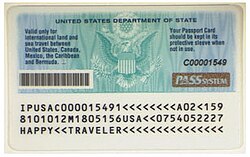
There is no compulsory federal-level ID card that is issued to all U.S. citizens. U.S. citizens and nationals may obtain passports or U.S. passport cards if they choose to, but this is optional and other alternatives are more popular.
For most people, driver's licenses issued by the respective state and territorial governments have become the de facto identity cards, and are used for many identification purposes, such as when purchasing alcohol and tobacco, opening bank accounts, and boarding planes, along with confirming a voter's identity in states with voter photo identification laws. Individuals who do not drive can obtain an identification card with the same functions from the state agency that issues driver's licenses. In addition, many schools issue student and teacher ID cards.[153]
The United States passed the REAL ID Act on May 11, 2005. The bill requires states to redesign their driver's licenses to comply with federal security standards by December 2009. Federal agencies would then reject licenses or identity cards that do not comply, which would force Americans accessing everything from airplanes to courthouses to have federally mandated cards. At airports, those not having compliant licenses or cards would be redirected to a secondary screening location.[154] As of 2024, every state has implemented some ID that satisfies the standard.[155]
In 2006, the U.S. State Department studied the idea of issuing passports with radio-frequency identification, or RFID, chips embedded in them.
The United States passport verifies both personal identity and citizenship, but is not mandatory for citizens to possess within the country and is issued by the U.S. State Department on a discretionary basis.
Since February 1, 2008, U.S. citizens may apply for passport cards, in addition to the usual passport books. Although their main purpose is for land and sea travel within North America, the passport card may also be accepted by federal authorities (such as for domestic air travel or entering federal buildings). The Transportation Security Administration (TSA) accepts the passport card as an identity document at airport security checkpoints.[156]
U.S. Citizenship and Immigration Services allows the U.S. passport card to be used in the Employment Eligibility Verification Form I-9 (form) process.[157] The passport card is considered a "List A" document that may be presented by newly hired employees during the employment eligibility verification process to show work authorized status. "List A" documents are those used by employees to prove both identity and work authorization when completing the Form I-9.
The basic document needed to establish a person's identity and citizenship in order to obtain a passport is a birth certificate. These are issued by either the U.S. state of birth or by the U.S. Department of State for overseas births to U.S. citizens. A child born in the U.S. is in nearly all cases (except for children of foreign diplomats) automatically a U.S. citizen. The parents of a child born overseas to U.S. citizens can report the birth to the U.S. embassy/consulate to obtain a Consular Report of Birth Abroad.[158]
Social Security numbers (SSNs) and cards are issued by the U.S. Social Security Administration for tracking Social Security taxes and benefits. They have become the de facto national identification number for federal and state taxation, private financial services, and identification with various companies. SSNs do not establish citizenship because they can also be issued to permanent residents. They typically can only be part of the establishment of a person's identity; a photo ID that verifies date of birth is also usually requested.
A mix of documents can be presented to, for instance, verify one's legal eligibility to take a job within the United States. Identity and citizenship is established by presenting a passport alone, but this must be accompanied by a Social Security card for taxation ID purposes. A driver's license/state ID establishes identity alone, but does not establish citizenship, as these can be provided to non-citizens as well. In this case, an applicant without a passport may sign an affidavit of citizenship or be required to present a birth certificate. They must also submit their Social Security number.
"Residency" within a certain U.S. jurisdiction, such as a voting precinct, can be proven if the driver's license or state ID has the home address printed on it corresponding to that jurisdiction. Utility bills or other pieces of official printed mail can also suffice for this purpose. In the case of voter registration, citizenship must also be proven with a passport, birth certificate, or signed citizenship affidavit.
The Selective Service System has in the past, in times of a military draft, issued an identification card for men that were eligible for the draft.
Oceania
Australia
Australia does not have a national identity card. Instead, various identity documents are used or required to prove a person's identity, whether for government or commercial purposes.
Currently, driver licences and photo cards, both issued by the states and territories, are the most widely used personal identification documents in Australia. Additionally, the Australia Post Keypass identity card, issued by Australia Post, can be used by people who do not have an Australian drivers licence or an Australian state and territory issued identity photo card.
Photo cards are also called "Proof of Age Cards" or similar and can be issued to people as another type of identity. Identification indicating age is commonly required to purchase alcohol and tobacco and to enter nightclubs and gambling venues.
Other important identity documents include a passport, an official birth certificate, an official marriage certificate, cards issued by government agencies (typically social security cards), some cards issued by commercial organisations (e.g., a debit or credit card), and utility accounts. Often, some combination of identity documents is required, such as an identity document linking a name, photograph and signature (typically photo-ID in the form of a driver licence or passport), evidence of operating in the community, and evidence of a current residential address.
New alcohol laws in the state of Queensland require some Brisbane-based pubs and bars to scan ID documents against a database of people who should be denied alcohol, for which foreign passports and driver's licences are not valid.[159]
Marshall Islands
An "Identification Card" seems to exists among citizens of the Marshall Islands, but little information is found on these documents.
Micronesia
National Identity cards, called "FSM Voters National Identity card", are issued on an optional basis, free of charge. The Identity Cards were introduced in 2005.[160]
New Zealand

New Zealand does not have an official ID card. The most commonly carried form of identification is a driver licence issued by the Transport Agency.
Other forms of special purpose identification documents are issued by different government departments, for example a Firearms Licence issued to gun owners by the Police and the SuperGold card issued to elderly people by the Ministry of Social Development.
For purchasing alcohol or tobacco, the only legal forms of identification is a New Zealand or foreign passport, a New Zealand driver licences and a Kiwi Access Card (formerly known as 18+ cards)[161] from the Hospitality Association of New Zealand.[162] Overseas driver licences are not legal for this purpose.
For opening a bank account, each bank has its own list of documents that it will accept. Generally speaking, banks accept a foreign or NZ passport, a NZ Firearms Licence, or a foreign ID card by itself. If the customer do not have these documents, they will need to produce two different documents on the approved list (for example a driver licence and a marriage certificate).[163]
Palau


Republic of Palau Identification Cards are primarily issued to foreign nationals whom are not eligible to acquire a Palau passport or driver's license, under the Digital Residency Act. Foreign nationals are required to undergo a sanctions check.
Papua New Guinea
E-National ID cards were rolled out in 2015.[164]
Solomon Islands
"National Voter's Identity card" are optional upon request.[165][166]
Tonga
Tonga's National ID Card was first issued in 2010, and it is optional, along with the driver's licenses and passports. Either one of these are mandatory for to vote though. Applicants need to be 14 years of age or older to apply for a National ID Card.[167]
Vanuatu
National Identity Cards are being issued since October 2017. Plans for rolling out biometric cards were due for the late 2018.[168][169]
South America
Argentina

Documento Nacional de Identidad (DNI; "National Identity Document") is the main identity document for Argentine residents. It is issued as a card (tarjeta DNI) at birth to all people born in the country (and hence citizens), and to foreigners who register as residents with the National Directorate of Migrations. It must be updated at 8 and 14 years of age, and thereafter every 15 years. The documents are produced at a special plant in Buenos Aires by the Argentine national registry of people (ReNaPer).[170] The National Identity Document (DNI) is the sole instrument for personal identification and is mandatory. Its format and use are regulated by Law No. 17671 on Identification, Registration, and Classification of the National Human Potential, enacted in 1968, replacing the enrolment document issued to men undergoing mandatory military service and libreta cívica given to women upon turning 18.
According to this law, the DNI cannot be substituted by any other document for legal purposes. It is required for voting, which is mandatory, and for identification before judicial authorities. The Argentine DNI is also required for conducting procedures with state authorities, and entitles adult bearers to work within the country.
From November 4, 2009, as part of a modernization and digitization process of national documents, a new type of DNI with both a booklet and a card was issued; either may be used for most purposes, but the booklet had to be used for voting.
The DNI booklet had a light blue cover with laser printing for the citizen's unique number and silver prints for the rest of the presentation. Internally, it had an identical design to the card format but included spaces for marital status, address changes, organ donations, and the stamping of the DNI after voting in national elections. The card was entirely laminated and contained all the individual's data, including a photograph and fingerprint impression.
From 2011, the DNI underwent further changes, with no booklet and a different card design, a higher-quality plastic card to be used for all purposes. The booklet was no longer required for voting by holders of the still-valid 2009 version. Since April 1, 2017, the DNI card is the only valid identification document. Taxpayers also have a Unique Tax Identification Code (CUIT).
In December 2023, the National Registry of Persons of Argentina (Renaper), a subsidiary of the Ministry of the Interior, introduced the Biometric National Identity Document (DNI). It adheres to international standards of security, with an embedded electronic chip and a QR code for electronic validation, identity verification, digital functions, and advanced security measures.
Manufactured using laser technology on polycarbonate, a durable material, the new document has up-to-date physical security features to enhance visual verification and prevent counterfeiting.[171]
Brazil
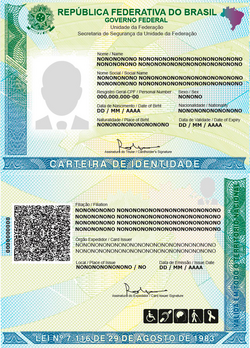
In Brazil, at the age of 18, all Brazilian citizens are supposed to be issued a cédula de identidade (ID card), usually known by its number, the Registro Geral (RG), Portuguese for "General Registry". The cards are needed to obtain a job, to vote, and to use credit cards. Foreigners living in Brazil have a different kind of ID card. Since the RG is not unique, being issued in a state-basis, in many places the CPF (the Brazilian revenue agency's identification number) is used as a replacement. The current Brazilian driver's license contains both the RG and the CPF, and as such can be used as an identification card as well.
With the new Carteira Nacional de Identificação (National Identification Card), all of other document numbers (RG, driver's license, SUS card, voting ID, social security number, birth certificate, worker's ID) were unified and linked to the CPF number.[172] The new document also has a digital version via Gov.br mobile app. Old ID cards are still valid until 28 February 2032, when only the new IDs will be accepted as valid ID documents.[173]
Colombia
Upon turning 18 every resident in Colombia must obtain an identity document (Spanish: Cédula de Ciudadanía or Documento de Identidad), which is the only document that proves the identity of a person for legal purposes. ID cards must be carried at all times and must be presented to the police upon request. If the individual fails to present the ID card upon request by the police or the military, he/she is most likely going to be detained at police station even if he/she is not a suspect of any wrongdoing. ID cards are needed to obtain employment, open bank accounts, obtain a passport, driver's license, military card, to enroll in educational institutions, vote or enter public buildings including airports and courthouses; failure to produce ID is a misdemeanor punishable with a fine. ID duplicate costs must be assumed by citizens. Every resident over the age of 14 is issued an identity card called (Tarjeta de Identidad)
Chile

Every resident of Chile over the age of 18 must have and carry at all times their ID Card called Cédula de Identidad issued by the Civil Registry and Identification Service of Chile.
The identity card is the official document that proves the identity of a Chilean person. Among the data it contains is the full name, Unique National Role (RUN) and sex, in addition to the photo, signature and fingerprint. Anyone who wants their profession to appear on their identity card must be registered in the professional registry.
This is the only official form of identification for residents in Chile and is widely used and accepted as such. It is necessary for every contract, most bank transactions, voting, driving (along with the driver's licence) and other public and private situations. Biometrics collection is mandatory.[174]
Peru
In Peru, it is mandatory for all citizens over the age of 18, whether born inside or outside the territory of the Republic, to obtain a National Identity Document (Documento Nacional de Identidad). The DNI is a public, personal and untransferable document.
The DNI is the only means of identification permitted for participating in any civil, legal, commercial, administrative, and judicial acts. It is also required for voting and must be presented to authorities upon request. The DNI can be used as a passport to travel to all South American countries that are members of UNASUR.
The DNI is issued by the National Registry of Identification and Civil Status (RENIEC). For Peruvians abroad, service is provided through the Consulates of Peru, in accordance with Articles 26, 31 and 8 of Law No. 26,497.
The document is card-sized as defined by ISO format ID-1 (prior to 2005 the DNI was size ISO ID-2; renewal of the card due to the size change was not mandatory, nor did previously-emitted cards lose validity). The front of the card presents photographs of the holder's face, their name, date and place of birth (the latter in coded form), gender and marital status; the bottom quarter consists of machine-readable text. Three dates are listed as well; the date the citizen was first registered at RENIEC; the date the document was issued; and the expiration date of the document. The back of the DNI features the holder's address (including district, department and/or province) and voting group. Eight voting record blocks are successively covered with metallic labels when the citizen presents themselves at their voting group on voting days. The back also denotes whether the holder is an organ donor, presents the holder's right index finger print, a PDF417 bar code, and a 1D bar code.
Uruguay
In Uruguay, the identity card (documento de identidad) is issued by the Ministry of the Interior and the National Civil Identification Bureau (Dirección Nacional de Identificación Civil | DNIC).[175]
It is mandatory and essential for several activities at either governmental or private levels. The document is mandatory for all inhabitants of the Oriental Republic of Uruguay, whether they are native citizens, legal citizens, or resident aliens in the country, even for children as young as 45 days old.
It is a laminated card 9 cm (3.5 in) wide and approximately 5 cm (2.0 in) high, dominated by the color blue, showing the flag in the background with the photo of the owner, the number assigned by the DNIC (including a self-generated or check digit), full name, and the corresponding signature along with biometrics. The card is bilingual in Spanish and Portuguese.[176]
Identity cards are required for most formal transactions, from credit card purchases to any identity validation, proof of age, and so on. The identity card is not to be confused with the Credencial Cívica, which is used exclusively for voting.[177]
Venezuela
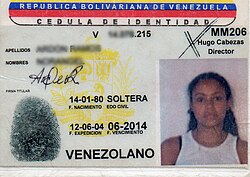
Identity cards in Venezuela consist of a plastic-laminated paper which contains the national ID number (Cédula de Identidad) as well as a color-photo and the last names, given names, date of birth, right thumb print, signature, and marital status (single, married, divorced, widowed) of the bearer. It also contains the documents expedition and expiration date. Two different prefixes can be found before the ID number: "V" for Venezuelans and "E" for foreigners (extranjeros in Spanish). This distinction is also shown in the document at the very bottom by a bold all-caps typeface displaying either the word VENEZOLANO or EXTRANJERO, respectively.
Despite Venezuela being the second country in the Americas (after the United States) to adopt a biometric passport, the current Venezuelan ID document is remarkably low-security, even for regional standards. It can hardly be called a card. The paper inside the laminated cover contains only two security measures, first, it is a special type of government-issued paper, and second, it has microfilaments in the paper that glow in the presence of UV light. The laminated cover itself is very simplistic and quite large for the paper it covers and the photo, although is standard sized (3x3.5 cm) is rather blurred. Government officials in charge of issuing the document openly recommend each individual to cut the excess plastic off and re-laminate the document in order to protect it from bending. The requirements for getting a Venezuelan identity document are quite relaxed and Venezuela lacks high-security in its birth certificates and other documents that give claim to citizenship.
See also
- Aadhaar
- Access badge
- Anthropometry
- National biometric id card
- Campus card
- Homeland card
- Home Return Permit
- ID card printer
- Identity Cards Act 2006
- List of identity card policies by country
- Magnetic stripe card
- NO2ID
- Pass laws
- Physical security
- Police certificate
- Proximity card
- Self-sovereign identity
- Warrant card
Notes
- ^The legal acquis has been identified as EEA-relevant by the EU Commission, which makes it under scrutiny for incorporation into the EEA Agreement by Iceland, Liechtenstein and Norway. However, the legal basis rely on Article 21 of the Treaty on the Functioning of the European Union, an article which is not reflected in the EEA Agreement.[61]
Further reading
- Kruger, Stephen. "Documentary Identification in the Nascent American Police State" (2012). [1].
- Kruger, Stephen. "Police Demands for Hong Kong Identity Cards" (2012). [2].
External links

- PRADO – Public Register of European Travel and ID Documents OnlineArchived 2017-10-02 at the Wayback Machine
- Telegraph story: the case for and against identity cards
- Scotsman story: ID Cards will lead to "massive fraud"
- PRADO Glossary – EU site detailing document security technologies (security features)