กลับไปหน้าบทความ

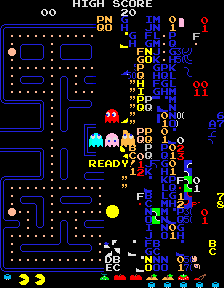
อ่าน 111 นาที

คำศัพท์เฉพาะทางด้านวิดีโอเกม

นับตั้งแต่กำเนิดวิดีโอเกมในช่วงต้นทศวรรษ 1970 อุตสาหกรรมวิดีโอเกมผู้เล่นและวัฒนธรรมโดยรอบได้ก่อให้เกิดคำศัพท์ทางเทคนิคและคำสแลงมากมาย

คำศัพท์เฉพาะทางด้านวิดีโอเกม

(Learn how and when to remove this message)

นับตั้งแต่กำเนิดวิดีโอเกมในช่วงต้นทศวรรษ 1970 อุตสาหกรรมวิดีโอเกมผู้เล่นและวัฒนธรรมโดยรอบได้ก่อให้เกิดคำศัพท์ทางเทคนิคและคำสแลงมากมาย

0–9

1ซีซี
คำย่อของการเล่นจบด้วยเครดิตเดียวหรือการเล่นจบด้วยเหรียญเดียว หมายถึง การเล่นจบเกมอาร์เคด (หรือเกมสไตล์อาร์เคด) โดยไม่ต้องใช้การเล่นต่อ[ 1 ]
1-อัพ
วัตถุที่ให้ผู้เล่นมีชีวิต พิเศษ (หรือโอกาส) ในเกมที่ผู้เล่นมีโอกาสจำกัดในการผ่านเกมหรือด่าน[ 2 ]
100%
เพื่อรวบรวม ของ สะสม ทั้งหมด หรือเพื่อให้ได้ความสำเร็จทั้งหมด (ดูด้านล่าง) ภายในเกม ไม่ว่าจะระบุไว้ในเกมเป็นตัวนับเปอร์เซ็นต์หรือกำหนดโดยฉันทามติของชุมชนผู้เล่น[ 3 ]
1 ต่อ 1
คำว่า "1 ต่อ 1" เป็นคำย่อของ "1 ต่อ 1" ซึ่งหมายถึงผู้เล่นสองคนต่อสู้กัน สามารถขยายความไปถึง กลุ่ม ผู้เล่นต่อผู้เล่น ใดๆ ก็ได้ เช่น "2 ต่อ 2" หมายถึงสองทีม ทีมละสองคนต่อสู้กัน หรือ "1 ต่อ 4" หมายถึงทีมสี่คนต่อสู้กับหนึ่งคน (ดังที่เห็นได้ในเกมที่ไม่สมมาตร )
กราฟิก 2 มิติ
เทคนิคการแสดงผลกราฟิกในมุมมองสองมิติ ซึ่งมักใช้สไปรท์ (sprites )
กราฟิก2.5 มิติ
เทคนิคการสร้างภาพกราฟิกของวัตถุสามมิติที่วางอยู่บนระนาบการเคลื่อนไหวสองมิติ มักใช้ในเกมที่บางวัตถุยังคงถูกสร้างเป็นสไปรท์อยู่
360 แบบไม่เล็งเป้า
การยิงแบบ 360 องศาโดยไม่ใช้กล้องเล็ง โดยทั่วไปหมายถึงเทคนิคการยิงแบบพิเศษในวิดีโอเกมยิงมุมมองบุคคลที่หนึ่งหรือบุคคลที่สาม ซึ่งผู้เล่นคนหนึ่งสังหารผู้เล่นอีกคนด้วยปืนไรเฟิลซุ่มยิงโดยการหมุนตัวเป็นวงกลมครบหนึ่งรอบก่อน แล้วจึงยิงอย่างรวดเร็วโดยไม่มองผ่านกล้องเล็ง
กราฟิก 3 มิติ
เทคนิคการสร้างภาพกราฟิกที่แสดงวัตถุสามมิติ
ความละเอียด 4K
อัตราส่วนภาพของอุปกรณ์แสดงผลดิจิทัล เช่น โทรทัศน์และจอคอมพิวเตอร์ ซึ่งรองรับความละเอียดสูงสุด 3840 × 2160 พิกเซล (ความกว้างประมาณ 4 กิโลพิกเซล)
4X
เกมวางแผนกลยุทธ์ประเภทหนึ่ง ซึ่งย่อมาจาก "eXplore, eXpand, eXploit, and eXterminate" (สำรวจ ขยาย ใช้ประโยชน์ และกำจัด) เกมประเภทนี้มักมีความซับซ้อน เกี่ยวข้องกับการทูตอย่างละเอียด การพัฒนาเทคโนโลยี และเงื่อนไขการชนะที่หลากหลาย
8 บิต
คำอธิบายสำหรับฮาร์ดแวร์หรือซอฟต์แวร์ที่เกิดขึ้นในช่วงยุคที่สามของเครื่องเล่นเกมคอนโซลโดยมุ่งเป้าไปที่สถาปัตยกรรมคอมพิวเตอร์8 บิต
ความละเอียด 8K
อัตราส่วนภาพของอุปกรณ์แสดงผลดิจิทัล เช่น โทรทัศน์และจอคอมพิวเตอร์ ซึ่งรองรับความละเอียดสูงสุด 7680 × 4320 พิกเซล (ความกว้างประมาณ 8 กิโลพิกเซล)
16 บิต
คำอธิบายสำหรับฮาร์ดแวร์หรือซอฟต์แวร์ที่เกิดขึ้นในช่วงยุคที่สี่ของเครื่องเล่นเกมคอนโซลโดยมุ่งเป้าไปที่สถาปัตยกรรมคอมพิวเตอร์16 บิต
32 บิต
คำอธิบายสำหรับฮาร์ดแวร์หรือซอฟต์แวร์ที่เกิดขึ้นในช่วงยุคที่ห้าของเครื่องเล่นเกมคอนโซลโดยมุ่งเป้าไปที่สถาปัตยกรรมคอมพิวเตอร์32 บิต
64 บิต
คำอธิบายสำหรับฮาร์ดแวร์หรือซอฟต์แวร์ที่เกิดขึ้นในช่วงยุคที่ห้าของเครื่องเล่นเกมคอนโซลโดยมุ่งเป้าไปที่สถาปัตยกรรมคอมพิวเตอร์64 บิต

เอ

แอลเอ
เกมที่มีงบประมาณสูงและมีทีมพัฒนาขนาดใหญ่ เกม AAA มักจะเป็นเกมที่เล่นได้หลายแพลตฟอร์มหรือเป็นเกมที่พัฒนาโดยบริษัทเองมีงบประมาณหลายล้านดอลลาร์ และคาดว่าจะขายได้หลายล้านชุด[ 4 ] [ 5 ]
ซอฟต์แวร์ที่ถูกทิ้งร้าง
เกมที่ถูกลืมหรือถูกทิ้งร้างโดยผู้พัฒนาด้วยเหตุผลหลายประการ รวมถึงปัญหาลิขสิทธิ์[ 6 ] [ 7 ]
เอซ
โดยทั่วไปจะใช้ในเกมยิงมุมมองบุคคลที่หนึ่งซึ่งผู้เล่นคนเดียวสามารถกำจัดทีมฝ่ายตรงข้ามทั้งหมดได้ด้วยตัวเองในขณะที่เพื่อนร่วมทีมยังมีชีวิตอยู่ นอกจากนี้ยังสามารถใช้เพื่ออธิบายสถานการณ์ที่ผู้เล่นสามารถผ่านด่านที่อาจยากของเกมได้อย่างไร้ที่ติ เทียบได้กับเพนทาคิลในเกมแข่งขันที่มีทีมประกอบด้วยผู้เล่น 5 คน เช่นMOBA [ 8 ]
ความสำเร็จ
เป้าหมายหลักที่กำหนดไว้นอกเหนือขอบเขตของเกม อาจเป็นความสำเร็จภายนอก เช่น ความสำเร็จบนXbox LiveหรือSteam
นักล่าความสำเร็จ
ผู้เล่นที่พยายามสะสมความสำเร็จ ทั้งหมด ในเกม นักล่าความสำเร็จมักจะเป็นพวกที่ต้องการทำให้ครบทุก อย่างในเกม
กระทำ
บางครั้งใช้เพื่ออ้างถึงระดับ แต่ละระดับ หรือกลุ่มของระดับที่ประกอบกันเป็นโลกหรือเรื่องราวที่ใหญ่กว่า ไม่ค่อยใช้เพื่ออ้างถึงเกมที่ดาวน์โหลดได้ซึ่งตั้งใจให้เป็นส่วนหนึ่งของซีรีส์เกมขนาดใหญ่ที่ทำงานเหมือนซีรีส์เกมเดียวทั้งในแง่ของรูปแบบการเล่นและฟังก์ชันการทำงาน
เกมแอ็กชั่น
ประเภทเกมที่เน้นการประสานงานระหว่างมือและตา ปฏิกิริยาตอบสนอง จังหวะเวลา และทักษะทางกายภาพอื่นๆ ซึ่งรวมถึงเกมต่อสู้ เกม ยิงปืนและเกมแพลตฟอร์ม
จุดดำเนินการ(เอพี)
หน่วยย่อยของเทิร์นของผู้เล่น ตัวอย่างเช่น เกมอาจอนุญาตให้การกระทำเกิดขึ้นได้ก็ต่อเมื่อผู้เล่นมี 'คะแนนการกระทำ' เพียงพอที่จะดำเนินการให้เสร็จสิ้น[ 9 ] [ 10 ]
เกมแอ็คชั่นสวมบทบาท(เกมอาร์พีจี)
เกมประเภทหนึ่งที่เน้นการต่อสู้แบบเรียลไทม์ แทนที่จะใช้ระบบการต่อสู้แบบผลัดกัน เล่น
การกระทำต่อนาที(เอพีเอ็ม)
จำนวนการกระทำทั้งหมดที่ผู้เล่นสามารถทำได้ในหนึ่งนาที
ดนตรีที่ปรับเปลี่ยนได้
เพลงประกอบเกมที่เปลี่ยนแปลงและตอบสนองต่อการกระทำของผู้เล่นและสถานะของเกมเพื่อสะท้อนบรรยากาศของเกมให้ดียิ่งขึ้น[ 11 ]
ปัญญาประดิษฐ์แบบปรับตัวได้
รูปแบบหนึ่งของปัญญาประดิษฐ์ที่ใช้ข้อมูลจากการเล่นของผู้เล่นมาเรียนรู้เพื่อรับมือกับผู้เล่นได้ดียิ่งขึ้น
ส่วนเสริม
เพิ่ม
เป็นคำที่ใช้กันทั่วไปในวิดีโอเกมสวมบทบาทเกมMMORPGและเกมต่อสู้แบบ Beat-'em-upหมายถึง "ศัตรูเพิ่มเติม" ที่บอสเรียกออกมาในระหว่างการต่อสู้
ก้าวหน้าและปลอดภัย(เอเอเอส)
โหมดเกมแบบทีม ที่ ผู้เล่นปะทะผู้เล่นใช้ในเกมยิงปืนมุมมองบุคคลที่หนึ่งเชิงกลยุทธ์ โดยผู้เล่นในทีมตรงข้ามจะต้องยึดจุดสนใจที่กำหนดไว้ล่วงหน้าในสภาพแวดล้อมของเกมตามลำดับที่กำหนดไว้
เกมผจญภัย
ประเภทเกมที่เน้นปริศนา การสำรวจ และเนื้อเรื่อง
AFK
ความหมายคือ "ไม่อยู่ที่แป้นพิมพ์" โดยทั่วไปจะพูดผ่านฟังก์ชันแชทในเกมออนไลน์แบบผู้เล่นหลายคนเมื่อผู้เล่นตั้งใจที่จะไม่อยู่ชั่วคราว[ 12 ]
หน่วยงาน
เกี่ยวข้องกับคำศัพท์ทางจิตวิทยาของagency , agency หรือ player agency ในวิดีโอเกม หมายถึงวิธีการที่นักพัฒนาใช้ในการสร้างเกมเพื่อให้ผู้เล่นรู้สึกว่าตนเองควบคุมเกมได้ โดยเกมจะตอบสนองต่อการกระทำของผู้เล่น แม้ว่าตัวเกมเองจะมีวิธีการที่กำหนดไว้แล้วก็ตาม[ 13 ]
แอ็กโกร
คำย่อของ 'aggravation' หรือ 'aggression' 'การทำให้เกิดความไม่พอใจ' หรือ 'การก่อความไม่พอใจ' ในวิดีโอเกม หมายถึงการดึงดูดความสนใจที่เป็นศัตรูจาก NPC หรือศัตรูให้โจมตีตัวละครของผู้เล่น 'การจัดการความไม่พอใจ' เกี่ยวข้องกับการป้องกันไม่ให้ NPC ที่ก้าวร้าวเข้าครอบงำผู้เล่นหรือกลุ่ม[ 14 ] คำนี้อาจใช้ในเชิงล้อเลียนเพื่ออ้างถึงผู้ยืนดูเหตุการณ์ที่รู้สึกรำคาญ ('ภรรยาที่ก่อความไม่พอใจ', 'แม่ที่ก่อความไม่พอใจ' เป็นต้น)
ช่วยเหลือการเล็งเป้าหมาย
ดูการเล็งอัตโนมัติ
โปรแกรมช่วยเล็ง
โปรแกรมโกงเกมยิงมุมมองบุคคลที่หนึ่ง ที่อนุญาตให้อาวุธของผู้เล่นเล็งไปยังเป้าหมายโดยอัตโนมัติ ในกรณีส่วนใหญ่ เป้าเล็งจะล็อกไปยังเป้าหมายที่อยู่ในระยะสายตาของผู้เล่น และผู้เล่นเพียงแค่ต้องเหนี่ยวไก โปรแกรมช่วยเล็ง (Aimbots) เป็นหนึ่งในโปรแกรมโกงที่ได้รับความนิยมมากที่สุดในเกม FPS แบบผู้เล่นหลายคน ซึ่งใช้กันมาตั้งแต่เกมQuake ในปี 1996 [ 15 ] : 119
เล็งผ่านศูนย์เล็ง(เอดีเอส)
หมายถึงวิธีการยิงปืนอีกวิธีหนึ่งที่ใช้กันทั่วไปใน เกม ยิงมุมมองบุคคลที่หนึ่ง (FPS) ซึ่งโดยปกติจะใช้ปุ่มเมาส์ขวา ในชีวิตจริงนั้น การยิงแบบนี้จะคล้ายกับการที่คนยกปืนขึ้นแล้ววางพานท้ายไว้ที่บริเวณไหล่ จากนั้นก็ก้มศีรษะลงเพื่อให้มองเห็นแนวตรงไปตามด้านบนของปืนผ่านทั้งศูนย์เล็งเหล็กหรือกล้องเล็ง (ถ้าติดตั้ง) ในเกมส่วนใหญ่ วิธีนี้จะเพิ่มความแม่นยำอย่างมาก แต่ก็อาจจำกัดการมองเห็น การรับรู้สถานการณ์ การเคลื่อนไหว และต้องใช้เวลาเล็กน้อยในการเปลี่ยนตำแหน่งของอาวุธ
เวอร์ชันอัลฟ่า
เวอร์ชันเริ่มต้นที่ไม่สมบูรณ์ของเกม โดยปกติเวอร์ชันอัลฟ่าจะถูกปล่อยออกมาในช่วงแรกของการพัฒนาเพื่อทดสอบฟังก์ชันการทำงานที่สำคัญที่สุดของเกมและแนวคิดการออกแบบต้นแบบ
อัลท์
คำว่า 'alternate' ย่อมาจาก 'alternate' หมายถึงการเน้นการเล่นเกม/ความก้าวหน้า/การพัฒนาตัวละคร (หรือคลาส) อื่นๆ ที่มีให้เลือกในเกม หลังจากที่ผู้เล่นพัฒนาตัวละครหลักที่ชื่นชอบจนครบแล้ว
อาจหมายถึงบัญชีสำรองหรือบัญชีทางเลือก ซึ่งแตกต่างจากบัญชีหลักของผู้เล่น
ระบบ DRM ที่เปิดใช้งานตลอดเวลา
รูปแบบหนึ่งของการจัดการสิทธิ์ดิจิทัล (DRM) ที่โดยทั่วไปแล้วจำเป็นต้องเชื่อมต่ออินเทอร์เน็ตขณะเล่นเกม
จอยสติ๊กแบบอนาล็อก
จ อยสติ๊กขนาดเล็กที่มักติดตั้งบนตัวควบคุมเกมเพื่อให้ผู้เล่นสามารถป้อนข้อมูลแบบ 2 มิติได้คล่องแคล่วกว่าการใช้ปุ่มทิศทาง[ 16 ]
แอนิเมติก
สตอรี่บอร์ดแบบเคลื่อนไหวบางส่วนพร้อมเอฟเฟกต์เสียงที่ใช้ในช่วงการพัฒนาเกมในระยะแรก[ 17 ]
ลำดับความสำคัญของแอนิเมชัน
รูปแบบการเล่นเกมประเภทหนึ่งที่แอนิเมชั่นของตัวละครที่เล่นได้มีความสำคัญเหนือกว่าการป้อนข้อมูลของผู้เล่น กล่าวคือ หากผู้เล่นเริ่มการกระทำที่มีแอนิเมชั่นยาว แอนิเมชั่นนั้นจะต้องเล่นให้จบก่อนที่ผู้เล่นจะสามารถป้อนคำสั่งใหม่ได้ และการพยายามป้อนคำสั่งใหม่จะไม่มีผลใดๆ เกมอย่างDark SoulsและMonster Hunterใช้รูปแบบการเล่นเกมที่ให้ความสำคัญกับแอนิเมชั่นเป็นหลัก[ 18 ]
ต่อต้านการเล็งเป้าหมาย
เป็นรูปแบบการโกงที่พบได้ทั่วไปใน เกม ยิงมุมมองบุคคลที่หนึ่งซึ่งทำให้ยากหรือเป็นไปไม่ได้เลยที่ตัวละคร ของผู้เล่นจะถูกโจมตี วิธีการโกงนี้มีหลายวิธี แต่ที่พบได้บ่อยที่สุดคือ การขยับ ตัวละครของผู้เล่นอย่างรวดเร็วการพลิกตัวละคร (โดยปกติจะพลิกไปด้านหลังหรือด้านข้าง) และการส่งแพ็กเก็ตปลอมไปยังเซิร์ฟเวอร์
ต่อต้าน RPG
วิดีโอเกมสวมบทบาทที่พลิกผันองค์ประกอบทั่วไปของเกมประเภทนี้[ 19 ]คำนี้ถูกบัญญัติขึ้นโดยวิดีโอเกมMoon: Remix RPG Adventure [ 20 ]
ใดๆ%
เป็นการเล่นเกมแบบสปีดรันประเภทหนึ่งที่ผู้เล่นมีเป้าหมายคือการเล่นเกมให้จบเร็วที่สุดเท่าที่จะเป็นไปได้ โดยไม่มีเงื่อนไขหรือข้อจำกัดใดๆ รวมถึงการใช้บั๊กและข้อผิดพลาดต่างๆ ในเกมด้วย
เอโออี
1. ดูขอบเขตของผลกระทบ
2. คำย่อของAge of Empires
เกมตู้
เกม วิดีโอ แบบหยอดเหรียญ (หรือที่เรียกว่า "เกมตู้หยอดเหรียญ") มักบรรจุอยู่ในตู้แบบตั้งพื้น แบบตั้งโต๊ะ ( ตู้ค็อกเทลหรือตู้ขนม ) หรือตู้แบบนั่งเล่นกึ่งปิด ได้รับความนิยมอย่างมากในช่วงปลายทศวรรษ 1970 ถึง 1990 ในโลกตะวันตก และยังคงได้รับความนิยมในโลกตะวันออกจนถึงปัจจุบัน เครื่องเล่นเกมตู้ยังคงมีการผลิตและจำหน่ายไปทั่วโลก
พื้นที่
พื้นที่ผลกระทบ (AoE)
ภาพหน้าจอจากFreedroidRPGที่แสดง "พื้นที่การโจมตี" หรือ AoE

คำศัพท์ที่ใช้ใน เกม สวมบทบาทและ เกม วางแผน หลาย เกมเพื่ออธิบายการโจมตีหรือเอฟเฟกต์อื่นๆ ที่ส่งผลต่อเป้าหมายหลายเป้าหมายภายในพื้นที่ที่กำหนด ตัวอย่างเช่น ในเกมสวมบทบาทDungeons & Dragons เวทมนตร์ลูกไฟจะสร้างความเสียหายให้กับทุกคนภายในรัศมีที่กำหนด ในเกมวางแผนยุทธวิธีส่วนใหญ่ อาวุธ ปืนใหญ่จะมีรัศมีผลกระทบที่สร้างความเสียหายให้กับทุกคนภายในรัศมีของพื้นที่โจมตี บ่อยครั้งที่ผลกระทบจะรุนแรงกว่าต่อเป้าหมายมากกว่าสิ่งอื่นๆ ที่ถูกโจมตี ดูเพิ่มเติม: ความเสียหายแบบกระจาย

เอฟเฟกต์แบบวงกว้าง (AoE) ยังหมายถึงเวทมนตร์และความสามารถที่ไม่ก่อให้เกิดความเสียหายด้วย ตัวอย่างเช่น เวทมนตร์รักษาอันทรงพลังอาจส่งผลต่อทุกคนที่อยู่ในระยะที่กำหนดของผู้ร่าย (ส่วนใหญ่มักจะเป็นเฉพาะสมาชิกในกลุ่ม ของผู้ร่าย เท่านั้น) เกมบางเกมยังมีสิ่งที่เรียกว่าความสามารถ "ออร่า" ที่จะส่งผลต่อทุกคนในพื้นที่รอบตัวบุคคลที่มีความสามารถนั้น ตัวอย่างเช่น เกมวางแผนกลยุทธ์หลายเกมมีหน่วยฮีโร่หรือนายทหารที่สามารถเพิ่มขวัญกำลังใจและประสิทธิภาพการต่อสู้ของหน่วยฝ่ายเดียวกันรอบตัวได้ การรวมองค์ประกอบ AoE เข้ากับกลไกของเกมสามารถเพิ่มบทบาทของกลยุทธ์ โดยเฉพาะในเกมแบบผลัดกันเล่น ผู้เล่นต้องวางหน่วยอย่างชาญฉลาดเพื่อลดผลกระทบที่อาจร้ายแรงจากการโจมตีแบบวงกว้างของศัตรู อย่างไรก็ตาม การวางหน่วยในรูปแบบที่หนาแน่นอาจส่งผลให้ได้ผลประโยชน์ที่มากกว่าความเสียหายจาก AoE ที่ได้รับเพิ่มขึ้น

คำว่า "Point-blank area of ​​effect" (PBAoE) เป็นคำที่ใช้ไม่บ่อยนัก หมายถึงพื้นที่ที่ได้รับผลกระทบอยู่ตรงกลางตัวละครที่ใช้สกิลนั้น ไม่ใช่ตำแหน่งที่ผู้เล่นเลือกเอง
อาร์พีจี
โหมดสนามประลอง
โหมดเกมเสริมที่มักพบในเกมแอ็กชั่นผจญภัยบางเกม ซึ่งตัวละครที่ผู้เล่นควบคุมจะอยู่ในพื้นที่ปิดและต้องเอาชนะศัตรูโดยใช้ความสามารถในการต่อสู้
สนามประลอง FPS
เกมยิงปืนในสนามประลองที่ใช้มุมมองบุคคลที่หนึ่ง
นักยิงปืนในสนามประลอง
เกมยิงปืนซึ่งโดยทั่วไปแล้วจะมีรูปแบบการเล่นที่รวดเร็วและอยู่ในแผนที่หรือพื้นที่จำกัด
ปัญญาประดิษฐ์ (AI)
อัลกอริทึมที่ใช้ในการสร้างพฤติกรรมเกมที่ตอบสนอง ปรับตัว หรือชาญฉลาด โดยส่วนใหญ่ใช้กับตัวละครที่ไม่ใช่ผู้เล่นแตกต่างจากแนวคิด "ปัญญาประดิษฐ์" ในวิทยาศาสตร์คอมพิวเตอร์
โหมดโจมตี
โหมดเกมที่ทีมหนึ่งพยายามโจมตี (หรือยึดครอง) พื้นที่หรือจุดควบคุม เฉพาะ และอีกทีมหนึ่งพยายามป้องกันจุดเหล่านั้น เปรียบเทียบกับ โหมดเกม ขั้นสูงและโหมดเกม รักษาความปลอดภัย
การพลิกสินทรัพย์
การสร้างเกมโดยใช้ภาพและเสียง "ฟรี" จากแหล่งขายของออนไลน์หรือจากชุดทรัพยากรมาตรฐานที่มาพร้อมกับเอนจิ้นเกม หลายๆ ตัว มักจะได้ผลลัพธ์ที่คุณภาพต่ำ โดยมีเป้าหมายเพื่อเกาะกระแสความนิยมและทำกำไรอย่างรวดเร็ว คล้ายกับการซื้อขายเก็งกำไรในตลาดอสังหาริมทรัพย์
การเล่นเกมแบบไม่สมมาตร
เกมผู้เล่นหลายคนแบบร่วมมือหรือแข่งขันกัน ซึ่งผู้เล่นแต่ละคนจะมีประสบการณ์ที่แตกต่างกันอันเนื่องมาจากความแตกต่างในการเล่นเกม การควบคุม หรือตัวเลือกตัวละครในเกมที่เป็นส่วนหนึ่งของเกม ซึ่งแตกต่างจากการเล่นเกมแบบสมมาตรที่ผู้เล่นแต่ละคนจะมีประสบการณ์เหมือนกัน เช่นในเกมPongการเล่นเกมแบบไม่สมมาตรมักเกิดขึ้นในเกมแข่งขันที่ตัวละครของผู้เล่นคนหนึ่งมีพลังเหนือกว่ามาก แต่มีจำนวนน้อยกว่าผู้เล่นคนอื่นๆ ที่แข่งขันกัน เช่นในเกมPac-Man Vs.การเล่นเกมแบบไม่สมมาตรยังสามารถเกิดขึ้นได้ในเกมต่อสู้แบบออนไลน์หลาย ผู้เล่น (MOBA) และเกมยิงฮีโร่ซึ่งผู้เล่นแต่ละคนเลือกฮีโร่หรือคลาสตัวละครที่แตกต่างกัน โดยมีทักษะการเล่นเกมที่แตกต่างจากผู้อื่น[ 21 ]
การเล่นเกมแบบอะซิงโครนัส
เกมมัลติเพลเยอร์แบบแข่งขันที่ผู้เล่นไม่จำเป็นต้องเข้าร่วมพร้อมกัน เกมเหล่านี้มักเป็นแบบผลัดกันเล่น โดยผู้เล่นแต่ละคนวางแผนกลยุทธ์สำหรับตาต่อไป จากนั้นเกมจะตัดสินผลการกระทำทั้งหมดในตานั้นเมื่อผู้เล่นแต่ละคนส่งกลยุทธ์ของตนแล้ว
โหมดดึงดูดความสนใจ
โหมดดึงดูดความสนใจของเกมอาร์เคดSan Francisco Rush: The Rockซึ่งแสดงสนามแข่งรถหนึ่งในหลายๆ สนามที่มีให้เล่นในเกม

การสาธิตวิดีโอเกมที่บันทึกไว้ล่วงหน้าซึ่งจะแสดงขึ้นเมื่อไม่ได้เล่นเกม[ 22 ]

เดิมทีโหมดดึงดูด ถูกสร้างขึ้นใน เกมอาร์เคด โดยมีวัตถุประสงค์หลักเพื่อดึงดูดผู้คนที่เดินผ่านไปมาให้เล่นเกม [ 22 ] โดยปกติแล้วจะแสดง หน้าจอไตเติ้ลของเกมเนื้อเรื่องของเกม (ถ้ามี) รายการคะแนนสูงสุดการชิงโชค (ในบางเกม) และข้อความ " Game Over " หรือ "Insert Coin" ควบคู่ไปกับการสาธิตการเล่นเกม ที่ควบคุมด้วยคอมพิวเตอร์ ในคอมพิวเตอร์ Atari 8 บิตในช่วงปลายทศวรรษ 1970 และ 1980 บางครั้งคำว่าโหมดดึงดูดถูกใช้เพื่อหมายถึงโปรแกรมรักษาหน้าจอ แบบง่ายๆ ที่ค่อยๆ เปลี่ยนสีของจอแสดงผลเพื่อป้องกันการไหม้ของฟอสฟอร์เมื่อไม่มีการป้อนข้อมูลเป็นเวลาหลายนาที[ 23 ]โหมดดึงดูดที่แสดงการเล่นเกมเป็นเรื่องปกติในวิดีโอเกมสำหรับเล่นในบ้านในปัจจุบัน

โหมดดึงดูดความสนใจ (Attract mode) ไม่ได้มีเฉพาะในเกมอาร์เคดเท่านั้น แต่ยังพบได้ในเกมหยอดเหรียญส่วนใหญ่ เช่นเครื่องพินบอลเครื่องเรียงเหรียญและเกมอื่นๆ เครื่องเกม อาร์เคดแบบค็อกเทลที่หน้าจอจะเปลี่ยนทิศทางตามตาของผู้เล่นแต่ละคนในเกมสองผู้เล่น โดยทั่วไปแล้ว หน้าจอจะแสดงผลในทิศทางที่เอื้อต่อผู้เล่นคนที่ 1 ในโหมดดึงดูดความสนใจ
ความเป็นจริงเสริม (AR)
การเสริมสภาพแวดล้อมในโลกแห่งความเป็นจริงด้วยข้อมูลการรับรู้ที่สร้างขึ้นโดยคอมพิวเตอร์ โดยให้มีการจัดเรียงที่สอดคล้องกับโลกแห่งความเป็นจริง ซึ่งอาจเพิ่มเติมหรือบดบังสภาพแวดล้อมทางกายภาพได้ ความเป็นจริงเสริม (Augmented Reality) เปลี่ยนแปลงการรับรู้ของสภาพแวดล้อมทางกายภาพ ในขณะที่ความเป็นจริงเสมือน (Virtual Reality)แทนที่สภาพแวดล้อมทางกายภาพด้วยสภาพแวดล้อมจำลอง
ออโต้แบทเทิล
หรือที่รู้จักกันในชื่อ "ออโต้เชส" เป็นเกมประเภทหนึ่งของเกมวางแผนที่มี องค์ประกอบคล้าย หมากรุกโดยผู้เล่นจะวางตัวละครลงบนสนามรบรูปตารางในระหว่างขั้นตอนการเตรียมการ จากนั้นตัวละครเหล่านั้นจะต่อสู้กับตัวละครของทีมตรงข้ามโดยไม่ต้องมีการควบคุมโดยตรงจากผู้เล่นอีกต่อไป เกมนี้ถูกสร้างและได้รับความนิยมจากเกม Dota Auto Chessในช่วงต้นปี 2019
ระบบเล็งอัตโนมัติ
กลไกในเกมบางเกมช่วยลดระดับความยากโดยการล็อกเป้าหมายหรือเป้าหมายที่อยู่ใกล้เคียงเพื่อให้เล็งได้เร็วขึ้น เกมจะใช้การตั้งค่าการเล็งแบบ "แข็ง" หรือ "อ่อน" เพื่อล็อกเป้าหมายศัตรูโดยตรงหรือช่วยผู้เล่นเล็งไปยังศัตรูในขณะที่ยังคงให้ความคล่องตัวอยู่บ้าง
เรียกใช้อัตโนมัติ
ระบบในวิดีโอเกมที่ทำให้ตัวละครของผู้เล่นเคลื่อนที่ไปข้างหน้าโดยไม่ต้องมีการป้อนข้อมูลจากผู้ใช้ ระบบนี้ส่วนใหญ่ใช้ในเกมแพลตฟอร์มและยังเป็นฟีเจอร์ที่สามารถเปิดปิดได้ในเกมโอเพ่นเวิลด์และ เกม MMO บาง เกมที่ผู้เล่นอาจต้องเดินทางไกลโดยไม่ใช้ระบบเดินทางเร็ว
บันทึกอัตโนมัติ
ฟังก์ชันบันทึกในเกมวิดีโอหลายๆ เกม จะบันทึกความคืบหน้าปัจจุบันโดยอัตโนมัติโดยไม่ต้องให้ผู้เล่นป้อนข้อมูลใดๆ มักจะบันทึกหลังจากทำภารกิจ จบด่าน หรือชนะการแข่งขัน จุดเหล่านี้เรียกว่าจุดบันทึก (save points )
อวตาร
ภาพลักษณ์ของผู้เล่นในโลกของเกม...

บี

บีทูพี
ซื้อเพื่อเล่นมองเกมเป็นสินค้าชนิดหนึ่ง
บีฮอปปิ้ง
การกดปุ่มกระโดดซ้ำๆ ขณะเคลื่อนที่ ซึ่งจะเพิ่มโมเมนตัมให้กับตัวละครในบางเกม เดิมทีเป็นบั๊กใน เกมที่ ใช้เอนจิ้นQuakeแต่เกมส่วนใหญ่ได้นำมาใช้เป็นฟีเจอร์ และผู้เล่นเกมก็นิยมใช้กันมากขึ้น
การถมกลับ
ระบบเกมมัลติเพลเยอร์แบบทีมที่มีการแข่งขันสูง ซึ่งจะค้นหาผู้เล่นใหม่โดยอัตโนมัติตามระดับทักษะในเกมที่กำลังดำเนินอยู่ ในกรณีที่ผู้เล่นคนใดคนหนึ่งออกจากเกม โดยปกติแล้วจะพบเห็นได้เฉพาะในโหมดทั่วไป เพื่อรักษาความยุติธรรมในการแข่งขันในเกมจัดอันดับ
ป้าย
ตัวบ่งชี้ความสำเร็จหรือทักษะ ที่แสดงให้เห็นว่าผู้เล่นได้กระทำการบางอย่างในเกม
สมดุล
องค์ประกอบต่างๆ ของเกมผู้เล่นหลายคนที่ทำให้เกิดความยุติธรรมสำหรับผู้เล่นทุกคน โดยทั่วไปแล้วหมายถึงความสมดุลระหว่างตัวละคร (หรือตัวเลือกอื่นๆ ที่เลือกก่อนการต่อสู้) และตัวเลือกอื่นๆ (ที่เกิดขึ้นระหว่างการต่อสู้) ความสมดุลระหว่างตัวเลือกที่เลือกก่อนการต่อสู้มักหมายความว่าไม่มีตัวละครใดที่จะเหนือกว่าคู่ต่อสู้ได้อย่างมาก ในขณะที่ความสมดุลระหว่างตัวเลือกมักหมายความว่าทุกตัวเลือกมีวิธีรับมือที่ใช้ได้ผล ป้องกันไม่ให้เกมเพลย์เสื่อมถอยลงเหลือเพียงการใช้ตัวเลือกเดียวที่มีการเปลี่ยนแปลงเล็กน้อย ปัญหาเรื่องความสมดุลของเกมเพลย์เป็นเรื่องที่ถกเถียงกันอย่างมากในกลุ่มผู้เล่นเกมส่วนใหญ่
ห้าม
ในเกมออนไลน์ การไล่ผู้เล่นออกจากเซิร์ฟเวอร์แล้วใช้มาตรการป้องกันไม่ให้พวกเขากลับเข้ามา มักทำได้โดยใช้บัญชีดำในบางเกม อาจทำเป็น "คลื่นการแบน" เพื่อปกปิดวิธีการตรวจจับการโกงในเกม
คลื่นการแบน
ดูด้านบน
โอกาสในเกมกาชาที่ผู้เล่นสามารถใช้ทรัพยากรของตนเพื่อโอกาสในการได้รับตัวละครหรือไอเทมที่กำหนด ฯลฯ ซึ่งเป็นของกลุ่มเฉพาะ หรือตัวละครหรือไอเทม ฯลฯ โดยเฉพาะ ขึ้นอยู่กับเกม อาจมีให้ใช้งานได้ไม่จำกัดหรือมีกำหนดเวลา โดยแบบหลังมักจะเพิ่มโอกาสในการได้รับตัวละครหรือไอเทมเฉพาะ[ 24 ]
แบทเทิลพาส
รูปแบบการหารายได้ภายในเกมประเภทหนึ่งที่เพิ่มเนื้อหาพิเศษให้กับเกมผ่านระบบแบ่งระดับ โดยให้รางวัลแก่ผู้เล่นด้วยไอเทมในเกมเมื่อเล่นเกมและทำภารกิจที่กำหนดสำเร็จ
เกมแบทเทิลรอยัล
เกมประเภทหนึ่งที่ผสมผสานองค์ประกอบของเกมเอาชีวิตรอดเข้ากับ เกมเพลย์ แบบเอาชีวิตรอดคนสุดท้ายผู้เล่นจะต้องค้นหาอุปกรณ์ไปพร้อมๆ กับกำจัดคู่แข่งในพื้นที่ปลอดภัยที่ค่อยๆ แคบลง โดยปกติแล้วจะมีผู้เล่นมากกว่าเกมมัลติเพลเยอร์ประเภทอื่นๆ
ดีที่สุดในช่อง
ไอเทมหรือความสามารถใดๆ ที่ถือได้ว่าเป็นตัวเลือกที่ดีที่สุดในช่องที่กำหนด อาจแตกต่างกันไปในแต่ละผู้เล่นและสไตล์การเล่น แต่โดยทั่วไปแล้ว สไตล์การเล่นเฉพาะใดๆ มักจะมีไอเทมเพียงชิ้นเดียวหรือชุดเล็กๆ ที่ถือว่าดีที่สุด อาจเป็นเพราะเอฟเฟกต์ที่เหมาะสม การจับคู่ที่ดีกับคู่ต่อสู้ส่วนใหญ่ หรือค่าสถานะสูง โดยทั่วไปจะย่อว่า BiS (Best in Slot)
เวอร์ชันเบต้า
การเปิดตัววิดีโอเกมในช่วงแรก หลังจากการเปิดตัวเวอร์ชันอัลฟ่าซึ่งผู้พัฒนาเกมจะขอความคิดเห็นจากผู้เล่นและผู้ทดสอบเพื่อแก้ไขข้อบกพร่องก่อนการวางจำหน่ายเชิงพาณิชย์ โดยปกติเกมจะเกือบเสร็จสมบูรณ์ในขั้นตอนเบต้า[ 25 ]
บัญชีดำ
ในเกมออนไลน์ รายชื่อข้อมูลผู้เล่น (เช่น รหัสผู้เล่นหรือที่อยู่ IP) ที่เซิร์ฟเวอร์ตรวจสอบเมื่ออนุญาตให้ผู้เล่นเข้าร่วม โดยปกติแล้ว ผู้เล่นจะได้รับอนุญาตให้เข้าเล่นได้ แต่หากข้อมูลของพวกเขาตรงกับข้อมูลในบัญชีดำ พวกเขาจะถูกห้ามเข้าเล่น ในทางตรงกันข้ามคือบัญชีขาวซึ่งเซิร์ฟเวอร์จะห้ามผู้เล่นบางคนโดยค่าเริ่มต้น แต่จะอนุญาตให้ผู้เล่นที่ตรงกับข้อมูลในบัญชีขาวเข้าเล่นได้ บัญชีดำและบัญชีขาวสามารถใช้ร่วมกันได้ เช่น ห้ามผู้เล่นที่อยู่ในบัญชีขาวเข้าเล่นหากพวกเขาพยายามเข้าสู่ระบบผ่านที่อยู่ IP ที่อยู่ในบัญชีดำ
บล็อกสตัน
ช่วงเวลาหนึ่งระหว่างที่ตัวละครป้องกันการโจมตีและกลับสู่ท่าตั้งรับปกติ
บีเอ็ม
“มารยาทที่ไม่ดี” หมายถึง พฤติกรรมที่ไม่ถือว่าเป็นการ “โกง” แต่อาจถูกมองว่าไม่มีน้ำใจนักกีฬาหรือไม่เคารพ ผู้อื่น [ 26 ]บางเกมอาจเลือกที่จะลงโทษผู้เล่นที่มีพฤติกรรมไม่ดีโดยการประเมินโทษในเกม ปิดกั้นไม่ให้พวกเขากลับเข้าสู่การเล่นชั่วคราว หรือขับไล่พวกเขาไปยังสภาพแวดล้อมการเล่นที่มีแต่ผู้เล่นที่มีพฤติกรรมไม่ดีเช่นกัน สิ่งที่ถือว่าเป็นมารยาทที่ไม่ดีนั้นเป็นเรื่องส่วนตัวและอาจยากที่จะหาข้อสรุปได้
กระดาน
มือปืนบูมเมอร์
เกมยิงมุมมองบุคคลที่หนึ่งที่ออกแบบมาให้คล้ายกับเกมรุ่นเก่าในประเภทเดียวกัน เช่นDoomและQuakeชื่อนี้มาจาก ยุค เบบี้บูมเมอร์ซึ่งมักย่อว่าบูมเมอร์ (boomer)ซึ่งเป็นคำที่ใช้เรียกสิ่งของที่เก่าแก่โดยทั่วไป
บูสเตอร์แพ็ค
ชุดการ์ดแบบสุ่มในเกมการ์ดสะสมดิจิทัลที่ผู้เล่นสามารถซื้อหรือได้รับเพื่อเพิ่มลงในสำรับของตน
เพิ่มประสิทธิภาพ
ในเกมออนไลน์แบบผู้เล่นหลายคนที่มีการแข่งขันจัดอันดับ การบูสต์คือการที่ผู้เล่นที่มีระดับอันดับต่ำให้ผู้เล่นที่มีทักษะสูงกว่าใช้บัญชีของตนเพื่อพัฒนาตัวละครที่มีอันดับต่ำให้มีระดับสูงขึ้น หรือปรับปรุงและให้ประโยชน์อื่นๆ แก่บัญชีของตน[ 27 ] [ 28 ]
ด่านโบนัส
ด่านพิเศษที่ผู้เล่นมีโอกาสได้รับคะแนนพิเศษหรือไอเทมเพิ่มพลังซึ่งมักอยู่ในรูปแบบของมินิเกม
โหมดเต็มหน้าจอแบบไร้ขอบ
ฟีเจอร์ที่มีอยู่ในเกมพีซีสมัยใหม่หลายเกมและสามารถปรับแต่งเพิ่มเติมในเกมอื่นๆ ได้ โดยเกมจะแสดงผลแบบเต็มหน้าจอแต่จริงๆ แล้วกำลังทำงานในหน้าต่างที่ขยายใหญ่สุด เนื่องจากเกมไม่ได้ควบคุมอุปกรณ์แสดงผลอย่างเต็มที่ จึงมีข้อดีต่างๆ เช่น การสลับงานได้อย่างราบรื่น และการซิงโครไนซ์แนวตั้งอัตโนมัติ
เจ้านาย
ตัวละครที่ไม่ใช่ผู้เล่น (NPC) หรือศัตรูที่ควบคุมโดยคอมพิวเตอร์ในวิดีโอเกมที่มีพลังเหนือกว่าศัตรูปกติอย่างมาก มักจะเอาชนะได้ยากกว่า และมักปรากฏขึ้นในตอนท้ายของด่านหรือเกม
บอท
คำ ว่า "บอท" (bot) เป็นคำย่อของ "บอท" หมายถึง ตัวละครที่ไม่สามารถเล่นได้ ซึ่งถูกควบคุมโดยปัญญาประดิษฐ์ (AI) ผู้เล่นอาจแข่งขันหรือทำงานร่วมกับบอทเพื่อทำภารกิจให้สำเร็จ นอกจากนี้ยังเป็นคำที่ใช้ในเชิงดูถูก ซึ่งหมายความว่าผู้เล่นมีประสิทธิภาพด้อยกว่าตัวละครที่ควบคุมโดย AI
หลุมไร้ก้น
อันตรายที่พบได้ทั่วไปใน เกม แพลตฟอร์มและเกมแอ็กชั่น คือหลุมลึกหรือช่องว่างที่มองไม่เห็นก้น ซึ่งอาจนำไปสู่การตายได้ตัวละครของผู้เล่นที่ตกลงไปในช่องว่างนี้มักจะตายทันที (และเสียชีวิต 1 ครั้ง) โดยไม่คำนึงถึงพลังชีวิตที่ตัวละครมีอยู่ บางเกมอาจลดพลังชีวิตของตัวละครลงบางส่วนก่อนที่จะเกิดใหม่ในบริเวณใกล้เคียง หลุมลึกไร้ก้นยังอาจเป็นอุปสรรคที่สามารถเอาชนะได้โดยใช้ความสามารถหรือหาเส้นทางอื่น
บัฟ
1. เอฟเฟกต์ที่ใช้กับตัวละครในวิดีโอเกม ซึ่งจะช่วยเพิ่มค่าสถานะหรือคุณลักษณะอย่างน้อยหนึ่งอย่างของตัวละครนั้นในระยะเวลาชั่วคราว
2. การเปลี่ยนแปลงที่มุ่งเสริมความแข็งแกร่งให้กับไอเทม กลยุทธ์ ความสามารถ หรือตัวละครใดตัวหนึ่ง โดยอ้างว่าเพื่อความสมดุล
การสร้างงานฝีมือ
ในเกม ผู้เล่นสามารถกำหนดความสามารถของตัวละครได้โดยการเลือกอุปกรณ์ เครื่องใช้ และเครื่องประดับที่เหมาะสม เพื่อเพิ่มประสิทธิภาพและสมรรถนะของตัวละครให้สูงสุด ผลลัพธ์ที่ได้เรียกว่า "บิลด์" ซึ่งมักจะถูกแชร์ให้กับผู้เล่นคนอื่น ๆ ผ่านช่องทางต่าง ๆ
ลำดับการสร้าง
ลำดับการกระทำที่เหมาะสมที่สุดของผู้เล่นในเกมวางแผนการรบแบบสร้างสิ่งก่อสร้าง จะกำหนดว่าควรสร้างสิ่งก่อสร้างใดในลำดับใด
กระสุนนรก
เกมยิงประเภทหนึ่งที่ผู้เล่นต้องหลบหลีกการโจมตีอย่างหนักหน่วงจากกระสุนปืนจำนวนมาก
ฟองน้ำกระสุน
ศัตรูใดก็ตามที่ดูเหมือนจะต้องใช้กำลังยิงมากกว่าที่ควรจะเป็นไปได้หรือสมเหตุสมผลในการเอาชนะ นี่เป็นการเปรียบเทียบถึงวิธีที่ศัตรูสามารถดูดซับกระสุนได้เหมือนฟองน้ำดูดซับของเหลว ตัวอย่างเช่น ทหารฝ่ายศัตรูในเกมยิงมุมมองบุคคลที่หนึ่ง ที่ต้องใช้ กระสุนหลายแม็กกาซีน เต็มๆ ในการเอาชนะ ในขณะที่ทหารประเภทอื่นๆ ถูกกำจัดได้ด้วยกระสุนเพียงไม่กี่นัด ก็เปรียบเสมือนฟองน้ำกระสุน
เรื่องไร้สาระ
เป็นการผสมคำระหว่างbullshitและscreenshotซึ่งหมายถึงการบิดเบือนคุณภาพทางเทคนิคหรือศิลปะของผลิตภัณฑ์ขั้นสุดท้ายโดยการปรับปรุงภาพส่งเสริมการขายหรือวิดีโอฟุตเทจอย่างไม่เป็นธรรมชาติ[ 29 ]
การกดปุ่มรัวๆ
1. การกดปุ่มผสมกันหลายปุ่มอย่างรวดเร็วเพื่อทำการหรือพยายามทำการท่าพิเศษ ซึ่งโดยทั่วไปแล้วมักไม่มีหลักการหรือเหตุผลที่ชัดเจน เทคนิคนี้มักพบได้บ่อยในเกมต่อสู้โดยเฉพาะในหมู่ผู้เล่นที่อ่อนกว่า[ 30 ]
2. การกดปุ่มเดียวอย่างรวดเร็วเพื่อทำภารกิจให้สำเร็จ โดยเฉพาะในมินิเกมบางครั้งอาจต้องกดปุ่มสองปุ่มพร้อมกันอย่างรวดเร็ว หรือกดปุ่มใดปุ่มหนึ่งอย่างรวดเร็วก็ได้
การละเมิด
ชื่อเรียกทั่วไปของค่าที่กำหนดว่าอาวุธชนิดนั้นสร้างแรงกระแทกได้มากแค่ไหน

ซี

โหมดแคมเปญ
เกมนี้มีด่านต่างๆ มากมายที่ออกแบบมาเพื่อเล่าเรื่องราวตามลำดับเส้นตรง โดยบางแคมเปญจะมี "เส้นทาง" หลายเส้นทาง ซึ่งการกระทำของผู้เล่นจะเป็นตัวกำหนดว่าเรื่องราวจะดำเนินไปตามเส้นทางใด และส่งผลต่อตัวเลือกที่ผู้เล่นสามารถเลือกได้ในภายหลัง
การตั้งแคมป์
1. ผู้เล่นจะอยู่ในที่เดียว – โดยทั่วไปคือสถานที่ที่มีการรักษาความปลอดภัยและมีผู้คนสัญจรพลุกพล่าน – เป็นเวลานานและรอซุ่มโจมตีผู้เล่นคนอื่น ผู้เล่นหลายคนมองว่าการตั้งแคมป์เป็นการโกงหรืออย่างน้อยก็เป็นการก่อกวน[ 31 ]พบได้บ่อยที่สุดในเกมยิงมุมมองบุคคลที่หนึ่ง[ 32 ]แต่ก็พบได้บ่อยในเกมต่อสู้ที่มีตัวละครที่เน้นการโจมตีด้วยกระสุนเช่นกัน
2. การเฝ้ารออยู่บริเวณจุดเกิด ของ มอนสเตอร์หรือผู้เล่นที่ หายาก โดยเฉพาะในเกม MMOซึ่งอาจเรียกว่า การดักรอจุดเกิด (spawn-camping หรือ spawn-trapping)
การดักรอสังหารผู้เล่นคนอื่นที่จุดเกิดนั้นเป็นสิ่งที่ถูกมองว่าไม่เหมาะสมอย่างยิ่ง และในหลายๆ เกมถือเป็นความผิดที่อาจนำไปสู่การถูกแบนได้
จับธง(ซีทีเอฟ)
โหมดเกมทั่วไปในวิดีโอเกมแบบผู้เล่นหลายคน โดยเป้าหมายคือการยึดและนำธงกลับคืนมาจากดินแดนของฝ่ายตรงข้าม ในขณะเดียวกันก็ต้องปกป้องธงในดินแดนของตนเองด้วย
โหมดอาชีพ
โหมดการเล่นเกมที่เกี่ยวข้องกับการควบคุมตัวละครตัวเดียวและนำทางตัวละครนั้นไปตามเส้นทางอาชีพที่กำหนดไว้[ 33 ]โหมดนี้มักใช้ในเกมกีฬาโดยเรียกด้วยชื่อต่างๆ เช่น "Be a Pro", "superstar mode", [ 34 ] "My Player", [ 35 ]และ "Road to the Show", [ 36 ]ซึ่งผู้เล่นจะควบคุมเส้นทางอาชีพของนักกีฬาเพียงคนเดียว[ 37 ]
พก
ในวิดีโอเกมแบบทีม การที่ผู้เล่นคนใดคนหนึ่งมีส่วนช่วยให้ทีมประสบความสำเร็จอย่างมาก ถือเป็นการแบกทีม (carrying) ตัวอย่างเช่น ผู้เล่นคนเดียวที่เหลืออยู่ของทีม A สามารถเอาชนะผู้เล่นที่เหลือของทีม B ได้ ทำให้ทีม A รอดพ้นจากความพ่ายแพ้อย่างหวุดหวิด เช่นเดียวกับการที่ผู้เล่นคนเดียวในทีม A มีจำนวนการสังหารมากที่สุดในบรรดาผู้เล่นคนอื่นๆ ในทีม คำนี้มักถูกตีความว่าเป็นการดูหมิ่นทีมโดยอ้อม แต่ก็อาจใช้ในความหมายทั่วไปได้เช่นกัน การแบกทีมอาจเป็นวิธีการที่ผู้เล่นที่มีประสบการณ์ใช้เพื่อเอาชนะในรอบนั้นๆ เมื่อผู้เล่นคนอื่นๆ ในทีมมีประสบการณ์น้อยกว่าหรือไม่มีประสิทธิภาพในการทำภารกิจน้อยกว่า ซึ่งอาจหมายถึงการต่อสู้กับศัตรูเพียงลำพัง หรือใช้เพื่อนร่วมทีมเป็นตัวล่อในขณะที่ทำภารกิจให้สำเร็จในรอบนั้นๆ
การเอียงตลับหมึก
การจงใจทำให้เกิดความผิดพลาดและพฤติกรรมแปลก ๆ ในเกมที่ใช้ตลับเกม โดยการเอียงตลับเกมเล็กน้อยในช่องเสียบของเครื่องเล่น จนกระทั่งการเชื่อมต่อเปลี่ยนแปลงไป แต่ไม่ถึงกับขาดออกจากกัน การเอียงตลับเกมจะสร้างผลคล้ายกับการใช้โปรแกรมทำลายข้อมูลและอาจรวมถึงความผิดพลาดต่าง ๆ เช่น โมเดลตัวละครบิดเบี้ยว เสียงดังผิดปกติ และในกรณีที่รุนแรงมาก ๆ ทั้งเกมและเครื่องเล่นอาจหยุดทำงานได้
เกมแคชชวล
การเล่นวิดีโอเกมเป็นครั้งคราวและโดยไม่ได้วางแผนไว้ล่วงหน้าโดยไม่มีข้อผูกมัดระยะยาว วิดีโอเกมแคชชวลมีลักษณะเด่นคือเรียนรู้ได้ง่ายและเข้าถึงได้ง่าย มักเป็นเกมบนเว็บสำหรับโทรศัพท์มือถือหรือคอมพิวเตอร์ส่วนบุคคล เกมแคชชวลส่วนใหญ่มีการควบคุมที่เรียบง่าย โดยมีปุ่มเพียงหนึ่งหรือสองปุ่มที่ใช้ในการเล่น เกมแคชชวลมักจะเล่นได้ในระยะเวลาสั้นๆ และอาจไม่มีฟีเจอร์บันทึกเกม[ 38 ]
โหมดท้าทาย
โหมดเกมพิเศษที่นอกเหนือจากโหมดการเล่นปกติของเกม จะมอบภารกิจให้ผู้เล่นเล่นซ้ำส่วนต่างๆ ของเกมหรือด่านพิเศษภายใต้เงื่อนไขเฉพาะที่ปกติแล้วไม่มีในเกมหลัก เช่น การจบด่านภายในเวลาที่กำหนด หรือการใช้เพียงอาวุธประเภทเดียว หากเกมไม่มี 'โหมดท้าทาย' ผู้เล่นมักจะสร้างความท้าทายด้วยตนเองโดยการห้ามหรือจำกัดการใช้กลไกเกมบางอย่าง
อักขระ
ดูตัวละครผู้เล่นและตัวละครที่ไม่ใช่ผู้เล่น
คลาสตัวละคร
งานหรืออาชีพที่มาพร้อมกับชุดความสามารถ รวมถึงคุณลักษณะเชิงบวกและเชิงลบ[ 39 ]โดยทั่วไปแล้วในเกมสวมบทบาทคลาสของตัวละครจะช่วยกำหนดรูปแบบการเล่นของพวกเขา รวมถึงบทบาทที่ตัวละครเล่นในเกมแบบทีม บ่อยครั้งที่ผู้เล่นได้รับประสบการณ์กับคลาส พวกเขาจะเรียนรู้ความสามารถใหม่ ๆ ที่เกี่ยวข้องกับอาชีพที่เลือก และบางเกมอนุญาตให้ผู้เล่นเปลี่ยนคลาสของตัวละครหรือเชี่ยวชาญในหลายคลาส ตัวอย่างของคลาสตัวละครต้นแบบ ได้แก่นักรบ (ความแข็งแกร่งและการป้องกัน) โจร (ความเร็วและการลอบเร้น) พ่อมด (เวทมนตร์และสติปัญญา) และนักบวชหรือผู้รักษา (การรักษาและเสริมพลังพันธมิตร) [ 40 ] [ 41 ]ตัวอย่างยอดนิยมของระบบการเปลี่ยนคลาสคือระบบอาชีพในซีรีส์Final Fantasy
ตัวสร้างตัวละคร
วิธีการปรับแต่งตัวละครภายในเกมให้ตรงกับรูปลักษณ์และความสามารถของผู้เล่นตามที่ต้องการก่อนเริ่มเกม ซึ่งมักใช้ในเกมสวมบทบาท
หน้าจอเลือกตัวละคร
ในเกมที่มีตัวละครหลายตัว หน้าจอจะแสดงชื่อหรือรูปภาพของตัวละครที่เล่นได้ทั้งหมด (รวมถึงตัวละครลับ ) พร้อมความเป็นไปได้ที่จะแสดงค่าสถานะต่างๆ ด้วย
ชาร์จช็อต
เป็นการยิงที่สามารถชาร์จพลังได้เพื่อเพิ่มความแรง แต่ต้องใช้เวลานานขึ้น โดยปกติจะทำได้โดยการกดปุ่มยิงค้างไว้
โกง
รหัสเกมที่อนุญาตให้ผู้เล่นเอาชนะเกมหรือได้รับผลประโยชน์โดยไม่ต้องเล่นให้ครบตามจำนวนที่กำหนด นักออกแบบใช้สูตรโกงเพื่อทดสอบเกมระหว่างการพัฒนา และมักจะทิ้งสูตรโกงไว้ในเวอร์ชันที่วางจำหน่าย[ 17 ]
การโกง
การเล่นเกมอย่างไม่ยุติธรรม; การให้ความได้เปรียบอย่างไม่เป็นธรรมโดยวิธีการที่ไม่ถูกต้อง
ด่าน
จุดตรวจสอบ (Checkpoint) คือพื้นที่ในด่านที่ผู้เล่นจะใช้เริ่มด่านใหม่ในครั้งต่อไปที่ตาย แทนที่จะต้องเริ่มด่านใหม่ตั้งแต่ต้น โดยปกติแล้วจุดตรวจสอบจะคงอยู่จนกว่าผู้เล่นจะผ่านด่านหรือแพ้ ( Game Over )
ชีส (หรือการทำชีส)
การใช้กลโกง (Cheese) หมายถึงกลยุทธ์ในวิดีโอเกมที่อาจถือได้ว่าโกง ไม่ยุติธรรม หรือง่ายเกินไป โดยไม่จำเป็นต้องใช้ทักษะใดๆ จากผู้อื่นในการทำภารกิจที่ยากให้สำเร็จ สิ่งที่จะถือว่าเป็นกลโกงนั้นขึ้นอยู่กับประเภทของเกม ต้นกำเนิดของกลโกงนี้ย้อนกลับไปถึงผู้เล่นStreet Fighter IIที่มักใช้คอมโบเดิมซ้ำแล้วซ้ำเล่าเพื่อเอาชนะคู่ต่อสู้ ในเกมมัลติเพลเยอร์อย่างMOBAหรือเกมยิงฮีโร่การจัดทีมฮีโร่บางแบบถือเป็นการจัดทีมแบบโกง เนื่องจากสามารถเอาชนะทีมอื่นๆ ได้ง่าย ในเกมอื่นๆ การใช้กลโกงอาจหมายถึงการใช้ประโยชน์จากบั๊กและข้อผิดพลาดอื่นๆ เพื่อทำให้ส่วนต่างๆ ของเกมที่ยากกลายเป็นเรื่องง่าย[ 42 ]
เชโว
ชิปจูน
ดนตรีที่แต่งขึ้นสำหรับฮาร์ดแวร์เสียงไมโครชิปของคอมพิวเตอร์บ้านและเครื่องเล่นเกมรุ่นแรกๆ เนื่องจากข้อจำกัดทางเทคนิคของฮาร์ดแวร์วิดีโอเกมในยุคแรกๆ ชิปจูนจึงได้กำหนดรูปแบบเฉพาะตัว ซึ่งเป็นที่รู้จักจาก "ท่วงทำนองที่ไพเราะราวกับเสียงฟลุต เสียงเบสแบบคลื่นสี่เหลี่ยมที่ดังหึ่งๆ อาร์เปจจิโอที่รวดเร็ว และเสียงเพอร์คัสชั่นแบบเกตที่ดัง" [ 43 ]
สำลัก
1. เมื่อผู้เล่น/ทีมที่กำลังชนะหรือเล่นได้ดีกลับเล่นได้แย่กว่าที่คาดไว้[ 26 ]
2. ลักษณะเฉพาะของแผนที่ที่เล่นได้ ซึ่งจำกัดเส้นทางของผู้เล่นและอาจจำกัดกลไกต่างๆ เช่น การเคลื่อนที่ (จุดคอขวด)
ภาพยนตร์
การยิงกราดเป็นวงกลม
วิธีการเคลื่อนที่ขั้นสูงใน เกม ยิงมุมมองบุคคลที่หนึ่ง (FPS) หลายเกม ที่ผู้เล่นใช้จอยสติ๊ก (คอนโซล) หรือเมาส์และคีย์บอร์ด (พีซี) เพื่อเคลื่อนที่วนเป็นวงกลมรอบศัตรูอย่างต่อเนื่อง พร้อมกับรักษาการเล็งเป้าหมายให้คงที่ วิธีนี้ช่วยลดโอกาสการถูกยิงจากเพื่อนร่วมทีมของเป้าหมาย เพราะหากยิงพลาด โอกาสที่กระสุนจะไปโดนและทำร้ายเพื่อนร่วมทีมก็มีสูง
ปรบมือ
เป็นคำสแลงที่ใช้เรียกคนที่พ่ายแพ้อย่างรวดเร็วในวิดีโอเกมแบบผู้เล่นหลายคน โดยเฉพาะเกมยิงมุมมองบุคคลที่หนึ่ง
ตระกูล
กลุ่มผู้เล่นที่รวมตัวกันเพื่อเล่นวิดีโอเกมแบบผู้เล่นหลายคนเป็นประจำ
เกมคลิกเกอร์
เกมประเภทหนึ่งที่การคลิก (หรือแตะ บนอุปกรณ์สมาร์ทโฟน) หน้าจอซ้ำๆ เป็นกลไกการเล่นพื้นฐาน เกมคลิกเกอร์มักจะให้รางวัลผู้เล่นด้วยเงินในเกมหรือคะแนนสำหรับการคลิก ซึ่งสามารถนำไปใช้ในการอัพเกรดความสามารถต่างๆ เช่น การคลิกอัตโนมัติเพื่อให้ได้คะแนนมากขึ้น เกมอย่างCookie Clicker เป็นเกม ที่ทำให้เกมประเภทนี้ได้รับความนิยม
การตัดต่อ
1. การเขียนโปรแกรมที่ใช้เพื่อให้แน่ใจว่าผู้เล่นอยู่ภายในขอบเขตทางกายภาพของโลกในเกม [ 15 ] : 119 ข้ามการตรวจจับการชน
2. กระบวนการสร้างกราฟิก 3 มิติ ที่ตรวจสอบว่าวัตถุนั้นมองเห็นได้หรือไม่ และ "ตัด" ส่วนที่ถูกบดบังออกก่อนที่จะวาดวัตถุนั้น ดูเพิ่มเติมที่การตัด (กราฟิกคอมพิวเตอร์ )
นาฬิกา/ตั้งเวลา
การทำคะแนนสูงจนทำให้ตัวนับคะแนนในเกมรีเซ็ตกลับเป็น 0 นั้น มักใช้ในเกมอาร์เคดรุ่นเก่า ปัจจุบันมักใช้เพื่อแสดงถึงการเล่นเกมเสร็จสมบูรณ์ 100% (อย่างแท้จริง) ดูเพิ่มเติมที่ การทอยลูกเต๋าเพื่อ เก็บคะแนน
โคลน
เกมที่มีดีไซน์คล้ายกับเกมอื่นในประเภทเดียวกัน (เช่น เกมเลียนแบบ DoomหรือเกมเลียนแบบGrand Theft Auto ) บางครั้งใช้ในเชิงดูถูกเพื่อหมายถึงเกมที่ลอกเลียนแบบเกมที่ประสบความสำเร็จมากกว่า แต่ทำออกมาได้ด้อยกว่า
เบต้าแบบปิด
ช่วงทดสอบเบต้าซึ่งมีเพียงบุคคลที่กำหนดเท่านั้นที่สามารถเข้าถึงเกมได้
การเล่นเกมบนคลาวด์
เซิร์ฟเวอร์เกมบนคลาวด์จะรันเกม รับการป้อนข้อมูลจากคอนโทรลเลอร์ และสตรีมเสียงและวิดีโอไปยังไคลเอนต์แบบบางของผู้เล่น
บันทึกบนคลาวด์
ไฟล์บันทึกเกมของผู้เล่นจะถูกจัดเก็บไว้บนเซิร์ฟเวอร์ระยะไกล ซึ่งอาจใช้เป็นข้อมูลสำรอง หรือช่วยให้สามารถเข้าถึงเกมจากระบบเกมอื่นได้ ดูเพิ่มเติมที่การบันทึกข้ามแพลตฟอร์ม (cross-save )
คลัตช์
การสามารถแสดงผลงานได้อย่างยอดเยี่ยมในสถานการณ์ที่มีความเสี่ยงสูง หรือมีเหตุการณ์บางอย่างเกิดขึ้นในเวลาที่เหมาะสมในช่วงเวลาที่สำคัญหรือวิกฤต โดยเฉพาะอย่างยิ่งในลักษณะที่เปลี่ยนแปลงผลลัพธ์ของเกม การทำคะแนนชัยชนะให้กับทีมของคุณในขณะที่ทีมกำลังจะพ่ายแพ้[ 44 ]
ซีเอ็มเอส
หยอดเหรียญ
หลักประกัน
ในเกมยิงปืน การยิงที่ทะลุเป้าหมายหนึ่งและไปโดนเป้าหมายอื่นตั้งแต่หนึ่งเป้าหมายขึ้นไป มักทำได้เฉพาะกับอาวุธบางชนิด เช่น ปืนไรเฟิลซุ่มยิง
ของสะสม
ไอเทมที่ผู้เล่นสามารถเก็บสะสมได้ ซึ่งอาจให้ประโยชน์หรือไม่ก็ได้ เช่น เพิ่มพลังชีวิต สูงสุดของตัวละคร โดยทั่วไปแล้วจะพบได้ในเกมที่มีโหมดแคมเปญ ไอเทมสะสมอาจเพิ่ม มูลค่าการเล่นซ้ำของเกมได้โดยการวางไอเทมสะสมไว้ในพื้นที่ที่ซ่อนอยู่หรือเข้าถึงได้ด้วยความสามารถพิเศษเท่านั้น กระตุ้นให้ผู้เล่นค้นหาและกลับไปเล่นด่านต่างๆ ซ้ำเพื่อหาไอเทมทั้งหมดให้ครบ100 %
การตรวจจับการชน
ภารกิจการคำนวณเพื่อตรวจหาจุดตัดของวัตถุในเกมสองชิ้นขึ้นไป
คอมโบ
การโจมตีต่อเนื่องกันอย่างรวดเร็ว โดยปกติแล้วในขณะที่คู่ต่อสู้กำลังอยู่ในท่า "โดนโจมตี" จากการโจมตีครั้งก่อนและไม่สามารถป้องกันตัวเองได้ คอมโบเป็นองค์ประกอบหลักของเกมต่อสู้ซึ่งเริ่มใช้ในเกมบีทเอ็มอัพเช่นRenegadeและDouble Dragonและมีความไดนามิกมากขึ้นในFinal FightและStreet Fighter II [ 45 ]
การเล่นเกมแข่งขัน
นักสะสม
ผู้เล่นวิดีโอเกมประเภทหนึ่งที่มุ่งเน้นการเล่นเกมให้จบสมบูรณ์100%
วงจรบังคับ
วงจรของ องค์ประกอบ การเล่นเกมที่ออกแบบมาเพื่อดึงดูดให้ผู้เล่นมีส่วนร่วมในเกมอย่างต่อเนื่อง โดยทั่วไปผ่านระบบการให้รางวัลในเกม ซึ่งจะเปิดโอกาสในการเล่นเกมเพิ่มเติม
คอนโซล
เครื่องเล่นเกมคืออุปกรณ์ฮาร์ดแวร์ที่โดยทั่วไปเชื่อมต่อกับหน้าจอวิดีโอและตัวควบคุม รวมถึงฮาร์ดแวร์อื่นๆ แตกต่างจากคอมพิวเตอร์ส่วนบุคคล เครื่องเล่นเกมมักมีโครงสร้างฮาร์ดแวร์ที่ตายตัวซึ่งกำหนดโดยผู้ผลิตและไม่สามารถปรับแต่งได้ บางครั้งอาจรวมถึงเครื่องเล่นเกมพกพาด้วยเพื่อแยกความแตกต่างจากคอมพิวเตอร์ เครื่องเล่นเกมอาร์เคด และโทรศัพท์มือถือ
รุ่นของเครื่องเล่นเกมคอนโซล
ชุดคอนโซลวิดีโอเกมที่แข่งขันกันโดยตรงเพื่อแย่งชิงส่วนแบ่งการตลาดในยุคหนึ่งๆ ชุดดังกล่าวในฐานะเจเนอเรชั่นจะล้าสมัยเมื่อมีการเปิดตัว "เจเนอเรชั่นถัดไป" หรือ "เจนเนอเรชั่นถัดไป" [ 46 ] [ 47 ]
สงครามคอนโซล
หมายถึงการแข่งขันเพื่อ ครองตลาดเครื่องเล่นเกมคอนโซลและโดยเฉพาะอย่างยิ่งการแข่งขันระหว่างSegaและNintendoตลอดช่วงทศวรรษ 1980 และ 1990 การเปรียบเทียบนี้ยังขยายไปถึงการแข่งขันในเครื่องเล่นเกมคอนโซลรุ่น ต่อมา โดยเฉพาะอย่างยิ่งแบรนด์PlayStationและXbox [ 48 ]
การจำลองการก่อสร้างและการจัดการ(CMS)
เกมประเภทหนึ่งที่เกี่ยวกับการวางแผนและบริหารจัดการประชากรในเมืองหรือศูนย์กลางประชากรอื่นๆ ในเกมประเภทนี้ ผู้เล่นแทบจะไม่มีอำนาจควบคุมพลเมืองที่ควบคุมโดยคอมพิวเตอร์โดยตรง และสามารถมีอิทธิพลต่อพวกเขาได้ผ่านการวางแผนเท่านั้น
การจัดเรตเนื้อหา
การจัดประเภทวิดีโอเกมตามปัจจัยที่เกี่ยวข้องกับความเหมาะสม เช่น เนื้อหาที่รุนแรงหรือทางเพศที่มีอยู่ในเกม บางประเทศใช้ รูปแบบ การกำกับดูแลตนเองของอุตสาหกรรมเพื่อดำเนินการนี้ ในขณะที่บางประเทศมีคณะกรรมการจัดเรตติ้งของรัฐบาล การจัดเรตติ้งเนื้อหาบางอย่างส่งผลให้ผลิตภัณฑ์ถูกห้ามจำหน่ายอย่างถูกกฎหมายหรือโดยพฤตินัยเช่น การจัดเรตติ้ง AO (สำหรับผู้ใหญ่เท่านั้น) ในสหรัฐอเมริกา แม้ว่าจะเป็นสิ่งที่ถูกกฎหมาย แต่เกมที่มีการจัดเรตติ้งดังกล่าวจะไม่วางจำหน่ายในร้านค้าปลีก และจะไม่ได้รับการรับรองให้วางจำหน่ายโดยผู้ผลิตเครื่องเล่นเกมรายใหญ่ เช่น Sony และ Microsoft
ดำเนินการต่อ
A7Xpgเปิดโอกาสให้ผู้เล่นสามารถเล่นต่อได้หลังจากเสียชีวิตครั้งสุดท้ายไปแล้ว

ตัวเลือกในการเล่นเกมต่อหลังจากที่ผู้เล่น เสีย ชีวิต ครบทุกครั้ง แล้ว แทนที่จะจบเกมและเริ่มใหม่ตั้งแต่ต้น อาจมีหรือไม่มีบทลงโทษสำหรับการทำเช่นนี้ เช่น เสียคะแนนจำนวนหนึ่ง หรือไม่สามารถเข้าถึงด่านโบนัสได้

ในเกมอาร์เคดเมื่อผู้เล่นแพ้หรือทำภารกิจไม่สำเร็จ โดยทั่วไปจะมีการแสดงหน้าจอ "นับถอยหลังเพื่อเล่นต่อ" ซึ่งผู้เล่นจะมีเวลาจำกัด (โดยปกติ 10, 15 หรือ 20 วินาที) ในการหยอดเหรียญเพิ่มเติมเพื่อเล่นเกมต่อจากจุดที่เกมจบลง หากตัดสินใจไม่เล่นต่อ เกมจะแสดงหน้าจอเกมโอเวอร์[ 49 ]

ฟีเจอร์การเล่นต่อถูกเพิ่มเข้าไปในเกมอาร์เคดในช่วงต้นทศวรรษ 1980 เพื่อเป็นวิธีหารายได้เพิ่มจากผู้เล่น[ 49 ]เกมอาร์เคดเกมแรกที่มีฟีเจอร์การเล่นต่อคือFantasy [ 49 ]และตลับเกมคอนโซลสำหรับเล่นที่บ้านเกมแรกที่มีฟีเจอร์นี้คือVanguard เวอร์ชัน Atari 2600 [ 50 ] : 26 ผลจากฟีเจอร์ การเล่นต่อ เกมต่างๆ เริ่มมีเรื่องราวและตอนจบที่แน่นอน อย่างไรก็ตาม เกมเหล่านั้นถูกออกแบบมาเพื่อให้แทบเป็นไปไม่ได้เลยที่จะเล่นจนจบเกมโดยไม่ใช้ฟีเจอร์การเล่นต่อ[ 49 ] Salen และ Zimmerman โต้แย้งว่าฟีเจอร์การเล่นต่อในเกมอย่างGauntletเป็นช่องทางสำหรับการบริโภคที่ฟุ่มเฟือย[ 51 ]

ในยุคสมัยใหม่ การใช้ "เล่นต่อ" ยังถูกนำมาใช้ในเกม ฟรี หลายเกมโดยเฉพาะเกมมือถือที่ผู้เล่นมีโอกาสจ่ายเงินสกุลพรีเมียมจำนวนหนึ่งเพื่อเล่นต่อหลังจากล้มเหลวหรือแพ้ ตัวอย่างเช่น เกมTemple Run 2ที่ราคาของการเล่นต่อจะเพิ่มขึ้นเป็นสองเท่าหลังจากล้มเหลวแต่ละครั้ง โดยสามารถซื้อสกุลพรีเมียมของเกมได้ภายในแอปหากจำเป็น
แผงควบคุม
จุดควบคุม (CP)
โหมดเกมที่ทีมจะต้องยึด "จุดยึดครอง" ที่กำหนดไว้แต่ละจุดเพื่อชนะในรอบหรือด่านนั้นๆ
จอยสติ๊กควบคุม
ตัวควบคุม
อุปกรณ์ควบคุมเครื่องเล่นเกมหรือคอมพิวเตอร์ที่ใช้เล่นเกมนั้น ๆ อุปกรณ์ควบคุมเกมเฉพาะทางได้แก่จอยสติ๊ก , ปืนแสง , แพดเดิลและแทร็กบอล
ต้นไม้สนทนา
ชุดแปลง
อุปกรณ์พิเศษที่สามารถติดตั้งลงในเครื่องเกมอาร์เคดเพื่อเปลี่ยนเกมที่กำลังเล่นอยู่ให้เป็นเกมอื่นได้ ตัวอย่างเช่น ชุดแปลงสามารถใช้เพื่อปรับแต่งเครื่องเกมอาร์เคดที่ออกแบบมาเพื่อเล่นเกมหนึ่ง ให้เล่นภาคต่อหรือเวอร์ชันอัปเดตแทน เช่น จากStar Warsเป็นThe Empire Strikes BackหรือจากStreet Fighter II: Champion Editionเป็นStreet Fighter II Turbo
คูลดาวน์
ระยะเวลาขั้นต่ำที่ผู้เล่นต้องรอหลังจากใช้ความสามารถแล้วจึงจะสามารถใช้ได้อีกครั้ง โดยทั่วไปแล้วจะทำเพื่อความสมดุลของเกมเพื่อให้ความสามารถที่มีพลังน้อยกว่ายังคงมีความสำคัญ[ 52 ]
สุ่ม
การเล่นเกมแบบร่วมมือ (co-op)
เกมเพลย์แบบผู้เล่นหลายคนซึ่งผู้เล่นทำงานร่วมกันในทีมเดียวกันเพื่อต่อสู้กับคู่ต่อสู้หรือความท้าทายที่ควบคุมโดยคอมพิวเตอร์[ 17 ]
ผู้ทุจริต
โปรแกรมคอมพิวเตอร์ที่ใช้ร่วมกับโปรแกรมจำลอง (emulator)เพื่อทำให้ข้อมูลบางส่วนใน ROM หรือ ISO เสียหายในปริมาณที่ผู้ใช้ต้องการ ส่งผลให้เกิดผลกระทบต่างๆ ทั้งทางภาพและเสียงต่อวิดีโอเกมและข้อมูลของเกม โดยปกติแล้วมักทำเพื่อความสนุกสนานหรือเพื่อค้นหาและบันทึกตัวอย่างที่น่าสนใจ ซึ่งต่อไปนี้จะเรียกว่า "ความเสียหาย" ผลกระทบของความเสียหายอาจรวมถึง: พิกเซลที่ผิดตำแหน่งหรือวางผิดทิศทางในแผนที่สไปรต์; ระดับที่ไม่สิ้นสุด; การเปลี่ยนแปลงที่แปลกประหลาดหรือไม่คาดคิดในจานสีของตัวละครและระดับ; สิ่งผิดปกติ; สไปรต์ โพลีกอน พื้นผิว หรือโมเดลตัวละครที่บิดเบี้ยวหรือไม่ถูกต้องโดยสิ้นเชิง; แอนิเมชั่นที่คาดเดาไม่ได้และแปลกประหลาด; ข้อความหรือบทสนทนาที่ไม่ถูกต้อง; กราฟิกหรือแสงที่กระพริบ; เสียงที่ไม่ถูกต้องหรือบิดเบี้ยว; กำแพงที่มองไม่เห็นที่สร้างความไม่สะดวก; การขาดการตรวจจับการชน ; และข้อผิดพลาดอื่นๆ ที่ถูกบังคับ ความเสียหายมักส่งผลให้เกมเล่นไม่จบ และอาจส่งผลให้เกิดการขัดข้องและการล็อกแบบผิดปกติได้ดูเพิ่มเติมที่โปรแกรมทำลายข้อมูลแบบเรียลไทม์และ การแฮ็ กROM
การเล่นร่วมกันบนโซฟา
เกมวิดีโอแบบร่วมมือกันเล่นในเครื่องเดียวกัน ออกแบบมาให้ผู้เล่นหลายคนเล่นบนหน้าจอเดียวกัน โดยใช้โหมดแบ่งหน้าจอ
ระบบฝาครอบ
กลไกเกมที่อนุญาตให้ผู้เล่นใช้กำแพงหรือคุณลักษณะอื่นๆ ของสภาพแวดล้อมในเกมเพื่อหลบการโจมตีระยะไกลที่เข้ามา เช่น การยิงปืนในเกมยิงมุมมองบุคคลที่หนึ่งระบบการหลบซ่อนหลายระบบยังอนุญาตให้ตัวละครใช้การโจมตีระยะไกลตอบโต้ในขณะที่หลบซ่อนอยู่ได้ แม้ว่าจะมีการลดความแม่นยำลงก็ตาม[ 53 ]
เวลาหมาป่า
กลไกเกมที่ให้ผู้เล่นสามารถกระโดดได้ในช่วงเวลาสั้นๆ (โดยทั่วไปเพียงไม่กี่เฟรมหรือเสี้ยววินาที) หลังจากออกจากพื้นแข็ง กลไกนี้ใช้เป็นหลักในเกมแพลตฟอร์มโดยมีจุดประสงค์เพื่อให้ผู้เล่นรู้สึกเหมือนได้กระโดดในวินาทีสุดท้าย และเป็นวิธีการให้อภัยผู้เล่นที่อาจพลาดการกระโดด กลไกนี้ได้ชื่อมาจากตัวละครWile E. Coyote จากการ์ตูน Looney Tunesซึ่งหลังจากวิ่งตกหน้าผาแล้ว มักจะลอยอยู่ในอากาศครู่หนึ่งก่อนจะตกลงสู่พื้นเบื้องล่าง คำนี้ยังใช้ในเกมจังหวะสำหรับช่วงเวลาผ่อนผันเมื่อกดโน้ตช้า[ 54 ] [ 55 ]
ซีพียู
1.   หน่วยประมวลผลกลาง (CPU)คือส่วนของคอมพิวเตอร์หรือวิดีโอเกมที่ทำหน้าที่ประมวลผลโปรแกรมของเกม
2. คอมพิวเตอร์ส่วนบุคคล
3. ตัวละครที่ไม่ใช่ผู้เล่นซึ่งถูกควบคุมโดยซอฟต์แวร์เกมโดยใช้ปัญญาประดิษฐ์โดยปกติจะทำหน้าที่เป็นคู่ต่อสู้ของผู้เล่น
ซีพียูปะทะซีพียู
แตก
1. ซอฟต์แวร์ที่ถูก ลบระบบป้องกัน การละเมิดลิขสิทธิ์ออกก่อนที่จะถูกเผยแพร่โดยผิดกฎหมาย ดูเพิ่มเติมที่: การเจาะระบบซอฟต์แวร์
2. เก่งกาจในเรื่องใดเรื่องหนึ่งเป็นอย่างมาก
งานฝีมือ
ระบบ การสร้าง ไอเทมในเกมที่อนุญาตให้ตัวละครของผู้เล่นสร้างไอเทมต่างๆเช่น ชุดเกราะ อาวุธ หรือยา จากการผสมผสานไอเทมอื่นๆเกม MMORPG ส่วนใหญ่ จะมีระบบนี้
การป้อนเครดิต
การเล่นเกมอาร์เคดให้จบโดยใช้จำนวนครั้งในการเล่นต่อให้ได้มากที่สุดเท่าที่จะเป็นไปได้นั้น มักพบได้ในเกมแอ็กชั่นหรือเกมยิงปืน ที่ผู้เล่นจะฟื้นคืนชีพในจังหวะเดียวกับที่ตัวละครของตนตายในรอบการเล่นก่อนหน้า เกมเวอร์ชันสำหรับเครื่องเล่นเกมในบ้านบางเกม (เช่น เวอร์ชัน AES ของ เกม Neo Geo ) มักจำกัดจำนวนครั้งในการเล่นต่อ ของผู้เล่นแต่ละคน เพื่อรักษาความท้าทายไว้ ในขณะที่เกมเวอร์ชันอื่นๆ (เช่น เกมใน ซีรีส์ Namco Museum ) ไม่ได้จำกัดจำนวนครั้งในการเล่นต่อ เพื่อให้ได้เวอร์ชันที่เหมือนกับต้นฉบับมากที่สุด
การโจมตีที่รุนแรง
การโจมตีรูปแบบหนึ่งที่สร้างความเสียหายมากกว่าปกติ โดยปกติแล้วจะเกิดขึ้นไม่บ่อยนัก ซึ่งอาจบ่งชี้ถึงการโจมตีพิเศษหรือการโจมตีจุดอ่อนของเป้าหมาย
การซื้อข้ามผลิตภัณฑ์
สิทธิ์ในการเป็นเจ้าของเกมบนหลายแพลตฟอร์มได้รับจากการซื้อเพียงครั้งเดียว
ข้ามรุ่น
เกมที่วางจำหน่ายในหลายยุคของเครื่องเล่นเกมคอนโซล
ข้ามแพลตฟอร์ม
การเล่นข้ามแพลตฟอร์ม
เกมออนไลน์เวอร์ชันต่างๆ บนหลายแพลตฟอร์มสามารถเล่นพร้อมกันได้
ความก้าวหน้าข้าม
คล้ายกับระบบบันทึกข้ามแพลตฟอร์ม ที่เกมหลายแพลตฟอร์มสามารถแชร์รายละเอียดบัญชีปัจจุบันของผู้เล่น รวมถึงไอเทมที่ได้รับและซื้อผ่านเซิร์ฟเวอร์ได้
การบันทึกข้ามแพลตฟอร์ม
เกมที่เล่นได้หลายแพลตฟอร์มอาจแชร์สถานะปัจจุบันของผู้เล่นผ่านทางเซิร์ฟเวอร์
การควบคุมฝูงชน
เทคนิคที่ใช้เป็นหลักในเกมออนไลน์ที่มีผู้เล่นหลายคนจำนวนมากเพื่อจำกัดหรือควบคุมจำนวนศัตรูที่เป็นศัตรูกับผู้เล่นเพื่อให้สามารถกำจัดได้ง่ายขึ้น[ 56 ]
เกม RPG
คำย่อของ เกมสวมบทบาทคอมพิวเตอร์มีความหมายโดยนัยว่าหมายถึงเกม "คลาสสิก" [ 57 ]
กระทืบ
แนวปฏิบัติด้านแรงงานที่เป็นที่ถกเถียงแต่พบได้ทั่วไปในอุตสาหกรรมวิดีโอเกม ซึ่งนักพัฒนาเกมต้องทำงานล่วงเวลาโดยไม่ได้รับค่าตอบแทน เพื่อให้ทันกำหนดเวลา[ 58 ]
ซีทีเอฟ
ตัดเข้า
เป็นช่วงหนึ่งในท่าไม้ตายของตัวละคร ที่เกมจะหยุดการโจมตีของตัวละครชั่วครู่ และแสดงใบหน้า (หรือทั้งตัว) ก่อนที่จะทำการโจมตีต่อจนเสร็จสมบูรณ์ ในเกมต่อสู้ ท่านี้สามารถป้องกันได้
ฉากคัตซีน
ส่วนของเกมที่มีอยู่เพื่อให้รายละเอียดและคำอธิบายเกี่ยวกับเรื่องราวโดยเฉพาะ มีการใช้กันอย่างแพร่หลายในเกม MMOและRPGเพื่อดำเนินเรื่องต่อไป ฉากคัตซีนมักจะถูกสร้างขึ้นโดยเอนจิ้นในเกม ในขณะที่ฉากภาพยนตร์จะถูกบันทึกไว้ล่วงหน้า[ 17 ]
ไซเบอร์สปอร์ต

ดี

ปุ่มควบคุมทิศทาง
ปุ่มโยก 4 ทิศทางที่ช่วยให้ผู้เล่นสามารถควบคุมการกระทำในเกมได้ 8 ทิศทาง ได้แก่ ขึ้น ลง ซ้าย ขวา และแนวทแยงมุม คิดค้นโดยGunpei Yokoiสำหรับ เครื่องเล่นเกมพกพา Game & Watchซีรีส์ Nintendo ได้นำ "ปุ่มควบคุมทิศทาง" (หรือ "ปุ่มไขว้" ในญี่ปุ่น) มาใช้กับ คอนโทรลเลอร์ Nintendo Entertainment Systemและได้ถูกนำมาใช้กับคอนโทรลเลอร์ของเครื่องเล่นเกมเกือบทุกเครื่องตั้งแต่นั้นเป็นต้นมา[ 16 ]
ความเสียหายที่เกิดขึ้นเมื่อเวลาผ่านไป (DoT)
ผลกระทบ เช่น พิษหรือการติดไฟ ที่ลดพลังชีวิต ของผู้เล่นลง เรื่อยๆ ตามเวลาหรือรอบการเล่น
ความเสียหายต่อนาที(ดีพีเอ็ม)
ใช้เป็นตัวชี้วัดในบางเกมเพื่อให้ผู้เล่นสามารถประเมินพลังโจมตีของตนเองได้
ความเสียหายต่อวินาที(DPS)
1. ใช้เป็นตัวชี้วัดในบางเกมเพื่อให้ผู้เล่นสามารถประเมินพลังโจมตีของตนเองได้ โดยเฉพาะในเกมที่การโจมตีของผู้เล่นจะเกิดขึ้นโดยอัตโนมัติเมื่อเป้าหมายอยู่ในระยะ
2. ประเภทตัวละครในเกมที่เล่นเป็นทีมหรือ เป็น กลุ่มโดยเฉพาะตัวละครหรือคลาสที่ออกแบบมาเพื่อสร้างความเสียหายให้ศัตรูมากที่สุดเท่าที่จะเป็นไปได้ ต่างจาก ตัวละคร สายแทงค์หรือสายฮีลเลอร์ที่มีหน้าที่หลักอื่นๆ ตัวละครหรือคลาสเฉพาะบางอย่างอาจถูกพิจารณาว่าเป็น "ประเภทย่อย" ของ DPS เช่น "DPS เวทมนตร์" ต่างจาก "DPS ระยะประชิด"
วันแรก
วันวางจำหน่ายเกมวิดีโอ มักจะมี "แพทช์วันแรก" เพื่อแก้ไขปัญหาที่ไม่สามารถแก้ไขได้ทันเวลาก่อนการวางจำหน่ายเกม หรือ "DLC วันแรก" ที่ผู้พัฒนาเสนอเนื้อหาเพิ่มเติมในราคาที่กำหนด "DLC วันแรก" มักเกี่ยวข้องกับDLCที่รวมอยู่ในแผ่นเกมอยู่แล้ว แต่ผู้เล่นต้องจ่ายเงินเพื่อเข้าถึง
วันศูนย์
ก่อนวันวางจำหน่ายเกม มักจะมี "DLC วันแรก" มาให้ผู้เล่นได้เล่นก่อนใคร โดยผู้เล่นจะต้องจ่ายเงินเพื่อซื้อไอเทมตกแต่งเพิ่มเติมก่อนวางจำหน่าย ผู้ซื้ออาจได้รับ "DLC วันแรก" ในวันวางจำหน่าย หรืออาจได้รับเงินในเกม เพิ่มเติม ในกรณีที่ผู้พัฒนาเกมเสนอเนื้อหาแถมมาให้สำหรับการซื้อเกม "ก่อนวางจำหน่าย" "DLC วันแรก" มักจะเป็นDLC ที่รวมอยู่ในแผ่นเกมอยู่แล้ว แต่ผู้เล่นต้องจ่ายเงินเพื่อเข้าถึง
เขตอับสัญญาณ
1. บริเวณบนหน้าจอในวิดีโอเกมที่ควบคุมกล้องด้วยการมองอิสระโดยสามารถวางเคอร์เซอร์เมาส์เพื่อล็อกกล้องไว้ที่ตำแหน่งนั้นได้ ในบางเกมอาจปรับแต่งได้
2. การตั้งค่า Deadzoneสำหรับอนาล็อกสติ๊ก ซึ่งช่วยให้ผู้เล่นสามารถกำหนดความไวของอนาล็อกสติ๊กได้ตามต้องการ เป็นที่นิยมใน เกม FPS บนเครื่องคอนโซล และในเกมแข่งรถ โดยจะปรากฏในชื่อSteering Deadzone
เดธแมทช์
โหมดเกมในเกมยิงปืนและเกมวางแผนแบบเรียลไทม์หลายเกม ซึ่งเป้าหมายคือการสังหารตัวละครอื่นให้ได้มากที่สุดเท่าที่จะเป็นไปได้ จนกว่าจะถึงเวลาจำกัดหรือจำนวนการสังหารที่กำหนดไว้
โหมดดีบัก
โหมดดีบั๊ก คือฟีเจอร์ที่ทีมพัฒนาเกมใช้ทดสอบและตรวจสอบบั๊กสามารถทำได้หลายวิธี เช่น เมนูที่มีตัวเลือกให้เลือก การใช้ปุ่มกด หรือห้องที่มีสิ่งของที่ใช้สำหรับการทดสอบ โหมด ดีบั๊กมักจะมีฟีเจอร์ที่มีประโยชน์มากมายสำหรับการทดสอบ เช่น การทำให้ผู้เล่นไม่ได้รับความเสียหาย การให้ผู้ทดสอบมีอาวุธทุกชนิด การวาร์ปไปยังส่วนใดส่วนหนึ่งของเกมได้ตามต้องการ การกำจัดศัตรูได้ในครั้งเดียว และอื่นๆ อาจมีฟีเจอร์ในการปรับตำแหน่งกล้อง เช่น เพื่อใช้ในการถ่ายภาพหน้าจอสำหรับการโฆษณา โดยทั่วไปแล้ว ฟีเจอร์เหล่านี้จะถูกลบหรือซ่อนไว้ก่อนที่เกมจะวางจำหน่าย บางเกมอาจเปิดให้ผู้เล่นใช้งานได้ เช่น โดยการปลดล็อกหรือต้องใช้รหัสในการปลดล็อก ในบางกรณี อาจไม่สามารถใช้งานได้เลยในระหว่างการเล่นเกมตามปกติ และ ต้อง ใช้บั๊กหรือการแฮ็ก จากภายนอก จึงจะเข้าถึงได้ อาจเรียกได้ว่าเป็นเมนูดีบั๊กหรือห้องดีบั๊กก็ได้
ระดับความเป็นอิสระ
จำนวนทิศทางการเคลื่อนที่ของตัวละครที่ผู้เล่นสามารถควบคุมได้ ซึ่งมักเป็นเกณฑ์ที่เกี่ยวข้องกับประเภทของเกม
  • เกมแนวเลื่อนด้านข้างโดยทั่วไปจะมีองศาอิสระ 2 แบบ คือ ซ้าย/ขวา (วิ่งตามแกน X) และ ขึ้น/ลง (กระโดด/ตกตามแกน Y)
  • เกมที่มีมุมมองจากด้านบน เกมที่ใช้กราฟิกแบบไอโซเมตริก และเกมที่ใช้กราฟิก 3 มิติ อาจมีองศาอิสระ 3หรือ 4 ทิศทาง ได้แก่ การเล็งซ้าย/ขวา (หมุนรอบแกน Z) การเคลื่อนที่ซ้าย/ขวา (เดินตามแกน X) การเคลื่อนที่ไปข้างหน้า/ถอยหลัง (วิ่งตามแกน Y) และการเคลื่อนที่ขึ้น/ลง (กระโดด/ตก/หมอบตามแกน Z)
  • เกมจำลองการบิน 3 มิติอาจมีองศาอิสระได้มากถึง6 องศาได้แก่ การเคลื่อนที่ตามแกน X, Y หรือ Z ในรูปแบบซ้าย/ขวา (ตามแกน X), เดินหน้า/ถอยหลัง (ตามแกน Y) และขึ้น/ลง (ตามแกน Z) และการหมุนรอบแกน X, Y หรือ Z ในรูปแบบการเอียง (รอบแกน X), การม้วนตัว (รอบแกน Y) และการหันเห (รอบแกน Z)
นอกจากนี้ คุณสมบัติพิเศษของเกมอาจมีการจัดการมิติอื่นๆ ที่ไม่เกี่ยวข้องกับแกน X, Y และ Z ของพื้นที่ 3 มิติ เช่น เวลา สถานะของผู้เล่น ตำแหน่งโดยรวม (การเดินทางเร็ว) สถานะของแผนที่ การมองเห็นของ NPC หรือพารามิเตอร์อื่นๆ ของเกม
ดีบัฟ
1. สิ่งที่ตรงข้ามกับบัฟ คือเอฟเฟกต์ที่ส่งผลต่อค่าสถานะและคุณลักษณะของตัวละครในทางลบ
2. เอฟเฟกต์ที่ลบล้างหรือยกเลิกผลของบัฟต่างๆ
ทำลาย
เป็นการนำเกมวิดีโอมาสร้างใหม่สำหรับ (หรือเลียนแบบรูปแบบของ) ฮาร์ดแวร์รุ่นเก่า
สภาพแวดล้อมที่ทำลายได้
ระดับเกมที่ผนังและพื้นผิวอื่นๆ สามารถถูกทำลายได้[ 17 ]
นักพัฒนา
บริษัทผู้ผลิตที่สร้างวิดีโอเกม[ 17 ]
ปัญหาการพัฒนา
ช่วงเวลารอคอยอย่างไม่เป็นทางการและไม่มีกำหนด ซึ่งโครงการจะหยุดชะงักและไม่สามารถดำเนินการต่อได้ โครงการที่เข้าสู่ภาวะ "นรกแห่งการพัฒนา" มักจะล่าช้าไปหลายปี แต่โดยปกติแล้วจะไม่ถือว่าถูกยกเลิกอย่างเป็นทางการโดยสำนักพิมพ์
การกระจายอำนาจ
การใช้งานเกมและแอปพลิเคชันจากสื่อบันทึกข้อมูลที่ไม่ได้รับการรองรับสำหรับการใช้งานนี้แต่แรก ตัวอย่างเช่นฮาร์ดดิสก์ภายนอกหรือแฟลชไดรฟ์ USBสามารถใช้งานได้กับเครื่องเล่นเกมที่รองรับการใช้งานเกมและแอปพลิเคชันจาก แผ่น ซีดีหรือดีวีดีเท่านั้น โดยปกติแล้วจะทำได้เฉพาะในเครื่องเล่นเกมที่ได้รับการดัดแปลงแล้ว เท่านั้น
บทสนทนาแบบต้นไม้
โดยส่วนใหญ่พบในเกมผจญภัย เป็นวิธีการแสดงตัวเลือกบทสนทนาให้ผู้เล่นเมื่อโต้ตอบกับตัวละครที่ไม่ใช่ผู้เล่น เพื่อเรียนรู้เพิ่มเติมเกี่ยวกับตัวละครนั้น มีอิทธิพลต่อการกระทำของตัวละคร และดำเนินเรื่องราวของเกมต่อไป ลักษณะที่เป็นโครงสร้างแบบต้นไม้มาจากการมีคำถามและคำตอบแตกแขนงหลายระดับที่สามารถสำรวจได้
วงล้อบทสนทนา
เช่นเดียวกับแผนผังบทสนทนามันนำเสนอตัวเลือกบทสนทนาต่างๆ ให้กับผู้เล่น อย่างไรก็ตาม ตัวเลือกเหล่านี้บ่งบอกถึงโทนอารมณ์มากกว่าที่จะแสดงบทสนทนาที่จะพูดออกมาจริงๆ[ 59 ]
ความยากลำบาก
ระดับความยากที่ผู้เล่นต้องการเผชิญขณะเล่นเกม โดยทั่วไปแล้ว ในระดับความยากที่สูงขึ้น ผู้เล่นมักจะต้องเผชิญกับ NPC ที่แข็งแกร่งขึ้น ทรัพยากรที่จำกัด หรือเวลาที่กระชับขึ้น
การจัดการสิทธิ์ดิจิทัล(DRM)
โปรแกรมสำหรับปกป้องลิขสิทธิ์ มักถูกวิพากษ์วิจารณ์ โดยเฉพาะอย่างยิ่งหากโปรแกรม DRM นั้นเข้มงวดเกินไปหรือออกแบบมาไม่ดี
ปุ่มควบคุมทิศทาง
โหมดการแสดงผล
ดีแอลดี
ปลาโลมา
ใน เกม เล่นฟรีผู้ใช้ที่ใช้เงินจริงซื้อไอเทมในเกมเป็นครั้งคราว หรือใช้เงินจำนวนไม่มาก แต่ไม่มากพอที่จะถือว่าเป็น " วาฬ" (ผู้ เล่นที่ใช้เงินจำนวนมาก )
เกม Doom เวอร์ชั่นโคลน
เป็นคำที่ใช้เรียกเกมยิงมุมมองบุคคลที่หนึ่งใน ยุคแรกๆ โดยอิงจากรูปแบบการเล่นและการออกแบบด่านที่เลียนแบบแนวคิดจากเกมDoom
กระโดดสองครั้ง
ตัวละครในเกมสามารถกระโดดได้สองครั้งติดต่อกัน โดยการกระโดดครั้งที่สองเกิดขึ้นกลางอากาศโดยไม่ต้องสัมผัสสิ่งใด เมื่อกลไกของเกมอนุญาต ผู้เล่นจะต้องแตะพื้นก่อนจึงจะสามารถกระโดดได้อีกครั้ง[ 60 ]
ตกต่ำแต่ยังไม่หมดหวัง (DBNO)
คำศัพท์ที่ใช้เรียกภาวะใกล้ตาย ซึ่งมักพบในเกมแบทเทิลรอยัลแบบ ทีม โดยผู้เล่นจะหมดสติแทนที่จะตายหลังจากเสียพลังชีวิต ผู้เล่นในภาวะนี้สามารถฟื้นคืนชีพได้โดยเพื่อนร่วมทีมตราบใดที่พวกเขายังมีพลังชีวิตเหลืออยู่ และในบางเกม เช่นTom Clancy's Rainbow Six Siegeผู้เล่นสามารถฟื้นคืนชีพตัวเองได้ หรือ "self-rez" [ 61 ] [ 62 ]
เนื้อหาที่ดาวน์โหลดได้(DLC)
เนื้อหาเพิ่มเติมสำหรับวิดีโอเกมที่ได้มาผ่านระบบการจัดส่งแบบดิจิทัล
ดีพีเอ็ม
DPS
ร่าง
โหมดการเล่นเกมที่เกี่ยวข้องกับเกมการ์ดสะสมรวมถึงเวอร์ชันดิจิทัล โหมดดราฟต์ช่วยให้ผู้เล่นสร้างสำรับการ์ดในเกมเหล่านี้ได้โดยการเลือกการ์ดหนึ่งใบจากจำนวนการ์ดที่สุ่มเลือกมาในแต่ละครั้ง จากนั้นผู้เล่นจะใช้สำรับที่สร้างเสร็จแล้วในการเล่นแมตช์กับผู้เล่นคนอื่นหรือคู่ต่อสู้ที่เป็นคอมพิวเตอร์จนกว่าจะถึงสถิติการชนะหรือแพ้ที่กำหนดไว้ เกมดราฟต์แตกต่างจาก เกม ที่สร้างสำรับการ์ดเอง ซึ่งผู้เล่นจะใช้การ์ดจากคอลเลกชันส่วนตัวของตนเอง
จุดสังหารมังกร(ดีเคพี)
ระบบการให้คะแนนแบบกึ่งทางการที่ใช้โดยกิลด์ในเกมออนไลน์แบบผู้เล่นหลายคนจำนวนมาก ซึ่งจะได้รับหลังจากสังหารบอสหรือทำภารกิจอื่นๆ สำเร็จ
การเคลื่อนตัว
ความผิดปกติทั่วไปที่ส่งผลต่อก้านอนาล็อกของเกมแพดคือ ตำแหน่งปกติของก้านอนาล็อกจะไปอยู่ที่ขอบแทนที่จะอยู่ตรงกลางเหมือนตอนไม่ได้ขยับก้านอนาล็อก ซึ่งอาจทำให้เกิดผลเสียต่อการเล่นเกม เช่น ตัวละครเคลื่อนไหวตลอดเวลา หรือกล้องในเกมล็อคอยู่ที่มุมเอียงมุมเดียวตลอดเวลา แม้ว่าก้านอนาล็อกจะไม่ขยับก็ตาม ขึ้นอยู่กับว่าก้านอนาล็อกใดได้รับผลกระทบหรือการควบคุมของเกม
ดีอาร์เอ็ม
อัตราการตก
ความน่าจะเป็นที่จะได้รับไอเทมใดไอเทมหนึ่งจากกล่องสุ่มหรือแพ็คเสริมในวิดีโอเกมบางเกม โดยเฉพาะเกมที่มีระบบการซื้อขายไอเทมภายในเกม (microtransactions )
เข้าร่วมได้ ออกได้
เกมประเภทหนึ่งที่ผู้เล่นสามารถแข่งขันหรือร่วมมือกันได้ โดยผู้เล่นสามารถเข้าร่วมเกมได้ตลอดเวลาโดยไม่ต้องรอ และสามารถออกจากเกมได้โดยไม่มีบทลงโทษใดๆ และไม่ส่งผลกระทบต่อเกมของผู้เล่นคนอื่นๆ
หลอกล่อออกไป
หมายถึงเนื้อหาที่มีอยู่ในเกมระหว่างการพัฒนาและอยู่ในโค้ด แต่ไม่ได้ปรากฏให้เห็นในเกมเพลย์ปกติ หลายแง่มุมในเกมอาจเข้าข่ายนี้ เช่น ฉากคัตซีน อาวุธ ตัวละคร (ที่เล่นได้หรือไม่ได้) ไอเท็ม ภารกิจ หรือด่านต่างๆ มีหลายเหตุผลที่ทำให้เนื้อหาอาจเข้าข่ายนี้ เช่น หากมีบั๊กมากเกินไป หากไม่สมดุล หากไม่ได้ตั้งใจจะปล่อยออกมาตั้งแต่แรก (เช่น อาวุธที่ทรงพลังเกินไปโดยเจตนาเพื่อให้ผู้พัฒนาสามารถเล่นเนื้อเรื่องได้ง่าย) ปัญหาลิขสิทธิ์ (เช่น ใบอนุญาตใช้ตัวละครที่มีลิขสิทธิ์หมดอายุ) การเขียนโปรแกรมไม่เสร็จทันเวลา (เช่น เพื่อให้ทันกำหนดวันวางจำหน่าย) หรือเหตุผลอื่นๆ
ดันเจี้ยน
ใน เกม โอเพ่นเวิลด์เช่น เกมRPG คำว่า " ดันเจี้ยน " หมายถึงพื้นที่ปิดล้อมที่เต็มไปด้วยปริศนาซับซ้อนให้ผู้เล่นแก้ และตัวละคร NPC ที่เป็นศัตรู ซึ่งผู้เล่นอาจถูกโจมตีได้ ในความหมายนี้ คำว่า "ดันเจี้ยน" อาจหมายถึง "ดันเจี้ยน" จริงๆหรืออาจรวมถึงสถานที่อื่นๆ เช่น ถ้ำ เรือ ป่า ท่อระบายน้ำ หรืออาคารต่างๆ ดันเจี้ยนอาจมีลักษณะคล้ายเขาวงกต หรือมีปริศนาให้ผู้เล่นแก้ และมักซ่อนไอเทมมีค่าไว้ภายในเพื่อกระตุ้นให้ผู้เล่นสำรวจ
สำรวจดันเจี้ยน
เกมประเภทหนึ่งที่ผู้เล่นจะได้สำรวจดันเจี้ยนหรือสถานที่คล้ายคลึงกัน กำจัดมอนสเตอร์ และเก็บไอเทม
การหลอกลวง
คำว่า "duplicating" มาจากคำว่า "duplicating" ซึ่งหมายถึงการใช้บั๊กเพื่อสร้างสำเนาของไอเทมหรือสกุลเงินที่ไม่ซ้ำกันในเกมออนไลน์แบบต่อเนื่อง เช่น เกม MMO อย่างผิดกฎหมาย การโกงไอเทมสามารถทำให้ระบบเศรษฐกิจเสมือนจริงหรือแม้แต่ตัวเกมเองเสียสมดุลอย่างมาก
การปรับสมดุลความยากของเกมแบบไดนามิก
การเปลี่ยนแปลงพารามิเตอร์ สถานการณ์ และพฤติกรรมในวิดีโอเกมโดยอัตโนมัติแบบเรียลไทม์ ตามความสามารถของผู้เล่น โดยมีจุดประสงค์เพื่อป้องกันไม่ให้ผู้เล่นรู้สึกเบื่อหน่ายหรือหงุดหงิด
ดนตรีไดนามิก
[ 17 ] [ 63 ]

อี

การเข้าถึงก่อนใคร
รูปแบบการพัฒนาเกมที่ผู้เล่นสามารถซื้อและเล่นเกมได้ในสภาพที่เป็นอยู่ ไม่ว่าจะเป็นช่วงเริ่มต้นของการพัฒนาหรือใกล้จะวางจำหน่ายอย่างเป็นทางการ ในส่วนของผู้พัฒนา การเข้าถึงก่อนวางจำหน่าย (Early Access) ช่วยให้พวกเขารวบรวมความคิดเห็นจากผู้เล่นและนำเงินที่ได้จากการขายไปใช้ในการพัฒนาเกมต่อไป
อีโลเฮล
ปรากฏการณ์การติดอยู่ในอันดับที่ต่ำกว่าระดับทักษะที่แท้จริงของผู้เล่นในวิดีโอเกมแข่งขันที่ใช้ระบบการจัดอันดับ Eloซึ่งอาจเกิดขึ้นได้จากหลายสาเหตุ โดยส่วนใหญ่มักเกิดจากการจับคู่ที่ไม่สมดุล (ที่ผู้เล่นอาจมีเพื่อนร่วมทีมที่มีทักษะด้อยกว่า) บ่อยครั้งที่ "นรก Elo" ถูกใช้เป็นแพะรับบาปเมื่อเกมเมอร์ไม่ต้องการยอมรับข้อบกพร่องของตนเอง หรือไม่สามารถหาข้อบกพร่องเหล่านั้นเจอได้ คำนี้มักใช้ในเกมอย่างCounter-Strike 2ที่ผู้เล่นอันดับต่ำที่มีทักษะการเล่นสูงอ้างว่าตนเอง "ควรจะเป็น Global Elite" (อันดับสูงสุดในเกม) แต่กลับไม่เตรียมตัวสำหรับการต่อสู้ ไม่จัดการเงินในเกม หรือไม่สื่อสารกลยุทธ์กับเพื่อนร่วมทีม
การเล่นเกมที่เกิดขึ้นใหม่
รูปแบบการเล่นที่พัฒนาขึ้นจากความคิดสร้างสรรค์ของผู้เล่น มากกว่าโครงสร้างที่กำหนดไว้ล่วงหน้าของเกม [ 17 ] EVE Onlineเป็นที่รู้จักกันดีในเรื่องรูปแบบการเล่นที่เกิดขึ้นเอง ซึ่งช่วยให้พันธมิตรที่ผู้เล่นสร้างขึ้นสามารถต่อสู้ "สงคราม" ที่ยืดเยื้อเพื่อแย่งชิงดินแดนและทรัพยากรที่มีค่า หรือเพียงแค่กลายเป็น "โจรสลัดอวกาศ" และล่าเรือที่ผู้เล่นคนอื่นควบคุม
อีมูเลเตอร์
โปรแกรมจำลอง (Emulator) คือโปรแกรมที่ออกแบบมาเพื่อจำลองซอฟต์แวร์และฮาร์ดแวร์ของเครื่องเล่นเกมคอนโซลบนคอมพิวเตอร์และอุปกรณ์รุ่นใหม่ๆ โดยทั่วไปแล้ว โปรแกรมจำลองจะมีความสามารถในการโหลดอิมเมจซอฟต์แวร์ของตลับเกมและวิธีการแจกจ่ายเกมแบบฮาร์ดแวร์อื่นๆ จากรุ่นฮาร์ดแวร์ก่อนหน้า นอกเหนือจากอิมเมจซอฟต์แวร์แบบดั้งเดิมอื่นๆ ด้วย
เกมจบ
ส่วนของเกมเพลย์ในเกมนั้นๆ ในช่วงไคลแม็กซ์ของเนื้อเรื่องหรือแคมเปญ และตามด้วยส่วนหลังจบเกม
ลูปจบเกม
รูปแบบการเล่นเกมที่มีให้ในเกมออนไลน์แบบผู้เล่นหลายคนขนาดใหญ่สำหรับตัวละครที่เล่นเนื้อหาที่มีอยู่ทั้งหมดจนจบแล้ว เนื้อหาที่สามารถเล่นซ้ำได้หลังจากจุดไคลแม็กซ์ของเนื้อเรื่องหรือแคมเปญ
โหมดไม่มีที่สิ้นสุด
โหมดเกมที่ผู้เล่นจะต้องเอาชีวิตรอดให้นานที่สุดเท่าที่จะทำได้ภายใต้ภัยคุกคามอย่างต่อเนื่อง โดยมีทรัพยากรหรือจำนวนชีวิตของตัวละครผู้เล่นที่จำกัด การจัดอันดับจะขึ้นอยู่กับระยะเวลาที่ผู้เล่นเอาชีวิตรอดได้ก่อนที่จะพ่ายแพ้ต่อภัยคุกคาม (เช่น การตายของตัวละครผู้เล่น) หรือคะแนน โหมดนี้มักมีอยู่ในเกมที่มีฉากจบปกติที่ผู้เล่นสามารถเข้าถึงได้ เพื่อเพิ่มความท้าทายให้กับผู้เล่นหลังจากเล่นเกมหลักจบแล้ว
นักวิ่งไม่รู้จบ
เกมแพลตฟอร์มประเภทหนึ่งที่ตัวละครผู้เล่นวิ่งไปเรื่อยๆ เป็นเวลาไม่จำกัดในขณะที่ต้องหลบหลีกสิ่งกีดขวาง เป้าหมายของผู้เล่นคือการทำคะแนนให้สูงที่สุดโดยการเอาชีวิตรอดให้นานที่สุด[ 64 ]
ศัตรู
ตัวละครที่ไม่ใช่ผู้เล่นที่พยายามทำร้ายผู้เล่น
พลังงาน
1. กลไกในเกมที่ใช้ระบบทรัพยากรตัวละครเพื่อกำหนดว่าตัวละครนั้นสามารถใช้ความสามารถพิเศษได้บ่อยแค่ไหน
2. ผู้เล่นสามารถเล่น เกม ฟรีเกม ใดเกมหนึ่งได้บ่อยแค่ไหน พลังงานสามารถเติมได้ทันทีด้วยการซื้อภายในแอปหรือเติมได้ช้าๆ โดยการรอและไม่เล่นเกม
3. (โดยปกติในเกมแนวอนาคต) พลังชีวิตของผู้เล่น
เครื่องยนต์
การเล่าเรื่องเกี่ยวกับสิ่งแวดล้อม
เรื่องราวที่ถ่ายทอดผ่านการออกแบบทางกายภาพหรือการจัดฉากของโลกในเกม แทนที่จะเป็นฉากคัตซีนหรือบทสนทนา[ 65 ]
สูตรโกง ESP(กลโกงการรับรู้เหนือประสาทสัมผัส)
ชุดโกง หลายรายการ เช่น "distance ESP" แสดงระยะห่างระหว่างศัตรูกับผู้เล่น "player ESP" ทำให้ศัตรูมองเห็นได้ชัดเจน และ "weapon ESP" แสดงอาวุธของศัตรู[ 15 ] : 120
อีสปอร์ต
การแข่งขันที่จัดขึ้นเกี่ยวกับการแข่งขันวิดีโอเกม โดยมักมีเงินรางวัลและชื่อเสียงเป็นเดิมพัน
จุดประสบการณ์(XP, EXP)
ในเกมที่มีระบบให้ ตัวละครผู้เล่นสามารถเพิ่มระดับได้ เช่นเกมสวมบทบาทคะแนนประสบการณ์จะใช้เพื่อแสดงความคืบหน้าในการเลื่อนระดับตัวละครไปสู่ระดับถัดไป
ชุดเสริม(ส่วนเสริม)
ส่วนเสริมสำหรับเกมสวมบทบาทเกมกระดานเกมวิดีโอหรือเกมการ์ดสะสม ที่มีอยู่แล้ว โดย ปกติแล้ว ส่วนเสริมเหล่านี้จะเพิ่มพื้นที่เกมใหม่ อาวุธ วัตถุ ตัวละคร หรือเนื้อเรื่องที่ขยายออกไปให้กับเกมที่วางจำหน่ายแล้ว

เอฟ

เอฟ
คำย่อสำหรับการแสดงความเห็นใจเมื่อเกิดเหตุการณ์ที่ไม่พึงประสงค์ คำนี้มีต้นกำเนิดมาจากมีมบนอินเทอร์เน็ตที่อิงจากเหตุการณ์แบบ QuickTime จากเกม Call of Duty: Advanced Warfare [ 66 ] การแสดงออกนี้มักใช้ในลักษณะประชดประชันหรือเยาะเย้ย
ปุ่มใบหน้า
ปุ่มทรงกลมที่อยู่ด้านขวาของจอยเกมแบบดั้งเดิม ซึ่งมักถูกกดบ่อยมากในการเล่นเกมปกติ จอยเกมสมัยใหม่มักจะมีปุ่มนี้สี่ปุ่มเรียงกันเป็นรูปทรงเพชร
แฟนเกม
เกมวิดีโอที่สร้างโดยแฟนๆ โดยอิงจากเกมวิดีโอที่มีชื่อเสียงอยู่แล้วหนึ่งเกมหรือมากกว่านั้นกลุ่มผู้เล่นเกมย้อนยุคอาจสร้างเกมวิดีโอรุ่นเก่าขึ้นมาใหม่เพื่อใช้ประโยชน์จากฮาร์ดแวร์และเอนจิ้นเกม ที่ ทันสมัย กว่า
การทำฟาร์ม
การเล่นซ้ำการต่อสู้ ภารกิจ หรือส่วนอื่นๆ ของเกม เพื่อรับไอเทมรางวัลเฉพาะเจาะจงเพิ่มเติมหรือซ้ำกัน เช่นคะแนนประสบการณ์เงินในเกม หรือไอเทมรางวัลเฉพาะอื่นๆการฟาร์มทองเป็นรูปแบบหนึ่งของการฟาร์มเพื่อหาเงินในเกมดูการบด (grinding )
การเดินทางอย่างรวดเร็ว
เป็นเรื่องปกติในเกมสวมบทบาท ซึ่งเป็นวิธีการที่ตัวละครของผู้เล่นสามารถเทเลพอร์ตระหว่างส่วนต่างๆ ของโลกในเกมที่ค้นพบแล้วโดยไม่ต้องเคลื่อนที่ไปในระยะทางนั้นด้วยตนเอง[ 67 ]
ความกลัวที่จะพลาดโอกาส (FOMO)
"ความกลัวที่จะพลาดโอกาส" เป็นคำที่ใช้กับเกมที่มีเนื้อหาหมุนเวียน ซึ่งเป็นการแสดงออกที่เกี่ยวข้องกับผลกระทบทางจิตวิทยาและสังคมของผู้เล่นที่กังวลเกี่ยวกับการพลาดโอกาสในการได้รับตัวละคร ไอเท็ม หรือกิจกรรมที่มีเวลาจำกัดในขณะที่ยังมีอยู่ และจึงทุ่มเทเวลาและทรัพยากรมากขึ้นให้กับเกมเพื่อให้ได้ไอเท็มเหล่านั้น ซึ่งอาจรวมถึงการใช้จ่ายเพิ่มเติมสำหรับไมโครทรานแซคชั่นในเกมเล่นฟรีหรือเกมฟรีเมียม[ 68 ]
ให้อาหาร
ในเกม MOBAการตายอย่างต่อเนื่องด้วยฝีมือของทีมหรือผู้เล่นฝ่ายตรงข้าม (ไม่ว่าจะโดยตั้งใจหรือเพราะขาดประสบการณ์) จะทำให้ฝ่ายตรงข้ามได้รับประสบการณ์ ทอง ความได้เปรียบในแผนที่ หรือข้อได้เปรียบอื่นๆ
ขอบเขตการมองเห็น(FOV)
เป็นการวัดที่สะท้อนให้เห็นว่า คุณมองเห็น โลกในเกมในมุมมองบุคคลที่หนึ่งบนหน้าจอได้มากน้อยเพียงใด โดยทั่วไปจะแสดงเป็นมุม อาจหมายถึงปริมาณโดยรวมของโลกในเกมที่มองเห็นได้บนหน้าจอ โดยเฉพาะในเกมที่การมองเห็นหลายสิ่งพร้อมกันเป็นสิ่งสำคัญ เช่นเกมวางแผนและเกมแพลตฟอร์ม
บอสตัวสุดท้าย
ผู้พัฒนาหลัก
ผู้พัฒนาเกมที่เป็นบริษัทในเครือโดยตรงของบริษัทผู้ผลิตเครื่องเล่นเกม หรือมีข้อตกลงพิเศษกับบริษัทผู้ผลิตเครื่องเล่นเกมนั้น จะสามารถเข้าถึงรายละเอียดภายในของเครื่องเล่นเกมได้มากกว่าผู้พัฒนาเกมทั่วไป ส่วนผู้พัฒนาเกมที่ไม่ใช่บริษัทในเครือของบริษัทผู้ผลิตเครื่องเล่นเกม แต่มีข้อตกลงพิเศษกับบริษัทนั้น อาจเรียกว่าผู้พัฒนาเกมฝ่ายที่สองขณะที่เกมที่พัฒนาโดยผู้พัฒนาเกมหลัก มักเรียกว่า "เกมหลัก"
มุมมองบุคคลที่หนึ่ง
ภาพกราฟิกที่แสดงจากมุมมองของตัวละครผู้เล่น
เกมยิงมุมมองบุคคลที่หนึ่ง(FPS)
เกมประเภทหนึ่งที่ผู้เล่นจะได้สัมผัสประสบการณ์การเล่นเกมจากมุมมองบุคคลที่หนึ่งโดยกลไกหลักคือการใช้ปืนและอาวุธระยะไกลอื่นๆ เพื่อกำจัดศัตรู
ความคงกระพันที่กระพริบ
ภาวะคงกระพันหรือภูมิคุ้มกันต่อความเสียหายที่เกิดขึ้นหลังจากผู้เล่นได้รับความเสียหายเป็นเวลาสั้นๆ ซึ่งสังเกตได้จากการที่ตัวละครของผู้เล่นกระพริบหรือภาพกระตุก
พลิกหน้าจอ
สภาพแวดล้อมของเกมถูกแบ่งออกเป็นส่วนๆ ละหนึ่งหน้าจอ คล้ายกับช่องสี่เหลี่ยมแต่ละช่องในเขาวงกต ผู้เล่นจะเห็นเพียงหน้าจอเดียวในแต่ละครั้ง และจะเปลี่ยนหน้าจอโดยการเคลื่อนตัวละครของผู้เล่นไปยังขอบของหน้าจอปัจจุบัน จากนั้นภาพจะ "พลิก" ไปยังหน้าจอถัดไปอย่างกะทันหัน จึงเป็นที่มาของชื่อเทคนิคนี้[ 69 ] [ 70 ]นิตยสารในสหราชอาณาจักรยังเรียกเทคนิคนี้ว่าflick-screenอีก ด้วย [ 71 ]
หมอกแห่งสงคราม
ผู้เล่นไม่สามารถมองเห็นความเคลื่อนไหวของศัตรูที่อยู่ใต้หมอกแห่งสงครามที่เป็นสีเทาได้
ในเกมวางแผนการรบ "หมอก" เป็นสิ่งที่พบเห็นได้ทั่วไป โดยจะปกคลุมพื้นที่บนแผนที่ที่ไม่สามารถมองเห็นได้ และซ่อนหน่วยทหารของศัตรูที่อยู่ในบริเวณนั้น
การเล่นเท้า
คำศัพท์ที่ใช้ในเกมต่อสู้เพื่ออธิบายผู้เล่นที่ใช้การเคลื่อนไหวไปมาพื้นฐานเพื่อจัดตำแหน่งตัวเองเพื่อหลีกเลี่ยงการโจมตีหรือตั้งค่าคอมโบ[ 72 ]
ฟูซเซิล
บอส ตัวสุดท้าย ที่ซ้ำซากจำเจซึ่งมีอยู่เพียงเพื่อทำหน้าที่เป็นอุปสรรคสุดท้ายก่อนที่ผู้เล่นจะสามารถจบเกมได้[ 73 ] [ 74 ]
FotM
คำย่อของ "flavor of the month" หมายถึงเมตาใหม่ที่เกิดขึ้นหลังจากการอัปเดต ทำให้คลาสหรือบิลด์บางอย่างเป็นที่ต้องการมากขึ้น ซึ่งจะคงอยู่เพียงช่วงเวลาสั้นๆ วลีนี้มีต้นกำเนิดมาจาก ชุมชน World of Warcraftแต่ก็มีการใช้ในเกม MOBA ด้วยเช่นกัน[ 75 ]
FOV
เอฟเอฟเอส
1. คำย่อของเกมยิงมุมมองบุคคลที่หนึ่ง (first-person shooter )
2. ตัวย่อสำหรับเฟรมต่อวินาที
แฟรก
เพื่อฆ่าหรือบรรลุการฆ่าในเกมกับผู้เล่นหรือคู่ต่อสู้ที่ไม่ใช่ผู้เล่น[ 76 ]
ข้อได้เปรียบของเฟรม
ในเกมต่อสู้ความแตกต่าง (ในหน่วยเฟรม) ระหว่างความเร็วที่ตัวละครสามารถทำการกระทำอื่นได้หลังจากโจมตีหรือป้องกัน
อัตราเฟรม
หน่วยวัดความเร็วในการแสดงผลกราฟิกของวิดีโอเกม โดยทั่วไปจะวัดเป็นเฟรมต่อวินาที (FPS)
สมบูรณ์แบบทุกเฟรม
การกระทำที่ต้องดำเนินการภายในเฟรม เดียว เพื่อให้ได้ผลลัพธ์ที่สมบูรณ์แบบ
มองอย่างอิสระ
1. เพื่อให้สามารถสำรวจแผนที่ได้อย่างอิสระ โดยปกติแล้วจะถูกจำกัดด้วยกลไกทั่วไปของเกม เช่น ขอบเขตของโลกในเกมความสามารถนี้มักถูกปิดใช้งานสำหรับผู้ใช้ทั่วไป แต่ยังคงอยู่ในโค้ดของเกมในฐานะเครื่องมือสำหรับนักพัฒนา และสามารถปลดล็อกได้หากทราบโค้ดที่ถูกต้อง นอกจากนี้ อาจอนุญาตให้ผู้ที่ไม่ใช่ผู้เล่นในเกมมัลติเพลเยอร์สามารถมองเห็นความคืบหน้าของผู้เล่นทุกคน โดยเฉพาะในอีสปอร์ตโดยทั่วไปแล้วจะช่วยขจัดหมอกแห่งสงครามในเกมที่เกี่ยวข้อง
2. เรียกอีกอย่างว่า"เมาส์ลุค" (mouselook ) ซึ่งเป็นวิธีการควบคุมที่ผู้เล่นใช้เมาส์คอมพิวเตอร์เพื่อระบุทิศทางที่ต้องการให้ตัวละครมองไป
ฟรีเมียม
กลยุทธ์การกำหนดราคาที่ผลิตภัณฑ์หรือบริการ (โดยทั่วไปคือผลิตภัณฑ์หรือบริการดิจิทัลหรือแอปพลิเคชัน เช่น ซอฟต์แวร์ สื่อ เกม หรือบริการบนเว็บ) ให้บริการฟรี แต่จะเรียกเก็บเงิน (ค่าบริการเพิ่มเติม) สำหรับคุณสมบัติ บริการ หรือสินค้าเสมือนจริง (ออนไลน์) หรือสินค้าจริง (ออฟไลน์) เพิ่มเติม
เล่นฟรี(เล่นฟรี หรือ FtP)
เกมที่ไม่ต้องซื้ออะไรจากร้านค้าปลีก ไม่ว่าจะเป็นสินค้าจริงหรือสินค้าดิจิทัล เพื่อเล่น เกมเหล่านี้พบได้มากในสมาร์ทโฟน และอาจมีสินค้าเพิ่มเติมที่ช่วยเพิ่มประสิทธิภาพการเล่นเกมผ่านการซื้อภายในแอปเกมที่ต้องมีการซื้อภายในแอปเพื่อให้สามารถแข่งขันได้ หรือผู้เล่นที่ทำการซื้อดังกล่าว เรียกว่า เกมแบบ จ่ายเพื่อชนะ (Pay to Win หรือ P2W) เมื่อเทียบกับผู้เล่น P2Wแล้ว ผู้เล่น F2P มักถูกมองในแง่ลบ (ลองเปรียบเทียบกับ " ฟรีเมียม " เกมเล่นฟรีที่ใช้โมเดลเดียวกัน)
เพื่อนๆ
เป็นคำประชดประชันสำหรับเกมเล่นหลายคนแบบร่วมมือกัน โดยเฉพาะเกมที่ตามมาหลังจากLethal Companyซึ่งมักจะมีโครงสร้างการเล่นเกมน้อยมาก ทำให้เกิดปฏิสัมพันธ์ที่วุ่นวายและตลกขบขันระหว่างผู้เล่นและเกม ซึ่งมักจะแพร่กระจายไปอย่างรวดเร็วในโซเชียลมีเดีย[ 77 ]คำนี้ถูกบัญญัติขึ้นหลังจากคำว่าAI slop ได้รับความนิยม ซึ่งเป็นแรงบันดาลใจให้เกิดมีมในโซเชียลมีเดีย โดยนำคำต่อท้าย "-slop" มาผสมกับองค์ประกอบของเกมทั่วไป ทำให้ประเภทของเกมดูด้อยค่าลงเพื่อสร้างความตลกขบขัน อีกตัวอย่างหนึ่งคือ "rollslop" ซึ่งเป็นชื่อเรียกเกมSoulslike "Friendslop" ถูกนำมาใช้เป็นคำจริงบ้าง ในกรณีที่ไม่มีคำอธิบายประเภทเกมที่ได้รับแรงบันดาลใจจากLethal Company [ 78 ] [ 79 ]
คอมโบเต็มรูปแบบ (FC)
เป็นคำที่ใช้กันทั่วไปในเกมจังหวะเมื่อผู้เล่นกดโน้ตทุกตัวในเพลงโดยไม่มีข้อผิดพลาด จึงไม่ทำให้คอมโบขาด[ 80 ]มักจะส่งผลให้ได้คะแนนสูงสุดที่เป็นไปได้ในเพลงนั้น

จี

กาแอส
เกมกาชา
เกมประเภทหนึ่งที่ใช้ กลไก กาชา (ตู้ขายของเล่นอัตโนมัติ) คล้ายกับกล่องสุ่มไอเทมเกมกาชาจะกระตุ้นให้ผู้เล่นใช้เงินในเกมหรือเงินจริงเพื่อรับไอเทมหรือตัวละครแบบสุ่ม กลไกกาชาถือเป็นส่วนสำคัญของรูปแบบการเล่นหรือความก้าวหน้าของผู้เล่นในเกมกาชา ในขณะที่กล่องสุ่มไอเทมจะไม่เปลี่ยนแปลงรูปแบบการเล่นเกมอย่างมีนัยสำคัญหากถูกลบออกหรือแทนที่ด้วยระบบรางวัลอื่น
การพนัน
การเล่นเกมเสี่ยงโชคด้วยเงินจริงหรือเงินในเกม ในวิดีโอเกมกล่องสุ่มมักเกี่ยวข้องกับการพนัน[ 81 ] [ 82 ]
การออกแบบเกม
การนำการออกแบบและสุนทรียภาพมาใช้ในการสร้างเกม
เอ็นจิ้นเกม
โค้ดเบสที่ใช้ในการรันเกม มีเอ็นจิ้นย่อยที่แตกต่างกัน เช่น เอ็นจิ้นเฉพาะทางสำหรับฟิสิกส์และกราฟิก[ 17 ]บ่อยครั้งที่เอ็นจิ้นเกมเป็นเพียงมิดเดิลแวร์ที่ใช้สร้างพฤติกรรมเฉพาะของเกม แม้ว่าผู้ใช้ปลายทางมักจะไม่แยกแยะความแตกต่างนี้ก็ตาม
เกมแจม
กิจกรรมที่ผู้เข้าร่วมพยายามพัฒนาเกมตั้งแต่เริ่มต้นในเวลาอันสั้นมาก โดยมักจะมีธีมที่กำหนดโดยผู้จัดงาน[ 83 ]
ตัวเปิดเกม
โปรแกรมแอปพลิเคชันสำหรับคอมพิวเตอร์ส่วนบุคคล (PPC) ใช้สำหรับเปิดเกมหนึ่งเกมหรือมากกว่านั้น แทนที่จะเปิดเกมโดยตรง โปรแกรมเปิดเกมมักมีบริการเพิ่มเติมจากผู้พัฒนาซอฟต์แวร์ เช่น บริการเพื่อนและจับคู่ผู้เล่น การอัปเดตเนื้อหา การจัดการสิทธิ์ดิจิทัล และการบันทึกข้อมูลบนคลาวด์ โปรแกรมเปิดเกมอาจมีคุณสมบัติของร้านค้าดิจิทัลสำหรับซื้อและดาวน์โหลดเกม โปรแกรมเปิดเกมมีทั้งที่ออกแบบโดยผู้จัดจำหน่ายสำหรับเกมของตนโดยเฉพาะ เช่นBattle.netหรือUbisoft Connectหรืออาจเป็นแพลตฟอร์มทั่วไปที่รองรับเกมของทั้งผู้พัฒนาหลักและผู้พัฒนาภายนอก เช่นSteamและEpic Games Store
การแปลเกม
กลไกของเกม
คำศัพท์โดยรวมที่อธิบายถึงวิธีการทำงานของเกมใดเกมหนึ่งและสิ่งที่เป็นไปได้ภายในสภาพแวดล้อมของเกมนั้น ๆ หรือก็คือ กฎของเกม กลไกของเกมโดยทั่วไปประกอบด้วยคะแนนรอบ หรือจำนวนชีวิต การใช้กลไกของเกม ใน รูป แบบที่ไม่คาดคิดและแปลกใหม่ อาจนำไปสู่รูปแบบการเล่นเกมที่เกิดขึ้นใหม่ได้
โหมดเกม
การตั้งค่าเฉพาะที่แตกต่างกันซึ่งส่งผลต่อกลไกของเกมและรูปแบบการเล่นเช่น โหมดผู้เล่นคนเดียวเทียบกับโหมดผู้เล่นหลายคนโหมดแคมเปญโหมดไร้ที่สิ้นสุดหรือโหมดเทพ
เกมโอเวอร์
1. จุดจบของเกม
2. หน้าจอแสดงผลเมื่อเกิดเงื่อนไขการแพ้
พอร์ตเกม
เมื่อเกมถูกพอร์ตจากแพลตฟอร์ม หนึ่ง ไปยังอีกแพลตฟอร์มหนึ่ง การพอร์ตข้ามแพลตฟอร์มมักถูกวิพากษ์วิจารณ์ในเรื่องคุณภาพ โดยเฉพาะอย่างยิ่งหากองค์ประกอบการออกแบบเฉพาะแพลตฟอร์ม (เช่น วิธีการป้อนข้อมูล) ไม่ได้รับการอัปเดตให้เข้ากับแพลตฟอร์มเป้าหมาย
เกมในฐานะผลิตภัณฑ์
รูปแบบธุรกิจที่เกมถูกซื้อขายเพียงครั้งเดียวในฐานะผลิตภัณฑ์สำเร็จรูป ซึ่งจะได้รับการอัปเดตเนื้อหาเพิ่มเติมเพียงเล็กน้อยหรือไม่ได้รับการอัปเดตเลย ต่างจากเกมในรูปแบบบริการ (Games as a Service)ที่เกมจะได้รับการอัปเดตเนื้อหาอย่างต่อเนื่องในระยะยาวด้วยรูปแบบรายได้ที่สม่ำเสมอ
เกมในรูปแบบบริการ (GaaS)
รูปแบบธุรกิจที่เกมได้รับการอัปเดตเนื้อหาอย่างต่อเนื่องในระยะยาว โดยสร้างรายได้สม่ำเสมอ ต่างจากเกมแบบขายครั้งเดียวจบ ซึ่งเกมจะถูกซื้อและขายในฐานะผลิตภัณฑ์สำเร็จรูปที่ได้รับการอัปเดตเนื้อหาเพียงเล็กน้อยหรือไม่ได้รับการอัปเดตเพิ่มเติมอีกเลย
เซฟเกม
ไหวพริบในการเล่นเกม
ความตระหนักรู้ในสถานการณ์และสิ่งแวดล้อมในเกม และการตัดสินใจบนพื้นฐานของความตระหนักรู้นี้[ 84 ] [ 85 ]
การศึกษาเกม
สาขาหนึ่งในสังคมศาสตร์ที่พยายามวัดหรือทำนายพฤติกรรมของมนุษย์ในสถานการณ์จำลองต่างๆ ที่อิงจากเกม โดยมักจะมีการให้รางวัลหรือมีความเสี่ยงในการกระทำบางอย่าง
โลกของเกม
ตำแหน่งที่การกระทำในเกมเกิดขึ้น อาจหมายถึงองค์ประกอบ ด้านสิ่งแวดล้อมของเกมโดยเฉพาะ เช่นห้องระดับโลกและโอเวอร์เวิลด์ [ 86 ] หรือ อาจ รวม ถึง กลไกและฉากของเกมในวงกว้างด้วย[ 87 ]
การเล่นเกม
ปฏิสัมพันธ์ของผู้เล่นกับวิดีโอเกม ซึ่งกำหนดโดยกฎของเกม อินเทอร์เฟซระหว่างผู้เล่นกับเกม ความท้าทาย เนื้อเรื่อง และความผูกพันของผู้เล่นกับเกม
ความโกรธของเกมเมอร์
การโยนเกม
การแพ้เกมโดยตั้งใจ หรือการแพ้เกมอย่างยับเยิน ส่วนใหญ่ใช้ในเกมแข่งขันแบบทีม[ 26 ]
โจมตีแบบฉับพลัน
เพื่อใช้ประโยชน์จากความประหลาดใจในการโจมตีด้านข้างและโจมตีศัตรู พบได้บ่อยในเกมผู้เล่นหลายคน ซึ่ง "ganking" มักหมายถึงการโจมตีที่ไม่พึงประสงค์ต่อผู้เข้าร่วมที่ไม่เต็มใจหรือไม่ทันตั้งตัว[ 88 ]
เกตติ้ง
ส่วนหนึ่งของการออกแบบเกมที่ควบคุมวิธี การแนะนำองค์ประกอบ การเล่นเกม ใหม่ ระดับ อาวุธ ความสามารถ หรืออื่นๆ ให้กับผู้เล่น[ 89 ]
ความกลัวเกียร์
โดยทั่วไปแล้ว "ความกลัวอุปกรณ์" มักเกี่ยวข้องกับเกมยิงปืนแบบสกัดหมายถึงความวิตกกังวลของผู้เล่นในการเลือกอุปกรณ์ที่ดีกว่าที่พวกเขาได้รับในเกมไปใช้ในสถานการณ์การต่อสู้ ซึ่งอุปกรณ์เหล่านั้นอาจสูญหายไปได้หากผู้เล่นแพ้การต่อสู้ นี่เป็นกลไกหลักและความเสี่ยงของเกมยิงปืนแบบสกัดส่วนใหญ่ ที่ผู้เล่นจะเก็บเฉพาะอุปกรณ์ที่พวกเขาสกัดออกมาได้อย่างปลอดภัย แต่จำเป็นต้องมีอุปกรณ์ที่ดีกว่าเพื่อที่จะเอาชนะผู้เล่นคนอื่นหรือเป้าหมายที่มีมูลค่าสูง เพื่อโอกาสในการปรับปรุงอุปกรณ์ให้ดียิ่งขึ้น[ 90 ]
GG
คำย่อที่มีความหมายว่า "good game" (เกมดี) โดยทั่วไปมักใช้เป็นคำพูดอำลาเมื่อจบเกมหรือการแข่งขันเพื่อแสดงถึงน้ำใจนักกีฬา บางครั้งก็มีการใช้คำที่คล้ายกัน เช่น "GGWP" ("good game, well played") และ "GF" ("good fight") เนื่องจากการใช้ "GG" เกือบจะเฉพาะเมื่อจบเกมหรือการแข่งขันเท่านั้น บางครั้งผู้ชมจึงใช้คำนี้เพื่อบ่งบอกถึงสถานการณ์ การกระทำ หรือการเคลื่อนไหวที่แสดงให้เห็นว่าชัยชนะของผู้เล่นหรือทีมใดทีมหนึ่งนั้นแน่นอนแล้ว (เช่น "การโจมตีครั้งนี้ทำลายกองกำลังของผู้เล่นสีน้ำเงินทั้งหมด นั่นคือ GG") นอกจากนี้ยังสามารถใช้เพื่อเยาะเย้ยผู้เล่นในขณะที่เกมยังดำเนินอยู่เพื่อบอกเป็นนัยว่าพวกเขาชนะแน่นอน คำที่ใช้ในเชิงดูถูก เช่น "GGEZ" ("good game, easy") ก็สามารถใช้เพื่อบอกเป็นนัยว่าผู้เล่นฝ่ายตรงข้ามไม่มีฝีมือได้เช่นกัน
ผี
ฟีเจอร์หนึ่งที่รวมอยู่ใน โหมด Time AttackหรือTime Trialในวิดีโอเกม ช่วยให้ผู้เล่นสามารถตรวจสอบรอบการแข่งขันก่อนหน้าได้เช่น ใน เกมแข่ง รถ "รถผี" อาจวิ่งตามเส้นทางสุดท้ายหรือเส้นทางที่เร็วที่สุดที่ผู้เล่นใช้รอบสนาม ใน เกมต่อสู้รถผีคือคู่ต่อสู้ที่AI ของคอมพิวเตอร์สามารถฝึกฝนได้นอกเหนือจากโหมดผู้เล่นต่อผู้เล่นหรือโหมดเนื้อเรื่องปกติ โดยทั่วไปแล้ว รถผีในเกมแข่งรถจะปรากฏเป็นเวอร์ชันโปร่งแสงหรือกระพริบของรถผู้เล่น โดยอิงจากเวลาต่อรอบที่บันทึกไว้ก่อนหน้านี้ พวกมันทำหน้าที่เพียงแสดงเวลาต่อรอบที่เร็วที่สุดและไม่โต้ตอบกับคู่แข่งรายอื่น ๆ ผู้เล่นที่มีทักษะจะใช้รถผีเพื่อปรับปรุงเวลาของตนเอง โดยวิ่งตามเส้นทาง ของรถผี ขณะที่มันวิ่งไปตามสนาม เกมแข่งรถหลายเกม รวมถึงGran Turismo , F-ZeroและMario Kartมีฟังก์ชั่นรถผี บางเกมยังมีการตั้งค่ารถผีโดยทีมงานและนักพัฒนา ซึ่งมักจะแสดงเส้นทางและเวลาต่อรอบที่สมบูรณ์แบบ แนวคิดนี้ยังถูกนำไปปรับใช้กับการถ่ายทอดสดการแข่งรถทางโทรทัศน์ด้วย ในปี 2019 ผู้ประกาศข่าว NASCARเริ่มใช้กราฟิกแบบผีในระหว่างรอบคัดเลือกด้วยรูปแบบรถคันเดียว โดยมีจุดประสงค์เพื่อแสดงภาพความเร็วของผู้นำเมื่อเทียบกับนักขับปัจจุบัน[ 91 ] รูปแบบหนึ่งของฟีเจอร์นี้ ซึ่งFiremonkeys Studios เรียก ว่า "Time-Shifted Multiplayer" ได้ถูกนำมาใช้ในเกมแข่งรถบนมือถือReal Racing 3 [ 92 ] โดยจะบันทึกเวลาต่อรอบของผู้เล่นในแต่ละการแข่งขัน และใช้สถิติจากผู้เล่นคนอื่นเพื่อสร้างเวลาต่อรอบของพวกเขาขึ้นมาใหม่เพื่อให้ผู้เล่นเอาชนะ รถผีเหล่านี้สามารถชนกับผู้เล่นและยานพาหนะอื่น ๆ ได้ และผู้เล่นสามารถมองเห็นได้อย่างเต็มที่ ในเกมจังหวะ บางเกม เช่นElite Beat AgentsและMoero! Nekketsu Rhythm Damashii Osu! Tatakae! Ouendan 2ข้อมูลการเล่นซ้ำที่บันทึกไว้สามารถใช้ในช่องผู้เล่นช่องใดช่องหนึ่งในเกมแบบผู้เล่นหลายคนได้
Gibs ในOpenQuartz
กิ๊บส์
หรือ "เครื่องใน" เลือดและชิ้นส่วนร่างกายที่กระเด็นออกมาจากคู่ต่อสู้ในเกมเมื่อถูกโจมตีด้วยแรงมากจนแตกกระจาย[ 17 ]
กิมป์
1. ตัวละคร กลุ่มตัวละคร หรือความสามารถของตัวละครที่อ่อนแอเกินไป จนทำให้การใช้ความสามารถที่ด้อยกว่าปกติกลายเป็นอุปสรรคอย่างมากในบริบทของเกม
2. การเลือกใช้การออกแบบที่มีผลเช่นนี้
3. ในเกมแบบผู้เล่นหลายคน การฆ่าตัวละครเร็วกว่าที่คาดไว้ เช่น การไล่ล่าอย่างไม่ลดละจนกว่าพวกเขาจะตายในช่วงต้นเกม
git gud
คำแสลงที่แปลว่า "เล่นให้เก่ง" มักใช้เพื่อปัดป้องข้อร้องเรียนเกี่ยวกับความยากลำบาก โดยเฉพาะในเกม แนว Soulslikeโดยบอกเป็นนัยว่าผู้ฟังยังไม่เข้าใจกลไกของเกม แม้ว่าจะสามารถใช้ในเชิงบวกและให้กำลังใจได้ แต่ก็ถูกกล่าวหาว่าเป็นการส่งเสริมการดูถูกหรือความเป็นปรปักษ์ต่อผู้ที่ไม่เล่นเกมเมื่อใช้เพื่อดูถูกผู้เล่นที่กำลังดิ้นรน[ 93 ]
ปืนใหญ่แก้ว
ตัวละครที่มีความสามารถหรืออุปกรณ์ที่มุ่งเน้นไปที่การเพิ่มพลังโจมตีให้สูงสุด โดยลดความสามารถในการลดความเสียหายลง พบได้ทั่วไปในเกม MMORPG
GLHF
คำย่อที่มีความหมายว่า "ขอให้โชคดี ขอให้สนุก" ใช้เป็นคำพูดที่แลกเปลี่ยนกันในช่วงเริ่มต้นของเกมหรือการแข่งขันเพื่อแสดงน้ำใจนักกีฬา[ 94 ]
แพะ
คำย่อของGreatest Of All Time (สุดยอดตลอดกาล )
เกมแห่งปี
Game of The Yearเป็นคำย่อของ Game Of The Year ซึ่งเป็นรางวัลเกมที่มอบให้เป็นประจำทุกปีโดยงานอีเวนต์และสื่อต่างๆ แก่เกมที่พวกเขาพิจารณาว่าดีที่สุดในปีนั้นๆ รางวัล Game of the Year มักแบ่งออกเป็นหมวดหมู่ย่อยและมีผู้ชนะโดยรวม
โหมดเทพ
สูตรโกงที่ทำให้ตัวละครของผู้เล่นไม่สามารถถูกโจมตีได้[ 15 ] : 119 บางครั้งจะเพิ่มความสามารถในการต้านทาน ซึ่งผู้เล่นสามารถทำร้ายศัตรูได้โดยการสัมผัส (เช่นSuper Mario Super Star ) [ 95 ] : 357 ผลกระทบอาจเป็นเพียงชั่วคราว[ 96 ]
ม้วนเทพ
ในเกมที่สร้างไอเทมแบบสุ่ม "ไอเทมเทพ" (god roll) คือไอเทมที่มีคุณสมบัติแบบสุ่มที่ดีที่สุดเท่าที่จะเป็นไปได้ เช่น สิทธิพิเศษและโบนัสต่างๆ ที่สามารถสุ่มได้สำหรับอุปกรณ์ชิ้นนั้นๆ
การฟาร์มทองคำ
อ่างล้างจานทองคำ
กิจกรรมในเกมที่ได้รับเงิน (ทอง) จากผู้เล่น ในเกมออนไลน์แบบผู้เล่นหลายคน สิ่งนี้จะช่วยลดปริมาณเงินโดยรวมลง[ 97 ]
กลายเป็นสีทอง
จุดในวงจรการพัฒนาซอฟต์แวร์ที่ซอฟต์แวร์นั้นถือว่าเสร็จสมบูรณ์และพร้อมสำหรับการจัดส่ง คำนี้โดยทั่วไปเกี่ยวข้องกับการผลิตเกมบนซีดีรอม ซึ่งเวอร์ชันสุดท้ายของเกมหรือสำเนาต้นฉบับจะถูกเขียนลงบนแผ่นซีดีแบบเขียนได้ที่ใช้ฟิล์มสีทอง และส่งไปผลิตซ้ำเพื่อจำหน่ายปลีก
ตัวกรองเนื้อหากราฟิก
การตั้งค่าที่ควบคุมว่าเกมจะแสดงความรุนแรงแบบกราฟิก หรือ ไม่[ 98 ]
นักมวยปล้ำ
ตัวละคร ในเกมต่อสู้ที่ใช้การโจมตีแบบจับและทุ่มเป็นหลัก
ผู้ก่อกวน
ผู้เล่นในวิดีโอเกมแบบผู้เล่นหลายคนที่จงใจก่อกวนและก่อกวนผู้เล่นคนอื่นในเกม เช่นการดักรอที่จุดเกิด[ 25 ] [ 99 ]โดยทั่วไปแล้วผู้ก่อกวนจะใช้การกระทำที่ได้รับอนุญาตในเกม ผู้ก่อกวนที่ไม่ใช้การกระทำที่ตั้งใจไว้หรือได้รับอนุญาตมักจะโกงหรือใช้โปรแกรมโกง เกมออนไลน์แบบผู้เล่นหลายคนหลายเกมบังคับใช้กฎที่ห้ามการก่อกวน
การบด
การกระทำซ้ำๆ ที่ใช้เวลานานในวิดีโอเกมก่อนที่จะสามารถก้าวต่อไปได้นั้น พบได้ทั่วไปในเกมออนไลน์ ซึ่งบางคนมองว่าเป็นเรื่องน่ารำคาญและเสียเวลา ในขณะที่บางคนมองว่าเป็นสิ่งจำเป็นที่สนุกสนาน ขึ้นอยู่กับทัศนคติของผู้เล่น เกมออนไลน์หลายเกมได้ดำเนินการเพื่อลด "การเล่นซ้ำๆ" นี้ลง เช่น การยกเลิกระบบ "การเพิ่มเลเวล" แบบดั้งเดิม หรืออนุญาตให้ผู้เล่น "เพิ่มพลัง" ชั่วคราวเพื่อให้มีระดับความยากเท่ากับ NPC ในพื้นที่นั้นๆ
กิลด์

ชม

แฮ็กปะทะแฮ็ก
การแข่งขันแบบ Hack vs Hack (HvH) หมายถึงการใช้โปรแกรมโกงเพื่อแข่งขันกับผู้เล่นคนอื่นที่ใช้โปรแกรมโกงเช่นกัน
เครื่องเล่นเกมพกพา
เครื่องเล่นเกมพกพาหมายถึงเครื่องเล่นเกมที่ไม่ต้องเชื่อมต่อกับโทรทัศน์หรืออุปกรณ์ต่อพ่วงอื่นๆตัวอย่างที่รู้จักกันดีที่สุดคือGame Boy ของ Nintendo
เกลียด
กลไกที่ตัวละครที่ไม่ใช่ผู้เล่นจะจัดลำดับความสำคัญในการโจมตีผู้เล่นคนใด[ 14 ]
ส่ายหัว
ในเกมมุมมองบุคคลที่หนึ่ง การเคลื่อนไหวขึ้นลง (และบางครั้งซ้ายขวา) ของกล้องผู้เล่นเพื่อจำลองการโยกศีรษะของตัวละครขณะเดินหรือวิ่ง มักเป็นตัวเลือกที่สามารถปิดใช้งานได้ เนื่องจากอาจทำให้ผู้เล่นรู้สึกเวียนศีรษะ ได้
ภาพถ่ายใบหน้า
การโจมตีที่พุ่งเป้าไปที่ศีรษะของเป้าหมาย ทำให้เกิดความเสียหายเพิ่มเติม (ซึ่งมักถึงแก่ชีวิต)
การสลับหัว
เทคนิคการสร้างแอนิเมชั่นโดยการใส่หัวใหม่ลงบนโมเดลตัวละครที่มีอยู่แล้ว เพื่อประหยัดหน่วยความจำหรือลดภาระงานในการสร้างแอนิเมชั่น
หายเองได้เมื่อเวลาผ่านไป (HoT)
ผลที่ช่วยฟื้นฟูสุขภาพในช่วงระยะเวลาหนึ่ง; คำตรงข้ามของDoT (Damage over Time )
สุขภาพ
ค่าที่แสดงให้เห็นว่าตัวละครสามารถรับความเสียหายได้มากแค่ไหนก่อนที่จะหมดสภาพ การบาดเจ็บจะทำให้ค่านี้ลดลง และหากค่านี้ลดลงเหลือศูนย์ ตัวละครนั้นจะไม่สามารถเล่นต่อได้อีกต่อไป ซึ่งอาจหมายถึงหลายสิ่งหลายอย่างแตกต่างกันไปในแต่ละเกม (เช่น เสียชีวิต บาดเจ็บสาหัส หมดสติ หรือหมดแรง)
แผนที่ความร้อน
ในวิดีโอเกม แผนที่แสดงภาพรวมของด่านในเกมจะแสดงสถิติต่างๆ ผ่านการเก็บรวบรวมข้อมูลเบื้องหลังของเกม เช่น จุดที่ตัวละครของผู้เล่นเสียชีวิต หรือเส้นทางที่ผู้เล่นใช้บ่อยที่สุด จุดที่สว่างกว่าหรือบริเวณที่มีความหนาแน่นสูงจะแสดงให้เห็นว่าเหตุการณ์เหล่านี้เกิดขึ้นบ่อยที่สุด นักพัฒนาอาจใช้แผนที่เหล่านี้เพื่อช่วยปรับปรุงการออกแบบแผนที่ให้ดียิ่งขึ้น
ฮีโร่แบน
ในเกมประเภทผู้เล่นหลายคนที่มีตัวละครเอกเฉพาะตัว เช่น เกม MOBA และเกมยิงฮีโร่ กลไกที่ห้ามการเลือกฮีโร่บางตัวอาจมีความจำเป็น กลไกนี้อาจถูกกำหนดโดยผู้พัฒนาเกมตามตารางเวลา หรืออาจเป็นการลงคะแนนเสียงจากผู้เล่นในแต่ละเกมก็ได้
เกมหาของที่ซ่อนอยู่
เกมประเภทปริศนาที่ผู้เล่นต้องค้นหาสิ่งของจากรายการที่ซ่อนอยู่ภายในฉาก
คะแนนสูง
คะแนนสูงสุดที่บันทึกไว้ในวิดีโอเกม
เครื่องหมายการตี
เอฟเฟ็กต์ภาพที่จะปรากฏขึ้นทุกครั้งที่ตัวละครของผู้เล่นโจมตีโดนคู่ต่อสู้ มักพบเห็นได้ในเกมยิงมุมมองบุคคลที่หนึ่ง เช่น Call of Duty
พลังชีวิต (HP)
ฮิตบ็อกซ์
1. บริเวณหรือพื้นที่ที่สามารถสร้างความเสียหายหรือผลกระทบอื่นๆ ต่อตัวละคร (โดยปกติจะไม่ใช่บริเวณที่สร้าง hitbox)
2.  
ฮิตสแกน
ระบบ Hitscan พบเห็นได้ทั่วไปในเกมยิงมุมมองบุคคลที่หนึ่งโดยใช้ในการตรวจจับการถูกยิงตามเส้นทางที่ไม่มีระยะเวลาการเดินทาง เกมบางเกมใช้เทคนิคนี้ในการตรวจจับการยิงด้วยอาวุธปืน ซึ่งแตกต่างจากกระสุนที่ใช้หลักฟิสิกส์ซึ่งมีระยะเวลาการเดินทางที่สังเกตได้
ฮิตสตัน
ในเกมต่อสู้ช่วงเวลาสั้นๆ ที่ตัวละครหนึ่งไม่สามารถขยับได้หลังจากถูกโจมตีโดยตัวละครอีกตัวหนึ่ง
โฮปา
คำย่อสำหรับ Hidden Object Puzzle Adventure (เกมผจญภัยหาของที่ซ่อนอยู่)
โหมดฝูง
ศูนย์กลาง
พื้นที่ในวิดีโอเกมที่ใช้เข้าถึงด่านต่างๆ
กล่องรับแรงกระแทก
บริเวณที่ระบุอย่างแม่นยำว่าเกมจะตรวจจับการโจมตีที่เกิดขึ้นกับเป้าหมายในเกมตรงจุดใด คำว่า"ฮิตบ็อก ซ์" (Hitbox ) บางครั้งถูกใช้เป็นอีกคำหนึ่งสำหรับบริเวณนี้ เมื่อความแตกต่างระหว่างฮิตบ็อกซ์และฮาร์ทบ็อกซ์ไม่สำคัญ

ฉัน

แอนิเมชั่นขณะอยู่เฉยๆ
แอนิเมชั่นที่ปรากฏขึ้นเมื่อตัวละครของผู้เล่นไม่ได้ทำอะไรเลย
เกมเล่นเพลินๆ
เกมประเภทหนึ่งที่ความก้าวหน้าของผู้เล่นเกิดขึ้นโดยไม่ต้องมีการป้อนข้อมูลจากผู้เล่น และมักเกิดขึ้นแม้ในขณะที่เกมปิดอยู่
ไอเฟรม
การซื้อภายในแอป(ไอเอพี)
ไมโครทรานแซคชั่นในเกมมือถือ (หรือแอป ทั่วไป ) มักจะเป็นสินค้าเสมือนจริงในเกมฟรีหรือราคาถูก[ 5 ]
เกมอินดี้
โดยทั่วไปแล้ว เกมประเภทนี้หมายถึงเกมที่สร้างโดยบุคคลเพียงคนเดียวหรือสตูดิโอขนาดเล็ก โดยไม่ได้รับการสนับสนุนทางการเงิน การพัฒนา การตลาด หรือการจัดจำหน่ายจากผู้จัดจำหน่าย รายใหญ่ แม้ว่าจะมีข้อยกเว้นอยู่บ้างก็ตาม
สุขภาพอันไร้ขีดจำกัด
ชีวิตอันไม่มีที่สิ้นสุด
นักวิ่งไม่มีที่สิ้นสุด
ระดับรายการ
ตัวเลขที่ติดอยู่กับไอเทมในเกม เช่น อาวุธ ชุดเกราะ หรือเสื้อผ้า ซึ่งบ่งบอกถึงพลังของไอเทมนั้นโดยประมาณ มักพบเห็นได้ในเกม MMORPGตัวละครที่มีเลเวลต่ำกว่าเกณฑ์ที่กำหนดจะไม่สามารถสวมใส่ไอเทมนั้นได้
ตัวอย่าง
อินเทอร์เฟซ
องค์ประกอบกราฟิกที่สื่อสารข้อมูลให้กับผู้เล่นและช่วยในการโต้ตอบกับเกม เช่น แถบพลังชีวิต มาตรวัดกระสุน และแผนที่[ 17 ]
อินติ้ง
การให้อาหารโดยเจตนา
รายการสิ่งของ
เมนูหรือพื้นที่บนหน้าจอที่ตัวละครผู้เล่นเก็บรวบรวมได้ระหว่างเกมสามารถเลือกไอ เท็มได้ [ 17 ]อินเทอร์เฟซนี้อนุญาตให้ผู้เล่นเรียกคืนไอเท็มที่ใช้ครั้งเดียวเพื่อเอฟเฟกต์ทันทีหรือสวมใส่ไอเท็มให้กับตัวละครผู้เล่น
การจัดการสินค้าคงคลัง
การเตรียมการที่ผู้เล่นทำกับช่องเก็บของของตัวละคร เช่น การเก็บหรือหยิบไอเทม การซ่อมแซมอาวุธ เป็นต้น การจัดการช่องเก็บของที่ไม่เหมาะสมอาจส่งผลให้สูญเสียไอเทมหายากหรือทำให้พลังในการต่อสู้ลดลง มักพบในเกมที่ต้องใช้ความรอบคอบสูงและมีทรัพยากรจำกัด เช่น เกม RPG และเกมเอาชีวิตรอดสยองขวัญแต่ไม่ค่อยพบในเกมทั่วไปที่มีช่องเก็บของไม่จำกัดหรือจัดการโดยอัตโนมัติ
ความคงกระพัน
เฟรมอมตะ
ช่วงเวลาสั้นๆ ที่ผู้เล่นจะไม่ได้รับความเสียหายจากการโจมตี เฟรมอมตะมักถูกกระตุ้นโดยการกระทำของผู้เล่น (เช่น การหลบหลีกหรือการกลิ้งตัว) การได้รับความเสียหาย หรือเป็นช่วงเวลาปลอดภัยสั้นๆ หลังจากการเกิดใหม่
กำแพงที่มองไม่เห็น
สิ่งกีดขวางในวิดีโอเกมที่หยุดการเคลื่อนไหวในทิศทางใดทิศทางหนึ่ง แม้ว่าจะสามารถมองเห็นภูมิประเทศและสิ่งต่างๆ ที่อยู่นอกเหนือขอบเขตนั้นได้ก็ตาม
ความคงกระพัน
รายการ
วัตถุในเกมที่ตัวละครสามารถเก็บ/หยิบ/นำไปได้

เจ

ระบบงาน
กลไกที่พบได้บ่อยใน เกม JRPGซึ่งอนุญาตให้ตัวละครเปลี่ยนคลาส ได้ โดยปกติจะเปลี่ยนได้ตลอดเวลา นอกการต่อสู้ และในบางครั้งอาจเปลี่ยนระหว่างการต่อสู้ เพื่อเรียนรู้ทักษะของคลาสนั้นอย่างถาวรผ่านระบบคะแนนประสบการณ์แยกต่างหาก เรียกอีกอย่างว่า "ระบบคลาส"
ตัวละครตลก
ตัวละครที่ถูกเพิ่มเข้ามาในเกมด้วยเหตุผลด้านอารมณ์ขัน เช่น มีค่าสถานะอ่อนแอ หรือมีรูปลักษณ์หรือบุคลิกที่ผิดปกติ นอกจากนี้ยังอาจทำหน้าที่เป็นความท้าทายหรืออุปสรรคเพิ่มเติมสำหรับผู้เล่นที่มีทักษะได้อีกด้วย
จอห์นนิ่ง
การกระทำที่อ้างว่าตนเองแพ้ (เช่น การเชื่อมต่อไม่ดี หรือจอยสติ๊กเลื่อนเอง) หรืออาจใช้ในรูปแบบอื่น เช่น การอ้างเหตุผลล่วงหน้าก่อนแพ้ (pre-johning)
จอยสติ๊ก
อุปกรณ์ป้อนข้อมูลประกอบด้วยแท่งที่หมุนได้บนฐานและรายงานมุมหรือทิศทางไปยังอุปกรณ์ที่ควบคุมอยู่ จอยสติ๊กสำหรับเล่นเกมสมัยใหม่มีปุ่มหลายปุ่มและอาจมีก้านอนาล็อก ที่ใช้หัวแม่มือควบคุม อยู่ด้านบน
เกม RPG
เกมสวมบทบาทสไตล์ญี่ปุ่นซึ่งโดยทั่วไปหมายถึงประเภทเกมย่อยของเกมสวมบทบาทที่มีต้นกำเนิดจากประเทศญี่ปุ่น
ยักษ์ใหญ่
หมายถึงโหมดเกมที่ผู้เล่นหลายคนเผชิญหน้ากับศัตรูที่มีพลังเหนือกว่า (เรียกว่า Juggernaut) และพยายามเอาชนะมัน ผู้เล่นที่ฆ่ามันได้มักจะกลายเป็น Juggernaut คนต่อไป[ 100 ] [ 101 ]

เค

เตะ
ในเกมออนไลน์ ความสามารถของเซิร์ฟเวอร์หรือผู้ดูแลเกมในการลบผู้เล่นออกจากเซิร์ฟเวอร์ หรือ "เตะ" ผู้เล่นออกจากเกมนั้น อาจมีไว้เพื่อป้องกันพฤติกรรมที่ไม่พึงประสงค์ของผู้เล่น เช่นการก่อกวน (ซึ่งมักเป็นมาตรการเบื้องต้นก่อนการแบน ) เพื่อลดปัญหาต่างๆ เช่นแล็กซึ่งปัญหาแล็กของผู้เล่นคนหนึ่งอาจส่งผลกระทบต่อความสนุกในการเล่นเกมของผู้เล่นคนอื่นๆ หรือเพื่อป้องกันเซิร์ฟเวอร์ล่มเมื่อเกิดข้อผิดพลาดในการสื่อสารระหว่างเซิร์ฟเวอร์และไคลเอนต์
อัตราส่วนการฆ่าต่อการตาย(อัตราส่วนการสังหารต่อการตาย หรือ KDR)
สถิติที่มักพบใน วิดีโอเกม แบบผู้เล่นปะทะผู้เล่นซึ่งวัดอัตราส่วนระหว่างจำนวนคู่ต่อสู้ที่ผู้เล่นเอาชนะได้กับจำนวนครั้งที่ผู้เล่นเสียชีวิตจากการโจมตีของคู่ต่อสู้ โดยทั่วไปแล้วผู้เล่นที่มีทักษะสูงกว่าจะมีอัตราส่วนการฆ่าต่อการตายที่สูงกว่า
เคดีเอ
คำย่อของ "Kills/Deaths/Assists" คืออัตราส่วนที่ ผู้เล่นเกม MOBA ใช้ ประเมินประสิทธิภาพการเล่นเกมของตนเอง ใช้ในลักษณะเดียวกับอัตราส่วนการฆ่าต่อการตาย
การทำฟาร์มแบบฆ่า
เมื่อผู้เล่นประจำตำแหน่งอยู่ใกล้ จุดเกิดของฝ่ายตรง ข้าม และสังหารพวกเขาทันทีที่พวกเขาเกิดใหม่
ฆ่าฟีด
ในเกมแบบผู้เล่นหลายคน ส่วนหนึ่งของอินเทอร์เฟซผู้ใช้ของเกมจะแสดงเหตุการณ์ล่าสุด (โดยทั่วไปคือเมื่อผู้เล่นคนอื่นถูกฆ่า) ในช่วงไม่กี่วินาทีที่ผ่านมา คล้ายกับฟีดข่าว
หน้าจอสังหาร
ด่านที่ 256 ในเกม Pac-Manเป็นด่านที่ทำให้เล่นไม่ผ่าน ไม่สามารถเอาชนะได้เนื่องจากบั๊กที่เกี่ยวข้องกับค่าจำนวนเต็มเกินขีดจำกัดในโค้ดของเกม
ด่านหรือระดับในวิดีโอเกม (มักเป็นเกมอาร์เคด ) ที่หยุดความคืบหน้าของผู้เล่นเนื่องจากข้อผิดพลาดของซอฟต์แวร์[ 102 ]อย่าสับสนกับ หน้าจอ เกมโอเวอร์ หน้าจอฆ่าสามารถส่งผลให้การเล่นเกมคาดเดาไม่ได้และ เกิดความผิดพลาดแปลกๆ[ 103 ]
การแย่งฆ่า
การเอาชนะศัตรูที่คนอื่นกำลังจะเอาชนะได้อยู่แล้ว โดยปกติเพื่อรับรางวัลหรือเครดิตโดยไม่ต้องลงมือทำส่วนใหญ่ ถือเป็นเรื่อง "ไม่เหมาะสม" ในหลายๆ ชุมชนออนไลน์
ราชาแห่งเนินเขา(KOTH)
โหมดเกมที่ทีมฝ่ายตรงข้ามพยายามยึดครองจุดเดียวบนแผนที่ในช่วงเวลาที่กำหนด หรือให้นานที่สุดเท่าที่จะทำได้จนกว่าจะจบการแข่งขัน[ 104 ] [ 105 ]
ชุด
ชุดทักษะและความสามารถที่มอบให้กับตัวละครที่เล่นได้ซึ่งกำหนดไว้ล่วงหน้าในเกมที่มีตัวละครให้เลือกมากมาย เช่นเกม MOBAหรือเกมยิงฮีโร่หลายๆ เกม
การเล่นว่าว
เป็นกลยุทธ์ที่ตัวละครผู้เล่นใช้ล่อให้ตัวละครศัตรู (NPC) ไล่ตามเพื่อล่อให้ไปที่อื่น (เหมือนว่าวที่ผูกติดกับเชือก) กลยุทธ์นี้สามารถใช้เพื่อแยกกลุ่มศัตรูเพื่อป้องกันไม่ให้ผู้เล่นถูกล้อม หรือในเกมที่เล่นเป็นทีมหรือร่วมมือกัน เพื่อให้เพื่อนร่วมทีมโจมตีฝ่ายตรงข้าม หรือเพื่อล่อฝ่ายตรงข้ามให้ติดกับดัก
การน็อคแบ็ค
กลไกเกมในเกมหลายประเภทที่ตัวละครถูกเหวี่ยงถอยหลังเนื่องจากแรงโจมตี ในระหว่างการถูกเหวี่ยงถอยหลัง ตัวละครจะไม่สามารถเปลี่ยนทิศทางได้จนกว่าแอนิเมชั่นการฟื้นตัวสั้นๆ จะเสร็จสิ้น[ 106 ]บางครั้งการถูกเหวี่ยงถอยหลังอาจทำให้ตกลงไปในหลุมหากตัวละครยืนอยู่ใกล้ขอบเมื่อถูกโจมตีด้วยท่าที่เหวี่ยงถอยหลัง
รหัสโคนามิ
รหัสโคนามิ
ลำดับการกดปุ่มบนจอยเกมที่กำหนดไว้ตายตัว ซึ่งใช้ใน เกม ของ Konami หลายเกม เพื่อปลดล็อกสูตรโกงพิเศษ (เช่น การได้จำนวนชีวิตมากในเกม Contra ) และต่อมานักพัฒนาเกมรายอื่นนำไปใช้เพื่อเปิดใช้งานสูตรโกงหรือฟังก์ชันเพิ่มเติมในเกมเหล่านั้น คำนี้ใช้กับลำดับการกดปุ่มที่แตกต่างกันเล็กน้อย แต่เกือบทั้งหมดเริ่มต้นด้วย "ขึ้น ขึ้น ลง ลง ซ้าย ขวา ซ้าย ขวา"

แอล

แล็ก
ในวิดีโอเกม ความล่าช้าโดยไม่ตั้งใจหรือไม่คาดคิดระหว่างการเริ่มต้นและการสิ้นสุดของกระบวนการ มักส่งผลเสียต่อการเล่นเกม ความล่าช้าสามารถเกิดขึ้นได้ในกระบวนการต่างๆ มากมายในวิดีโอเกม โดยมีผลกระทบที่แตกต่างกันอย่างมาก ขึ้นอยู่กับแหล่งที่มา:
  • ความหน่วงของเฟรม: ความล่าช้าโดยตรงในอัตรา การประมวลผล เฟรมโดยปกติแล้วเกิดจากการมีวัตถุทำงานพร้อมกันมากเกินไป ซึ่งฟิสิกส์ การเรนเดอร์ และกระบวนการอื่นๆ ต้องคำนวณใหม่ทุกเฟรม ส่งผลให้การเคลื่อนไหวไม่ราบรื่น และขึ้นอยู่กับวิธีการจัดการโค้ด อาจทำให้การเล่นเกมช้าลงเมื่อเทียบกับเวลาจริง (เมื่อไม่ได้คำนึงถึงความหน่วง) หรือทำให้ผู้เล่นควบคุมได้ไม่แม่นยำ (เมื่อคำนึงถึงความหน่วง) ในเกมมัลติเพลเยอร์ มักเรียกว่าความหน่วงฝั่งไคลเอนต์ ตรงข้ามกับความหน่วงฝั่งเซิร์ฟเวอร์
  • ความหน่วงในการเรนเดอร์: ความล่าช้าในอัตราการแสดงผลเฟรมที่กำลังประมวลผลอยู่ โดยปกติเกิดจากจำนวนโพลีกอนหรือเอฟเฟกต์ภาพจำนวนมากบนหน้าจอพร้อมกัน ซึ่งอาจทำให้เกิดผลกระทบทางภาพคล้ายกับความหน่วงของเฟรม แต่ในทางกลับกันอาจทำให้เฟรมแสดงผลไม่สมบูรณ์ – ขาดรายละเอียดภาพ พื้นผิว เอฟเฟกต์อนุภาค หรือบางครั้งอาจขาดวัตถุทั้งหมด ในบางครั้ง อาจพบผลกระทบที่คล้ายกันกับเสียงประกอบที่มีหลายชั้นได้
  • Server-side lag: A delay appearing only in online multiplayer games, between the client (the player's device) or the server sending information across the internet, and the counterpart receiving said information. This rarely looks like frame lag or rendering lag, and can instead cause a variety of effects such as dropped player inputs, desynchronisation between the player and server's versions of events, rubber-banding (where entities appear to "snap" between different positions), or in worst-case scenarios, the player being removed from the server entirely, or kicked.
laner
A player role in MOBA games that focuses on one of the typically three lanes on the map.
LAN party
A gathering of people who play multiplayer games together over a local network, often bringing their own computers or game systems with them. LAN is an acronym for local area network.
last hitting
The action of getting the killing blow on an NPC, receiving gold and experience points that would have been reduced or awarded to someone else. MOBA games, such as League of Legends and Dota 2 use this term and most other games use "".
last man standing
A multiplayer deathmatch mode in which the objective is not to achieve the most kills but to survive the longest, or alternatively to have the fewest character deaths in a given period of time.
launch title
A game released simultaneously with its respective platform, or during its near-term launch window.
leaderboard
A list or table logging the highest scores achieved in a particular game.
Let's Play (LP)
A type of video game walkthrough done by players, through screenshots or video, where the player provides commentary about the game as they work through it.[107]
level
1.  A location in a game. Also area, map, stage, dungeon. Several levels may be grouped into a world. Some games include special bonus stages or secret levels.
2.  A character's experience level in a role-playing game, which increases through playing the game to train a character's abilities. It serves as a rough indicator of that character's overall proficiency.
3.  A round or wave in a single-location game with increasing difficulty.
level design
A sub-discipline of game design with a focus on levels (in this case referring to the design of in-game areas).
level editor
A program, either provided within the game software or as separate software product, that allows players to place objects or create new levels for a video game.
level scaling
A game mechanic in games where the player advances in level, which alters the attributes of a player character or opponents so that there is a similar challenge in combat. If the player character is several levels higher, either the enemy would be buffed or the player's abilities nerfed so that the challenge would be similar. The player would still gain added benefits with higher levels, such as additional abilities, better equipment with unique properties, and access to higher-level quests or areas. Examples of games with level scaling include World of Warcraft and Destiny.[108]
LFG
Abbreviation of "Looking For Group". Used by players looking to team up with others, the acronym is usually accompanied by a set of criteria or a player's specs.
LFM
Abbreviation of "Looking For More". Used by players who have an incomplete team and are looking for players to fill the remaining spots, the acronym is usually accompanied by a set of criteria (such as a level or class requirement).
life
One of multiple chances that a player has to retry a task after failing. Losing all of one's lives is usually a loss condition and may force the player to start over. It is common in action games for the player-character to have multiple lives and chances to earn more during the game. This way, a player can recover from making a disastrous mistake. Role-playing games and adventure games usually give the player only one life, but allow them to reload a saved game if they fail.[109][110] A life may similarly be defined as the period between the start and end of play for any character, from creation to destruction.[111]
lifesteal (or "life steal")
The ability of a character in game to steal the HP of an opponent, typically by attacking.
light gun
A specialized type of game controller that the player points at their television screen or monitor to interact with the game.
live service games
loadout
A specific set of in-game equipment, abilities, power-ups, and other items that a player sets for their character prior to the start of a game's match, round, or mission. Games that feature such loadouts typically allow players to store, recall, and adjust two or more loadouts so they can switch between them quickly.
lobby
An in-game area or menu in which players connect, congregate and/or plan before entering the game proper, for instance before beginning a match or embarking on a raid.
localization
During publishing, the process of editing a game for audiences in another region or country, primarily by translating the text and dialog of a video game. Localization can also involve changing content of the game to reflect different cultural values and censoring material that is against local law, or in some cases self-censoring in an effort to obtain a more commercially favorable content rating.
LOD
Abbreviation for "level of detail". Refers to a graphical trick where more distant objects are rendered in a lower fidelity (e.g. lower poly, lower resolution textures) than closer objects in order to improve performance. When a change in LOD is noticeable, it is called pop-in.
longplay
A recorded playthrough of a game from the beginning to the end without any interruptions or commentary, often made as video walkthrough guides in case players get stuck on some parts of the game.
local co-op
local multiplayer
A multiplayer game that can be played over a local network, such as LAN or WLAN, without needing to be connected to the wider internet.
loot box
Loot boxes (and other name variants, such as booster packs for online collectible card games) are awarded to players for completing a match, gaining an experience level, or other in-game achievement. The box contains random items, typically cosmetic-only but may include gameplay-impacting items, often awarded based on a rarity system. In many cases, additional loot boxes can be obtained through microtransactions.[112]
loot system
Methods used in multiplayer games to distribute treasure among cooperating players for finishing a quest. While early MMOs distributed loot on a "first come, first served" basis, it was quickly discovered that such a system was easily abused, and later games instead used a "need-or-greed" system, in which the participating players roll virtual dice, and the loot is distributed according to the results.
low%
Finishing or completing the end objectives of the game while having the lowest possible score/using the least number of items.[113]
low poly
A graphical style defined by a small number of polygons used for each model. In the early days of 3D graphics, this style was used by necessity, as the hardware games ran on could not handle a high polygon count without a significant drop in performance. Nowadays, the style is used by many indie games who use it either to evoke the style of early 3D games or as a way to create a unique style at a low development cost.
LTE
Abbreviation for Limited Time Event. An event that requires players to complete a set of goals within a deadline to obtain a reward. Prizes often range from exclusive characters and skins, to items and currencies. Some games allow for goals to be skipped using premium currency. LTEs are most commonly found in gacha games.

M

macro
1.  The handling of larger scale decisions, primarily in real-time strategy games.
2.  A usermade algorithm made-up of series of different actions such as spells or abilities made in order to save the player time and gain an advantage in PvP or just quickly shout certain cliché phrases, especially popular in MMORPGs.
magic
Any of a variety of game mechanics to render fantastical or otherwise unnatural effects, though accessories (scrolls, potions, artifacts) or a pool of resources inherent to the character (mana, magic points, etc).
main
To focus on playing a certain character in a game, sometimes exclusively.
main quest
A chain of quests that compose a game's storyline which must be completed to finish the game. In comparison, side quests offer rewards but don't advance the main quest.
map
mana
A pool of resources inherent to a character that determines the amount of magical abilities they are able to use.
masocore
A portmanteau of masochist and hardcore, referring to a genre of punishingly difficult games, particularly the Dark Souls series and related Soulslikes as well as indie games such as I Wanna Be the Guy and Super Meat Boy.[114] The genre is popular among hardcore gamers. See also Nintendo hard.[115][116]
massively multiplayer online game (MMO)
A game that involves a large community of players co-existing in an online world, in cooperation or competition with one another.
massively multiplayer online role-playing game (MMORPG)
An MMO that incorporates traditional role-playing game mechanics. Games such as EverQuest and Dark Age of Camelot were progenitors of the genre. The most popular and most well-known game of this type is World of Warcraft.
match-3 game
A popular subgenre of the tile-matching video game genre, where the number of tiles matches a player must make is three. Well-known match-3 games include Bejeweled and Candy Crush Saga.
matchmaking
A game system that automatically sorts players with similar playing styles, desires, objectives, or skill levels into a team or a group. In competitive games or modes, a matchmaking rating (MMR) is a number assigned to each player based on skill and is the basis for matching players. This rating goes up or down based on individual or team performance.
maxed out
1.  Reaching the maximum level that a character (or in some cases, a weapon or other game item) can have.
2.  Raising a character's statistics to the maximum value.
3.  In real-time strategy games, recruiting units until the maximum number is reached.
meta
A common slang term for metagame or dominant strategy. Clipping of metagame. .
metagame
1.  In games that encourage repeated playthroughs and match-based multiplayer games, the gameplay elements that are typically not part of the main game but can be invoked by the player to alter future playthroughs of the main game.
2.  A dominant strategy or set of strategies, often in the context of a competitive game.
metastory
The sum total of all known or implied stories of every character in the game, every branching storyline, and all potential outcomes and backstory.[17]
Metroidbrainia
A genre of games, where progress is limited by the player's current comprehension of the game world, rather than in-game ability.[117] Where revisiting previous areas re-contextualizes perceived physical barriers into puzzles and riddles to be solved.
Metroidvania
A genre of exploration-focused games, usually featuring a large, interconnected world. Access to certain areas and defeating certain enemies requires items found elsewhere, necessitating exploration and defeating enemies to obtain them. These games are usually side-scrolling platformers or viewed from the top-down, although they can be found in 3D as well. Many borrow features from Roguelike games, such as permanent death. Named for two pioneers of the genre, the Metroid and Castlevania series.
micro
The handling of detailed gameplay elements by the player.
microtransaction
A business model used in games where players can purchase virtual goods via micropayments. Usually disliked by players, especially when the purchasable goods give players an advantage over players who did not purchase the goods.
minimap
A smaller version of the play area, typically displayed in the corner of a players screen used for navigating the game world. May also display locations of friendly or enemy players. .
min-maxing
1.  The practice of playing a role-playing game, wargame or video game with the intent of creating the "best" character by means of minimizing undesired or unimportant traits and maximizing desired ones.[118] This is usually accomplished by improving one specific trait or ability (or a set of traits/abilities) by sacrificing ability in all other fields. This is easier to accomplish in games where attributes are generated from a certain number of points rather than in ones where they are randomly generated.[119]
2.  Playing the meta, at possible detriment to the story or enjoyment of the game. Colloquialism.
miniboss
minigame
A 'game-within-a-game', often provided as a diversion from the game's plot. Minigames are usually one-screen affairs with limited replay value, though some games have provided an entire commercial release as a 'mini-game' within the primary game-world.
mission
MMO
MMORPG
MMR
mob
An in-game enemy that roams a specific area. Abbreviation of "mobile", it was first used in text-based online games in reference to non-player characters.
MOBA
mod
A third-party addition or alteration to a game. Mods may take the form of new character skins, altered game mechanics or the creation of a new story or an entirely new game-world. Some games (such as Fallout 4 and Skyrim) provide tools to create game mods, while other games that don't officially support game modifications can be altered or extended with the use of third-party tools.
mode
1.  Technical or non-play modes for the hardware or software of a video game, such as a diagnostic or configuration mode, video or sound test, or the attract mode of arcade games.
2.  Gameplay modes which affect the game mechanics.
modpack
A collection of mods devised to work together to achieve an enhanced or redefined gameplay experience. Modpacks can come in varying dedicated categories depending on the game they're based on, with more universal examples being modpacks tailored towards general content addition or performance enhancement.
monetization
A broad term referring to various methods game developers and publishers have to make money off of their games.
money hat
A practice in which a console manufacturer pays a third-party developer to make a game a console exclusive.
motion blur
A post-processing effect that emphasizes movement and speed by adding a blur effect to the game camera.
motion control
A game system that requires physical movement by the player to control player character actions. Popularized by the Wii, motion control is available on most recent console and handheld systems.[25]
mount
Any creature or vehicle the player can use to traverse or use in combat. The arcade game Joust was the first to feature mounts, specifically of an ostrich and a stork.
mouselook
moveset
The set of moves or actions that a character can perform
MP
1.  Abbreviation of magic points.
2.  Abbreviation of multiplayer.
MUD
A multiplayer real-time virtual world, usually text-based.
mudflation
An online game virtual economy phenomenon in which endgame players become rich in currency and drive down the cost of rare items.[120]
multi-load games
Games, typically from the 1980s, that would only load one portion of the game into memory at a time. This technique let developers make each in-memory portion of the game more complex.[121][122]
multiplatform
A game which can be played on multiple platforms.
multiplayer
A game that allows multiple players to play at once.
multiplayer online battle arena(MOBA)
A genre of video game popularized by Defense of the Ancients that pits teams of players to defend their home base from enemy onslaughts.
multiple character control
A feature of role-playing video games where the player controls multiple characters in real-time. The PlayStation 2 was first with this feature in the Summoner and Dynasty Warriors series.
multiple endings
When a game's story has multiple final outcomes, as compared to a linear story which typically ends with the defeat of the game's final boss. Players may have to meet certain requirements in order to view each ending.
multiplier
1.  In games with a scoring system, a gameplay element that increases the value of the points earned by the given multiplier value while the multiplier is active. A common feature of most pinball tables.
2.  Refers to the specific factor which changes a playable character or enemy's attributes, either inherently or due to a temporary buff or debuff.

N

nerf
A change, usually a patch, intended to weaken a particular item, tactic, ability, or character, ostensibly for balancing purposes. Contrast with buff.[123]
New Game Plus (NG+)
An option to play through an already-completed game's story again, carrying over characters, attributes, or equipment from a prior playthrough.
newbie (newb)
Someone new to the game, generally used as a pejorative, although often light-heartedly. Not as pejorative as noob.
noclip mode
A cheat that allows players to pass through normally impenetrable objects – walls, ceilings, and floors – by disabling clipping.[15]: 119
no johns
A term meaning "no excuses", generally used when a player proclaims false or exaggerated reasons for not playing well. Originates from the competitive Super Smash Bros. Melee community.
non-player character(NPC)
Abbreviation of non-player character or non-playable character, is a computer-controlled character or any character that is not under a player's direct control.
noob
A pejorative used to insult a player who is making mistakes that an experienced player would be expected to avoid. Sometimes spelled as n00b. See newbie.
no-scope
When a player uses a sniper rifle to achieve a kill without using its scope. Considered skillful, especially at range, as hipfired weapons usually have poor accuracy. Similar to quickscoping.
note highway
A visual element of most rhythm games that show the notes the player must match as they scroll along the screen. This is more commonly considered a "highway" when the notes scroll down the screen on a perspective-based grid, making it appear as a road highway.
nt
Meaning "Nice try". Generally said through a chat function in online multiplayer games to boost the morale of players. Can be directed towards both the friendly and enemy teams. Used when teammates or opponents fail after trying something new, or put in large amounts of effort towards the objective to no avail.[124] "Nice try" could also be used in a condescending manner to mock opponents.
nuke
A spell or skill that is capable of dealing a large amount of damage to its target. Also in the context of video games, "nuking" may also describe the act of using a nuclear weapon while playing the game, such as the atomic bomb in Call of Duty games. In an MMORPG, nuking may differ in meaning between different communities.[125] For example, to some individuals, to "nuke" is to deal the most possible damage to the most enemies possible (almost exclusively by means of an area of effect skill), whereas other individuals use the term by referring to the highest possible damage to a single target in the shortest amount of time, also known as a spike. Some individuals believe that the player, or players, nuking must do so by means of ranged combat (that is, out of melee range); others make no such distinction. It can also mean to critical hit often or just to deal high standard damage. In a real-time or turn-based strategy game, the term "nuke" has one distinct use. It can describe the tactic of attacking an opponent's specific (often high-priority) units with high-damage spells in order to kill them or force (or strongly encourage) the opposing player to remove them from battle. Such usage is common in Warcraft III, in which "Heroes" are frequently the targets and attackers due to their relative high priority and common faculty for high-damaging spells.

O

oddball
A game mode in the Halo series and a few other first-person shooters, where players on opposing teams attempt to capture and then hold on to a ball for as long as possible, while the opposing team tries to eliminate the player holding the ball in an attempt to get it back.[126]
old-school gaming
on-disc DLC
Content that is on the physical media (usually a disc) of a game, but cannot be accessed without buying the content separately. Usually day-one DLC is assumed to be this, but not always. This term also includes data which is downloaded with a downloadable game but not accessible without payment. Not used for free-to-play or freemium games.
on rails
A term that refers to gameplay in which the player can only progress in one direction with limited exploration or branching, similar to a dark ride at theme parks. While this is expected in certain genres, like rail shooters, it may be criticized in genres that normally allow for more exploration.
one-shot
1.  To eliminate within a very short time frame, usually with only one shot of a weapon or use of an ability.
2.  When a character is on health and one shot away from elimination.
one-trick
When a player continually chooses to play as a specific character in a wide roster and often refuses to switch.[127]
online game
A game where part of the game engine is on a server and requires an Internet connection. Many multiplayer games support online play.
open beta
The opposite of a closed beta; the test players are not bound by non-disclosure agreements and are free to show the game to others. .
open world
A game world where the player has much greater freedom in choosing the order that they visit areas within the world, rather than being restricted to a pre-defined or heavily constricted order of visiting areas. While 'open world' and 'sandbox' are sometimes used interchangeably, the terms refer to different concepts and are not synonymous.
OTP
Abbreviation of one-trick pony, often used pejoratively, but can also be used boastfully if the person can consistently carry their team.
overextend
When a player or group of players are moving or moved far into the map where it could be the enemy's territory where they will be most likely outnumbered and destroyed.
overpowered(OP)
A character, item, ability or other effect that is too powerful, disrupting game balance. Often a controversial term.
overwatch
In turn-based tactics games, a character ends their turn and fires upon any enemies who enter their line of sight, providing covering fire for other characters.[128]
overworld
1.  In open world games such as RPGs, an area that serves to connect other areas of the game world.
2.  In platform games, levels that are considered above-ground, in contrast to cave-like levels which are referred to as underworlds.

P

pacifist run
An attempt to reach the ending of a game while defeating as few enemies as possible, often exploiting various bugs and glitches.
pack-in game
A game that is included with the purchase of a video game console as a form of product bundling. .
paddle
A game controller that primarily included a large dial that could be turned either clockwise or counter-clockwise to generate movement in one dimension within a game.
palette swap
Video game characters which are graphically similar except for a hue-shifted palette. Typically done to preserve resources or data space that would otherwise be used up by different designs for the same character, especially for games with sprite-based graphics, though other reasons may exist for palette swaps, such as differentiating similar-looking characters with different properties (e.g. the Green and Red Koopa Troopas from the Super Mario series having different behaviors), or accommodating for the presence of more than one instance of the same unique character to avoid confusion or paradoxes, especially in multiplayer games where multiple players pick the same character.
paper doll
A visual representation of the player character's currently used equipment, in which the items are displayed on top of an image of the character.
party
1.  In a cooperative multiplayer game, a team of players working together to complete the same mission or quest.
2.  In a single-player game, a group of characters traveling together on a quest that the player may control or have the most direct access to. The characters themselves are typically referred to as "party members".
parry
A block in fighting and action video games performed by precisely timing a defensive maneuver or block. Parries usually fully negate damage from the attack, and may reflect the attack or put the opponent at a momentary disadvantage. In return for these potential advantages, parries often present a risk-reward dynamic in which missing the precise timing leaves the user open to more damage than they would have suffered using a normal block.
party game
A multiplayer game, usually consisting of a series of short minigames, that can be easily played in a social setting.
patch
The process by which a developer of a video game creates an update to an already released game with the intention of possibly adding new content, fixing any bugs in the current game, balancing character issues (especially prevalent in online multiplayer games with competitive focuses), or updating the game to be compatible with DLC releases. .
pause
The option to temporarily suspend play of a video game, allowing the player to take a break or attend to an urgent matter outside of the game, or to perform other actions through a menu, such as adjusting options, saving the current game or ending the current game session. In multiplayer online or networked games, pausing may not be available as a feature, as such games require continuous activity from all participating players in order to properly function.
paywall
A monetization method that requires players to spend money to access gameplay features.
pay to win
Elements of a game that can only be unlocked by making premium digital purchases and provide the player with an advantage. The purchase packages can include game currency, resources, special characters, unique items, summoning tickets, character skins that give buffs to their stats, or VIP points if the game has a built-in VIP system. This monetization scheme can result in an unbalanced experience between players.
peak
Commonly used when the player or someone in the current lobby they are in does something that is above their current skill level.
pentakill
Usually used within MOBAs, a pentakill occurs when a single player gets the killing blow on five opposing players in rapid succession, resulting in a team elimination. Comparable to ace.
performance
How well a game runs in terms of frame rate. Generally, a game that is considered performant has a frame rate that is both high and consistent in all areas of the game.
peripheral
An optional hardware component for a video game system.[129]
perks
Special bonuses that video game players can add to their characters to give special abilities. Similar to power ups, but permanent.
permadeath
Generally refers to when a player must restart the game from the beginning when their character dies, instead of from a saved game or save point. This may also refer to the case of a player having to restart the game due to failing to meet a certain objective. The term may also apply to squad-based games such as tactical role-playing games, if the death of the character eliminates that character from the game completely but the game may continue on with other characters.
persistent state world(PSW)
An online game-world that exists independently of the players and is semi-permanently affected by their actions.
pet class
A term used in online games, primarily MMORPGs, for a class that summons creatures ("pets") to aid them in battle. Also known simply as "Summoners".
pervasive game
A game that blends its in-game world with the physical world.[130] The term has been associated with ubiquitous games, mixed-reality games, and location-awaremobile games.[131] Examples of pervasive games include Pokémon Go and Pac-Manhattan.[132][133]
physical release
A version of a video game released on an optical disc or other storage device, as opposed to a digital download.
physics game
A subgenre of puzzle video game where the player has to use the game's physics and environment to complete each puzzle. Notable examples include Portal, World of Goo and Cut the Rope, and projectile collision games such as Angry Birds and Peggle.
ping
1.  In online games, the network latency between the client and server. Can also be used like lagging, if there is a high network latency.
2.  A means of highlighting a feature on a game's map that is seen on the user interface of allied players (as a part of a ping system).)
ping system
In co-operative multiplayer games, gameplay feature that allows players on the same team to visibly highlight, or "ping", other features on the map (such as waypoints, enemies, or treasure) to their allied players. While ping systems existed in various genres such as MOBAs before, Apex Legends in the late 2010s was cited with popularizing the system for first-person shooters that enabled effective communication between players without the need for voice chat.[134]
pity pull
A mechanic in certain gacha games where a player will eventually be guaranteed a high-quality item after too many unsuccessful pulls.
pixel art
A graphical style where images are constructed primarily with pixels. Typically, this style includes a low pixel count and a restricted color palette so that individual pixels are easily distinguishable. Early video games used pixel art as a limitation of their hardware, but the style is still used in many games, primarily indie games, either as a cost-effective way of creating a unique style or as a way of evoking a retro aesthetic.
pixel hunting
A game element that involves searching an entire scene for a single (often pixel-sized) point of interactivity. Common in adventure games, most players consider "hunt-the-pixel" puzzles to be a tedious chore, borne of inadequate game design.[135] The text-adventure version of this problem is called "guess-the-verb" or "syntax puzzle".
pixel-perfect
Used to describe an in-game action that must be performed while being positioned within a pixel-wide gap for perfect execution. A pixel in this case may refer to a screen pixel or an in-game pixel, such as in video games that utilize pixel art.
PK
Short for "player kill" or "player killing", it is an act in an online game where a player kills another player's character. While PvP is a broad term encompassing any game mode where players fight each other, PK often refers to a more specific, and sometimes negative, aspect of PvP, particularly when players target others who are not actively engaged in PvP combat.
plant
"Plants" are often found in games that feature a variety of microtransactions. They are "players" who collude with game developers to promote unhealthy competition. These "plants" are discretely given free and powerful items by game developers. This is typically done to artificially create competition for the legitimate paying players so that the already paying players feel the need to spend more money to compete against this new "player".
platform
1.  A buzzword for operating system, a video game is released for Windows or Android and so forth, not for PC, console or mobile. A corporation that controls a platform is referred to as a "platform holder".
2.  A resting piece of ground, frequently floating, in a platform game (see below).
platform game
Any video game, or genre which involves heavy use of jumping, climbing, and other acrobatic maneuvers to guide the player-character between suspended platforms and over obstacles in the game environment.[17]
platting
A term exclusive to PlayStation users that refers to obtaining all achievements of a game. The word "plat" refers to the platinum trophy, which is usually the most difficult achievement to obtain and often the last one to be unlocked. It is sometimes denoted as "platinum" when used as a verb.
play
When the performance of a player is decisive, skillful, or otherwise noteworthy, the events or actions of the player as a whole are referred to as a "play" (e.g. "Nice play dude").
player-character (PC)
The character controlled and played by the human player in a video game. Often the game's main protagonist. Tidus from Final Fantasy X and Doomguy from the Doom series are all "player characters" developed by their game studios.
player agency
player versus environment(PvE)
Refers to fighting computer-controlled enemies (non-player characters), as opposed to player versus player (PvP).
player versus player(PvP)
Refers to competing against other players, as opposed to player versus environment (PvE).
player's handbook
playthrough
The act of playing a game from start to finish, in one or several sessions.
playtesting
A process in which game developers observe players (called playtesters) testing their game and what the user experience is like in real-time, in order to see where players get stuck, what information is and is not communicated clearly, and which gameplay elements are enjoyable or frustrating.
pocket (pocketing)
Pocketing refers in multiplayer games to when a player (usually playing the part of a healer support) supports exclusively a single teammate (usually a tank), either at an extended period of time but with several teammates or during the entire match with a single teammate. This is done with the intent of assuring the supported player's survival during the time they are being supported. The term pocket refers either to the supporting player, or the supported player.
pog/poggers
From PogChamp, a slang term meaning great or awesome, to describe something in a video game.
point of no return
A point in a game from which the player cannot return to previous areas.
pop-in
A noticeable change in an in-game graphical element's LOD.
popping off
Used mostly in the context of esports competitions or video game streaming, a gamer is said to "pop off" when they unexpectedly perform exceptionally well in a video game for a short period of time.
port
postgame
Gameplay which takes place after completion of a game's storyline; the postgame may unlock new means to play the game, such as New Game Plus, additional minigames or sidegames, or even an additional, second storyline for the player to play through.
power-up
An object that temporarily gives extra abilities or buffs to the game character. Persistent power-ups are called perks.
power creep
The gradual unbalancing of a game due to successive releases of new content.[136] The phenomenon may be caused by a number of different factors and, in extreme cases, can be damaging to the longevity of the game in which it takes place. Game expansions are usually stronger than previously existing content, giving consumers an incentive to buy it for competitions against other players or as new challenges for the single-player experience. While the average power level within the game rises, older content falls out of balance and becomes regressively outdated or relatively underpowered, effectively rendering it useless from a competitive or challenge-seeking viewpoint. Very occasionally may refer to the result of repeatedly balancing a game primarily through buffs and nerfs, thus making every character substantially more powerful than they were at release. See also: planned obsolescence.
power spike
The moment in which a character sees a rise in relative strength from leveling up larger than that of a normal milestone. This is usually due to an item becoming available or certain abilities being unlocked.
p-rank
Often awarded in games for completing a level or challenge "perfectly", such as in the fastest time possible or by defeating an enemy without taking damage.
pro
Shortened version of the word "professional". Someone with experience, skill, and especially know-how in a certain game.
proc
The activation, trigger or occurrence of a conditional, often random, event. Particularly common for massively multiplayer online games, they are conditional events where special equipment provide the user with temporary extra powers, or when the opposing enemy suddenly becomes more powerful in some way. The term's origin is uncertain, possibly from programmed random occurrence, process, or procedure.[137]
procedural generation
A programming technique used by video game developers to automate the creation of video game levels and the game world, as opposed to the manual creation of levels and the game world, by hand. Programmers create algorithms which use computer-generated randomness to artificially create elements in a video game.
pro gamer move
A strategic and tactical move that shows that the player is familiar with or skilled in a game and its gameplay mechanics. Sometimes used outside of video games, and occasionally used in an ironic manner to describe a poorly planned move or failure.[138]
professional gaming
progression system
The game mechanics that determine how a player improves their player-character over the course of a game or several games, such as gaining experience points to level up characters, performing tasks to gain new abilities, or part of a metagame improvement.
PT
refers to 1) combat points (i.e., melee, range, etc.) and 2) skill points (i.e., beginner, expert, elite, master); often used as reference to meet requirements; to be able to equip armors, weapons, as well as for crafting weapons, ammunition and armors for specialists, and to unlock next tier skills (i.e., 30 beginner skill PT to unlock expert skills).
pub
1.  Short for public lobby, as opposed to a private lobby.
2.  Players who play in public lobbies ("pubbies").
public lobby
A multiplayer lobby composed of random players found using in-game matchmaking tools.
publisher
The company that (in whole or in part) finances, distributes and markets the game. This is distinct from the developer, though the publisher may own the developer.[17]
pick-up group (PUG)
A group of players formed on the fly, usually to carry out a mutually beneficial task. PUGs will disband after the common objective has been achieved. Commonly used in MMORPGs.
pulling
1.  RPG terminology that refers to engaging in combat from a distance, with the intent of luring a hostile NPC (or a group) to the player's location to fight them there.
2.  Gacha terminology that refers to spinning the wheel in hopes of obtaining a rare or high-quality item or character.
puzzle video game
A broad genre of video games involving puzzle solving, often with abstract shapes.
PvE
PvP
pwn
To dominate an opponent, usually another player.[139]

Q

QA
QQ
An emoji that looks like a pair of teary eyes. Used as a taunt that means "cry more".[140] Originally referred to the shortcut Alt+Q+Q from Warcraft 2, used as an insult telling players to activate the shortcut which would quit the game.[141] The phrase blew up so much, it made its way out of the Warcraft community and eventually evolved into "cry more".
QTE
quality assurance
Quality Assurance teams for games will play through a title multiple times in an attempt to find and track down bugs, glitches and crashes in the game before it goes live. This process can start early in development and can last until after post-production. Not to be mistaken with playtesting.
quality of life (QoL)
Features or improvements designed to make games easier, smoother to play, or more accessible, without changing fundamental aspects of the game's presentation, narrative, or gameplay.[142][143][144]
quest
Any objective-based activity created in-game for the purpose of either story (story quest) or character-level advancement (side quest). Quests follow many common types, such as defeating a number of specific monsters, gathering a number of specific items, or safely escorting a non-player character. Some quests involve more-detailed information and mechanics and are either greatly enjoyed by players as a break from the common monotony or are reviled as uselessly more-complicated than necessary.
quick time event(QTE)
An event within a game that typically requires the player to press an indicated controller button or move a controller's analog controls within a short time window to succeed in the event and progress forward, while failure to do so may harm the player-character or lead to a game-over situation. Such controls are generally non-standard for the game, and the action performed in a quick time event is usually not possible to execute in regular gameplay.[145]
quicksave
1.  A mechanism in a video game where progress to or from a saved game can be done by pressing a single controller button or keystroke, instead of opening a file dialog to locate the save file. Typically, there is only one quickload location and quicksaving will overwrite any previously saved state.
2.  An option to use a one-time save which takes the player out of the game, allowing them to continue from where they last were and in the state they last were, thereby allowing the player to turn off the console or do something else with it without losing progress, but without gaining anything beyond that compared with not quicksaving. More common in handheld games, where an emphasis on short gameplay sessions encourages developers to give the player a way to play for shorter periods.
quickscoping
A technique in first-person shooter video games used to attack a target by quickly aiming down sights on a weapon and immediately shooting.

R

rack
radar
A smaller version of the play area, typically displayed in the corner of a players screen used for navigating the game world. May also display locations of friendly or enemy players.
ragdoll
A type of procedural animation used by physics engines where static death animations have been replaced by a body going limp and collapsing in on itself, with the only animation acting on the body and its connected limbs being from the game's physics engine. This often gives the impression that a character is flailing or being flung around, like a rag doll.
rage game
A genre designed to cause anger and frustration in the player, using unintuitive controls, unforeseeable obstacles, unfair challenges or taunting the player, often with the express stated purpose of causing the player to rage quit. Completing a rage game is commonly seen as a measure of determination and resolve as much as skill.
rage quit
The act of quitting a game mid-progress instead of waiting for the game to end. Typically, this is associated with leaving in frustration, such as unpleasant communication with other players, being annoyed, or losing the game. However, the reasons can vary beyond frustration, such as being unable to play due to the way the game has progressed, bad sportsmanship, or manipulating game statistics. Apparent rage quits may occur due to a player's game crashing, or the player experiencing network connection problems. There are also social implications of rage quitting, such as making other players rage quit. Certain games can penalize the player for leaving early. Sometimes the player may damage or even destroy the device, console, or controller the game is being played on.[147]
raid
A type of mission in a game where a number of people attempt to defeat either: (a) another number of people at player-vs-player (PVP), (b) a series of computer-controlled enemies (non-player characters; NPCs) in a player-vs-environment (PVE) battlefield, or (c) a very powerful boss (superboss).
random encounter
A gameplay feature most commonly used in older Japanese role-playing games whereby combat encounters with non-player character (NPC) enemies or other dangers occur sporadically and at random without the enemy being physically seen beforehand.
reactivity
Refers to the manner in which a game world reacts to and is changed by the player's choices. Examples include branching dialogue trees in an RPG, or detailed interacting systems in a simulation or strategy game. A reactive game world offers a greater number of possible outcomes to a given action, but increases the complexity and cost of development.[148]
real-time corruptor
A type of ROM/ISO corruptor program which incrementally and gradually corrupts video game data in real time as the game is being played for the purpose of finding amusing or interesting results. The rate at which the data is corrupted, and its severity can be changed by the user at will, enabling the game to be played in a corrupted state or to suddenly increase the intensity of the resultant glitches.
real-time strategy(RTS)
A genre of video game where the player controls one or more units in real-time combat with human or computer opponents.
reboot
A "restart" of a video game series, usually applying significant changes to characters, settings, gameplay, or the overall story, while still keeping identifiable elements of the original games. A reboot may also tie into or follow on from the original games directly whilst still intended to be a "starting point" for the series in question, this is sometimes referred to as a soft reboot.[149]
remake
A revamped version of an older game. Sharing many similarities to a remaster, a remake may take more liberties with the changes made to the gameplay, graphics, and story.[150][149]
remaster
A modernized version of an older video game intended to run on modern hardware, often with upgraded graphics and gameplay, but retaining the fundamental gameplay concepts and core story elements of the original game.[150][149]
remorting
Restarting a game with a new character from the lowest possible stats, after having maxed out a previous character.
remote play
Playing a game on an owned device remotely over the internet.
replay value
The ability to play a game again after its completion with reasonable enjoyment.
respawn
The reappearance of an entity, such as a character or object, after its death or destruction.
respecing
In games where a player-character gains skills along a skill tree by spending points, the act of respecing ("re-specialization") allows the player to remove all skills and then respend those points on a different set of skills. This usually requires an expenditure of in-game money or other earned gameplay element.
retrogaming
The playing or collecting of older personal computer, console, and arcade video games in contemporary times.
review bomb
Actions taken by players to leave negative reviews of a game or other form of media on a digital storefront or user-contributed as a form of protest due to actions typically unrelated to the game or media quality itself or as a form of harassment to damage a games standing.
revive
The act of restoring a defeated character or entity to life that is not removed from play after their health is gone; this is different from respawning, which only occurs typically without outside intervention and when a character is removed from play after their health has been depleted. Another common synonym is "rez".
rez
A character's ability that allows them to perform a revive, or a command to use the same. Abbreviation for resurrect. When players can perform this on themselves, this is sometimes known as a self-rez.
rhythm game
A genre of video game requiring the player to perform actions in time to the game's music.
RNG
Initialism of random number generation, which refers to computational methods that produce random (or, more accurately in most cases, pseudo-random) variability. In video games, this refers to gameplay elements that have unpredictable outcomes determined by such methods. Examples of such elements include random encounters, loot drops, and NPC behavior.
RNGesus
Personification of RNG, in a similar fashion to traditional personifications of Lady Luck, often addressed in humor to plead for more favourable RNG. Portmanteau of RNG and Jesus; also called RNGsus, RNJesus, RNGod, or Random Number God.
rocket jumping
A tactic used in certain games that include physics simulation and rocket launchers or explosives. The player aims their weapon at or near their player-character's feet, or stand their character where there will be an explosion, and use the force of the blast to propel the character beyond normal jumping ability.[151]
roguelike
1.  A sub-genre of games primarily featuring procedurally-generated levels, tile-based movement, turn-based action, complex maps to explore, resource management, and permanent death. Roguelikes are typically set in dungeons, but may contain an overworld or other settings. Roguelike games are usually designed to be more challenging than typical games, with luck and memory playing a larger role. Named after the 1980 game Rogue.
2.  Games using procedurally-generated levels and permanent death that employ a wide variety of mechanics and visual styles not used by traditional, tile-based roguelikes. The term "Roguelite" is sometimes used to describe these types of games to differentiate them from traditional roguelikes.
roguelite
See above.
role-playing (RP)
A broad set of behaviours within video games where players change their behaviour to assume a role. Not exclusive to role-playing video games. Roleplaying may be as simple as a player acting to fit a medieval setting; as detailed as a player detailing their character's backstory, personal life, and mannerisms; or as complex as a MilSim game's clans having scheduled trainings, realistically long mission times, and military-like ranks and organization.
role-playing video game (RPG)
A game in which the player takes on the role of a character or party of characters. These games focus on their advancement (such as increasing their level or gaining new abilities) and often use them to tell a detailed story.
rolling the score
The act of achieving such a high score that the game's ability to display the score restarts, displays a negative number, or is otherwise unable to accurately display the score. Originates from early games that had limitations on the number that could be displayed as a score, such as pinball with a limited number of analog or digital number places, or video game systems with limited numbers of bytes. If a player's score exceeded that limit, it would cause an integer overflow, causing the display to 'roll over' and start again at the minimum possible score, or sometimes a negative number in 8-bit video games.
ROM hacking
The process of modifying a ROM image of a video game to alter the game's graphics, dialogue, levels, gameplay, or other elements. This is usually done by technically inclined video-game fans to make an old game more fresh, as a creative outlet, or to create entirely new experiences using the old game as a base "engine".
room
1.  A small, open area in a map, typically self-contained, surrounded by walls and connected to adjacent rooms by doors. In many cases, specific types of entities such as enemies cannot travel between rooms, while the player can. Rooms are often used to reduce lag by only loading the entities in the player's current room, ‘pausing’ all other rooms.
2.  In adventure games, any discrete exterior or interior area in a map connected to other areas by exits.[152]Text adventuregame worlds usually consist of interconnected rooms navigated by compass directions with variations such as up, down, enter and exit.[153] In text-and-graphic adventure games, illustrations accompany the rooms' text descriptions.[154]Point-and-click adventure games feature illustrated rooms which the player can interact with using the pointer.[155]
room-over-room
The placement of a room directly above another room. This was impossible to achieve with the Doom engine which did mapping in 2D, with height variance done via numbers. In true 3D game engines to follow, such as those using the Quake engine, room-over-room became an easy effect to accomplish.
round
RPG
1.  Abbreviation of role-playing game.
2.  In shooter games, a rocket-propelled grenade.
RTS
rubber banding
1.  A game mechanic resulting from dynamic game difficulty balancing that alters the rules of the game to keep the game competitive and fun. Most notable in racing games, where human players may easily outdistance computer opponents; when this happens, the computer opponents are often given the ability to go faster than normal or to avoid certain obstacles as to allow them to catch up and outpace the player. The effect is likened to stretching and releasing a rubber band between the player and the computer opponent. This effect may also apply to human players as well, with the game providing (often unstated) handicaps for losing players to stay competitive.
2.  The result of network latency during a multiplayer game; when the player's location is updated client-side, but the server does not immediately register the change, a player's character may 'bounce' to the appropriate location when the client and server finally synchronize.
rush
A tactic in strategy games where the player sacrifices economic development in favor of using many low-cost fast/weak units to rush and overwhelm an enemy by attrition or sheer numbers. Can also be used to refer to a quick "rush" onto an objective or point, with the intention to overwhelm by surprise or speed.

S

S Rank
An achievement awarded to a player in a single level, song, round, or stage by finishing them without "Miss" or any mistakes, or taking damage, or for getting the highest scores or percentage cleared (usually above 90% or 98%). The term can mean a high rating level or a rarity of an item or character within the confines of the game (as valuated by the developer), but it is also used by players in tier lists to refer to the top of the video game meta.
sandbox game
A game with a gameplay element that gives the player a great degree of creativity to complete tasks towards a goal within the game, if such a goal exists. Some games exist as pure sandbox games with no objectives; these are also known as non-games or software toys. Very common examples of sandbox games are ones where the player has the ability to create, modify, or destroy their environment, i.e., a game that includes some form of a game creation system. The term alludes to a child's sandbox where the child can create and destroy with no given objective. While 'open world' and 'sandbox' are sometimes used interchangeably (or with only the implication of 'sandbox' being smaller), the terms refer to different concepts and are not synonymous.
save point
A place in the game world of a video game where the player's progress in the game can be saved. Often, when the player dies or receives a Game Over, their progress will be reset back to the last Save Point that they used. Some games do not have specific save points, allowing the player to save at any point.
save scumming
The manipulation of game save states to gain an advantage during play or achieve a particular outcome from unpredictable events.[156] It is used, for example, in Roguelike games that automatically delete any save files when the player-character dies or in games that use an RNG system to calculate bonuses or item drops in order to achieve an optimal outcome.
saved game
A file or similar data storage method that stores the state of the game in non-volatile memory, enabling the player to shut down the gaming system and then later restart the device and load the saved game state to continue playing from where they saved. Saved games may also be used to store the game's state before a difficult area that, should the player-character die, the player can try again without penalty.
screen cheat
The act of looking at other players' areas of the screen when playing split-screen multiplayer, giving the screen cheater an unfair advantage. The 2014 game Screencheat derives both its name and core gameplay from this act.
score attack
A mode of gameplay that challenges the player to earn the highest score possible in a game level or through the whole game.
scuffed
Poor quality.
season
1.  The full set of downloadable content that is planned to be added to a video game, which can be entirely purchased with a season pass
2.  A finite period of time in a massively multiplayer online game in which new content, such as themes, rules, modes, et cetera, becomes available, sometimes replacing prior time-limited content. Notable games that use this system include Star Wars: Battlefront II and Fortnite Battle Royale.
season pass
A purchase made in addition to the cost of the base game that generally enables the purchaser access to all downloadable content that is planned for that title without further cost.
second-party developer
A developer which, despite not being owned by a console maker nonetheless produces games solely for that maker's consoles. Often they have a special arrangement involved. Due to the ambiguity from the player's perspective, these developers are often referred to as first-party developers. Games developed by second-party developers are often called 'second-party games.'
secret character
A player character that is only available to the player after meeting some sort of requirement; such as beating the game, completing optional challenges, entering cheat codes or even hacking the game (as some secret characters may be intended to not be in the game, but are still present in the game's code). Secret characters may initially appear as NPCs.
secret level
A game level that is only accessible to the player by completing specific tasks within the game; these tasks are rarely described in detail to the player, if at all, and are often only found through exploration and trial and error, or even by hacking, if the level was not intended to be in the game, but is still present in the game's code.
sequence breaking
Manipulating a game to carry out events out of their intended order. Sequence breaking can be used to speedrun a game, obtain desirable items earlier in a game's story than intended, unlock content faster, or induce other glitches that may be utilised for advantageous means.
shoot 'em up (SHMUP)
A sub-genre of the shooter genre, where a single, usually mobile character has to shoot at enemies while all of the enemies attacking or moving toward it. The player character will typically have no allies, is extremely fragile, has little non-hazardous terrain to deal with, lacks any reload time for their basic weapon, and will gain power-ups to improve their abilities. Strongly associated with spaceships, but other player characters may be used. Sometimes conflated with shooters in general.
shooter
A genre of video game that involves using ranged weapons.[99]
shoto
In fighting games, a character who has a projectile, an anti-air attack, and an attack that moves them forward. The term originates from the Street Fighter series, where Ryu and Ken were the first characters to use this moveset.
shovelware
A poor quality, low-budget video game, often developed quickly alongside a large quantity of other shovelware. These often have a licensed property associated with them to increase their chances of being bought by an unsuspecting customer.
shoulder button
A larger button usually placed on the rear or top of a gamepad that is usually pressed or held down with the index or middle finger. It can also be used as a modifier for certain actions performed with analog stick movement or face button presses.
show mode
side-scrolling video game
A game in which the action is viewed from a side-view camera angle and the screen follows the player as they move.
side quest
An optional quest which does not advance the main quest.
simulation video game(sim)
A game genre that simulates some aspect of reality and is usually open-ended with no intrinsic goal. Inclusive definitions allow for any video game that models reality, such as sports games, while exclusive definitions generally focus on city-building games, vehicle simulation games, or both.[157]
simcade
A term for a simulator that combines its serious elements with the fun factor of an arcade video game.[158] Often used as a derogatory term by opponents of certain videogames.
single-player
A game that can only have one player at a time.
sistering
The act of two or more guilds banding together to become stronger. This is done to make certain tasks easier with frequent cooperation between guilds, and more.
skill issue
A derogatory term that implies an opponent player is unskilled. Can be used to dismiss complaints about a game or to trash-talk an opponent. [159]
skill tree
A simplified example of a skill tree structure, in this case for the usage of firearms
A character-development gaming mechanic typically seen in role-playing games. A skill tree consists of a series of skills (sometimes known as perks) which can be earned as the player levels up or otherwise progresses their player-character. These skills grant gameplay benefits; for example, giving the character the ability to perform a new action, or giving a boost to one of the character's stats.[160] A skill tree is called a "tree" because it uses a tiered system and typically branches out into multiple paths. A tiered skill tree will require a player to achieve certain skills before the next tier of skills become available. The player may be required to achieve all skills in one tier before moving on to the next, or may only be required to complete prerequisites for individual branches. Skill trees are a common tool used for in-game balancing by game designers. Skill trees also offer a "game within a game" in which players are not only playing a video game, but their decisions on how they allocate points into their skill trees will affect their overall gaming experience.[160] Some games allow for respecing while with others the changes are permanent. The action roleplaying game Diablo II, released in 2000, is often cited as the true innovator of in-depth skill trees.[160]
skin
A customization option for a player's in-game avatar or equipment that changes its appearance. Skins are featured as part of metagame loot drops, with most games rewarding them based on scarcity or by awarding skins for completing certain objectives or placing high in competitive modes. This enables players to display rare achievements or high skill level. Skins can also be obtained through in-app purchases or from game currency, depending on the game and the developer's monetization methodology. In gacha games, for instance, skins of some characters may require the purchase of a bundle, while others are more easily accessible through spending diamonds acquired in the game instead of the player's cash. Skins may be only decorative, or they can also provide the character with stat boosts.
skirmish mode
A game mode in which players can fight immediate battles without having to go through the linear, story-based campaign mode. It is popular in real-time strategy games.[161]
SMP
See
smurf
In online multiplayer games that use matchmaking, a new or much lower-ranked account used by an experienced player in order to be matched with a new and inexperienced opponent who can be easily defeated. The concept is similar to hustling and sandbagging that can be found in gambling and board games.[162][163]
snowballing
A situation where a player or faction is able to leverage a small advantage into a larger and larger advantage. An example of a snowball effect.[164][165]
softlock
A situation where further progress in a game becomes impossible, but the game itself does not crash (or hard lock). An example of a no-win situation, softlocks can occur as the result of glitches in gameplay, the use of corruptors, sequence breaking, or as a result of poor game design. Sierra was well-known to purposely implement softlock situations into their games.[166]
sound test
A page or option in which the game makes noise to confirm that the player's audio equipment is working and at a good volume. Usually known for containing the soundtrack and sound effects of a video game, with the ability to freely listen to them being a secondary function.
Soulsborne
A soulslike game developed by FromSoftware, a portmanteau of Dark Souls and Bloodborne.
Soulslike
A game genre based on gameplay from the Dark Souls series, typically containing high levels of difficulty, stamina-based combat, and the prominent use of lore and environmental storytelling.
spamming
Repeated use of the same item or action (e.g. chat message, combo, weapon). Often used generally to describe such repeated uses, but sometimes used pejoratively when the item or action is considered overpowered or annoying, such as an overreliance on rocket launchers in shooter games.
spawn
The place where a character or item is placed in the game world. Also see respawn.
spawn camping
spawn killing
In PvP games, the act of killing other players in their spawn, often immediately after they have spawned. Usually looked down upon as unfair for not giving opposing players a chance, though some gamers defend it as a legitimate strategy. Many games have features to prevent spawn killing, such as temporary invincibility or barriers preventing enemies from entering or attacking in spawns. A component of, but not entirely the same as, spawn camping.
spectator mode
1.  A game mode that allows a player to view the world without restrictions, but without being able to interact with the game world in any way.
2.  A game mode that allows a player to view the world from another player's perspective.
specialization
A means of selecting certain options—such as a character, weapon, vehicle, or other in-game item—during the course of a game for a specific function, as opposed to selecting a specific character class at the start of the game. Such specialization allows that entity to have access to unique skills or options for that type while denying them access to other options. Some games allow players to re-specialize past choices for some in-game cost and pursue a different specialization.
specs
Short for specifications, used to describe the details of a player's stats, gear, or build.
speedrun
An attempt to complete a game as fast as possible. Depending on the rules for the speedrun, players may exploit glitches or bugs in the game to speed their progress.[167]
splash damage
Although only the blue player in the center takes a direct hit, everyone within the circle takes splash damage. The damage may decrease further from the point of impact; this is known as damage falloff.
Attacks with an explosive or other area-of-effect component deal splash damage, affecting the area around the attack's impact. Splash damage is particularly useful against game targets that dodge well. However, splash damage weapons are also dangerous since they can damage the shooter and are not preferred in close-quarters combat. Such weapons are typically aimed at an opponent's feet; this ensures that the impact point is near enough for splash damage to cover the opponent in the event that the shot misses.[168] Usually splash damage is separate from the damage of a direct hit with an attack, and the two may or may not both affect the target. Often there is damage falloff, meaning the further away from the center of the attack a target is, the lower the splash damage.
split-screen multiplayer
A game that presents two or more views seen by different players in a multiplayer game on the same display unit.
spray and pray
The act of blindly firing an automatic weapon with the intent of potentially hitting the target; tends to be ineffective.[169]
sprite
A 2D image used as a part of a larger graphical scene. Typically, sprites define all objects and entities within games that use 2D graphics, but they are sometimes also used in earlier 2.5D and 3D games.
squeaker
A usually derogatory term that refers to young tween and preteen gamers that use voice chat, the word referring to their high-pitched voice as a result of them not having hit puberty yet.
stage
stamina
1.  A resource that allows the player to use certain types of physically exerting actions, such as running and attacking, that typically replenishes over time.
2.  A type of stat that governs a character's ability to take damage, either raising their health or increasing their defense.
stat point
A discrete number of points for the player to distribute among their character's attributes, e.g., to choose their player's trade-offs between strength, charisma, and stamina.[170]
stat squish
A practice of scaling down numbers, commonly score or health points, damage or healing values, or item levels, in the aftermath of a stat inflation as numbers get exponentially large and more difficult for the player to conceptualize. The practice is most common in MMORPGs, and World of Warcraft is notable for having several stat squishes.[171]
status effect
An overarching term that covers both buffs and debuffs. Essentially, any effect to a character that is outside of the normal baseline is a status effect. Common negative status effects are poisoning (damage over time), petrification/paralysis (inability to move), or armor/damage reduction (lowering of defensive/offensive abilities). Common positive status effects include a heal-over-time (a small, pulsing heal that triggers multiple times over a set period), armor/damage increases, or speed increases.
strafing
To move sideways, often to dodge incoming attacks while keeping the camera on the enemy.
strategy guide
Printed or online manuals that are written to guide players through a game, typically offering maps, lists of equipment, moves, abilities, enemies, and secrets, and providing tips and hints for effective play strategies.
strategy video game
A game genre which emphasizes consideration and planning to achieve victory. Subgenres include real-time strategy, turn-based strategy and wargames.
stream-sniping
When a player watches another (usually professional) player livestream a game to locate their position or plans and gain the upper hand on them. This practice most commonly occurs in online multiplayer games and is generally frowned upon.
streaming media
Video and audio that is continuously fed from a server to a client and presented to the end user. In gaming, this may be used to watch a live or recorded Let's Play demonstration of a game, or to play a game through cloud gaming.
stun lock
A situation whereby the player character cannot act for a long period of time due to being periodically stunned. Often caused by being staggered by repeated attacks from multiple enemies.
subgame
superboss
An optional super powerful boss, typically more powerful and harder to beat than the game's main final boss.
survival game
A game set in a hostile open-world environment where characters are challenged to collect resources, craft items, and survive as long as possible.
survival mode
A type of game mode in co-operative multiplayer games. Players work together to defend one or more objectives or simply to have at least one man standing as they fight through discrete waves of enemies, with each subsequent wave featuring more numerous and powerful enemies. Such modes often include elements of tower defense games where players can deploy defensive tools such as turrets or traps to injure or slow enemies. The game may offer short periods between waves where players can spend in-game currency or similar points to improve their defenses, their equipment, or similar boosts. Horde modes can be based on a fixed number of waves or in an endless mode where players attempt to last as long as possible.
survival multiplayer
A multiplayer game mode where players start out with no items, a health bar, and are able to die (as opposed to creative mode, where players are immortal). Commonly used to refer to Minecraft servers, but can otherwise be used to refer to any similar game mode in any game. A well-known example is the Dream SMP.
sweat
A derogatory term used to refer to players with a highly competitive attitude, typically in situations where such an attitude is uncalled for or unnecessary. Synonymous with tryhard.[172]

T

T-pose
A positioning of a character model in a video game with the character standing upright and arms up to the side. Typically used as a default position for 3D character models, this is often seen in games as a glitch or result of software bugs.[173]
tank
A character with high health and abilities or equipment that mitigate damage, draw aggro from opponents, and/or receive enemy attacks so that teammates can concentrate on their attacks or objectives. Common in MMORPGs.
tank controls
A character movement control system in which up and down directional inputs move the player character forward or backward, while sideways directional inputs rotates the character, similar to how a tank's movement is controlled.
targeting
A strategy used in online games where the player continuously kills or attacks the same opponent, ignoring the others surrounding them. It is often seen as unsportsmanlike behaviour in gaming.
taunt
A tactic and an effect used during turn-based fights in which a character (usually with high defense or hit points (HP)see Tank) tricks opponents into attacking him/herself instead of the rest of the team.
2.  A move in a fighting game where one player presses a specific input or inputs to make their character play an animation which usually deals no damage and serves merely to mock their opponent.
teabagging
A type of action used in multiplayer games where a victorious player-character repeatedly crouches down and stands back up (functions that are a common part of standard gameplay) over the head of knocked down or dead opponent, simulating the sexual act of the same name. The act is usually considered disrespectful and provocative, intended to irritate their opponents and make them act irrationally. While the act of teabagging is generally associated with first or third-person shooters, similar actions in other game genres have become synomous with teabagging.[174]
team deathmatch
teamkill
The killing of teammates through destruction or damage done to allies, such as through deliberate shooting of teammates. Teamkilling is often identified as unsportsmanlike behavior.[175]
technology tree
A branching series of technologies that can be researched in strategy games, to customize the player's faction. .
telefrag
A frag or kill which occurs when a player uses a teleporter to get to a location occupied by another character. This character is killed and the player-character landing on them is granted credit for the kill.
telegraphing
1.  Animations or similar visual and audible indicators that indicate to a player what actions an opponent will take. Often used as part of computer-controlled artificial intelligence to help the player avoid or block attacks or make counter-attacks.
2.  In multiplayer games, the actions a player does, revealing to their opponent or opponents what attack they may do next. Usually considered a sign of predictability, but for some characters it may be necessary.
test room
A secret level that is used by developers to test the movements, actions and control of a game's player character(s). They are usually removed or hidden from regular access before the game is released.
texture
An image that is mapped onto a 3d model.
theory
theorycraft
The analysis of a video game to mathematically determine the most-optimal approach to winning the game, typically in games that feature a number of player-character attributes that are enumerated. One common type of theorycraft is determining how to best maximize damage per second through selection of equipment and skills. .
third party
When two teams or players are in a fight and a third team or player attempts to kill one or both of the teams. The term was likely popularized in battle royale games such as Fortnite but is also used in first-person shooters.
third person point of view
A view where the player character is seen on screen.[17]
throwing
thumbstick
tick
An increment of damage or healing periodically caused by a DoT or HoT effect.
tier list
A hierarchical organization of various gameplay elements, such as characters, classes, weapons, or abilities, organized into "tiers" based on their perceived usefulness. An element placing in the top or bottom tiers of this list can be called top-tier or bottom-tier, respectively, with similar terminology describing elements as high-tier, mid-tier, or low-tier.
tile-matching video game
A type of puzzle video game where the player manipulates tiles in order to make them disappear according to a matching criterion. If this number is three, the game is called a match-3 game.
tilt
When a player gets angry at someone or something, often resulting in reduced quality of play.[26]
time attack
A game mode that challenges player(s) to complete a level or the game within a fixed amount of game time or in the fastest time possible. Often, the best times are recorded for other players to see.
timed exclusive
When a game releases exclusively for one platform but may release for other platforms when the exclusivity period expires.[176][177]
time to kill
The average amount of time it takes to kill an opponent. Commonly used in first-person shooters, especially tactical shooters, where it is typically representative of how much damage or shots a character can take before dying, and thus also the game's realism.[178]
title screen
OpenArena title screen

The initial screen of a computer, video, or arcade game after the credits and logos of the game developer and publisher are displayed. Early title screens often included all the game options available (single player, multiplayer, configuration of controls, etc.) while modern games have opted for the title screen to serve as a splash screen. This can be attributed to the use of the title screen as a loading screen, in which to cache all the graphical elements of the main menu. Older computer and video games had relatively simple menu screens that often featured pre-rendered artwork.

In arcade games, the title screen is shown as part of the attract mode loop, usually after a game demonstration is played. The title screen and high score list urge potential players to insert coins. In console games, especially if the screen is not merged with the main menu, it urges the player to press start. Similarly, in computer games, the message "Hit any key" is often displayed. Controls that lack an actual "Start" button use a different prompt; the Wii, for example, usually prompts the player to press both letter buttons on the Wii Remote simultaneously, as in Super Mario Galaxy 2 or Mario Party 9. Fan-made games often parody the style of the title that inspired them.
touchscreen
A form of user input that relies on physical touch, rather than a mouse, keyboard or other control method.
toxicity
Slang for the actions of a rude and unwelcoming gamer or gaming community that detriments the experience for other players or developers. Almost universally viewed negatively across gaming, some game developers take measures to stymie toxicity in their games.[179]
tower dive
Commonly used in MOBAs to define the act of going into range of the opponent's tower, a defensive structure that damages its opponents, to kill low-health targets.[180]
trackball
A form of a video game controller, most often found on arcade game cabinets, in which the player uses a freely-rotating ball to interact with the game.
transmogrification or transmog
Changing the appearance of gear, such as weapons and armor, typically to that of functionally equivalent gear.[181][182]
trash
1.  A term meaning bad or poor, often used to insult a player(s) in online PvP games, but also used for items, spells, etc.
2.  Commonly used in MMORPGs to refer to groups of non-boss enemies. Particularly in dungeons/ areas leading up to boss fights.
trickjump
Any type of unusual jump that demonstrates skill and expertise, often considered an exploit that was unforeseen by the game's creators.[183]
triple A
triple jump
Being able to jump twice in mid-air after leaving the ground, and must then typically touch the ground before being able to mid-air jump again.
tryhard
An insult that means a gamer is ruining the fun of the game due to an inordinate obsession with winning.[184] Also known as playing sweaty.
True Last Boss (TLB)
Can be similar to a . Primarily in s, A boss in a game that is exceptionally difficult, and has specific requirements outside of a normal game clear that must be met in order to reach the boss.
turn-based game
When a game consists of multiple turns. When one player's turn is complete, they must wait until everyone else has finished their turn.
turtling
A gameplay strategy that emphasizes heavy defense, with little or no offense. A player who turtles minimizes risk to themselves while baiting opponents to take risks in trying to overcome the defenses.
twinking
A practice in MMORPGs of equipping a low-level character with items or resources not normally available to new characters, by transfer from high-level characters.[123]

U

underpowered
A character, item, tactic, or ability considered to be too weak to be a balanced element of gameplay.
underworld
A collection of isolated dungeon-, cave-, or hell-like levels which are connected by an open overworld.
unfinished
Used to describe games that release in a very buggy state, or with missing/poor-quality content, such that it gives the impression of having been fully released before development was properly completed (whether or not this is the case). Compare beta release.
unlockable
A piece of content that is obtained in-game by fulfilling certain conditions. These are sometimes represented in-game or represented through a platform-wide system of achievements. Such content can be purely cosmetic, a game mechanic, tool, character, a separate video game, and more. They are sometimes hidden Easter eggs.[185]
ultimate
Ultimate attacks or abilities (or ults) that a character may possess, often those that are the strongest or that deal the most damage. Ults often require an energy bar, charge meter, or other similar resource which must be filled before the ult can be used.[186]
upgrade
A game mechanic to make a given item, character, etc. more powerful. Equipment is commonly upgraded through crafting while a character upgrade may be an alternative to advancing a character level.

V

VAC
An abbreviation of Valve Anti-Cheat, Valve Corporation's cheat detection software. Players who are caught using cheats on a VAC-secured server will be issued a VAC ban, banning them from VAC-secured servers for that particular game in the future and putting a mark on their Steam profile that can't be hidden from public view. VAC bans are permanent, non-negotiable, and cannot be removed by Steam Support.[187] Players who have gotten a VAC ban are sometimes referred to as going on a "permanent VACation".[188][189]
vaporware
Video games which are announced and appear in active development for some time but are never released nor officially cancelled.
video game design
The process of designing a video game, including content and game mechanics.
virtual economy (in game money)
A term used to describe the economy in a video game, for example, gold and the auction house in Old School RuneScape money can be used to buy in game gear, all the way to in-game cosmetics.
virtual reality (VR)
An interactive computer-generated experience taking place within a simulated environment. Used in video gaming primarily to describe a VR-based video game or a VR option for an otherwise non-VR video game.
visual novel
A genre of video games with interactive stories. These games typically use static imagery, anime-styled character art (thanks in part to the popularity of the genre in Japan), and detailed backgrounds, with character dialogue presented in text boxes. Players may alter the path of the story by choosing from dialog trees or a small list of actions.

W

waggle
A pejorative term when one must shake a controller to do an action, regardless of how the controller is shaken. Usually implies that the controller needs to be shaken wildly. Sometimes extended to motion controls in general, ignoring any precision required.
walking simulator
A term sometimes used to classify exploration games, which generally involve exploring an environment for story and narrative but with few, if any, puzzles or gameplay elements. May be considered derogatory but is often used as a neutral term.
walkthrough
A description of the gameplay experience for a level or playthrough, intended to guide players who are unsure how to complete it.[17]
wall bang
In first or third person shooters, the act of shooting someone through a wall or object with bullets or other projectiles that have the ability to penetrate an obstacle. Made a popular term by games such as Counter-Strike and Call of Duty.
wall climb
The ability for a video game character to rapidly scale a vertical wall or similar surface, typically as part of the character's passive abilities, but may be aided with a tool such as a grappling hook. This often appears in platform games alongside abilities like wall jumping and double jumping.
wall jump
A jump performed off of a vertical surface to propel the player higher in the opposite direction. Wall jumps can be done between two tight walls in quick succession to climb vertically in some games, though some games such as Mega Man X and Transformice allow the player to repeatedly jump on a single wall. As a special jump, it is sometimes an acquired skill instead of available from the game's start.[95]: 102
wallhack
A cheat that makes walls translucent.[15]: 119 Some wallhacks let players shoot weapons or physically pass through walls.[15]: 120
wall run
The ability for a video game character to appear to run along a vertical wall for a short distance without falling off. Common in games featuring parkour-type movement.
wanted level
A game mechanic popularized by the Grand Theft Auto series and used in many Grand Theft Auto clone games. A player's actions in an open-world game may cause non-player characters, often representing law enforcement, to chase the player, with the response becoming more significant at higher wanted levels. The wanted level persists unless the player can elude these opponents, or if the character dies, eliminating the wanted level.
warp zone
A shortcut that allows a player to bypass one or more sections of the game.
WASD keys
A common control-mechanism using a typical QWERTY keyboard, with the W, A, S, and D keys bound to movement controls. This allows arrow key-like control with the left hand.
wave
In game genres or modes where player(s) are to defend a or stay alive as long as possible, enemies are commonly grouped into "waves" (sometimes referred to as levels). When one wave of enemies is defeated, player(s) are typically given a short period to prepare for the next wave.
weekly
An in-game objective in live service games that offers optional rewards and can be completed every week.
whale
In free-to-play games, a user who spends a considerable amount of real-world money for in-game items, rather than acquiring said items through grinding or playing the game normally. These players are typically seen as the largest segment for revenue production for free-to-play titles. Exceptionally high spenders may be called white whales[190][191] or leviathans. Borrowed from gambling jargon; a 'whale', in that context, is a person who makes extravagant wagers or places reckless bets.
wipe
1.  An attack from the boss in which the said boss completely knocks out the entire party. Mostly in massively multiplayer online role-playing games.
2.  An event intentionally resetting all game progress or deleting the save file - i.e., after major updates in early access games.
world
A series of levels that share a similar environment or theme. A boss fight will typically happen once all or most of these levels are completed rather than after each individual level.
world compression
The representation of a world on a much smaller scale than is realistic. For example, in many role-playing games, it is possible for the player character to walk across a continent in sometimes under a minute, and the player character may appear to be several kilometers tall given the relative scale. This is not the same as the player being much larger than the icon for a town or other settlement, but rather that a distance which is given as hundreds of kilometers appears to be much smaller. In some cases, such as in Final Fantasy VIII, trains will run between towns despite the visibly short distance. For voxel games such as Minecraft, the in-game narrative may refer to a distance as being tens of kilometers away, while the actual distance may be accurately measured by counting only a few hundred blocks understood to each be one meter across.
wrapping
A principle for structuring a game world or portraying its map that allows a player to move in a straight line and get back to the point where they started moving, reaching it from the opposite direction, similar to walking along the circumference of a sphere in a straight line. This was often used in older games to make it seem that the player is moving up or down an extremely high hill; memory can be saved by using wrapping instead of creating a larger area filled with impassable walls. Wrapping is also used to make a 2D game world round; for example, in Pac-Man, exiting the game screen to the right wraps the player to the same position on the left side of the screen. Similarly, in Final Fantasy VII, exiting the game map to the right wraps the player to the same position on the left side of the map, and exiting the map to the top wraps the player to the bottom of the map.

X

ximmer
A term used to refer to console players who use an Xbox Input Machine (XIM) to use mouse-and-keyboard controls or other control units for games that do not officially support them. "Ximmer" is generally considered derogatory as this method is typically associated with cheating in multiplayer games, with such players having finer control over a game compared to a typical controller; however, this method also has valid uses to aid video game accessibility.[192][193]
XP

Y

YouTube bait
Games that are made for YouTubers or Twitch streamers.

Z

zerging
Tactic in strategy games in which the player uses overwhelming numbers of inexpensive, disposable units rather than skill or strategy.[17] The term comes from the Zerg, a race in StarCraft that uses numerical advantage to overwhelm opponents.
zero-day patch
A software security patch that fixes a Zero-day vulnerability. See: Zero-day and 0-day warez.
zero-player game
A game that has no sentient players and only has CPUs.[194]
zone
1.  A section of a MUD or MMO's shared environment within which communications may be limited or game mechanics altered to encourage certain types of gameplay.
2.  A synonym for world, most popularly used within the Sonic the Hedgehog series.
zoning
A fighting game strategy that involves continuously using long range attacks and projectiles. Characters who specialize in this type of play are called zoners.

See also

ดึงข้อมูลมาจาก " https://en.wikipedia.org/w/index.php?title=Glossary_of_video_game_terms&oldid=1360942927#Playthrough "

สรุปเนื้อหา

ข้อมูลสำคัญจากบทความ

ข้อมูลสำคัญเกี่ยวกับ คำศัพท์เฉพาะทางด้านวิดีโอเกม

นับตั้งแต่กำเนิดวิดีโอเกมในช่วงต้นทศวรรษ 1970 อุตสาหกรรมวิดีโอเกมผู้เล่นและวัฒนธรรมโดยรอบได้ก่อให้เกิดคำศัพท์ทางเทคนิคและคำสแลงมากมาย

0–9

1ซีซี คำย่อของการเล่นจบด้วยเครดิตเดียวหรือการเล่นจบด้วยเหรียญเดียว หมายถึง การเล่นจบเกม อาร์เคด (หรือเกมสไตล์อาร์เคด) โดยไม่ต้องใช้การเล่นต่อ [ 1 ] 1-อัพ วัตถุที่ให้ผู้เล่นมี ชีวิต พิเศษ (หรือโอกาส) ในเกมที่ผู้เล่นมีโอกาสจำกัดในการผ่านเกมหรือด่าน [ 2 ] 100%...

เอ

คำศัพท์ที่ใช้ใน เกม สวมบทบาท และ เกม วางแผน หลาย เกมเพื่ออธิบายการโจมตีหรือเอฟเฟกต์อื่นๆ ที่ส่งผลต่อเป้าหมายหลายเป้าหมายภายในพื้นที่ที่กำหนด ตัวอย่างเช่น ในเกมสวมบทบาท Dungeons & Dragons เวทมนตร์ ลูกไฟจะสร้างความเสียหายให้กับทุกคนภายในรัศมีที่กำหนด...

บี

บีทูพี ซื้อเพื่อเล่น มอง เกมเป็นสินค้าชนิด หนึ่ง บีฮอปปิ้ง การกดปุ่มกระโดดซ้ำๆ ขณะเคลื่อนที่ ซึ่งจะเพิ่มโมเมนตัมให้กับตัวละครในบางเกม เดิมทีเป็นบั๊กใน เกมที่ ใช้เอนจิ้น Quake แต่เกมส่วนใหญ่ได้นำมาใช้เป็นฟีเจอร์ และผู้เล่นเกมก็นิยมใช้กันมากขึ้น การถมกลับ...