
รายชื่อสิ่งของในตำนาน

วัตถุในตำนานครอบคลุมสิ่งของหลากหลายประเภท (เช่น อาวุธ เกราะ เสื้อผ้า) ที่พบในตำนานนิทานปรัมปราเรื่องเล่าเกินจริงนิทานสอนใจศาสนาความเชื่อทางจิตวิญญาณไสยศาสตร์และเรื่องเหนือธรรมชาติจากทั่วโลก รายการนี้จัดเรียงตามหมวดหมู่ของวัตถุ
เกราะ
เกราะ

- เกราะของอคิลลีสสร้างโดยเฮเฟสตัสและกล่าวกันว่าไม่มีใครสามารถทะลุทะลวงได้ ( เทพปกรณัมกรีก )
- เกราะของเบโอวูล์ฟเสื้อเกราะโซ่ถักที่สร้างโดยเวย์แลนด์ ช่างตีเหล็ก ( เทพปกรณัมแองโกล-แซกซอน )
- เกราะของเออร์วาร์-ออดร์เกราะไหมถักที่ไม่อาจทะลุทะลวงได้ ( เทพปกรณัมชาวนอร์ส )
- บาบร-เอ บายันชุดเกราะที่รอสตัมสวมใส่ในสงครามตามที่บรรยายไว้ในมหากาพย์เปอร์เซียชาห์นาเมห์เกราะนี้ทนทานต่อไฟ น้ำ และอาวุธ (ตำนานเปอร์เซีย )
- เสื้อเกราะโซ่ทองคำส่วนหนึ่งของสมบัติของฟาฟเนียร์ ที่ ซิกูร์ดนำมาหลังจากสังหารมังกร ( เทพปกรณัมชาวนอร์ส )
- เกราะสีเขียวช่วยปกป้องผู้สวมใส่จากอันตรายทางกาย (ตำนานอาร์เธอร์ )
- กาวาชาคือเกราะของกรรณะที่ได้รับจากพระสุริย บิดา ตั้งแต่แรกเกิด ( เทพปกรณัมฮินดู )
- ชุดเกราะของไดโอมี เดส ทำจากทองสัมฤทธิ์ ซึ่งไดโอมีเดสใช้แลกเปลี่ยนกับชุดเกราะทองคำของกลาคัส ( เทพปกรณัมกรีก )
หมวกกันน็อค
- หมวกเกราะของรอสตัมซึ่งมีหัวของยักษ์ขาวไดฟ์-เอ-เซปิด ติด อยู่ จากมหากาพย์ชาห์นาเมห์ ของ เปอร์เซีย ( เทพปกรณัมเปอร์เซีย )
- หมวกแห่งความหวาดกลัว (หรือหมวกแห่งความสยองขวัญหรือ Ægishjálmr ) เป็นไม้เท้าเวทมนตร์ของไอซ์แลนด์วัตถุที่เรียกว่า "หมวกแห่งความสยองขวัญ" ถูกกล่าวถึงว่าเป็นหนึ่งในสิ่งของที่ซิกูร์ด เก็บได้จาก ขุมทรัพย์ของมังกรฟาฟนีร์ หลังจากที่เขาฆ่ามันได้ใน มหากาพย์โวลซุงกา (เทพปกรณัมนอร์ส )
- ฮูลิธชยาล์มร์ (Huliðshjálmr ) หมวกพรางตัวของพวกคนแคระ ( เทพปกรณัมนอร์ส )
- ทาร์นเฮล์ม หมวกวิเศษที่มอบความสามารถในการเปลี่ยนรูปร่างหรือล่องหนให้แก่ผู้สวมใส่อัลเบอริช ใช้มัน ในมหากาพย์แหวนแห่งนิเบลุงเงน (เทพปกรณัมเยอรมันภาคพื้นทวีป )
- กอสวิทหมวกเกราะของกษัตริย์อาเธอร์ ซึ่งตกทอดมาจากอูเธอร์ เพนดรากอน ( ตำนานอาเธอร์ )
- ผ้าคาดหัววิเศษของซุนวูคง ผ้าคาดหัววิเศษที่เมื่อสวมแล้วจะถอดออกไม่ได้ เมื่อท่องคาถาพิเศษ ผ้าคาดหัวจะรัดแน่นขึ้นและก่อให้เกิดความเจ็บปวดอย่างเหลือทน (ตำนานจีน )
- จานของคัปปะ (คัปปะ โนะ ซาระ ) วิธีที่ง่ายที่สุดในการปราบคัปปะคือการทำให้มันทำน้ำจากซาระบนหัวของมันหก ซาระนั้นเต็มไปด้วยน้ำซึ่งเป็นแหล่งพลังของมัน (ตำนานญี่ปุ่น )
เครื่องประดับศีรษะจากเทพปกรณัมกรีก
- หมวกล่องหน (หรือหมวกแห่งความมืดหรือหมวกแห่งยมโลก ) ซึ่งสามารถทำให้ผู้สวมใส่ล่องหนได้ นอกจากเจ้าของคือเทพแห่งยมโลกอย่างเฮดีสแล้ว ผู้สวมใส่หมวกนี้ในเทพนิยายกรีกยังรวมถึงเทพีอะธีนา เทพีแห่งปัญญา เทพเฮอร์มีส เทพผู้ส่งสาร และวีรบุรุษเพอร์เซอุส
- มงกุฎของอาริอาadne มงกุฎที่ ไดโอนิซัสผู้เป็นสามีมอบให้ซึ่งเฮเฟสตัส เป็นผู้สร้างขึ้น เป็นของขวัญแต่งงาน
โล่
- โล่ของเอลซิด โล่ที่มีรูปมังกรทองที่ดุร้ายและเปล่งประกาย[ 1 ]
- สวาลินน์คือโล่ที่ตั้งอยู่เบื้องหน้าดวงอาทิตย์และปกป้องโลกจากการถูกเผาไหม้ หากโล่นั้นตกลงมาจากตำแหน่งด้านหน้า ภูเขาและทะเลก็จะถูกเผาไหม้ (เทพปกรณัมของชาวนอร์ส )
- ดูบัน โล่ของคู ชูเลนน์ ( ตำนานไอริช )
- โล่ของฮั่นเฟยจื่อมาจากนิทานจีนเรื่องหนึ่งที่เล่าถึงชายคนหนึ่งที่พยายามขายหอกและโล่ เมื่อถูกถามว่าหอกของเขานั้นดีแค่ไหน เขาอ้างว่ามันสามารถทะลุโล่ได้ทุกชนิด จากนั้นเมื่อถูกถามว่าโล่ของเขานั้นดีแค่ไหน เขาอ้างว่ามันสามารถป้องกันการโจมตีจากหอกได้ทุกรูปแบบ เมื่อถูกถามว่าถ้าหอกของเขาพุ่งเข้าใส่โล่ของตัวเองจะเกิดอะไรขึ้น ผู้ขายก็ไม่สามารถตอบได้ นี่จึงเป็นที่มาของสำนวน "จื่อเซียงหม่าวถุน" (自相矛盾, "หอกและโล่ที่ขัดแย้งกัน") หรือ "สิ่งที่ขัดแย้งในตัวเอง" (นิทานพื้นบ้านจีน )
- โล่ของโอบาซึ่งเทพีโอบาใช้ปิดหูข้างขวาของเธอ ( ตำนานโยรูบา )
โล่จากตำนานอาร์เธอร์
- Pridwen (หรือ Wynebgwrthucher ) โล่ของกษัตริย์อาเธอร์
- ตามตำนานของกษัตริย์อา เธอ ร์ โล่ของโจเซฟแห่งอาริมาเทีย ถูกนำไปที่ปราสาทของกษัตริย์อาเธอร์โดยหญิงสาวสามคน และถูกค้นพบโดย เซอร์เพอร์ซิวัลใน เมือง เพอร์เลสวาสเขาใช้โล่นี้เอาชนะอัศวินมังกรเพลิง
- โล่ของยูดาส มัคคาบีเป็นโล่สีแดงประดับด้วยนกอินทรีสีทอง ตามตำนานของกษัตริย์อาเธอร์ โล่เดียวกันนี้ถูกพบและนำไปใช้โดยกาเวนหลังจากที่เขาเอาชนะอัศวินชั่วร้ายได้
- โล่แห่งเอวาลัคโล่สีขาวของกษัตริย์เอวาลัค โจเซฟัสแห่งอาริมาเทียได้วาดไม้กางเขนสีแดงลงบนโล่ด้วยเลือดของตนเอง ซึ่งเชื่อกันว่าจะทำให้ผู้ครอบครองได้รับการคุ้มครองจากสวรรค์ ต่อมาโล่นี้ตกเป็นของเซอร์กาลาฮัด
โล่จากเทพปกรณัมกรีก-โรมัน
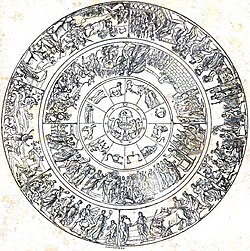
- เอจิส โล่ของซุส ซึ่งมักให้เทพีอธี นา ธิดาของเขา ยืมใช้ และ เพอร์เซอุสก็เคยใช้เช่นกัน(เทพปกรณัมกรีก )
- โล่ของเอแจ็กซ์โล่ขนาดใหญ่ที่ทำจากหนังวัวเจ็ดผืนหุ้มด้วยทองสัมฤทธิ์ ( เทพปกรณัมกรีก )
- อันซิเล (Ancile ) คือโล่ของเทพเจ้ามาร์ส (Mars) ในตำนานโรมัน โล่ศักดิ์สิทธิ์ชิ้นหนึ่งตกลงมาจากสวรรค์ในสมัยการปกครองของนูมา ปอมปิลิอุสกษัตริย์องค์ที่สองของโรม พระองค์จึงสั่งให้ทำสำเนาขึ้นอีกสิบเอ็ดชิ้นเพื่อหลอกล่อโจร (ตำนานโรมัน )
- โล่ของอคิลลีสโล่ที่อคิลลีสใช้ในการต่อสู้กับเฮกเตอร์ (เทพปกรณัมกรีก )
- โล่ของเอนีอัสโล่ที่เอนีอัสได้รับจากวัลแคนเพื่อใช้ในการทำสงครามกับเทอร์นัส
โล่จากเทพปกรณัมฮินดู
ถุงมือ
- ยาร์นเกรปเปอร์ (ถุงมือเหล็ก ) ถุงมือเหล็กคู่หนึ่งที่เทพเจ้าธอร์ ใช้ (เทพปกรณัมนอร์ส )
เสื้อผ้า
มงกุฎ

- มงกุฎแห่งความเป็นอมตะปรากฏในงานศิลปะครั้งแรกในรูปของพวงมาลัยใบไม้และต่อมาเป็นวงกลมสัญลักษณ์ของดวงดาวปรากฏในงานศิลปะเชิงสัญลักษณ์และเชิงเปรียบเทียบในยุคบาโรคหลายชิ้น เพื่อบ่งบอกถึงความเป็นอมตะของผู้สวมใส่ (จากตำนานคริสเตียน )
- มงกุฎแห่งการพิชิตหนึ่งในสี่จตุรอาชาแห่งวันสิ้นโลกขี่ม้าขาวและได้รับมงกุฎ ( ตำนานคริสเตียน )
- มงกุฎดาวสิบสองดวงหญิงแห่งวันสิ้นโลกปรากฏตัวในภาพวาดโดยสวมมงกุฎดาวสิบสองดวงบนศีรษะ ( เทพปกรณัมคริสเตียน )
- มงกุฎหนามซึ่งถูกวางไว้บนศีรษะของพระเยซูระหว่างการตรึงกางเขน (ตำนานคริสเตียน )
- มงกุฎรัศมี (หรือมงกุฎสุริยะมงกุฎดวงอาทิตย์มงกุฎตะวันออก หรือมงกุฎทรราช )คือมงกุฎหรือเครื่องประดับศีรษะอื่นๆ ที่เป็นสัญลักษณ์ของดวงอาทิตย์ หรือโดยทั่วไปแล้วเป็นสัญลักษณ์ของอำนาจที่เกี่ยวข้องกับดวงอาทิตย์
- โคโรนา โบเรียลิส (มงกุฎเหนือ ) เชื่อกันว่าเป็นมงกุฎที่ไดโอนิซัส มอบให้ แก่อาริอาadneหลังจากที่เธอถูกลักพาตัวไปจากเจ้าชายเธเซอุส แห่งเอเธนส์ เมื่อเธอสวมมงกุฎในงานแต่งงานกับไดโอนิซัส เขาได้นำมงกุฎขึ้นไปไว้บนท้องฟ้าเพื่อเป็นที่ระลึกถึงงานแต่งงานของพวกเขา (เทพปกรณัมกรีก )
- มงกุฎทองคำ ( Corona Australis ) หรือ มงกุฎใต้มีความเกี่ยวข้องกับตำนานของบัคคัสและสติมูลา จูปิเตอร์ได้ทำให้สติมูลาตั้งครรภ์ ทำให้จูโนอิจฉา จูโนจึงชักชวนสติมูลาให้ขอให้จูปิเตอร์ปรากฏตัวในความงดงามเต็มที่ ซึ่งหญิงสาวผู้เป็นมนุษย์ไม่สามารถรับมือได้ จึงทำให้เธอถูกไฟไหม้ หลังจากที่บัคคัส บุตรที่ยังไม่เกิดของสติมูลา เติบโตเป็นผู้ใหญ่และกลายเป็นเทพแห่งไวน์ เขาได้แสดงความเคารพต่อมารดาผู้ล่วงลับโดยการวางพวงหรีดไว้บนท้องฟ้า (เทพปกรณัมโรมัน )
เข็มขัด

- เมกิงยอร์ด (เข็มขัดแห่งพลัง ) เข็มขัดวิเศษที่เทพธอร์ สวมใส่ (เทพปกรณัมของชาวนอร์ส )
- เข็มขัดวิเศษของปีเตอร์ สตัมป์ปีเตอร์อ้างว่าปีศาจได้มอบเข็มขัดหรือผ้าคาดเอววิเศษให้เขา ซึ่งทำให้เขาสามารถแปลงร่างเป็นมนุษย์หมาป่าได้ การถอดเข็มขัดออกทำให้เขากลับคืนสู่ร่างมนุษย์ (ตำนานเยอรมัน )
เข็มขัด
- เซสตัสของอะโฟรไดที เข็มขัดวิเศษที่ช่วยเสริมความงามของผู้สวมใส่และทำให้ผู้อื่นตกหลุมรักผู้สวมใส่ (เทพปกรณัมกรีก )
- เข็มขัดของฮิปโปลิตา เข็มขัดที่เป็นสัญลักษณ์แห่งอำนาจของฮิปโปลิตาเหนือชาวอะเมซอน และได้รับมอบจากอเรสภารกิจ ที่ 9 ของ เฮอร์คิวลีสคือการไปเอาเข็มขัดนี้คืนมา ( เทพปกรณัมกรีก )
- ไทเอต (Tyet ) สัญลักษณ์โบราณของเทพีไอซิส แห่งอียิปต์ ดูเหมือนว่าจะถูกเรียกว่า "ปมของไอซิส" เพราะมีลักษณะคล้ายปมที่ใช้ผูกเสื้อผ้าที่เทพเจ้าอียิปต์สวมใส่ (เทพปกรณัมอียิปต์ )
- เข็มขัดของบรินฮิลเดอร์ซิกฟรีดได้แย่งเข็มขัดของบรินฮิลเดอร์ไป ทำให้บรินฮิลเดอร์ สูญเสียพลังเหนือธรรมชาติ ( เทพปกรณัมชาวนอร์ส )
- บังเหียนของคอนสแตนตินกล่าวกันว่าทำมาจากตะปูที่ใช้ในการตรึงกางเขนของพระเยซูคริสต์
ถุงมือ
- ถุงมืออักษรหรือ คิริกินดาด เชื่อกันว่ามีพลังในการปกป้องหรือพลังเวทมนตร์ ถุงมือเหล่านี้ตกแต่งด้วยลวดลายพิเศษ และได้รับการปลุกเสกด้วยเสียงกระซิบและคาถาผ่านการขับร้องของผู้ทำ ( ตำนานเทพเจ้าเอสโตเนีย )
ผ้าคลุมหน้า
- ผ้าคลุมแห่งไอซิสเป็นลวดลายทางศิลปะที่เปรียบธรรมชาติเป็นเทพีไอซิสที่ถูกคลุมด้วยผ้าคลุม ซึ่งแสดงถึงความลึกลับของธรรมชาติที่ยากจะเข้าถึงเฮเลนา บลาวัตสกีในหนังสือ Isis Unveiledในปี 1877 ได้ใช้คำอุปมานี้เพื่อสื่อถึงความจริงทางจิตวิญญาณที่ระบบความเชื่อทางเทววิทยาของเธอหวังจะค้นพบ และเวทมนตร์พิธีกรรมสมัยใหม่ก็มีพิธีกรรมที่เรียกว่า "การฉีกผ้าคลุม" เพื่อนำพานักเวทมนตร์ไปสู่ระดับความตระหนักรู้ทางจิตวิญญาณที่สูงขึ้น (ลัทธิลึกลับตะวันตก )
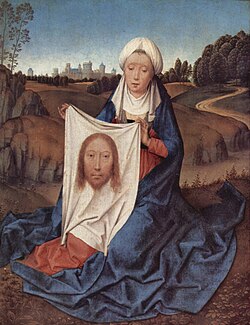
- ตามตำนานเล่าว่า ผ้าคลุมหน้าของเวโรนิกาถูกใช้เช็ดเหงื่อจากหน้าผากของพระเยซูขณะแบกไม้กางเขน (ตำนานคริสเตียน )
หมวกแก๊ปและหมวกอื่นๆ
- โคฮูลีน ดรูอิธหรือ โคไชลลิน ดราอิโอชตา คือหมวกพิเศษที่เมอร์โรว์สวมใส่ ซึ่งช่วยให้พวกเขาสามารถเดินทางระหว่างน้ำลึกและพื้นดินได้ หากพวกเขาทำหมวกนี้หาย เชื่อกันว่าพวกเขาจะสูญเสียพลังในการกลับลงไปใต้น้ำ (นิทานพื้นบ้านสกอตแลนด์ )
- หมวกปีก (หรือหมวกเพทาซัสมีปีก ): หมวกนักเดินทางมีปีกของเทพเฮอร์มีส เทพผู้ส่งสาร ของโรมัน เทียบเท่ากับเทพเมอร์คิวรี ( เทพปกรณัมกรีก )
- หมวกล่องหน (หรือหมวกแห่งเฮดีส ): หมวกที่ทำให้คนมองไม่เห็น (เทพปกรณัมกรีก )
- หมวกของซาซี : หมวกสีแดงของซาซีซึ่งเชื่อกันว่าเป็นแหล่งที่มาของพลังวิเศษทั้งหมดของเขา เช่น การปรากฏตัวและหายตัวไปได้ตามใจชอบ ความเร็วเหนือมนุษย์ (แม้จะมีเพียงขาเดียว) และพลังในการสร้างและขี่พายุฝุ่นผู้ที่ต้องการจับซาซีต้องโยนตะแกรงลงบนพายุฝุ่นของซาซีเพื่อมัดมันและเปิดโอกาสให้ถอดหมวกของเขาออก ทำให้เขาหมดพลัง จากนั้นก็สามารถขังเขาไว้ในขวดเพื่อให้เขาเชื่อฟังอย่างสมบูรณ์ แต่ไม่ใช่ความภักดี เพราะสิ่งมีชีวิตนี้จะพยายามหลอกล่อเจ้านายของเขาให้คืนหมวกให้เสมอ (ตำนานบราซิล )
- หมวกเล็บหรือ küüntest kübar เป็นหมวกของเทพวานาตูฮีซึ่งทำให้ผู้สวมใส่ล่องหนได้ ( เทพปกรณัมเอสโตเนีย )
เสื้อผ้า

- ฮาโกโรโมะ (เสื้อคลุมขนนก ) คือ กิโมโนสีสันสดใสหรือประดับขนนกของเท็นนินเท็นนินไม่สามารถบินได้หากไม่มีกิโมโนนี้ และจะไม่สามารถกลับสู่สวรรค์ได้ (ตำนานญี่ปุ่น)
- Velificatioคือกลวิธีการวาดที่ใช้ในศิลปะโรมันโบราณ เพื่อเน้นรูปเทพเจ้าด้วยผ้าที่พลิ้วไหว สื่อถึง "การเคลื่อนไหวที่ทรงพลัง" "การปรากฏตัว" หรือ "ท้องฟ้า" มักปรากฏร่วมกับเทพเจ้าแห่งท้องฟ้า สภาพอากาศ หรือทะเล (เทพปกรณัมโรมัน )
- เสื้อคลุมหลากสีเสื้อผ้าที่โยเซฟเป็นเจ้าของ ซึ่งได้รับมาจากยาโคบ ผู้เป็นบิดา (ตำนานของชาวยิว )
- ผ้าห่อศพของเพเนโลพีซึ่ง เพเนโลพี ภรรยาของ โอดิสซีอุส แสร้งทำเป็นทอขึ้นเพื่อพ่อตาผู้ล่วงลับของเธอ เธออ้างว่าเธอจะเลือกคู่ครองเมื่อผ้าห่อศพเสร็จสมบูรณ์ แต่แอบคลี่ผ้าออกทุกคืนเพื่อยืดเวลาการตัดสินใจออกไป (เทพปกรณัมกรีก )
- เสื้อคลุมสีเขียวของปีศาจที่ปีศาจมอบให้แก่ทหารนายหนึ่ง โดยอ้างว่ากระเป๋าเสื้อนั้นเต็มไปด้วยเงินทองมากมายไม่จำกัด ตามที่เล่าไว้ในนิทานเรื่อง "หนังหมี " (นิทานพื้นบ้านเยอรมัน)
รองเท้า
รองเท้าบูท
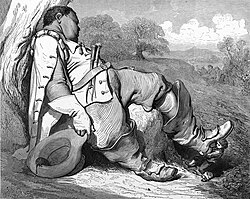
- Ǒusībùyúnlǚ (藕絲步雲履; "[รองเท้าใยบัว] ก้าวเดินบนเมฆ" หรือ "~รองเท้า") ทำจากใยบัว เป็นหนึ่งในสมบัติของเหล่าราชาแห่งมังกร อ้าวหมิงมอบให้ซุนวูคงเพื่อกำจัดเขาเมื่อซุนวูคงได้ครอบครองคัมภีร์รุยี่จิงกู่ปัง (ตำนานจีน )
- รองเท้าเดินเร็ว ( Cапоги-скороходы ) ช่วยให้ผู้สวมใส่สามารถเดินและวิ่งได้ด้วยความเร็วที่น่าทึ่ง ( ตำนานพื้นบ้านรัสเซีย )
- รองเท้าเจ็ดลีกรองเท้าคู่หนึ่งที่เชื่อกันว่าจะช่วยให้ผู้สวมใส่ก้าวเดินได้ไกลถึงเจ็ดลีก (ตำนานพื้นบ้านของยุโรป )
รองเท้าแตะ
- รองเท้าแตะของพระเยซูคริสต์สิ่งเหล่านี้เป็นหนึ่งในสิ่งศักดิ์สิทธิ์ที่สำคัญที่สุดของคริสตจักรคาทอลิกในยุคกลาง (ตำนานคริสเตียน )
- ทาลาเรียรองเท้า มีปีกของ เฮอร์มีสที่ทำให้เขาสามารถบินได้ (เทพปกรณัมกรีก )
รองเท้า
- รองเท้าเฮลสกอร์ () ถูกสวมใส่ให้กับผู้ตายเพื่อให้พวกเขาสามารถไปยังวัลเฮิลล์ได้ (เทพปกรณัมของชาวนอร์ส )
- รองเท้าของวิดาร์ซึ่งมอบการปกป้องเท้าที่หาที่เปรียบไม่ได้แก่เทพเจ้าวิดาร์ ( เทพปกรณัมชาวนอร์ส )
เสื้อคลุม
เสื้อโค้ท
- บาบร-เอ บายันเสื้อคลุมในตำนานที่รอสตัม วีรบุรุษ ในตำนานของเปอร์เซียสวมใส่ ในการต่อสู้ (เทพปกรณัมเปอร์เซีย )
- เสื้อคลุมสีแดงของปาดาร์น (Pais Badarn Beisrydd) : หากชายผู้สูงศักดิ์สวมใส่ มันจะพอดีตัวเขา แต่ถ้าเป็นคนชั้นต่ำ มันจะใส่ไม่ได้ หนึ่งในสมบัติสิบสามชิ้นของเกาะบริเตน ( ตำนานเทพเจ้าเวลส์ )
เสื้อคลุม
- Fjaðrhamr ( ผิวหนังขนนก ) เทพีเฟรยาเป็นเจ้าของเสื้อคลุมที่ทำจากขนนกเหยี่ยว เทียบกับเสื้อคลุมขนนก § ภาษา เยอรมัน ( เทพปกรณัมของชาวนอร์ส )
- เสื้อคลุมหงส์เสื้อคลุมวิเศษที่ทำจากขนหงส์ ซึ่งเป็นของหญิงสาวหงส์
- ทาร์ นคัปเป้ เสื้อคลุมวิเศษของ ซิกฟรีดที่ทำให้ผู้สวมใส่ล่องหนได้ ( จากมหากาพย์นิ เบลุงเงนลีด )
เสื้อคลุม

- เสื้อคลุมของอาร์เธอร์ (หรือLlen Arthyr yng Nghernyw ) ผู้ใดอยู่ใต้เสื้อคลุมนี้จะมองไม่เห็น และอาร์เธอร์สามารถมองเห็นทุกคนได้ เป็นหนึ่งในสมบัติสิบสามชิ้นของเกาะบริเตนสิ่งของชิ้นนี้เป็นที่รู้จักจากแหล่งข้อมูลอื่นอีกสองแหล่ง คือ นิทานร้อยแก้วเรื่องCulhwch and Olwen (ประมาณปี 1100) และThe Dream of Rhonabwy (ต้นศตวรรษที่ 13) เสื้อคลุมที่คล้ายกันมากยังปรากฏใน Mabinogi สาขาที่สอง ซึ่งCaswallawn ใช้มัน ลอบสังหารผู้ดูแลทั้งเจ็ดที่ Bran the Blessed ทิ้งไว้ และแย่งชิงบัลลังก์ ( ตำนานเวลส์ )
- เสื้อคลุมของเอลียาห์ในพระคัมภีร์2 พงศ์กษัตริย์เมื่อเอลียาห์ใช้เสื้อคลุมของเขากระทบกับแม่น้ำจอร์แดนน้ำก็แยกออกทันที ทำให้เขาและเอลีชาข้ามไปได้ ต่อมาเสื้อคลุมนั้นก็ตกไปอยู่ในมือของเอลีชาเมื่อเอลียาห์ถูกรับขึ้นสู่สวรรค์ ( ศาสนาอับราฮัม )
- เสื้อคลุมของเทกาอู โกลด์-เบรสต์ (เทกาอู เออร์ฟรอน ภรรยาของคาราด็อก) เป็นวีรสตรีชาวเวลส์ เสื้อคลุมของเธอจะไม่เป็นประโยชน์แก่หญิงใดที่ละเมิดการแต่งงานหรือพรหมจรรย์ของเธอ เสื้อคลุมจะยาวถึงพื้นเมื่อสวมใส่โดยหญิงที่ซื่อสัตย์ แต่จะห้อยลงมาถึงตักของภรรยาที่ไม่ซื่อสัตย์เท่านั้น ( ตำนานเวลส์ )
เสื้อคลุม
- เสื้อคลุมหนูไฟเสื้อคลุมในตำนานของจีนที่ทำจากขนหนูไฟซึ่งทนไฟได้ดี หนึ่งในผู้ที่มาขอแต่งงานกับคางุยะฮิเมะได้ออกเดินทางตามหาเสื้อคลุมนี้ (ตำนานญี่ปุ่น )
- เสื้อคลุมไร้รอยต่อของพระเยซู (หรือเสื้อคลุมศักดิ์สิทธิ์ , เสื้อคลุม อันทรงเกียรติหรือเสื้อคลุมของพระเจ้า ) คือ เสื้อคลุมที่เชื่อกันว่า พระเยซูทรงสวมใส่ในระหว่างหรือก่อนการตรึงกางเขนไม่นาน (ตำนานคริสเตียน )
- เสื้อคลุมแห่งดวงอาทิตย์หญิงแห่งวันสิ้นโลกสวมใส่เสื้อคลุมที่ทำจากแสงอาทิตย์ ( ตำนานคริสเตียน )
กางเกงและเสื้อเชิ้ต

- นาบร็อก (กางเกงในมรณะ ) กางเกงที่ทำจากหนังของคนตาย ซึ่งสามารถผลิตเงินได้ไม่รู้จบ (นิทานพื้นบ้านไอซ์แลนด์ )
- เสื้อของเนสซัสเสื้ออาบยาพิษที่คร่าชีวิตเฮอร์คิวลีส (เทพปกรณัมกรีก )
- เสื้อวิเศษของแร็กนาร์เมื่อกษัตริย์เอลลาโยนแร็กนาร์ลงไปในบ่องูมีการกล่าวอ้างว่าแร็กนาร์ได้รับการปกป้องจากเสื้อวิเศษที่แอสลอกสร้างขึ้น เมื่อถอดเสื้อตัวนี้ออกแล้ว งูจึงสามารถกัดแร็กนาร์และฆ่าเขาได้ (เทพปกรณัมของชาวนอร์ส )
อาวุธ
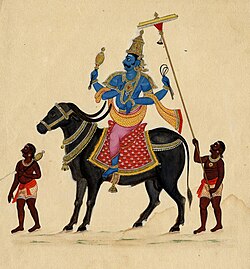
- อังกุษะ (หรือเกือกช้าง ) คือเกือกช้างซึ่งเป็นหนึ่งในแปดสิ่งมงคลที่เรียกว่าอัษฏมังคลาอังกุษะยังเป็นสัญลักษณ์ประจำตัวของเทพเจ้าฮินดูหลายองค์ รวมถึงพระพิฆเนศ ด้วย (เทพปกรณัมฮินดู ,ศาสนาเชน ,เทพปกรณัมพุทธ )
- อยุธยาปุรุชาการแสดงภาพเหมือนมนุษย์ของอาวุธศักดิ์สิทธิ์ในศิลปะฮินดู กรุงศรีอยุธยาบางครั้งถือเป็นการอวตารบางส่วนของพระเจ้าผู้เป็นเจ้าของ (ตำนานฮินดู )
- บาเจียวซานหรือบาโชเซ็น (พัดใบกล้วย ) พัดยักษ์ที่ทำจากใบกล้วย มีคุณสมบัติวิเศษ สามารถสร้างพายุหมุนขนาดใหญ่ได้เจ้าหญิงเหล็กพัด เคยใช้ พัดนี้ และยังเป็นหนึ่งใน 5 อาวุธวิเศษที่ถูกขโมยไปโดยสองพี่น้องราชาเขาทองและราชาเขาเงิน (เทพปกรณัมจีน เรื่องไซอิ๋ว )
- หลายุทธคือคันไถ ที่ พระบาลารามาใช้เป็นอาวุธ( ในเทพปกรณัมฮินดู )
- อิมฮุลลูอาวุธแห่งลมที่เทพมาร์ดุก แห่งอัสซีเรียใช้ ทำลายเทียแมทซึ่งบรรยายไว้ในมหากาพย์การสร้างโลกโบราณเอนูมา เอลิช (เทพปกรณัมเมโสโปเตเมีย )
- ปาชาคืออาวุธเหนือธรรมชาติที่ปรากฏในศิลปะฮินดู ใช้สำหรับมัดแขนขาของศัตรู หรือใช้ล่าสัตว์ (เทพปกรณัมฮินดู )
- ไม้กายสิทธิ์ที่พบในมือของนางฟ้า ผู้ทรงพลัง (ตำนานยุคกลาง)
กินคาคุ ( เทพปกรณัมจีน )
ดาบ


- คุระ ซี มันจาคินีดาบที่กล่าวถึงในตำนานพงศาวดารมาเลย์ว่า เดิมทีเป็นของซาง ซาปูร์บาบรรพบุรุษในตำนานของกษัตริย์มาเลย์ (นิทานพื้นบ้านมาเลย์ )
- ดาบเพลิง ดาบที่เปล่งแสงเป็นเปลวไฟด้วยพลังเหนือธรรมชาติบางอย่าง
- KalevanmiekkaดาบของKaleva ( ตำนานฟินแลนด์ )
- มมาฆา คามาลูดาบที่เป็นของคามาลู เทพเจ้าแห่งสงครามของชาวอิกโบ ดาบเล่มนี้จะเรืองแสงสีแดงเมื่อมีผู้ที่มีเจตนาร้ายอยู่ใกล้ๆ และสามารถทำให้เกิดแผ่นดินไหวเมื่อกระทบกับพื้น มันมอบชัยชนะในการรบให้กับมนุษย์ธรรมดา ( ตำนานของชาวอิกโบ )
- ดาบของลาบันหลังจากที่ศาสดาหนุ่มนีไฟเกือบถูกลาบันผู้ทรงอำนาจและชั่วร้ายฆ่าตาย เขาก็พบลาบันอยู่ในสภาพเมาและหมดสติ จากนั้นพระเจ้าจึงทรงบัญชาให้เขาใช้ดาบของลาบันฆ่าลาบัน เพราะเขาชั่วร้ายและจะทำร้ายคนรุ่นหลังด้วยการปกปิดบันทึกศักดิ์สิทธิ์ที่เปิดเผยแผนการแห่งความสุขของพระเจ้า ดาบนั้นทำจาก "เหล็กมีค่า" โดยมีด้ามจับทำจาก "ทองคำบริสุทธิ์" [ 2 ]หลังจากฆ่าลาบันแล้ว นีไฟก็สวมเกราะของลาบันเพื่อปลอมตัวเพื่อไปเอาบันทึกและหนีออกจากเมือง ต่อมาเขาจะใช้มันเป็นแบบจำลองในการผลิตอาวุธที่คล้ายกันเพื่อป้องกันผู้คนของเขา ดาบของลาบันถูกส่งต่อกันมาหลายศตวรรษสู่ศาสดา กษัตริย์ และนักรบในอนาคต ( พระธรรมมอรมอน )
- ดาบแห่งชัยชนะ (หรือพระแสงขันธ์ชัยศรี ) ประวัติความเป็นมาของดาบเล่มนี้เต็มไปด้วยตำนานและเรื่องเล่า ในปี ค.ศ. 1784 เจ้าพระยาอภัยปุเบศรแห่งกัมพูชาได้รับดาบเล่มนี้จากชาวประมงคนหนึ่งที่พบในทะเลสาบโตนเลสาบขณะที่มันติดอยู่ในอวนจับปลา พระองค์ได้มอบดาบเล่มนี้ให้แก่พระบาทสมเด็จพระพุทธยโศลก (รัชกาลที่ 1) แห่งประเทศไทยผู้ทรงเป็นประมุขในขณะนั้น ตามตำนานเล่าว่า เมื่อดาบเล่มนี้มาถึงกรุงเทพฯฟ้าผ่าลงมาพร้อมกัน 7 ครั้ง รวมถึงที่ประตูเมืองซึ่งเป็นจุดที่ดาบเข้ามา และเหนือประตูหลักของพระราชวัง (นิทานพื้นบ้านไทย )
- ถ่วนเทียน (พระประสงค์ของสวรรค์ ) ดาบในตำนานของพระเจ้าเลอ ลอย กษัตริย์แห่งเวียดนาม ผู้ปลดปล่อยเวียดนามจากการยึดครองของราชวงศ์หมิงหลังจากการสู้รบสิบปี ตั้งแต่ปี 1418 ถึง 1428 (ตำนานเวียดนาม )
- ดาบอันยิ่งใหญ่ของสงคราม ม้า ตัวที่สองในสี่ม้าแห่งวันสิ้นโลกขี่ม้าสีแดง คือ สงคราม และได้รับดาบอันยิ่งใหญ่มา ( หนังสือวิวรณ์ )
- ดาบของโกลิอั ท ซึ่ง ดาวิดใช้ตัดหัวยักษ์ที่ล้มลง และต่อมาได้รับมอบคืนจากอาคิเมเลค ปุโรหิต เมื่อดาวิดหนีจากกษัตริย์ชาอูล (ตำนานของชาวยิว )
ดาบจากเทพปกรณัมเซลติก
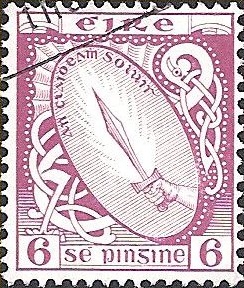
- เบกัลทัค (หรือเบกัลตา ) หรือ "ผู้ดุร้ายตัวน้อย" เป็นดาบสั้นที่บิดา ของ เดียร์มิด อูอา ดูบเน คือแอง กัส มอบให้แก่เขา ดาบเล่มนี้หักเป็นสองท่อนหลังจากใช้ฟันหมูป่า ใช้คู่กับโมรัลทัค
- คาลาดโบลก (หรือคาลาดโชลก์ ) ดาบของเฟอร์กัส แมค รอยช์ทรงพลังมากพอที่จะตัดยอดเขาสามลูกได้ มีความเกี่ยวข้องกับคาเลดวูลช์ในเทพปกรณัมเวลส์
- Caledfwlchมักถูกเปรียบเทียบกับ Excalibur ดาบเล่มนี้ถูกใช้โดย Llenlleawg Wyddel เพื่อสังหาร Diwrnach Wyddel และคนของเขา
- Ceard-nan Gallanช่างเหล็กแห่งกิ่งก้าน ดาบแห่งOisín
- เคลียมห์ โซไลส์ (ดาบแห่งแสง ) ดาบของนูอาด้า แอร์เกดลัมห์ ดาบเล่มนี้เปล่งประกายด้วยแสงอาทิตย์และไม่อาจต้านทานได้ในการต่อสู้ มีพลังที่จะฟันศัตรูขาดครึ่งได้
- Cosgarach Mhorผู้ยิ่งใหญ่แห่งชัยชนะ ดาบแห่งออสการ์
- ดาบ โครเซีย มอร์ส (Crocea Mors)ซึ่งเดิมเป็นดาบของจูเลียส ซีซาร์ ถูก เนนนิอุสยึดมาได้ตามตำนานที่เล่าโดยเจฟฟรีย์แห่งมอนมัธ
- Cruadh-Chosgarachจอมทำลายล้าง ดาบของCaílte mac Rónáin
- Cruaidín CatutchennดาบของCú Chulainn
- ดิร์นวิน ( ดาบด้ามขาว ) ดาบของริดเดอร์ช เฮลเมื่อถูกชักออกมาโดยชายผู้คู่ควรหรือชาติตระกูลดี ใบดาบทั้งหมดจะลุกเป็นไฟ ริดเดอร์ชไม่เคยลังเลที่จะมอบอาวุธนี้ให้แก่ใคร จึงได้รับฉายาว่า เฮล "ผู้ใจกว้าง" แต่ผู้รับเมื่อได้รู้ถึงคุณสมบัติอันแปลกประหลาดของมัน ก็มักจะปฏิเสธดาบเล่มนี้เสมอ
- ฟราการัค (หรือดาบแห่งอากาศ ,ผู้ตอบโต้หรือผู้แก้แค้น ) สร้างขึ้นโดยเหล่าเทพ และเป็นอาวุธที่มานานัน แมค ลีร์และลูห์ ลัมฟาดา ใช้ ไม่มีเกราะใดต้านทานมันได้ และมันจะมอบพลังแห่งลมให้แก่ผู้ครอบครอง
- แมค อัน ลูอินบุตรแห่งคลื่น ดาบของฟิออน แม็ค คัมเฮลล์
- โมรัลทัค (หรือโมรัลตา ) หรือ "ผู้ดุร้ายยิ่งใหญ่" คือดาบที่ แองกัส ผู้เป็นบิดามอบให้แก่เดียร์มิด อูอา ดูบเนซึ่งดาบเล่มนี้สามารถใช้งานได้อย่างไร้ที่ติตั้งแต่การทดสอบครั้งแรก
- ออร์นาดาบของกษัตริย์เทธรา แห่งเผ่าโฟโมเรียน ซึ่งเมื่อชักออกจากฝักแล้วจะบอกเล่าวีรกรรมที่ได้กระทำลงไป ดาบเล่มนี้ถูกโอ๊ก มานำไป และมันก็บอกเล่าทุกสิ่งที่มันได้ทำลงไป
- ดาบขับขานแห่งคอแนร์ มอร์ดาบที่จะขับขานบทเพลงในยามสงคราม
ดาบจากเทพปกรณัมเยอรมันภาคพื้นทวีป

- แกรม (Gram)คือดาบที่ซิกูร์ด/ซิกฟรีด ใช้ ในมหากาพย์ นิเบลุงเง นเรียกว่าบัลมุง (Balmung)และ( Der Ring des Nibelungen ) ของริชาร์ด วากเนอร์ เรียกว่าโนทุง (Nothung)
- Blutgang (เช่นBurtgangหรือBlodgang ) ดาบของHáma
- เอ็กเคสัคส์ ( Seax of Ecke ) คือดาบที่เคยเป็นของยักษ์เอ็กเค ก่อนที่เขาจะถูกดีทริช ฟอน เบิร์น สังหาร และดีทริชก็ได้ยึดดาบนี้ไปเป็นของตนเอง
- มิมุงดาบอันยิ่งใหญ่ที่วุดกาได้รับสืทอดมาจากบิดาของเขาเวย์แลนด์ ช่างตีเหล็ก
- นาเกลริงดาบของดีทริช ฟอน เบิร์น
ดาบจากเทพปกรณัมและนิทานพื้นบ้านแองโกล-แซ็กซอนแห่งหมู่เกาะอังกฤษ
- อะดิล็อกหรือฮาเธโลค ดาบของทอร์เรนต์แห่งพอร์ทิงเกล ตามคำบอกเล่าของทอร์เรนต์แห่งพอร์ทิงเกล ดาบ นี้ถูกตีขึ้นโดยเวย์แลนด์ ช่างตีเหล็ก
- อัสคาลอนดาบของนักบุญจอร์จตามที่ริชาร์ด จอห์นสัน กล่าวไว้ไว้ใน หนังสือ " เจ็ดวีรบุรุษแห่งคริสต์ศาสนา"
- เบรนไบเตอร์ดาบของเฮเรเวิร์ด เดอะเวก
- ฮรุนติง ดาบวิเศษที่อันเฟิร์ธให้เบโอวูล์ฟยืม ซึ่งผ่านการหลอมด้วยพิษ
- เนกลิงดาบวิเศษอีกเล่มของเบโอวูล์ฟ พบในถ้ำของแม่ของเกรนเดล [ 3 ]
- ดาบของนักบุญปีเตอร์นักบุญโยเซฟแห่งอาริมาเทียได้นำดาบเล่มนี้มายังบริเตน และเก็บรักษาไว้ที่อารามกลาสตันเบอรีเป็นเวลาหลายปี จนกระทั่งเจ้าอาวาสมอบให้แก่นักบุญจอร์จ (นิทานพื้นบ้านอังกฤษ )
- ดาบวอลเลซ :วิลเลียม วอลเลซใช้หนังมนุษย์ทำฝักดาบ ด้ามดาบ และสายคาดดาบ กล่าวกันว่าผู้บริจาคหนังคือฮิวจ์ เดอ เครสซิงแฮม ขุนคลังแห่งสกอตแลนด์ ซึ่งวอลเลซได้ลอกหนังของเขาหลังจากเอาชนะเขาในการรบที่สะพานสเตอร์ลิง (ตำนานพื้นบ้านของสกอตแลนด์ )
ดาบจากอาเธอร์

- Aroundightดาบของเซอร์แลนเซล็อต (ดู Secace ด้านล่าง) ตกทอดมาถึงเซอร์กาย บุตรชายของเบวิสแห่งแฮมป์ตันตามที่ปรากฏในบทกวีภาษาอังกฤษยุคกลางเรื่องBeves of Hamtoun
- แคลเรนต์ดาบแห่งสันติภาพที่สร้างขึ้นเพื่อใช้ในการแต่งตั้งอัศวินและพิธีการต่างๆ ไม่ใช่เพื่อการรบ ซึ่งถูกขโมยไปและถูกมอร์เดรด นำไปใช้สังหารอาร์เธอ ร์
- คอเรอุสเซ (โกรธเกรี้ยว ) ดาบของกษัตริย์บาน พระบิดาของแลนเซล็อต
- เอ็กซ์คาลิเบอร์บางครั้งก็ถูกเรียกด้วยชื่ออื่นๆ เช่นคาลิเบิร์น ,คาเลดวูลช์ ,คาเลสโวล ,คาเลดวูลช์ ,คาลิเบอร์นัสเนื่องจากความไม่สอดคล้องกันในตำนานอาร์เธอร์ต่างๆ บางครั้งก็เชื่อกันว่ามีพลังวิเศษหรือเกี่ยวข้องกับอำนาจอธิปไตยที่ถูกต้องของบริเตนใหญ่ มีการกล่าวว่ามันถูกตีขึ้นบนเกาะอวาลอน
- มาร์มิอาโดอิส (Marmiadoise ) หรือที่รู้จักกันในชื่อมัมยาโดอิส ( Mamyadoise) เป็นดาบที่กล่าวกันว่าเดิมทีเป็นของเทพเจ้าเฮราคลีส แห่งกรีก และต่อมาได้ตกทอดไปยังทายาทของเขา ดาบเล่มนี้ในที่สุดก็ถูกใช้โดยกษัตริย์ริออนส์จนกระทั่งเขาถูกกษัตริย์อาเธอร์สังหารในระหว่างการรบ ต่อมาอาเธอร์ได้นำดาบเล่มนี้มาใช้เอง โดยถือว่ามันเหนือกว่าเอ็กซ์คาลิเบอร์
- คอร์แตง (หรือคอร์เต,คอร์ทานา, "สั้น";ภาษาเดนมาร์ก:คอร์โตเน) ดาบสั้นของโอเจียร์ชาวเดนมาร์ก (ผู้ช่วยซึ่งต่อมากลายเป็นคนรักของมอร์แกน เลอ เฟย์) ซึ่งหักเมื่อทดลองตัดหินอ่อนและต้องนำมาทำใหม่ด้วยใบมีดที่สั้นกว่า [ 4 ]และเมื่อโอเจียร์กำลังจะฟันเจ้าชายชาร์ลอตให้ตายเพื่อแก้แค้น แต่อัครทูตสวรรค์ไมเคิลได้ยับยั้งดาบสั้นไว้ และเจ้าชายก็รอดชีวิต [ 5 ]ดาบของโอเจียร์เดิมทีเป็นดาบปลายหักของทริสตันตามตำนานเรื่องทริสตัน ในศตวรรษที่ 13 ดูเหมือนว่าจะมีการผสมผสานกันระหว่างดาบจากวรรณกรรมนี้กับดาบราชสำนักอังกฤษเคอร์ทานาหรือดาบแห่งความเมตตา
- กาลาทีนคือชื่อของดาบที่นางแห่งทะเลสาบมอบให้แก่เซอร์กาเวน
- ดาบศักดิ์สิทธิ์ (Grail Sword)คือดาบศักดิ์สิทธิ์ที่มีรอยแตก ซึ่งท่านเซอร์เพอร์ซิวัลได้ซ่อมแซมให้กลับมาใช้งานได้อีกครั้ง แม้ว่ารอยแตกจะยังคงอยู่ก็ตาม
- มอร์ดเดอร์ ดาบของอาเธอร์ที่สร้างโดยเมอร์ลินในหนังสือThe Faerie Queeneนั้น "ทั้งเหล็กและหิน" ไม่อาจต้านทานการโจมตีของมันได้ (วรรณกรรมยุคเรเนสซองส์)
- เซคาเซ (Secace) คือดาบที่แลนเซล็อตใช้ต่อสู้กับชาวแซกซอนที่แซกซอนร็อก (Saxon Rock) ใน คัมภีร์ไบเบิลฉบับวัลเกต (Vulgate Cycle ) แปลว่า เซอเร (Seure) หรือลำดับ (Sequence)
- ดาบในหินหรือคาลิเบิร์นคือดาบในตำนานอาร์เธอร์ ซึ่งมีเพียงกษัตริย์ที่ถูกต้องตามกฎหมายแห่งบริเตนเท่านั้นที่สามารถดึงออกจากหินได้ บางครั้งก็ถูกเชื่อมโยงกับเอ็กซ์คาลิเบอร์ ในเรื่อง Mallory ดาบในหินไม่ใช่เอ็กซ์คาลิเบอร์และไม่ได้มีการตั้งชื่อ เมื่อดาบหักในการต่อสู้กับกษัตริย์เพลลินอร์นางแห่งทะเลสาบ ได้มอบเอ็กซ์คาลิเบอร์ให้เขาเป็นดาบทดแทน เมื่ออาร์เธอร์สิ้นพระชนม์ เซอร์ เบดิเวียร์ได้นำเอ็กซ์คาลิเบอร์กลับคืนให้แก่นางแห่งทะเลสาบ
- ดาบด้ามแดง หนึ่งในดาบที่ เซอร์บาลินใช้หลังจากที่เขาเสียชีวิตเมอร์ลิน ได้ผนึกดาบไว้ในหินลอยน้ำ ซึ่งมันก็อยู่ที่นั่นจนกระทั่งเซอร์ กาลาฮัดดึงมันออกมาหลังจากกาลาฮัด ดาบก็ตกทอดไปยังเซอร์แลนเซล็อต ผู้ซึ่งใช้ มันฟันเซอร์กาเวน จนตาย
ดาบจากนิยายรักอังกฤษ
- (ไม่เกี่ยวข้องกับอาร์เธอร์ ไม่เกี่ยวข้องกับวัฏจักร)
- คริซาออร์ดาบทองคำของเซอร์อาร์เทกัลในนวนิยายเรื่องเดอะแฟรี่ควีนมันถูกหลอมด้วยอะดาแมนต์ และสามารถฟันทะลุได้ทุกสิ่ง (วรรณกรรมยุคเรเนสซองส์)
- เอเกคิง (Egeking) คือดาบในบทกวีสมัยกลางเรื่องเกรย์สเตล (Greysteil ) เซอร์เกรแฮมได้รับดาบ 'เอเกคิง' จากป้าของเอเกอร์ ซึ่งก็คือเลดี้ของเซอร์เอแกรม (Sir Egram's Lady)
- ดาบของกายแห่งวอร์วิกเป็นของกายแห่งวอร์วิกผู้มีชื่อเสียง ซึ่งเชื่อกันว่ามีชีวิตอยู่ในช่วงศตวรรษที่ 10
- มอร์เกไลกษัตริย์แต่งตั้งเบเวสเป็นอัศวินและมอบดาบชื่อมอร์เกไลให้เขา
ดาบจากเทพปกรณัมนอร์ส

บางครั้งก็ยากที่จะตัดสินใจว่าดาบในตำนานควรจัดอยู่ในประเภท "ตำนาน" หรือถือว่าเป็นของจริง (รวมถึงของปลอมทางประวัติศาสตร์) [ก]
- Angrvaðill ( สายธารแห่งความทรมาน ) ดาบที่ส่งต่อจาก Víkingr ไปยังลูกชายของเขา Þorsteinn ในÞorsteins saga Víkingssonarจากนั้นส่งต่อไปยังหลานชาย Friðþjóf ในFriðþjófs saga hins frOEkna มันถูกจารึกไว้ด้วย อักษร รูนซึ่งลุกโชนในช่วงสงคราม แต่เปล่งประกายด้วยแสงสลัวในเวลาแห่งความสงบ
- ดาอินสไลฟ์ (มรดกของดาอินน์ ) ดาบของกษัตริย์ฮอกนี ที่ก่อให้เกิดบาดแผลที่ไม่หายและไม่สามารถเก็บเข้าฝักได้โดยไม่ฆ่าคน
- ดาบแห่งเฟรย์ดาบของเทพเจ้าเฟรย์แห่งนอร์ส เป็นดาบวิเศษที่ต่อสู้ได้ด้วยตัวเอง
- แกรมร์ ( Gram ) ดาบที่โอดินน์ใช้แทงต้นไม้โลกบาร์นสต็อคเกอร์ซึ่งมีเพียงซิกมุนด์โวลซุง เท่านั้นที่สามารถดึงออกมาได้ ดาบเล่มนี้แตกหักในการต่อสู้กับโอดินน์ แต่ต่อมาได้รับการตีขึ้นใหม่โดยซิกู ร์ดร์บุตรชายของซิกมุนด์ซึ่งใช้มันสังหารมังกรฟาฟนีร์หลังจากได้รับการตีขึ้นใหม่แล้ว มันสามารถฟันทั่งให้ขาดครึ่งได้
- โฮฟุด (Hǫfuð)ดาบของไฮม์ดัลล์ (Heimdallr ) ผู้พิทักษ์ สะพาน บิฟรอสต์ (Bifröst )
- ฮรอตติสมบัติส่วนหนึ่งของฟาฟนีร์ ซึ่งซิกูร์ดร์นำมาหลังจากสังหารมังกรได้สำเร็จ
- โยคุลสเนาทร์ ( ของขวัญของโยคุล ) ดาบที่เป็นของเกรตติร์ซึ่งต่อมาได้มอบให้แก่แอตลีผู้เป็นน้องชาย ( ตำนานชาวไอซ์แลนด์ )
- คาร์สเนาทร์ ( เครื่องทอผ้าของคาร์ ) เกร็ตติร์เอาชนะคาร์ที่เฝ้าสมบัติในเนินฝังศพของตนเองจากพวกโจร สมบัติถูกนำออกจากเนินฝังศพหลังจากชัยชนะของเกร็ตติร์ รวมถึงดาบประจำตระกูลคาร์สเนาทร์ด้วย ( ตำนานชาวไอซ์แลนด์ )
- Lævateinnดาบที่ถูกกล่าวถึงในการเรียบเรียงบทกวี Edda Fjölsvinnsmálโดย Sophus Bugge
- มิสทิลเทนน์ ดาบวิเศษของธราอินน์ ดราวกร์ ซึ่งต่อมาตกเป็นของฮโรมุนเดอร์ กริปส์สัน และมันไม่มีวันทื่อ
- Riðill (หรือ Refil )ดาบของคนแคระ Regin
- สโกฟนุง (Skofnung)ดาบในตำนานของกษัตริย์ฮรอล์ฟ ครากี (Hrólf Kraki ) แห่งเดนมาร์ก มีชื่อเสียงในด้านความคมและความแข็งแกร่งเหนือธรรมชาติ รวมทั้งยังเชื่อกันว่ามีวิญญาณขององครักษ์เบอร์เซอร์เกอร์ผู้ ภักดีทั้งสิบสองคนสถิต อยู่ บาดแผลที่เกิดจากสโกฟนุงจะไม่หาย วิธีเดียวที่จะหยุดการสมานแผลได้คือการนำหินสโกฟนุง (Skofnung stone) มาสัมผัสที่บาดแผลนั้น
- ดาบแห่งซูร์ทร์ดาบเพลิงของซูร์ทร์ ราชาแห่งยักษ์ไฟ ซึ่งเขาใช้สังหารเฟรย์และปกคลุมอาณาจักรด้วยเปลวไฟในตอนท้ายของแร็กนาร็อก อาจเป็นดาบเล่มเดียวกับของเฟรย์ก็ได้
- ไทร์ฟิง (หรือไทร์ฟิงหรือไทร์วิง ) ดาบต้องคำสาปของสวาฟร์ลามี ด้ามจับสีทองที่ไม่มีวันพลาดเป้า ไม่มีวันเป็นสนิม และตัดผ่านหินและเหล็กได้ง่ายราวกับตัดเสื้อผ้า เหล่าคนแคระเป็นผู้สร้างดาบเล่มนี้ และมันก็ส่องประกายเจิดจ้าเหมือนเปลวไฟ อย่างไรก็ตาม พวกเขาสาปแช่งมันไว้ว่ามันจะฆ่าคนทุกครั้งที่ถูกใช้ และจะเป็นต้นเหตุของความชั่วร้ายใหญ่หลวงสามประการ
ดาบจากเรื่องราวของฝรั่งเศส

- อัลมาเซ (หรืออัลไมซ์หรืออัลมาเซีย ) ดาบของทูร์ปิน อาร์คบิชอปแห่งแร็งส์
- บาลิซาร์ดาดาบของโรเจโรจากภาพยนตร์เรื่องออร์แลนโด ฟูริโอโซสร้างโดยแม่มด และสามารถฟันทะลุสิ่งของต้องมนตร์ได้
- บัปติสเม ("พิธีล้างบาป"), พลอร็องซ์และการ์แบงดาบของเฟียราบรัส (ดูเฟียราบรัส § 9 ดาบ )
- คอร์รูค (Corrougue)ดาบของโอตูเอล (Otuel); เป็นชื่อในภาษาอังกฤษยุคกลางที่มาจากชื่อดาบ คอร์ซูส (Corsouse ) ("ผู้พิโรธ") ของโอติเนล (Otinel)
- คอร์เทน ดาบของโอเจียร์ชาวเดนมาร์ก (มีรายชื่ออยู่ในหัวข้อ § ดาบจากตำนานอาร์เธอร์ )
- ดูเรนดาล (หรือดูรันดาลหรือดูร์ลินดานาในภาษาอิตาลี) คือดาบของโรลันด์หนึ่งใน อัศวินพาลาดินของ ชาร์เลมาญ (ออร์แลนโดใน บทกวีอิตาลี สมัยกลาง ) ซึ่งเชื่อกันว่าเป็นดาบเล่มเดียวกับที่เฮกเตอร์แห่งอิเลียมใช้ และกล่าวกันว่าเป็นดาบที่คมที่สุดในจักรวาล
- ฟินแชมป์ (Finechamp)ดาบของกาแร็ง เดอ มองกลาน (Garin de Monglane ) ซึ่งเคยเป็นของกษัตริย์อาเธอร์ กล่าวถึงพร้อมกับเมอร์เวิลลูส (Merveilleuse) ในส่วนถัดไป
- ฟรอแบร์จ (Froberge)ดาบของเรโนด์ เดอ มงโตบ็อง (Renaud de Montauban )
- Glorieuse (Glorious) (fakelore) ดาบที่เหนือกว่าของ Olivier (Oliver) ตามงานนิยายสมัยใหม่Croquemitaine (1863) โดยErnest L'Épine aka Quatrelles
- โอต์แคลร์ (หรือฮาลเตแคลร์หรือโอต์แคลร์ ) คือดาบของโอลิวิเยร์มีลักษณะเป็นดาบเหล็กขัดเงา ด้ามจับทำจากทองคำประดับด้วยคริสตัล
- ดาบของโจนออฟอาร์ค เสียงที่โจนได้ยินบอกเธอว่าจะมีดาบวิเศษและศักดิ์สิทธิ์อยู่ในโบสถ์ เซนต์แคทเธอรี นแห่งเฟียร์บัวส์ ดาบนั้นมีไม้กางเขนห้าอัน และสามารถขจัดสนิมออกได้ง่าย
- จอยเยอส (Joyeuse) ดาบของชาร์เลมาญตำนานบางเรื่องกล่าวว่าจอยเยอสถูกตีขึ้นเพื่อเก็บหอกลองกินัสไว้ในด้ามดาบ ขณะที่บางเรื่องกล่าวว่าใบดาบถูกตีขึ้นจากวัสดุเดียวกันกับดาบดูเรนดาล (Durendal) ของโรลันด์ (Roland) และดาบเคอร์ทานา (Curtana) ของโอเจียร์ (Ogier)
- เมอร์เวอลูส ("มหัศจรรย์") ดาบของวีรบุรุษในนวนิยายเรื่องดูน เดอ มายองซ์ คมกริบมากจนเมื่อวางคมดาบลง จะสามารถตัดแผ่นไม้ได้โดยไม่ต้องออกแรง
- เมอร์กลีย์ (หรือเมอร์กลีส์ ) ดาบของกาเนลอนผู้ทรยศและญาติของโรแลนด์ ด้ามจับสีทองของดาบนี้บรรจุ "สิ่งศักดิ์สิทธิ์" บางอย่างไว้
- Précieuseดาบแห่งบาลิแกนท์ประมุขแห่งบาบิโลน
- Sauvagine (ตำนานปลอม) ดาบวิเศษเล่มที่สองของOgier ชาวเดนมาร์กตามที่ระบุในCroquemitaine (1863) โดย Ernest L'Épine (ka Quatrelles)
ดาบจากเทพปกรณัมสเปน
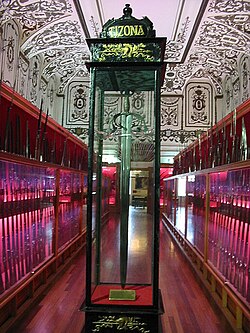
- โคลาดาดาบอีกเล่มของเอล ซิด [ 6 ]
- โลเบรา (ผู้สังหารหมาป่า ) ดาบของกษัตริย์เซนต์เฟอร์ดินานด์ที่ 3 แห่งกัสติยา มรดกของวีรบุรุษมหากาพย์เฟอร์นัน กอนซาเลซตามที่ดอนฮวน มานูเอล เจ้าชายแห่งวิลเลนากล่าว ไว้ [ 7 ]
- Tizona (หรือ Tizón ) ดาบของ El Cidทำให้คู่ต่อสู้ที่ไม่คู่ควรหวาดกลัว ดังที่ปรากฏในบทกวีวีรบุรุษ Cantar de Mio Cid [ 8 ]
ดาบจากเทพปกรณัมกรีก
- ฮาร์เป้ ดาบอะดาแมนไทน์ที่วีรบุรุษเพอร์ซีอุส ใช้ ตัดหัวเมดูซ่า
- ดาบแห่งดาโมคลีสดาบขนาดมหึมาแขวนอยู่เหนือบัลลังก์ที่ดาโมคลีสประทับอยู่ ส่วนด้ามดาบยึดไว้ด้วยเส้นขนหางม้าเพียงเส้นเดียวเท่านั้น
- ดาบแห่งความยุติธรรมในมือขวาของเทพีเทมิส เราจะเห็นดาบที่ชี้ลงด้านล่าง ดาบนี้เป็นสัญลักษณ์ของการลงโทษ
- ดาบแห่งเพเลอุส ดาบวิเศษที่ทำให้ผู้ถือครองได้รับชัยชนะในการรบหรือการล่าสัตว์
ดาบจากเทพปกรณัมโรมัน
- ดาบของอัตติลา (หรือดาบของมาร์สหรือดาบของเทพเจ้า ) ดาบในตำนานที่อัตติลาชาวฮั่น ใช้ อ้างว่าเดิมทีเป็นดาบของ "มาร์ส" เทพเจ้าแห่งสงครามของชาวสคิธิก [ 9 ]
ดาบจากเทพปกรณัมฮินดู
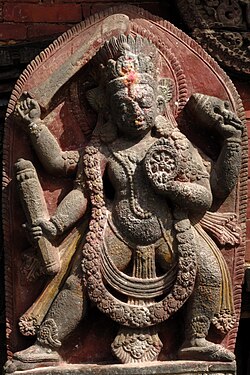
- ชาวทมิฬเคารพนับถืออารุวัล ซึ่งเป็นอาวุธชนิดหนึ่งคล้ายขอเกี่ยว ในฐานะสัญลักษณ์ของคารุปันนาร์ในเทพปกรณัมทมิฬ
- อาสิดาบในตำนานที่กล่าวถึงในมหากาพย์มหาภารตะ
- จันทรหาสะ ดาบศักดิ์สิทธิ์ที่พระศิวะประทานให้แก่ราวันา
- ขันธ์ (หรือดาบมหาภารตะ ) ขันธ์เป็นสัญลักษณ์ของปัญญาที่ตัดผ่านความไม่รู้ ในศาสนาฮินดู ขันธ์เป็นสัญลักษณ์ของพระศิวะ ขันธ์มักปรากฏในประวัติศาสตร์ของราชปุต แต่ต่อมาถูกนำไปใช้โดยนักรบชาวซิกข์ คัมภีร์ และงานศิลปะ
- นันทกะ (หรือนันทกิ ) ดาบของพระวิษณุ เทพเจ้าในศาสนาฮินดู
- นิสทริมชา ดาบของประทยุมนะโอรสของพระกฤษณะ
- ปัตยุธะดาบศักดิ์สิทธิ์ของวีรภัทร ผู้บัญชาการกอง ทหารของพระศิวะ
ดาบจากเทพปกรณัมญี่ปุ่น
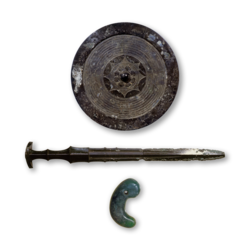
- Ame-no-Ohabari (หรือAma-no-Ohabari ) ถูกใช้โดยIzanagiเพื่อฆ่าลูกหลานของเขาKagu- tsuchi
- Futsu-no-mitama ( สิงหาคม-Snap-Spirit ) ดาบของTakemikazuchi
- จูอิจิ โยซามุ ( หมื่นราตรีอันหนาวเหน็บ ) ผลงานการสร้างของมุรามะสะ – ในการแข่งขันครั้งหนึ่ง เซ็นโกะ มุรามะสะได้แขวนใบดาบไว้ในลำธารเล็กๆ โดยให้คมดาบหันเข้าหากระแสน้ำ ดาบของมุรามะสะสามารถฟันทุกสิ่งที่ผ่านเข้ามาได้ ไม่ว่าจะเป็นปลา ใบไม้ที่ลอยมาตามลำน้ำ หรือแม้แต่ลมที่พัดผ่าน
- โคการาสึ มารุ (อีกาน้อย ) ดาบทาจิที่มีเอกลักษณ์เฉพาะตัวที่เชื่อกันว่าสร้างขึ้นโดยช่างเหล็กในตำนานอามาคุนิในช่วงศตวรรษที่ 8 ก่อนคริสตศักราช
- โคกิตสึเนะมารุ ( จิ้งจอกน้อย ) เทพเจ้าอินาริ โอคามิและเหล่าวิญญาณจิ้งจอกได้ช่วยเหลือช่างตีเหล็ก มุเนจิกะ ในการตีดาบโคกิตสึเนะมารุ ในช่วงปลายศตวรรษที่ 10
- Kusanagi-no-tsurugi (เช่น Ama-no-Murakumo-no-Tsurugiและ Tsumugari no Tachi ) ดาบของเทพเจ้าญี่ปุ่น Susanooซึ่งต่อมามอบให้กับ Amaterasu น้องสาวของ เขา
- โทสึกะโนะสึรุกิดาบที่ซูซาโนะโอะใช้สังหารยามาตะ โนะ โอโรจิ
- ยาวาระไค-เท ( มือที่อ่อนโยน ) ผลงานของมาซามุเนะ – ในการแข่งขัน มาซามุเนะ โอคาซากิ จุ่มดาบลงไปในกระแสน้ำและรออย่างอดทน มีเพียงใบไม้เท่านั้นที่ถูกตัด แต่ปลาว่ายเข้ามาใกล้ดาบ และลมก็พัดผ่านคมดาบอย่างแผ่วเบา พระภิกษุรูปหนึ่งที่กำลังเฝ้าดูอยู่ได้อธิบายสิ่งที่เขาเห็นว่า ดาบของมาซามุเนะนั้นประณีตกว่าดาบอีกเล่มมาก เพราะมันไม่ตัดสิ่งที่บริสุทธิ์และไม่สมควรได้รับความเสียหายโดยไม่จำเป็น
ดาบจากเทพนิยายจีน
- เฟยเจี้ยนคือดาบที่ลู่ตงปิน ยืมมา ให้เสวียน อู่ ใช้ปราบวิญญาณเต่าและงู
- กานเจียงและโมเย่ดาบคู่ในตำนานของจีนที่ตั้งชื่อตามผู้สร้าง
- "ความรุ่งโรจน์แห่งสิบพลัง " ดาบจีนในตำนานที่เชื่อกันว่าถูกตีขึ้นในทิเบตโดยคู่สามีภรรยานักเวทมนตร์จากประเพณีบอน โบราณ
- ฮวาอิงกิ่งไม้ที่กลายร่างเป็นดาบในมือของจ้วนซูมีความสามารถในการควบคุมธาตุและสัตว์ต่างๆ
- ดาบซวนหยวน ดาบ ที่จิ่วเทียนซวนหนี่มอบให้แก่หวงตี้ระหว่างสงครามกับฉี โย่ว สามารถสังหารเทพ ปีศาจ และขับไล่เวทมนตร์ชั่วร้ายได้
- เต็งคงดาบที่ตกลงมาจากสวรรค์มาอยู่ในครอบครองของจ้วนซูกล่าวกันว่าสามารถลอยตัวได้และชี้ไปยังทิศทางแห่งสงคราม
ดาบจากเทพนิยายพุทธศาสนา
- จันทรหรัสดาบในตำนานของพระนางมัญจุศรีซึ่งตามคัมภีร์สไวัมภูปุราณะ ระบุว่า ใช้ในการสร้าง หุบเขา กาฐมาณฑุเป็นส่วนประกอบหลักของธงประจำเมืองกาฐมาณฑุ
- โฮเคนคือดาบเชิงเปรียบเทียบในพุทธศาสนาที่ใช้ตัดทอนกิเลสตัณหาทางโลก ซึ่งอะจละเป็น ผู้ใช้ดาบนี้
- ขันธ์เป็นสัญลักษณ์แห่งปัญญาที่ขจัดความไม่รู้ เทพเจ้าในศาสนาฮินดูและพุทธมักปรากฏในงานศิลปะทางศาสนาโดยถือหรือถือดาบขันธ์ โดยเฉพาะอย่างยิ่งเทพผู้พิทักษ์ในพุทธศาสนา เช่นอจละมัญชุศรีมหากาลและปัลเดนลาโม
ดาบจากตำนานสลาฟ
- Grusคือดาบในประวัติศาสตร์ของโบเลสลาฟที่ 3 แห่งราชวงศ์วิร์มัธ เจ้าชายแห่งโปแลนด์ในยุคกลาง
- คลาเดเนตส์ (หรือซาโมเซกหรือซาโมซยอก ) หรือ "ดาบแกว่งเอง" เป็นดาบวิเศษในนิทานพื้นบ้านรัสเซียโบราณบางเรื่อง ในการแปลนิทานพื้นบ้านและวรรณกรรมรัสเซียเป็นภาษาอังกฤษ อาจแปลได้หลายแบบ เช่น "ดาบเหล็ก" (เทพปกรณัมรัสเซีย )
- ดาบเชอร์บิเอค (ดาบมีรอยบากหรือดาบหยัก ) เป็นตำนานที่เชื่อมโยงดาบเชอร์บิเอคกับโบเลสลาฟที่ 1 ผู้กล้าหาญซึ่งกล่าวกันว่าทรงทำให้ดาบบิ่นโดยการฟาดดาบกับประตูทองคำแห่งเคียฟ (ปัจจุบันอยู่ในยูเครน) ระหว่างการเข้าแทรกแซงวิกฤตการสืราชบัลลังก์เคียฟในปี 1018
ดาบจากเทพปกรณัมตะวันออกกลาง
- ชัมชีร์-เอ โซโมรอดเนการ์ (ภาษาเปอร์เซีย : شمشیر زمردنگار) หรือ "ดาบประดับมรกต" ในตำนานเปอร์เซียเรื่องอามีร์ อาร์ซาลันปีศาจมีเขาที่น่าเกลียดน่ากลัวนามว่าฟูลัด-เซเรห์นั้นต้านทานอาวุธทุกชนิดได้ ยกเว้นคมดาบชัมชีร์-เอ โซโมรอดเนการ์ ดาบเล่มนี้เดิมทีเป็นของกษัตริย์โซโลมอน (ตำนานเปอร์เซีย )
- ทิกห์-เอทาห์มูราส ( เปอร์เซีย : تیغ تهمورث) หรือ "ดาบแห่งทาห์มูราธ" เป็นดาบศักดิ์สิทธิ์ที่สร้างโดยกษัตริย์ทาห์มูราธในตำนานเปอร์เซียตามนิทานพื้นบ้านของอิหร่าน ซึ่งสามารถลบล้างเวทมนตร์และคาถา และทำลายสิ่งมีชีวิตที่คงกระพันและปีศาจได้ และมักถูกใช้โดยรอสตัมและสมาชิกในครอบครัวของเขา ( เทพปกรณัมเปอร์เซีย )
- ดุลฟิการ์ ดาบที่ ทูตสวรรค์กาเบรียลส่งลงมาจากสวรรค์มายังศาสดาเพื่อให้ท่านศาสดาได้นำไปมอบให้แก่อาลี อิบนุ อะบี ตอลิบ (ตำนานอิสลาม )
อาวุธด้ามยาว
ไม้กระบองและกระบอง
- กระบองของเฮราคลีสกระบองไม้โอลีฟที่บิดงอซึ่งเฮราคลีสใช้ (เทพปกรณัมกรีก )
- ชารูร์กระบองวิเศษของเทพนินูร์ตา แห่งสุเมเรียน มันสามารถบินได้โดยไม่ต้องอาศัยสิ่งใด และอาจสื่อสารกับผู้ถือครองได้ (เทพปกรณัมเมโสโปเตเมีย )
- กระบองของทิชทรียา กระบองที่ทิชทรียา ใช้ ในการสร้างสายฟ้าและพายุทอร์นาโด ( เทพปกรณัมเปอร์เซีย )
- Gorz-e gāvsārกระบองหัววัวที่กล่าวถึงในตำนานอิหร่านและโซโรแอสเตอร์ต่างๆ ซึ่งใช้เป็นสัญลักษณ์แห่งชัยชนะและความยุติธรรม[ 10 ] ( ตำนานเปอร์เซีย )
- กอร์ซ-เอมิธราคือกระบองทองคำที่มิธราส เทพแห่งพันธสัญญา ใช้ขว้างจากระยะไกล มิธราสจะหมุนกระบองนี้เหนือหัวของเหล่าปีศาจในนรกทุกวันทุกคืน เพื่อป้องกันไม่ให้พวกมันทำร้ายวิญญาณของผู้ตายมากเกินไป ( เทพปกรณัมเปอร์เซีย )
- ยาครุชและอายามูร์กระบองสองอันที่สร้างโดยโคธาร และ บาอัลใช้เพื่อปราบยาม ( เทพปกรณัมฟีนิเชีย )
- ไม้ตีโลหะของอินทราวรมันที่ 3ไม้ตีในตำนานที่จักรพรรดิกัมพูชาใช้ [ 11 ] (ตำนานพุทธศาสนา )
- ลอร์ก มอร์ (Lorg Mór ) คือกระบองหรือไม้เท้าวิเศษของดักดา (Dagda) ที่เชื่อกันว่าสามารถฆ่าคนได้เก้าคนด้วยการฟาดเพียงครั้งเดียว แต่สามารถชุบชีวิตผู้ที่ถูกฆ่าให้ฟื้นคืนชีพได้ด้วยด้ามจับ ( ตำนานไอริช )
ไม้เท้าและคทาจากเทพปกรณัมฮินดู

- เกา โมดากิคทาของพระวิษณุเทพเจ้าในศาสนาฮินดูพบได้ในภาพสัญลักษณ์ของอวตารบางภาคของพระวิษณุ
- กาลาทันดาไม้เท้าแห่งความตาย[ 12 ]เป็นกระบองที่ยมเทพ เทพแห่งความตายในตำนานฮินดูใช้ เมื่อถูกยิงออกไป มันสามารถฆ่าใครก็ได้ ไม่ว่าพวกเขาจะมีพรใดๆ ไว้ปกป้องตัวเองก็ตาม
- กาดาอาวุธหลักของหนุมาน เทพเจ้าในศาสนาฮินดู
- กระบองของภีมะเป็นกระบองที่ได้รับมอบจากมายาสุระเป็นอาวุธของกษัตริย์ทฤษภรวะแห่งเผ่าท นาวะ
ไม้เท้าและคทา
- ไม้เท้าของเมอร์ลินไม้เท้าของพ่อมดในตำนานแห่งคาเมลอต ที่ปรึกษาและผู้ชี้แนะของกษัตริย์อาเธอร์ (ตำนานอาเธอร์ )
- ไม้เท้าของโพรสเปโรไม้เท้าที่เป็นของพ่อมดโพรสเปโรในบทละครของเชกสเปียร์เรื่อง "พายุ"
- Gambanteinnปรากฏในบทกวีสองบทใน Poetic Edda (เทพปกรณัมของชาวนอร์ส )
- กรีดาร์โวลร์ (Gríðarvölr ) ไม้เท้าวิเศษ ที่กรีเดอร์ ( Gríðr) มอบให้แก่ ธอร์ (Thor) เพื่อให้เขาสามารถสังหารยักษ์เกียร์รอด (Geirröd ) ได้ ( เทพปกรณัมของชาวนอร์ส )
- เนฮุชทานคือไม้เท้าทองสัมฤทธิ์ที่โมเสสสร้างขึ้นเพื่อตั้งไว้เพื่อให้ชาวอิสราเอลที่เห็นได้รับการคุ้มครองจากการถูกงูพิษ กัด (ในตำนานของชาวยิว )
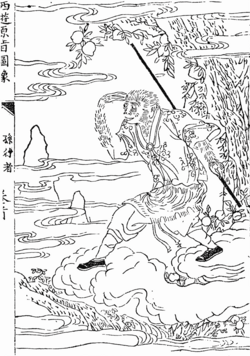
- รุยี่จิงกู่ปังไม้เท้าของซุนวูคง ที่สามารถเปลี่ยนขนาดได้ตั้งแต่เข็มเล็กจิ๋วไปจนถึงเสาขนาดใหญ่ (เทพปกรณัมจีน )
- ในพุทธศาสนา พระศิวะและพระรุทระทรงถือขัตวางคะเป็นอาวุธ จึงถูกเรียกว่าขัตวางคี ในตำนานพุทธศาสนา ขัตวางคะเป็นสัญลักษณ์อันศักดิ์สิทธิ์ของพระปัทมาสัมภวะและเป็นส่วนสำคัญในการแสดงภาพของพระองค์ รวมถึงเป็นเครื่องประดับของมเหสีทั้งสองของพระองค์ คือมัณฑราวาและเยเช โซเกียลในภาษาโบราณ ขัตวางคะหมายถึงยับยุม (ในตำนานฮินดู )
- ไม้เท้าของอาโรนได้รับพลังอัศจรรย์ในช่วงภัยพิบัติแห่งอียิปต์ที่เกิดขึ้นก่อนการอพยพ และ อาโรนเป็นผู้ถือไม้เท้านี้(ตำนานของชาวยิว )
- ไม้เท้าของโมเสส ซึ่ง โมเสสใช้เสกน้ำจากหิน ได้กลายร่างเป็นงูและกลับมาเป็นไม้เท้าของโมเสสอีกครั้ง และถูกนำไปใช้ในการแยกทะเลแดง (ตำนานของชาวยิว )
- รุย (ตามที่ปรารถนาหรือตามที่ท่านต้องการ ) คือวัตถุตกแต่งรูปทรงโค้งที่ใช้เป็นคทาในพิธีกรรมทางพุทธศาสนาของจีน หรือเป็นเครื่องรางที่ symbolizing อำนาจและโชคลาภในนิทานพื้นบ้านของจีน (นิทานพื้นบ้านของจีน )
- คทาวาส (อำนาจหรือการปกครอง ) เป็นคทาที่เกี่ยวข้องกับเทพเจ้าและฟาโรห์ ในยุคหลัง คทาวาสเป็นสัญลักษณ์ของการควบคุมพลังแห่งความโกลาหลที่เทพเซตเป็นตัวแทน มีลักษณะเป็นหัวสัตว์ที่ได้รับการออกแบบอย่างมีสไตล์อยู่บนสุดของคทายาวตรงที่มีปลายแยกเป็นสองแฉก (เทพปกรณัมอียิปต์ )
- โอปาโซโรไม้เท้าศักดิ์สิทธิ์ของโอบาตาลาราชาแห่งเทพเจ้า ( ศาสนาโยรูบา )
ไม้เท้าและคทาจากเทพปกรณัมกรีก
- คทาคาดูเซียส (หรือเคริคีออน ) คือคทาที่เทพเฮอร์มีสหรือเทพเมอร์คิวรีถือ เป็นคทาขนาดสั้นที่มีงูสองตัวพันอยู่ด้านบน บางครั้งอาจมีปีกอยู่ด้านบน และเป็นสัญลักษณ์ของการค้าขาย (เทพปกรณัมกรีก )
- ไม้เท้าของเซอร์ซีไม้เท้าที่แม่มดเซอร์ซีใช้แปลงร่างผู้อื่นให้กลายเป็นสัตว์ (เทพปกรณัมกรีก )
- คทาแห่งแอสคลีปิอุสคทาที่มีงูพันรอบ ซึ่งเป็นคทาของแอสคลีปิอุส เทพเจ้าแห่งการรักษาและยา (เทพปกรณัมกรีก )
- ไธร์ซัสไม้เท้าที่มีปลายประดับด้วยลูกสนและพันด้วยใบไม้เลื้อย เป็นอาวุธที่ไดโอนิซัสและเหล่าผู้ติดตามใช้ (เทพปกรณัมกรีก )
เคียว
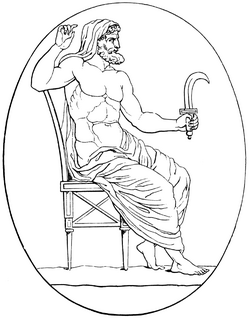
- เคียวของโครนัสโครนัสใช้เคียวเหล็กกล้าที่มารดาของเขาไกอา มอบให้ ในการตอนอวัยวะเพศของบิดาของเขา ยูเรนัส (เทพปกรณัมกรีก )
- เคียวของยมทูตเคียวขนาดใหญ่ที่ยมทูตใช้
- เคียวแห่งกาลเวลาในยุคเรเนสซองส์ เทพเจ้าแห่งกาลเวลาถูกวาดภาพให้ถือเคียวเก็บเกี่ยว และกลายเป็นตัวแทนของการไหลเวียนของเวลาที่โหดร้ายและไม่หยุดยั้ง ซึ่งในที่สุดก็จะทำลายทุกสิ่งทุกอย่าง
- เคียวแห่งความตายหนึ่งในสี่จตุรอาชาแห่งวันสิ้นโลกขี่ม้าสีซีด คือ ความตาย ซึ่งมักถูกวาดภาพให้ถือเคียว ( เทพปกรณัมคริสเตียน )
หอก
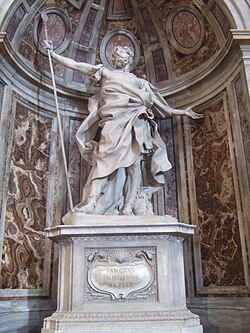
- อารามหอกของจังการ์ ( เทพปกรณัมมองโกล )
- กุงนีร์หอกของโอดิน ที่สร้างโดย โอรสของอิวาลดีหอกนี้ได้รับการกล่าวขานว่ามีความสมดุลดีเยี่ยมจนสามารถโจมตีเป้าหมายใดก็ได้ ไม่ว่าผู้ใช้จะมีทักษะหรือพละกำลังมากแค่ไหนก็ตาม (เทพปกรณัมของชาวนอร์ส )
- อาวุธของกุนนาร์ ( Gunnar 's Atgeir ) จะส่งเสียงกังวานหรือ "ร้องเพลง" เมื่อถูกโค่นลง เพื่อเตรียมพร้อมสำหรับการนองเลือด ( เทพปกรณัมของชาวนอร์ส )
- มัลเตต์ (Maltet)คือชื่อหอกของบาลีกันต์ (Balicant)จากบทเพลงแห่งโรลันด์ (The Song of Roland ) ( นิทานพื้นบ้านฝรั่งเศส )
- รอนโกมินิแอด (หรือรอนโกเมียนท์ ) คือหอกของกษัตริย์อาเธอร์ที่พระองค์ใช้ปราบเซอร์โทมัสแห่งวอลฟอร์ดผู้ยิ่งใหญ่ (ตำนานอาเธอร์ )
- หอกของอคิลลีสสร้างโดยเฮเฟสตัสและมอบให้แก่เพเลอุสในงานแต่งงานกับเธทิส ( เทพปกรณัมกรีก )
- หอกกิ้นัสดูที่ หอก: หอกโลหิตและหอกศักดิ์สิทธิ์ (ด้านล่าง)
หอกจากเทพปกรณัมเซลติก
- อารีเอ็ดบาร์ (หรืออารีเอ็ดแบร์ ) หอกของลูห์ซึ่งเดิมทีเป็นของพีเซียร์ กษัตริย์แห่งเปอร์เซีย ลูห์ไม่จำเป็นต้องใช้หอกนี้ด้วยตนเอง เพราะมันมีชีวิตและกระหายเลือด ซึ่งจะสงบลงได้ก็ต่อเมื่อจุ่มหัวลงในยาหม่องที่ทำจากเมล็ดฝิ่นสดบดละเอียด เมื่อการต่อสู้ใกล้เข้ามา มันจะถูกล่อออกมา จากนั้นมันจะคำรามและดิ้นรนต่อสู้กับเชือกที่มัดมันไว้ เปลวไฟจะลุกโชนออกมาจากตัวมัน และมันจะพุ่งทะลวงผ่านแนวรบของศัตรูเมื่อหลุดจากเชือกนั้น มันไม่เคยเหนื่อยล้าจากการสังหาร
- Crann BuidheหอกของManannán
- เดล ชลิสส์ ( Del Chliss) คือหอกของคู ชู ลานน์ (Cú Chulainn)ซึ่งเดิมเป็นของเนคตัน สเคเน (Nechtan Scéne) และใช้สังหารบุตรชายของเนคตัน สเคเน เดิมทีเป็นชื่อเรียกไม้ค้ำรถม้า ซึ่งเป็นไม้ผ่าครึ่ง
- Gáe Buide ( หอกด้ามเหลือง ) หอกสีเหลืองที่สามารถสร้างบาดแผลที่ไม่มีใครสามารถฟื้นตัวได้ หอกของDiarmuid Ua Duibhneที่ได้รับจากAengus
- กาเอ บุลก์ (Gáe Bulg ) หอกของคู ชูลานน์ (Cú Chulainn ) ทำจากกระดูกของสัตว์ทะเลประหลาด ตามตำนานเล่าว่า หอกนี้สร้างขึ้นโดยนักรบหญิงสกาธาช (Scáthach)และมีพลังที่จะระเบิดออกเป็นหนามแหลมหลายสิบอัน ทำให้ตายได้ในทันที
- Gae Assail ( หอกแห่งอัสซาล ) เป็นหอกอีกเล่มหนึ่งของลูห์ คาถา "Ibar (ต้นยิว)" ทำให้การขว้างหอกนั้นแม่นยำเสมอ และ "Athibar (ต้นยิว)" ทำให้หอกนั้นกลับมาหาลูห์
- Gáe Dearg ( หอกแดง ) หอกสีแดงของDiarmuid Ua Duibhneที่ได้รับจากAengusมันสร้างบาดแผลที่ไม่มีใครสามารถรักษาให้หายได้ คล้ายกับ Gáe Buide
- ลูอินแห่งเซลต์ชาร์คือชื่อของหอกหรือหอกยาวที่ลุกเป็นไฟ ซึ่งเป็นของเซลต์ชาร์ แมค อูเทชาร์และถูกใช้โดยวีรบุรุษคนอื่นๆ เช่นดูบธัคแมค เชคต์และเฟดลิมิด
หอกจากเทพปกรณัมญี่ปุ่น
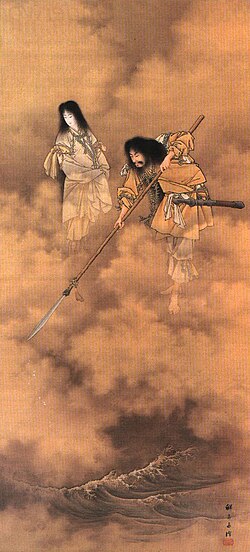
- อะเมะโนนูโฮโกะ (หอกประดับอัญมณีแห่งสวรรค์ ) คือนากินาตะ ที่ เทพเจ้าชินโตอิซานางิและอิซานามิใช้สร้างโลก หรือเรียกอีกอย่างว่าทงโบกิริ
- อะมะโนะซากะโฮโกะ ( หอกกลับหัวแห่งสวรรค์ ) เป็นหอกโบราณและลึกลับ ซึ่งนินิกิโนะมิโคโตะ ปักไว้ ที่ยอดเขาทาคาจิโฮะโนะมิเนะซึ่งเป็นสถานที่ที่เขาและเหล่าผู้ติดตามอันศักดิ์สิทธิ์ได้ขึ้นฝั่งเป็นครั้งแรก ตามตำนานของเทนซอนโคริน
- นิฮงโกะคือหนึ่งในสามหอกในตำนานของญี่ปุ่นที่สร้างโดยมาซาซาเนะ ฟูจิวาระ ช่างตีดาบชื่อดัง หอกที่มีชื่อเสียงนี้เคยถูกใช้ในพระราชวังอิมพีเรียล ต่อมานิฮงโกะได้ตกไปอยู่ในครอบครองของมาซาโนริ ฟุกุชิมะ และจากนั้นก็ตกไปอยู่ในมือของทาเฮ โมริ
- โอเทจิเนะคือหนึ่งในสามหอกในตำนานของญี่ปุ่นที่สร้างขึ้นโดยมาซาซาเนะ ฟูจิวาระ ช่างตีดาบชื่อดัง
- หอก ทงโบกิริเป็นหนึ่งในสามหอกในตำนานของญี่ปุ่นที่สร้างโดยมาซาซาเนะ ฟูจิวาระ ช่างตีดาบชื่อดัง และกล่าวกันว่าไดเมียวในตำนานอย่างฮอนดะ ทาดาคัตสึเคยใช้หอกนี้ ชื่อของหอกนี้มาจากตำนานที่เล่าว่าแมลงปอตัวหนึ่งเกาะบนใบหอกและถูกตัดขาดเป็นสองท่อนในทันที ดังนั้น ทงโบ (ภาษาญี่ปุ่นแปลว่า "แมลงปอ") และ กิริ (ภาษาญี่ปุ่นแปลว่า "ตัด") จึงแปลชื่อหอกนี้ว่า "หอกปราบแมลงปอ"
อาวุธด้ามยาวจากเทพนิยายจีน

- หอกของเอ้อร์หลางเสินเป็นหอกสามแฉกสองคมที่มีคมตัดสองด้านคล้ายดาบ มีพลังมากพอที่จะแทงทะลุและฟันเหล็กและหินได้ราวกับขนแกะ
- ดาบจันทร์เสี้ยวมังกรเขียวเป็นอาวุธในตำนานที่กวนอู ใช้ ในนิยายอิงประวัติศาสตร์เรื่องสามก๊กเป็นดาบ ประเภท กวนเตาซึ่งเป็นอาวุธจีนโบราณชนิดหนึ่ง บางครั้งก็เรียกกันว่าดาบน้ำแข็งเพราะเชื่อกันว่าในระหว่างการต่อสู้ท่ามกลางหิมะ ดาบเล่มนี้มีเลือดเปื้อนอยู่ตลอดเวลา เลือดนั้นแข็งตัวกลายเป็นชั้นน้ำแข็งเกาะอยู่บนดาบ
- จิ่วซีติ้งปา ( คราดเหล็กเก้าซี่ ) อาวุธหลักของจูปาเจี้ย
- 1.8 หอกงู จางหลง หอก ของจางเฟยจากยุคสามก๊กของจีน
- หอกฟู่ไฉ่หอกที่กษัตริย์ฟู่ไฉ่แห่งแคว้นอู๋ คู่ปรับตัวฉกาจของกษัตริย์กู่เจี้ย น
- เย่ว์หย่าฉาน ( พลั่วจันทร์เสี้ยว ) คือพลั่วของพระสงฆ์ที่เป็นอาวุธหลักของซาหวู่จิงเป็นไม้เท้าสองหัว ปลายด้านหนึ่งเป็นใบมีดรูปจันทร์เสี้ยว อีกปลายหนึ่งเป็นพลั่ว มีห่วงซีจางหกห่วงอยู่ที่ส่วนพลั่วเพื่อแสดงถึงความเกี่ยวข้องทางศาสนา
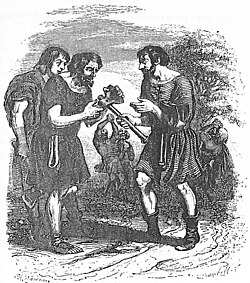
- เรื่องราวของชายคนหนึ่งที่พยายามขายหอกและโล่ เมื่อถูกถามว่าหอกของเขานั้นดีแค่ไหน เขาตอบว่าหอกของเขาสามารถทะลุโล่ได้ทุกชนิด เมื่อถูกถามว่าโล่ของเขานั้นดีแค่ไหน เขาตอบว่ามันสามารถป้องกันการโจมตีด้วยหอกได้ทุกรูปแบบ ต่อมามีคนถามเขาว่าถ้าเอาหอกของเขาไปแทงโล่ของตัวเองจะเป็นอย่างไร พ่อค้าตอบไม่ได้ จึงเกิดเป็นสำนวนที่ว่า "zìxīang máodùn" (自相矛盾, "หอกกับโล่ของกันและกัน") หรือ "ขัดแย้งในตัวเอง"
ไบเดนท์
- ไบเดนต์ (Bident ) คือเครื่องมือสองง่ามที่มีลักษณะคล้ายส้อมพรวนดิน ในเทพปกรณัมคลาสสิก ไบเดนต์มีความเกี่ยวข้องกับพลูโต /เฮดีสผู้ปกครองโลกใต้บาดาล (เทพปกรณัมกรีก )
- ส้อมพรวนดินของปีศาจหรือส้อมพรวนดินสองง่ามที่เป็นของปีศาจ ( ในตำนานคริสเตียน )
หอก
- เวล (Vel ) หอกศักดิ์สิทธิ์ที่เกี่ยวข้องกับเทพเจ้าแห่งสงครามของศาสนาฮินดู นามว่า การติเกยะ (Kartikeya) (เทพปกรณัมฮินดู )
หอก
- หอกโลหิต (Bleeding Lance ) วัตถุศักดิ์สิทธิ์ที่เปี่ยมด้วยเวทมนตร์ ใช้ในพิธีกรรมบูชาจอกศักดิ์สิทธิ์ หยดเลือดจะไหลออกมาจากปลายหอก เมื่อจอกศักดิ์สิทธิ์ได้รับการนับถือศาสนาคริสต์ อาวุธชิ้นนี้จะกลายร่างเป็นหอกศักดิ์สิทธิ์ (Holy Lance) หอกที่แทงข้างพระวรกายของพระเยซูโดยทหารโรมันชื่อลองกินัส เลือดที่ไหลออกมาคือเลือดของลูกแกะและจะหยดลงสู่จอกศักดิ์สิทธิ์ตลอดไป จากคัมภีร์อัลกุรอานฉบับวัลเกต (Vulgate Cycle) หอกนี้ยังเป็นอาวุธที่ทำร้ายผู้เฝ้าจอกศักดิ์สิทธิ์ด้วย แม้ว่าจะมักถูกกล่าวว่ามีพลังในการรักษา ( ตำนานอาร์เธอร์ )
- หอกของบราดามานเต้อัศวินหญิงชาวคริสต์ผู้ใช้หอกวิเศษที่สามารถทำให้ใครก็ตามที่สัมผัสตกจากม้าได้ (เรื่องราวของฝรั่งเศส )
- หอกของโอลินดิคัส ซึ่ง โอลิน ดิคัสหัวหน้าเผ่า เซลติเบเรียน ใช้เป็นอาวุธ ในการต่อสู้กับโรม ตามที่ ฟลอรัส กล่าว เขาถือหอกเงินที่เทพเจ้าส่งมาจากท้องฟ้า[ 13 ] (เทพปกรณัมสเปน)
- หอกศักดิ์สิทธิ์ (หรือหอกกิ้นัสหรือหอกแห่งโชคชะตา ) คือชื่อที่ใช้เรียกหอกที่แทงสีข้างของพระเยซูขณะที่พระองค์ทรงถูกตรึงบนไม้กางเขน ตามที่บันทึกไว้ในพระวรสารของยอห์น (ตำนานคริสเตียน )
ตรีศูล
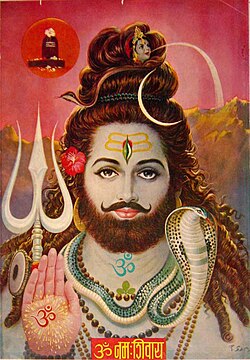
- คงโกะ (Kongō ) คือไม้เท้าสามง่ามที่เปล่งแสงสว่างในความมืด และมอบปัญญาและความเข้าใจ เดิมทีไม้เท้าชิ้นนี้เป็นของเทพเจ้าแห่งภูเขาของญี่ปุ่นนามว่า โคยะโนะเมียวจิน (Kōya-no-Myōjin) เทียบได้กับวัชระ (Vajra ) ในภาษาสันสกฤต ซึ่ง เป็นกระบองเพชรสายฟ้าที่ไม่สามารถทำลายได้ของพระอินทร์ เทพเจ้าแห่งเทพทั้งปวง/เทพแห่งฝนใน ตำนานญี่ปุ่น ไม้เท้าชิ้นนี้เป็นตัวแทนของเปลวไฟสามดวงแห่งไฟบูชายัญ ซึ่งเป็นส่วนหนึ่งของภาพวงล้อวัชระ ( ตำนานญี่ปุ่น )
- ตรีศูลของโพไซดอนเกี่ยวข้องกับโพไซดอนเทพเจ้าแห่งท้องทะเลในเทพปกรณัมกรีก และเนปจูน เทพเจ้าโรมัน เมื่อฟาดลงบนพื้นโลกด้วยความโกรธ จะทำให้เกิดแผ่นดินไหวครั้งใหญ่ และตรีศูลของเขาสามารถก่อให้เกิดคลื่นยักษ์สึนามิ และพายุในทะเลได้ (เทพปกรณัมกรีก )
- ตรีศูลของมาธุมาธุได้มอบทุกสิ่งทุกอย่างรวมถึงตรีศูลของตนให้แก่ลาวานาสุระ บุตรชาย ก่อนที่จะฆ่าตัวตายด้วยการจมน้ำในมหาสมุทรเพราะความอับอาย ( เทพปกรณัมฮินดู )
- ตรีศูลคือตรีศูลของพระศิวะซึ่งบางตำนานตีความว่าเป็นอาวุธขว้าง และมักมีส่วนประกอบที่เป็นรูปกากบาทเพื่อช่วยในการทรงตัวเมื่อขว้าง ถือเป็นอาวุธที่ทรงพลังที่สุด (ในตำนานฮินดู )
แส้
มีดสั้น
- คาร์นเวนแนน (ด้ามขาวเล็ก ) คือมีดสั้นของกษัตริย์อาเธอร์บางครั้งก็เชื่อกันว่ามันมีพลังในการปกคลุมผู้ใช้ด้วยเงามืด และอาเธอร์ใช้มันฟันแม่มดดำตัวร้ายขาดครึ่ง (ตำนานอาเธอร์ )
- มีดสั้นของรอสตัมมีดสั้นแวววาวที่รอสตัมใช้ตัดหัวเดวาขาวดิเว เซปิด ( เทพปกรณัมเปอร์เซีย )
- มีดของลอว์ฟรอเดดด์ นักขี่ม้าหรือลอว์ฟรอเดดด์ ฟาร์ช็อก (จาก marchog "นักขี่ม้า") หรือ บาร์ฟอว์ค "ผู้มีเครา" ในเอกสารอื่น ๆ กล่าวกันว่าเขามีมีดที่สามารถใช้เลี้ยงคน 24 คนบนโต๊ะอาหารได้ ( ตำนานเทพเจ้าเวลส์ )
- พาราโซเนียม (Parazonium ) คือมีดสั้นที่เทพเจ้าอย่างวิร์ตุส (Virtus) ,มาร์ส (Mars ), โรม่า ( Roma ) หรือจักรพรรดิ มักพกติดตัว เพื่อเสริมรัศมีแห่งความกล้าหาญ (จากเทพปกรณัมโรมัน )
มีดสั้นจากนิทานพื้นบ้านของอินโดนีเซียและมาเลย์
- คริส มปู กันดริงมีดสั้นต้องคำสาปของเคน อาร็อก มีดสั้นที่ยังทำไม่เสร็จหรือยังไม่สมบูรณ์นี้จะสังหารคนได้เจ็ดคน รวมทั้งเคน อาร็อกด้วย
- กริชทามิงซารี (โล่ดอกไม้หรือโล่สวยงาม ) หนึ่งในกริชที่มีชื่อเสียงที่สุดในวรรณกรรมมาเลย์ กล่าวกันว่าสร้างขึ้นอย่างประณีตบรรจงจนใครก็ตามที่ใช้มันจะไม่มีใครเอาชนะได้
- Kris Setan Koberเป็นของ Arya Penangsang อุปราชผู้ยิ่งใหญ่ (adipati) ของ Jipang ที่ถูกสังหารโดย Kris ของเขาเองที่เรียกว่า Setan Kober ("ปีศาจแห่งหลุมศพ") หล่อขึ้นโดย Empu Bayu Aji ในอาณาจักร Pajajaran และมีดาบ 13 ลุค
แกน
- ขวานของเปรุนขวานที่เทพเจ้าแห่งฟ้าร้องและสายฟ้าของชาวสลาฟนามว่าเปรุนใช้ (ศาสนาเพแกนของชาวสลาฟ )
- ขวานของฟอร์เซติ (หรือขวานของโฟไซท์ ) ขวานศึกสีทองที่ฟอร์เซติ (หรือโฟไซท์ในตำนานเทพเจ้าของชาวฟรีเซีย) ใช้เพื่อช่วยชีวิตเหล่าปราชญ์ผู้เฒ่าจากซากเรืออับปาง จากนั้นก็โยนขวานไปยังเกาะแห่งหนึ่งเพื่อบันดาลให้เกิดแหล่งน้ำ (ตำนานเทพเจ้าของชาวนอร์ส )
- ขวานสองหัว ของเฮเฟสตัส ( Labrys ) ที่เฮเฟสตัสใช้ฟันศีรษะของซุสเพื่อปลดปล่อยอธีนาซึ่งซุสได้กลืนกินมารดาที่กำลังตั้งครรภ์ของอธีนาเข้าไปเพื่อป้องกันไม่ให้บุตรของนางโค่นล้มเขา (เทพปกรณัมกรีก )
- ขวานสายฟ้าขวานที่เทพเจ้าแห่งฝนของชาวมายา นามว่า ชาอัค ใช้ในการทำให้เกิดฟ้าร้องและฝน ( เทพปกรณัมมายา )
- ปารชูขวานรบของพระศิวะผู้มอบมันให้กับพระศาสดา (ตำนานฮินดู )
- ขวานของปังกูขวานที่ปังกูใช้แยกหยินออกจากหยาง สร้างโลก (หยินที่ขุ่นมัว) และท้องฟ้า (หยางที่ใสสะอาด) (เทพปกรณัมจีน )
- ขวานของพอล บันยันขวานที่พอล บันยันใช้ มันเป็นขวานที่ทำให้เกิดแกรนด์แคนยอน หลังจากที่พอลลากมันไปข้างหลังขณะเดิน (นิทานพื้นบ้านอเมริกัน )
- ขวานของโกบัน ซาออร์สามารถยับยั้งคลื่นได้เมื่อถูกขว้างลงบนชายหาด (ตำนานไอริช )
- โอเช่ขวานที่เทพเจ้าและกษัตริย์ในตำนานอย่างชางโก ใช้ ซึ่งสามารถสร้างสายฟ้าได้ (ตำนานโยรูบา )
- ที่ลาบรอนดามีภาพวาดของซุส ซึ่งมีชื่ออย่างเป็นทางการว่าซุสลาบรันเดอุส (Ζεὺς Λαβρανδεύς) ถือคทาปลายดอกบัวสูงตั้งตรงในมือซ้าย และถือขวานสองหัวพาดไว้บนไหล่ขวา (เทพปกรณัมกรีก )
- ขวานทองคำ เรื่องเล่าจากนิทานพื้นบ้านกรีก: คนตัดไม้คนหนึ่งทำขวานตกแม่น้ำโดยไม่ได้ตั้งใจ แล้วนั่งร้องไห้ เทพเฮอร์มีสจึงดำดิ่งลงไปในน้ำและกลับขึ้นมาพร้อมกับขวานทองคำ เฮอร์มีสถามว่านี่คือขวานของเขาหรือไม่ แต่คนตัดไม้ตอบว่าไม่ใช่ ( นิทานพื้นบ้านกรีก )
- ขวานเงินช่างตัดไม้ตอบแบบเดียวกันเมื่อเฮอร์มี สนำขวานเงินขึ้นมาบนพื้นดิน เขาจะมาทวงขวานคืนก็ต่อเมื่อพบขวานของตนเองเท่านั้น เฮอร์มีสประทับใจในความซื่อสัตย์ของเขา จึงอนุญาตให้เขาเก็บขวานทั้งสามเล่มไว้ ( นิทานพื้นบ้านกรีก )
ค้อน
- มโยลเนียร์ค้อนวิเศษที่ธอร์ ใช้ มันไม่สามารถทำลายได้ และเมื่อขว้างออกไปมันจะกลับมาที่มือของผู้ใช้ (เทพปกรณัมของชาวนอร์ส )
- อูคอนวาซารา (หรืออูคอนเคอร์เวส ) อาวุธของเทพเจ้าสายฟ้าแห่งฟินแลนด์ นาม ว่า อูคโค (เทพปกรณัมฟินแลนด์ )
- อุจิเดะ โนะ โคซึจิค้อนวิเศษในตำนานของญี่ปุ่น ที่สามารถ "เคาะ" สิ่งใดก็ได้ตามที่ปรารถนา และ ตามความเชื่อพื้นบ้าน เชื่อกันว่า ไดโคคุเท็น เป็นผู้ถือครอง ค้อนนี้ (นิทานพื้นบ้านญี่ปุ่น )
- ค้อนของเฮเฟสตัสค้อนของเทพเจ้าเฮเฟสตัส แห่งกรีก ซึ่งเขาใช้สร้างอาวุธให้แก่เทพเจ้ากรีกองค์อื่นๆ ( เทพปกรณัมกรีก )
ธนูและลูกศร
คันธนู

- คันธนูของอาราชอาราชใช้คันธนูนี้ในการกำหนดเขตแดนระหว่างเปอร์เซียและทูรานกล่าวกันว่าลูกธนูนั้นเดินทางไปในระยะเวลาสามวัน และอาราชได้เสียสละตัวเองขณะยิงคันธนู โดยใส่พลังชีวิตของตนลงไปในลูกธนู (ตำนานเปอร์เซีย )
- คันธนูของทริสตันว่ากันว่าไม่เคยพลาดเป้า ( ตำนานอาร์เธอร์ )
- คันธนูของโฮวี่เทพเจ้าแห่งการยิงธนู ใช้คันธนูของเขายิงนกสุริยะ 9 ใน 10 ตัวร่วงลงมาจากท้องฟ้า (ตำนานจีน )
- คันธนูแห่งการพิชิตหนึ่งในสี่ จตุรอาชาแห่งวันสิ้นโลก ขี่ม้าขาวคือผู้พิชิต และผู้ที่ขี่ม้านั้นมีคันธนู ( ตำนานคริสเตียน )
- คันธนูของโอโซซี คันธนูที่ โอโซซีนักล่าผู้ศักดิ์สิทธิ์ใช้( ศาสนาโยรูบา )
- คันธนูของเกเรสาสปาคันธนูที่เกเรสาสปาใช้ทำสงครามกับนกอสูรยักษ์กามัก โดยยิงลูกศรจำนวนมหาศาลราวกับสายฝนใส่ปีกของมัน จนทำให้มันร่วงลงมาและตายไป ผู้คนยังรู้จักคันธนูนี้ในชื่อรุ้งกินน้ำบนท้องฟ้าอีกด้วย (เทพปกรณัมเปอร์เซีย )
คันธนูจากเทพปกรณัมกรีกและโรมันโบราณ
- คันธนูของอพอลโลคันธนูสีเงินที่อพอลโลใช้สังหารไพธอน
- คันธนูของอาร์เทมิสคันธนูสีเงินที่อาร์เทมิสใช้
- คันธนูของอีรอส คันธนูที่อีรอสใช้ ซึ่งสามารถทำให้ผู้ที่ถูกยิงเกิดความรักหรือความเกลียดชังต่อบุคคลแรกที่เห็นได้
- คันธนูของเฮราคลีสซึ่งเคยเป็นของฟิโลคทีสด้วยนั้น ลูกธนูถูกจุ่มลงในเลือดของไฮดราแห่งเลอร์นาทำให้ลูกธนูมีฤทธิ์ร้ายแรงถึงตายได้ทันที
- คันธนูของยูริทัส ยูริทัสภาคภูมิใจในฝีมือการยิงธนูของตนมากจนท้าทายอพอลโลเทพเจ้าจึงสังหารยูริทัสเพราะความโอหังของเขา และคันธนูของยูริทัสก็ตกทอดไปยังอิฟิตัสซึ่งต่อมาได้มอบคันธนูนั้นให้แก่โอดิสซีอุส เพื่อนของเขา และเป็นคันธนูนี้เองที่โอดิสซีอุสใช้สังหารเหล่าผู้ที่มาขอแต่งงานกับเพเนโลพีภรรยา
คันธนูจากเทพปกรณัมฮินดู
- ปินากะ คือธนูที่พระศิวะ ใช้ ยิงลูกศรซึ่งไม่มีใครสามารถสกัดกั้นได้
- วิชัยคือธนูที่พระปรศุรามใช้
- คันธนูคันธิวาเป็นคันธนูที่สร้างโดยพระพรหมและอาร์จูนาใช้ในสงครามคุรุเกษตร
- ษารังคะคือคันธนูของพระวิษณุและอวตารของพระองค์ ในศาสนา ฮินดู
- คันธนูของเกานทินยะคันธนูวิเศษที่พราหมณ์เกานทินยะ ใช้ ซึ่งเขาใช้มันเพื่อทำให้เจ้าหญิงนาคาเมราตกหลุมรักเขา[ 14 ]
- คันธนูของพระอินทร์หรือรุ้งกินน้ำ ถูกวาดภาพให้เหมือนคันธนูของนักธนู พระอินทร์ เทพเจ้าแห่งฟ้าร้องและสงคราม ใช้รุ้งกินน้ำยิงลูกศรสายฟ้า
ลูกศร

- ลูกศรของอพอลโลลูกศรที่สามารถนำมาซึ่งสุขภาพที่ดี หรือนำมาซึ่งความอดอยากและความตายขณะหลับ (เทพปกรณัมกรีก )
- ลูกศรของอาร์เทมิสลูกศรสีทองที่สามารถใช้นำความตายและโรคภัยไข้เจ็บมาสู่เด็กหญิงและสตรีได้ (เทพปกรณัมกรีก )
- ธนูแห่งพระพรหมพระรามเทพเจ้าครึ่ง มนุษย์ ได้เผชิญหน้ากับทศกัณฐ์ ราชาอสูรแห่งศรีลังกาพระรามได้ยิงธนูแห่งพระพรหมที่ได้รับมาจากอากัสตยาธนูแห่งพระพรหมพุ่งเข้าที่สะดือของทศกัณฐ์ และกลับมายังซองธนูของพระราม (เทพปกรณัมฮินดู )
- ทีนบานพระศิวะได้มอบ ลูกธนูอมตะสามดอกให้แก่ บาร์บาริกาลูกธนูเพียงดอกเดียวก็เพียงพอที่จะทำลายศัตรูทั้งหมดในสงครามใดๆ และมันก็จะกลับไปอยู่ในกระบอกธนูของบาร์บาริกา (เทพปกรณัมฮินดู )
- ลูกศรเอลฟ์ (หรือลูกศรพิกซี่ ) คือหัวลูกศรที่ทำจากหินเหล็กไฟ ใช้ในการล่าสัตว์และทำสงครามโดยชนพื้นเมืองของหมู่เกาะอังกฤษและยุโรปโดยทั่วไป ชื่อของลูกศรเอลฟ์มาจากความเชื่อในตำนานพื้นบ้านที่ว่าลูกศรเหล่านี้ตกลงมาจากท้องฟ้า และเอลฟ์ใช้มันฆ่าปศุสัตว์และยิง มนุษย์ด้วยกระสุน เอลฟ์บางครั้งลูกศรเอลฟ์ก็ถูกนำมาใช้เป็นเครื่องราง โดยบางครั้งก็ฝังอยู่ในเงิน เพื่อใช้เป็นเครื่องรางป้องกันเวทมนตร์ (ตำนานพื้นบ้านของอังกฤษ )
- ลูกศรของเฮราคลีสลูกศรที่เฮราคลีสใช้ซึ่งเคลือบด้วยเลือดพิษของไฮดรา (เทพปกรณัมกรีก )
- กูซิสเนาทาร์ลูกศรวิเศษที่บิดา มอบให้แก่ เออร์วาร์-ออดเดอร์ ( เทพปกรณัมของชาวนอร์ส )
- ธนู ( Sagitta ) ถือเป็นอาวุธที่เฮอร์คิวลีสใช้สังหารนกอินทรีอะควิลาที่คอยกัดกิน ตับของ โพรมีธีอุส อยู่ตลอดเวลา (เทพปกรณัมกรีก )
หน้าไม้
- หน้าไม้ศักดิ์สิทธิ์กรงเล็บทองคำเรืองแสงเหนือธรรมชาติ (หรือ靈光金爪神弩; SV: Linh Quang Kim Trảo Thần Nỏ ) ซึ่งสามารถฆ่าคนได้ 300 คนด้วยการยิงเพียงครั้งเดียว เต่าทองยักษ์ (หรือคิมกวี ) มอบ กรงเล็บข้างหนึ่งให้แก่อันดวง เวืองและสั่งให้เขาสร้างหน้าไม้โดยใช้กรงเล็บนั้นเป็นไกปืน พร้อมทั้งรับรองว่าเขาจะไม่มีใครเอาชนะได้เมื่อใช้หน้า ไม้นี้ [ ‡ 1 ] [ 15 ]ชายคนหนึ่งชื่อเฉาหลง (หรือ เฉาถง) ได้รับมอบหมายให้สร้างหน้าไม้[ ‡ 1 ] [ 16 ] : 88 [ 17 ] (ดูเพิ่มเติมตำนานเวียดนาม )
- หน้าไม้ของวิลเลียม เทลล์ :ผู้ว่าการเมืองอัลท์ดอร์ฟบังคับให้วิลเลียมยิงหน้าไม้ใส่แอปเปิลที่วางอยู่เหนือศีรษะของลูกชายซึ่งอยู่ห่างออกไป 100 ฟุต เพื่อเป็นการลงโทษที่ลูกชายไม่ยอมโค้งคำนับรูปปั้นของผู้ว่าการ วิลเลียมแม้จะเป็นผู้เชี่ยวชาญการใช้หน้าไม้แต่ก็บรรจุลูกธนูสองดอก ในการยิงครั้งแรกเขายิงโดนเป้าหมาย ผู้ว่าการประหลาดใจและถามถึงเหตุผลที่บรรจุลูกธนูดอกที่สอง วิลเลียมตอบว่า หากลูกธนูดอกแรกโดนลูกชาย เขาจะยิงลูกธนูดอกที่สองเข้าที่หัวใจชั่วร้ายของผู้ที่ทำให้เขาตาย (นิทานพื้นบ้านสวิส )
อาวุธยิง
- หินสลิง (หรือCloich Tabaill ) ถูกใช้โดยลูห์เพื่อสังหารบาลอร์ผู้ทรงพลัง ปู่ของเขา ในCath Maige Tuiredตามบันทึกย่อใน Lebor Gabála Érenn ( ตำนานเทพเจ้าไอริช )
- สายฟ้าและฟ้าผ่ามีบทบาทสำคัญในตำนานหลายเรื่อง มักเป็นอาวุธของเทพแห่งท้องฟ้าและเทพแห่งสภาพอากาศสายฟ้าในฐานะอาวุธศักดิ์สิทธิ์สามารถพบได้ในตำนานมากมาย ในเทพนิยายกรีกสายฟ้าเป็นอาวุธที่ไซคลอปส์หรือเฮเฟสตัส มอบให้แก่ซุสในเทพนิยายปาเลโอ - บอลข่านซิเบลธิเป็นเทพที่ได้รับการยอมรับว่าคล้ายกับซุสในฐานะผู้ใช้สายฟ้าและฟ้าผ่า ในเทพนิยายอิกโบสายฟ้าเป็นอาวุธของอะมาดิโอฮาและในเทพนิยายโยรูบาสายฟ้าเป็นอาวุธของชางโก
- ซิอูโคอาทล์ (Xiuhcoatl) อาวุธทรงพลังดุจสายฟ้าที่ฮุยซิโลโปชต์ลี ( Huitzilopochtli ) ใช้ ( ในศาสนาของชาวแอซเท็ก )
- ลูกศรฮอลลี่หรือลูกศรมิสเซิลโทอาวุธที่โลกิใช้สังหารบัลเดอร์มีหลายรูปแบบ เช่น ลูกศรฮอลลี่ ลูกศรมิสเซิลโท ลูกศร หรือหอก ( เทพปกรณัมชาวนอร์ส )
- ทาธลัมขีปนาวุธที่ลูห์ ยิง จากสลิงสโตน ( เทพปกรณัมไอริช )
- กระสุนวิเศษกระสุนอาคมที่ได้มาจากการทำสัญญากับปีศาจในตำนานพื้นบ้านเยอรมันเรื่อง Freischützนักแม่นปืนคนหนึ่งได้รับกระสุนจำนวนหนึ่งซึ่งถูกกำหนดให้ยิงโดนเป้าหมายที่เขาต้องการได้อย่างแม่นยำ กระสุนวิเศษหกนัดนั้นอยู่ภายใต้การควบคุมของนักแม่นปืน แต่กระสุนนัดที่เจ็ดนั้นอยู่ในการควบคุมของปีศาจอย่างสมบูรณ์ ( ตำนานพื้นบ้านเยอรมัน )
- กระสุนเงินกระสุนที่หล่อจากเงิน ซึ่งมักเป็นอาวุธเพียงชนิดเดียวที่ได้ผลในการต่อสู้กับมนุษย์หมาป่า แม่มดหรือสัตว์ประหลาดอื่นๆ
- เคนคอนเคนจักระทรงพลังที่เนจา ใช้ ( เทพปกรณัมจีน )
อาวุธยิงจากเทพปกรณัมฮินดู
- แอสตราคืออาวุธเหนือธรรมชาติที่อยู่ภายใต้การปกครองของเทพเจ้าองค์ใดองค์หนึ่ง การจะเรียกหรือใช้แอสตรานั้น จำเป็นต้องมีความรู้เกี่ยวกับคาถา/คำอธิษฐานเฉพาะ เมื่ออยู่ในสถานะพร้อมรบ
- พรหมอัสตราซึ่งมีการกล่าวถึงในคัมภีร์ปุราณะหลายเล่ม ถือเป็นอาวุธที่ร้ายแรงที่สุด กล่าวกันว่าเมื่อใดที่พรหมอัสตราถูกยิงออกไปแล้ว จะไม่มีการโจมตีตอบโต้หรือการป้องกันใดๆ ที่จะหยุดมันได้
- นารายณสตรคืออาวุธประจำตัวของพระวิษณุใน รูป นารายณะหรือนารายณะ
- ปศุปัตราสตราอาวุธประจำตัวที่ไม่อาจต้านทานได้และทำลายล้างมากที่สุดของพระศิวะและพระกาลีซึ่งสามารถปลดปล่อยออกมาได้ด้วยจิตใจ ดวงตา คำพูด หรือคันธนู
- วรุณอัสตราคืออาวุธน้ำ (พายุ) ตามคัมภีร์อินเดีย สร้างขึ้นโดยพระวรุณในตำนานกล่าวว่ามันสามารถแปลงร่างเป็นอาวุธใดก็ได้ เหมือนกับน้ำ อาวุธนี้มักถูกกล่าวถึงว่าใช้ในการต่อต้านอัคเนยาสตรา
- อัคนียาสตราเทพแห่งไฟมีอาวุธที่สามารถปล่อยเปลวไฟที่ไม่สามารถดับได้ด้วยวิธีปกติ
- สุทัศนจักร อาวุธในตำนานที่มีลักษณะเป็นจานหมุน ซึ่งเป็นอาวุธที่พระวิษณุ เทพเจ้าในศาสนาฮินดูใช้
- วัชระ คืออาวุธของ พระอินทร์ เทพเจ้าแห่งฝนและฟ้าร้องในศาสนาเวทและถูกใช้เป็นสัญลักษณ์ในประเพณีธรรมะเพื่อแสดงถึงความมั่นคงทางจิตใจและพลังทางจิตวิญญาณ (เทพปกรณัมฮินดู /เทพปกรณัมพุทธ /เทพปกรณัมเชน )
- ในมหากาพย์ มหาภารตะกล่าวไว้ ว่า พรหมันดาอัสตราอาวุธนี้ปรากฏขึ้นโดยมีเศียรทั้งห้าของพระพรหมเป็นปลายอาวุธ ก่อนหน้านี้พระพรหมได้สูญเสียเศียรที่ห้าไปเมื่อครั้งต่อสู้กับพระศิวะกล่าวกันว่าอาวุธนี้มีพลังทำลายล้างระบบสุริยะทั้งหมด หรือพรหมันด์ ซึ่งเป็น 14 ภพภูมิในจักรวาลวิทยาของศาสนาฮินดู
- พรหมศิรษาอัสตราเชื่อกันว่าเป็นวิวัฒนาการของพรหมอัสตรา และทรงพลังกว่าพรหมอัสตราถึง 4 เท่า อาวุธนี้ปรากฏออกมาโดยมีเศียรทั้งสี่ของพระพรหมเป็นปลาย เมื่อโจมตีพื้นที่ใด พื้นที่นั้นจะถูกทำลายล้างอย่างสิ้นเชิง ไม่มีสิ่งใดเจริญเติบโตได้ แม้แต่ใบหญ้าก็จะไม่ขึ้นเป็นเวลา 12 ปี ฝนจะไม่ตกในบริเวณนั้นเป็นเวลา 12 ปี และทุกสิ่งทุกอย่างรวมถึงโลหะและดินจะกลายเป็นพิษ
- วาซาวี ศักติลูกดอกวิเศษของพระอินทร์ใช้โดยKarnaเพื่อต่อสู้กับGhatotkachaในสงครามมหาภารตะ
ตะขอ
- เบ็ดตกปลาของมาอุยใช้จับปลาที่จะกลายเป็นเกาะเหนือ ของนิวซีแลนด์ เบ็ดนี้ยังถูกใช้สร้างหมู่เกาะฮาวาย ด้วย (ตำนานโพลินีเซีย ) แต่ก็สามารถใช้เป็นอาวุธเพื่อปราบผู้ที่พยายามใช้เบ็ดในทางที่ผิดได้เช่นกัน
เครื่องประดับ
สร้อยคอ
- บริซิงกาเมนสร้อยคอของเทพีเฟรยา (เทพปกรณัมชาวนอร์ส )
- สร้อยคอแห่งฮาร์โมเนียช่วยให้หญิงใดสวมใส่แล้วคงความเยาว์วัยและงดงามตลอดกาล แต่ก็นำมาซึ่งความโชคร้ายอย่างใหญ่หลวงแก่ผู้สวมใส่หรือเจ้าของด้วยเช่นกัน สร้อยคอเส้นนี้สร้างโดยเฮเฟสตัสและมอบให้แก่ฮาร์โมเนียธิดาของอะโฟรไดท์และอเรสเพื่อเป็นคำสาปแช่งต่อราชวงศ์ธีบส์เนื่องจากการนอกใจของอะโฟรไดท์ (เทพปกรณัมกรีก )
- สร้อยคอของนางแห่งทะเลสาบสร้อยคอประดับอัญมณีที่มอบให้แก่เซอร์เพลเลียสหลังจากที่เขาช่วยเหลือหญิงชราคนหนึ่งข้ามแม่น้ำ สร้อยคอเส้นนี้ได้รับการร่ายมนตร์ไว้เพื่อให้ผู้สวมใส่ได้รับความรักอย่างหาที่เปรียบมิได้ ( ตำนานอาร์เธอร์ )
- ยาซาคานิ โนะ มากาตามะสร้อยคอประดับอัญมณี ที่ทำจากมากาตามะ ซึ่งถวายแด่เทพีอะมาเทราสุ หนึ่งในสามพระธาตุศักดิ์สิทธิ์ของญี่ปุ่น เป็นสัญลักษณ์ของความเมตตา (เทพปกรณัมญี่ปุ่น )
- มิคุราทานะโนะคามิคือสร้อยคอลูกปัดอิซานางิมอบให้อะมาเทราสุเพื่อเป็นสัญลักษณ์แทนการปกครองทาคามะกาฮาระ ของเธอ ( เทพปกรณัมญี่ปุ่น )
เครื่องรางและของขลัง
- อากิมัต (Agimat)เป็นคำภาษาฟิลิปปินส์ที่แปลว่า "เครื่องราง" หรือ "ของขลัง"
- อันค์ (Ankh ) คือเครื่องรางที่ปรากฏบ่อยครั้งในภาพวาดสุสานอียิปต์และงานศิลปะอื่นๆ โดยมักจะอยู่ที่ปลายนิ้วของเทพเจ้าหรือเทพธิดา (เทพปกรณัมอียิปต์ )
- ฟิแลคเทอรีคือเครื่องรางหรือของขลังที่เชื่อกันว่ามีพลังวิเศษ
- เท้ากระต่ายเท้าของกระต่ายนั้นถูกนำมาใช้เป็นเครื่องรางที่เชื่อกันว่าจะนำโชคดีมาให้ (ตำนานพื้นบ้านของอเมริกา /ตำนานพื้นบ้านของแคนาดา )
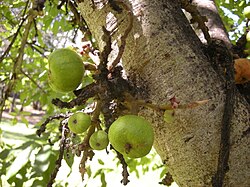
- เครื่องรางเวทในวรรณกรรมเวท ต้นมะเดื่อมักเป็นสัญลักษณ์ของเครื่องราง โดยเฉพาะต้นมะเดื่ออุดุมบาราที่ได้รับการยกย่องว่าเป็น "เจ้าแห่งเครื่องราง" (เทพปกรณัมฮินดู /เทพปกรณัมพุทธ )
- Wolfssegen (เช่น Wolfsegenและ Wolf-Segen ) เสน่ห์อันเลวร้ายต่อหมาป่า (นิทานพื้นบ้านยุโรป )
แหวน
- แหวนอันด์วาราเนาต์ แหวน วิเศษที่สามารถสร้างทองคำได้ เดิมทีเป็นของอันด์วารี (เทพปกรณัมของชาวนอร์ส )
- ดรอปเนียร์ (Draupnir ) คือกำไลทองคำที่โอดินครอบครอง ซึ่งเป็นแหล่งที่มาของความมั่งคั่งอันไม่มีที่สิ้นสุด (เทพปกรณัมของชาวนอร์ส )
- แหวนแห่งการล้างคำสาปแหวนที่นางแห่งทะเลสาบมอบให้แก่เซอร์แลนเซล็อตซึ่งสามารถล้างคำสาปใดๆ ก็ได้ ในเรื่องLe Chevalier de la Charretteแหวนวงนี้กลับได้รับจากนางฟ้าแทน เขาใช้แหวนวงนี้ข้ามสะพานดาบ ( ตำนานอาร์เธอร์ )
- แหวนของมูดาร์ราแหวนที่กอนซาโล กุสติโอซหักเป็นสองชิ้นเพื่อที่เขาจะได้จำลูกชายที่คนรักของเขากำลังตั้งครรภ์ได้ เมื่อมูดาร์รา ลูกชายคนนั้น นำแหวนทั้งสองชิ้นมาต่อกัน มันก็จะกลายเป็นแหวนที่สมบูรณ์อีกครั้ง และกอนซาโล กุสติโอซก็หายจากอาการตาบอดในบทกวีมหากาพย์Cantar de los Siete Infantes de Lara [ 18 ] (ตำนานสเปน)
- แหวนแห่งไกเกสวัตถุวิเศษในตำนานที่มอบพลังล่องหนให้แก่ผู้ครอบครอง (เทพปกรณัมกรีก )
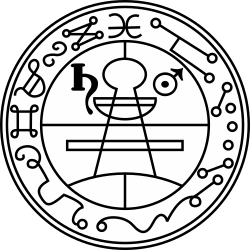
- ตราประทับของโซโลมอนแหวนทองเหลืองหรือเหล็กวิเศษที่สามารถกักขังปีศาจได้ (ตำนานยิว /ตำนานคริสเตียน )
- Svíagrissแหวนล้ำค่าของ Adils ในเทพนิยายของ Hrólfr Kraki (ตำนานนอร์ส )
- หินและแหวนแห่งเอลูเนดผู้โชคดีผ้าคลุมล่องหนที่เป็นของเมอร์ลิน ( เทพปกรณัมเวลส์ )
- แหวนของแองเจลิกาแหวนที่เจ้าหญิงแองเจลิกาแห่งคาเธย์ในตำนานของชาร์เลมาญ ครอบครอง แหวน วงนี้ทำให้ผู้สวมใส่มีภูมิคุ้มกันต่อเวทมนตร์ทุกชนิด และทำให้ผู้สวมใส่ล่องหนได้เมื่ออมไว้ในปาก (ตำนานเทพเจ้าในฝรั่งเศส )
- แหวนนิเบลุง เงน : อัลเบอริชขโมยทองคำไรน์จากนางเงือกไรน์ หลังจากรู้ว่าผู้ใดที่ยอมละทิ้งความรัก จะได้รับความสามารถในการตีขึ้นรูปแหวนแห่งอำนาจจากทองคำนั้น อัลเบอริชจึงตีขึ้นรูปแหวนและขึ้นเป็นเจ้าเหนือเหล่านิเบลุงเงนทั้งหมด ( เทพปกรณัมเยอรมัน )
- แหวนของอะลาดินแหวนวิเศษที่พ่อมดจากมาเกร็บให้ยืม เมื่อเขาถูมือด้วยความสิ้นหวัง เขาก็เผลอถูแหวนวงนั้น และยักษ์จินนี่ก็ปรากฏตัว (เทพปกรณัมอาหรับ )
- แหวนแห่งความปรารถนาเจ้าหญิงทั้งสามพระองค์มอบแหวนให้ฮาลวอร์เพื่อใช้ขอพรให้ตนเองได้กลับไปหาพ่อแม่และปราสาทโซเรียโมเรีย ( นิทานพื้นบ้านสแกนดิเนเวีย )
แหวนแขน

- เคย์ยัวร์เครื่องประดับทองคำที่พระกฤษณะ สวมไว้ ที่แขนเหนือกล้ามเนื้อต้นแขน ( เทพปกรณัมฮินดู )
ต่างหู
- กรรณกุณฑลต่างหูของกรรณะ(มีติดตัวมาตั้งแต่เกิด) ( เทพปกรณัมฮินดู )
- ต่างหูรูปมังกร ( มักระกุณฑล ) บางครั้งเทพเจ้าฮินดู เช่นพระศิวะ เทพแห่งการทำลายล้าง หรือพระวิษณุ เทพแห่งดวงอาทิตย์ ( สุริยะเทพ ) และพระแม่จันดีสวม ใส่ ( เทพปกรณัมฮินดู )
- ศิวะกุณฑล เทพเจ้าฮินดูพระศิวะทรงสวมต่างหูสองข้างหรือกุณฑล ภาพดั้งเดิมของพระศิวะมักแสดงต่างหูสองข้างที่ชื่อว่าอลักษยะและนิรัญจนะ ( เทพปกรณัมฮินดู )
อัญมณี
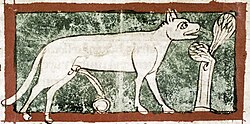
- ลิงกูเรียม (หรือลิกูเรียม ) ชื่อของอัญมณีในตำนานที่เชื่อกันว่าเกิดจากปัสสาวะที่แข็งตัวของแมวป่าลิงซ์ (ตำนานยุคกลาง)
- บา ตราไคต์ (Batrachite ) คืออัญมณีที่เชื่อกันว่าพบได้ในกบ ซึ่งแพทย์และนักธรรมชาติวิทยาในสมัยโบราณเชื่อว่ามีคุณสมบัติในการต้านทานพิษ (ตำนานยุคกลาง)
- ดราโคไนต์อัญมณีในตำนานที่ได้มาจากหัวมังกรและเชื่อกันว่ามีคุณสมบัติทางเวทมนตร์
- อัญมณีแห่งกระแสน้ำได้แก่ คันจู (干珠?, แปลตรงตัวว่า "อัญมณีแห่งน้ำลง") และมันจู (満珠?, แปลตรงตัวว่า "อัญมณีแห่งน้ำขึ้นน้ำลง") เป็นอัญมณีวิเศษที่เทพเจ้าแห่งท้องทะเลใช้ควบคุมกระแสน้ำ (ตำนานญี่ปุ่น )
- น้ำตาของนางเงือกเทพเนปจูนห้ามนางเงือกใช้พลังวิเศษเปลี่ยนแปลงธรรมชาติ ในพายุร้ายแรงครั้งหนึ่ง นางเงือกตนหนึ่งรอดชีวิตจากพายุเพื่อเรือลำหนึ่ง เธอค่อยๆ ตกหลุมรักกัปตันเรือจากระยะไกล เมื่อเธอทำให้ลมและคลื่นสงบลงเพื่อช่วยชีวิตชายผู้นั้น เทพเนปจูนก็โกรธและเนรเทศเธอลงไปสู่ก้นทะเลลึก พร้อมสั่งห้ามไม่ให้เธอว่ายขึ้นมาบนผิวน้ำอีกเลย จนถึงทุกวันนี้ น้ำตาที่เปล่งประกายของเธอยังคงถูกคลื่นซัดขึ้นฝั่งในรูปของเศษแก้วทะเลเป็นเครื่องเตือนใจถึงรักแท้ (ตำนานยุคกลาง)
- อัญมณีห้าสีจากคอมังกรอัญมณีที่เปล่งประกายห้าสี พบได้ในคอมังกร หนึ่งในผู้ที่มาขอแต่งงานกับคางุยะฮิเมะได้ออกเดินทางตามหาอัญมณีชิ้นนี้ ( ตำนานญี่ปุ่น )
- เพชร โฮป (Hope Diamond)นั้นถูกห้อมล้อมไปด้วยตำนานเกี่ยวกับคำสาปที่เล่าขานกันมาว่าจะนำพาความโชคร้ายและโศกนาฏกรรมมาสู่ผู้ที่ครอบครองหรือสวมใส่ แต่มีหลักฐานที่บ่งชี้ว่าเรื่องราวเหล่านั้นถูกสร้างขึ้นเพื่อเพิ่มความลึกลับและความน่าสนใจของเพชร เนื่องจากข่าวที่เผยแพร่มากขึ้นมักจะเพิ่มมูลค่าและความเป็นข่าวให้กับอัญมณี ตำนานที่ไม่มีหลักฐานยืนยันกล่าวอ้างว่ารูปแบบดั้งเดิมของเพชรโฮปถูกขโมยมาจากดวงตาของรูปปั้นพระนางสีดาพระชายาของพระรามอวตารที่เจ็ดของพระวิษณุ
- ไข่มุกเพลิง (หรือไข่มุกขอพร ) มังกรในเทพนิยายจีนมักมีไข่มุกเพลิงอยู่ใต้คางหรือในกรงเล็บ ไข่มุกนี้เกี่ยวข้องกับพลังทางจิตวิญญาณ ปัญญา ความเจริญรุ่งเรือง อำนาจ ความเป็นอมตะ ฟ้าร้อง หรือดวงจันทร์ ( เทพนิยายจีน )
- อัญมณีของกูกุลคานเทพเจ้ามายาผู้บันดาลให้กำเนิดไฟ ดิน ลม และน้ำแก่โลก แต่กูกุลคานมีเพียงอัญมณีแห่งลม และด้วยอัญมณีนี้ เขาสามารถควบคุมอากาศได้ ( เทพปกรณัมมายา )
อัญมณีจากเทพปกรณัมฮินดู/พุทธ
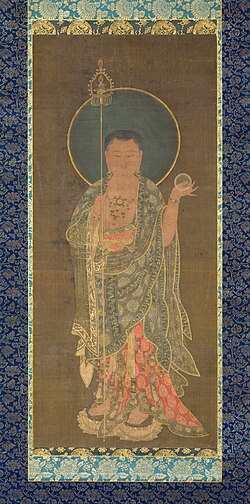
- จินตามณี (หรือหินจินตามณี ) อัญมณีที่เชื่อกันว่าสามารถบันดาลความปรารถนาให้เป็นจริงได้ทั้งในศาสนาฮินดูและพุทธศาสนา เทียบเท่ากับศิลาแห่งนักปรัชญาในวิชาเล่นแร่แปรธาตุของตะวันตก (เทพปกรณัมฮินดู /เทพปกรณัมพุทธ )
- เกาสตุภะคืออัญมณีศักดิ์สิทธิ์หรือ "มณี" ซึ่งอยู่ในครอบครองของพระวิษณุ (เทพปกรณัมฮินดู )
- นวรัตน์คืออัญมณีศักดิ์สิทธิ์เก้าชนิด (ตามตำนานฮินดู )
- ศยามันตกะ (หรือศยามันตกะมณีและศยามันตกะจิวเวล ) อัญมณีที่มีชื่อเสียงที่สุด ซึ่งเชื่อกันว่ามีพลังวิเศษ (ในตำนานฮินดู )
หิน
- เบทิลหินศักดิ์สิทธิ์ที่เปี่ยมด้วยชีวิต (เทพปกรณัมกรีก )
- บีโซอาร์คือหินที่เชื่อกันว่าสามารถแก้พิษได้ทุกชนิด
- ศิลาแห่งปราชญ์กล่าวกันว่าสามารถใช้ในวิชาเล่นแร่แปรธาตุโดยไม่ต้องมีการเสียสละใดๆ เช่น การเปลี่ยนตะกั่วให้เป็นทองคำ และการสร้างสิ่งต่างๆ ขึ้นมาจากความว่างเปล่า (ตำนานยุคกลาง)
- เซสโชเซกิ (หรือหินสังหาร ) หินที่ฆ่าใครก็ตามที่สัมผัส (เทพปกรณัมญี่ปุ่น )
- หินแห่งกีรัมฟีเอลหินที่กล่าวถึงในดิวโครนเซอร์กาเวนได้รับมาจากอัศวินฟิมเบอุส และหินก้อนนี้ช่วยปกป้องเขาจากลมหายใจเพลิงของมังกรและเวทมนตร์ของพ่อมดลาโมร์ซ ( ตำนานอาร์เธอร์ )
- ซิงกาสเตนน์ (ภาษานอร์สโบราณ แปล ว่า หินขับขานบทเพลงหรือหินขับขาน ) วัตถุที่ปรากฏในเรื่องราวการต่อสู้ระหว่างโลกิและไฮม์ดัลล์ในรูปของตราประทับ (เทพปกรณัมนอร์ส )
- เลช รอนว (หรือหินชนวนแห่งกรอน ) เป็นหินที่มีรูอยู่ตามแนวแม่น้ำอาฟอน บริน เซธ ในเมืองเบลนาว เฟสติเนียก ประเทศเวลส์ หินก้อนนี้มีขนาดประมาณสี่สิบนิ้วคูณสามสิบนิ้ว โดยมีรูขนาดเส้นผ่านศูนย์กลางประมาณหนึ่งนิ้วทะลุผ่าน (จากตำนานเทพเจ้าเวลส์ )
- หินแอดเดอร์เชื่อกันว่ามีพลังวิเศษ เช่น ป้องกันโรคตาหรือสิ่งชั่วร้าย ป้องกันฝันร้าย รักษาโรคไอกรุน ช่วยให้มองทะลุการปลอมตัวและกับดักของนางฟ้าหรือแม่มดได้หากมองผ่านกลางหิน และช่วยรักษาแผลถูกงูกัด (ตำนานเวลส์ )
- หินคางคก (หรือบูโฟไนต์ ) เป็นหินในตำนานที่เชื่อกันว่าเกิดจากคางคกและมีคุณสมบัติเป็นยาแก้พิษ (ตำนานยุคกลาง)
- หินแห่งสโคน (หรือหินแห่งโชคชะตา ) เป็นหินทรายสีแดงรูปทรงสี่เหลี่ยมผืนผ้า (สสารแห่งบริเตน )
- สเลโดวิกหินศักดิ์สิทธิ์ที่ได้รับการเคารพนับถือในพิธีกรรมนอกรีตของชาวสลาฟและชาวฟินแลนด์ (ลัทธินอกรีตของชาวสลาฟ )
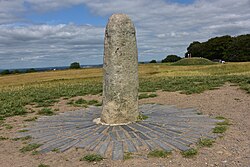
- เลีย ฟาอิล (หรือหินแห่งโชคชะตา ) เป็นหินที่ตั้งอยู่บนเนินพิธีราชาภิเษกบนเนินเขาธารา ในเคาน์ตีมีธ ประเทศไอร์แลนด์ ตามตำนานเล่าว่า กษัตริย์ทุกพระองค์ของไอร์แลนด์ได้รับการสวมมงกุฎบนหินก้อนนี้ จนถึงมูร์เชอร์ทัค แมค เออร์เซ ในราว ค.ศ. 500 (ตำนานเทพเจ้าไอริช )
- หินสายฟ้า (Thunderstone)พบได้ทั่วทั้งยุโรป เอเชีย และโพลินีเซีย คือหัวลูกศรและขวานหินเหล็กไฟที่ชาวนาขุดพบขณะไถนา ซึ่งเชื่อกันว่าตกลงมาจากฟ้า หลายคนเข้าใจผิดคิดว่าเป็นสายฟ้า จึงเรียกกันว่า "หินสายฟ้า"
- กยอลล์ (Gjöll ) คือหินที่เฟนริร์หมาป่าถูกผูกมัดไว้ (เทพปกรณัมของชาวนอร์ส )
- ไวทุรยะอัญมณีล้ำค่าที่เทพีลักษมีและเทพีฤคเวท สวมใส่ ( เทพปกรณัมฮินดู )
- หินพยากรณ์ชาวอเมริกันบางกลุ่มในช่วงต้นศตวรรษที่ 19 ใช้หินพยากรณ์เพื่อพยายามรับการเปิดเผยจากพระเจ้าหรือเพื่อค้นหาสมบัติที่ฝังอยู่ใต้ดิน ตั้งแต่ประมาณปี 1819โจเซฟ สมิธได้ฝึกฝนการทำนายโดยการมองเข้าไปในหินพยากรณ์เป็นประจำ เพื่อรับความรู้เหนือธรรมชาติ (ตำนานมอร์มอน)
- อูริมและทุมมิมชุดหินทำนายที่ผูกติดไว้ในแผ่นอก หรือผูกด้วยคันธนูเงินเป็นแว่นตา (ตำนานมอร์มอน)
- ลาพิส มานาลิส (หินแห่งมนัส ) เป็นหินศักดิ์สิทธิ์สองก้อนที่ใช้ในศาสนาโรมัน ก้อนหนึ่งใช้ปิดประตูสู่พลูโตที่อยู่ของคนตาย เฟสตัสเรียกมันว่า ออสเทียม ออร์ซี หรือ "ประตูของออร์คัส" ส่วนอีกก้อนหนึ่งใช้สำหรับขอฝน ซึ่งอาจไม่มีความเกี่ยวข้องโดยตรงกับมนัส แต่มาจากคำกริยา มานาเร ซึ่งแปลว่า "ไหล" หินทั้งสองก้อนมีชื่อเดียวกัน อย่างไรก็ตาม นักไวยากรณ์เฟสตัสถือว่าหินที่ใช้ปิดประตูสู่ยมโลกและหินขอฝนเป็นหินคนละก้อนกัน (เทพปกรณัมโรมัน )
- หิน เสน่ห์ ( Charmstoneและ charm stone ) คือวัตถุที่ทำจากหินหรือแร่ธาตุ ซึ่งมีความเกี่ยวข้องกับวัฒนธรรมดั้งเดิมต่างๆ รวมถึงวัฒนธรรมของสกอตแลนด์ และวัฒนธรรมพื้นเมืองของแคลิฟอร์เนียและภาคตะวันตกเฉียงใต้ของสหรัฐอเมริกา
- หินงู (หรือหินงูยักษ์ ) ซึ่งเป็นฟอสซิล ของ แอมโมไนต์เชื่อกันว่าเป็นงูขดตัวที่กลายเป็นหิน จึงถูกเรียกว่าหินงู เชื่อกันว่าหินเหล่านี้เป็นหลักฐานแสดงถึงการกระทำของนักบุญ เช่นฮิลดาแห่งวิทบีตำนานที่กล่าวถึงในหนังสือมาร์เมียนของเซอร์วอลเตอร์ สก็อตต์และนักบุญแพทริกและเชื่อกันว่าหินเหล่านี้มีพลังในการรักษาหรือทำนายอนาคต (ตำนานยุคกลาง)
- เบนเบน เนินดินที่ผุดขึ้นจากน้ำดึกดำบรรพ์นูและเป็นที่ประทับของเทพผู้สร้างอาตุม (เทพปกรณัมอียิปต์ )
- ออมฟาโล ส :ซุสส่งนกอินทรีสองตัวบินข้ามโลกมาพบกันที่ใจกลางโลก ซึ่งเป็น "สะดือ" ของโลก ศิลาออมฟาโลสซึ่งเป็นเครื่องหมายใจกลางโลกถูกตั้งขึ้นในหลายแห่งรอบทะเลเมดิเตอร์เรเนียน ที่โด่งดังที่สุดคือที่เดลฟี ออมฟาโลสยังเป็นชื่อของศิลาที่มอบให้แก่โครนัส อีกด้วย (เทพปกรณัมกรีก )
- ตำนานของ อูลูรู (หรือเอเยอร์ส ร็อก ) เรื่องแรกเล่าถึงสิ่งมีชีวิตรูปร่างคล้ายงูที่ทำสงครามกันมากมายรอบๆ อูลูรู จนทำให้หินมีรอยแผลเป็น เรื่องที่สองเล่าถึงสองเผ่าของวิญญาณบรรพบุรุษที่ได้รับเชิญไปงานเลี้ยง แต่ถูกดึงดูดความสนใจด้วยหญิงสาวกิ้งก่าแสนสวย จึงไม่ไปร่วมงาน ด้วยเหตุนี้ เจ้าภาพจึงโกรธแค้นและร้องเพลงชั่วร้ายใส่รูปปั้นดินเหนียว ซึ่งมีชีวิตขึ้นมากลายเป็นสุนัขดิงโก จากนั้นก็เกิดการต่อสู้ครั้งใหญ่ ซึ่งจบลงด้วยการตายของผู้นำของทั้งสองเผ่า ผืนดินเองก็ลุกขึ้นมาด้วยความโศกเศร้าจากการนองเลือด กลายเป็นอูลูรู (ตำนานของชาวอะบอริจินออสเตรเลีย )
- หินสโกฟนุงหินที่สามารถรักษาบาดแผลที่เกิดจากดาบสโกฟนุงได้ ( เทพปกรณัมชาวนอร์ส )
- หินสีของนูวาหินห้าสีที่เทพธิดานูวา รังสรรค์ขึ้น แต่ละสีเป็นตัวแทนของธาตุทั้งห้าของจีน ได้แก่ ไฟ น้ำ ดิน โลหะ และไม้ ( เทพปกรณัมจีน )
- แมดสโตนสารสมุนไพรพิเศษที่เชื่อกันว่า เมื่อนำไปประคบลงบนแผลถูกสัตว์กัด จะช่วยป้องกันโรคพิษสุนัขบ้าได้โดยการดูด "พิษ" ออกมา (ตำนานพื้นบ้านของอเมริกา )
- อะลาตีร์หินศักดิ์สิทธิ์ "บิดาแห่งหินทั้งปวง" สะดือของโลก บรรจุอักษรศักดิ์สิทธิ์และมีคุณสมบัติในการรักษาโรค (ตำนานพื้นบ้านสลาฟ )
- เอดุน อารา (Edun Ara)คือหินที่ถูกฟ้าผ่า ซึ่งชางโก (Shango) ใช้ (ในตำนานเทพเจ้าโยรูบา)
ยานพาหนะ
- ลา การ์เรตา นากัว ( เกวียนผีสิง ) คือเกวียนผีสิงที่ขับเคลื่อนโดยความตายและลากโดยวัวโครงกระดูกสองตัว เชื่อกันว่าสามารถได้ยินเสียงของมันในเวลากลางคืนเนื่องจากเสียงโซ่ที่ลากไปตามถนน ( วัฒนธรรมนิการากัว )
ทางอากาศ
- อาเต็ต (หรือเรือสุริยะของรา ) เรือในตำนานที่รา เทพเจ้าแห่งดวงอาทิตย์ของอียิปต์ ใช้เดินทางข้ามท้องฟ้าในเวลากลางวัน และเป็นเรือที่บรรทุกพระวรกายของพระองค์ผ่านอาณาจักรทั้งสิบสองแห่งของอัศวิน (เทพปกรณัมอียิปต์ )
- ครกและสากบินได้ของบาบา ยาจาเธอเหาะเหินไปรอบๆ ด้วยครก และใช้สากเป็นหางเสือ ( เทพปกรณัมสลาฟ )
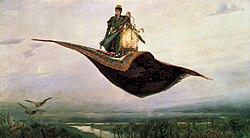
- พรมวิเศษ (หรือพรมบิน ) คือพรมในตำนานที่สามารถใช้ขนส่งมนุษย์ที่อยู่บนพรมไปยังจุดหมายปลายทางได้อย่างทันทีหรือรวดเร็ว (ตำนานอาหรับ )
- บัลลังก์บินของไค คาวุส ยานพาหนะที่ขับเคลื่อนด้วยนกอินทรี สร้างโดยกษัตริย์ไค คาวุส แห่งเปอร์เซีย ใช้สำหรับพาพระองค์บินไปยังประเทศจีน (ตำนานเปอร์เซีย )
- บัลลังก์ลอยฟ้าของจัมชิดบัลลังก์ทองคำที่จัมชิดสร้างขึ้นและสั่งให้เหล่าปีศาจยกมันจากบาบิโลนไปยังอาเซอร์ไบจานตามที่กล่าวไว้ในชาห์นาเมห์ผู้คนจึงตั้งชื่อวันนั้นว่า นาวรูซเพื่อระลึกถึงเหตุการณ์นี้ (ตำนานเปอร์เซีย )
- Roth Rámach (แปลตรงตัวว่าล้อพาย ) คือเครื่องบินวิเศษของMug Ruithนักบวชดรูอิดชาวไอริชในตำนาน ผู้ซึ่งพร้อมกับเครื่องประดับศีรษะขนนก (encennach) ของเขา ล่องลอยอยู่บนท้องฟ้า( ตำนานเทพเจ้าไอริช )
- Chasse-galerie (หรือเรือแคนูต้องมนต์หรือเรือแคนูบินได้ ) เป็นเรื่องเล่าของแบปทิสต์ เขามีเรือแคนูที่มีไม้พาย และได้ทำสัญญากับปีศาจเพื่อให้เรือแคนูของเขาบินไปได้ทุกที่ที่เขาต้องการ อย่างไรก็ตาม ผู้ที่อยู่ในเรือห้ามเอ่ยพระนามของพระเจ้า ห้ามบินเหนือโบสถ์ ห้ามแตะต้องไม้กางเขน มิเช่นนั้นเรือจะตก แบปทิสต์จึงต้องเปล่งเสียงคำวิเศษว่า "Acabris! Acabras! Acabram" เพื่อให้เรือแคนูบินได้ (นิทานพื้นบ้านของแคนาดา )
- รถเลื่อนของซานตาคลอสซานตาคลอสขี่รถเลื่อนที่ลากโดยกวางเรนเดียร์บิน ได้ ช่วยเขา ในการส่งของขวัญให้เด็กๆ (นิทานพื้นบ้านสมัยใหม่)
- ไม้กวาดของแม่มด แม่มดในยุโรปมักถูกวาดภาพให้บินอยู่บนไม้กวาด หรือที่เรียกว่าเบซัม (ตำนานยุคกลาง)
- จรวดของลาการี ฮาซัน เชเลบี : ลาการี ฮาซัน เชเลบี ประสบความสำเร็จในการปล่อยจรวดที่มีลูกเรือ โดยใช้จรวด 7 ปีก บรรจุดินปืน 50 อ็อกกา (140 ปอนด์) ปล่อยจากซารายบูร์นูจุดใต้พระราชวังทอปคาปิในอิสตันบูล (ตำนานออตโตมัน)
- ล้อลมและล้อไฟของเนจา เทพไท่หยี่ได้มอบล้อลมและล้อไฟให้แก่เนจา โดยใช้ยืนบนล้อทั้งสองพร้อมกับท่องคาถา เพื่อใช้เป็นพาหนะวิเศษในตำนานเรื่องเฟิงเฉินเหยียนยี่ (ตำนานจีน )
วิมานาจากเทพปกรณัมฮินดู
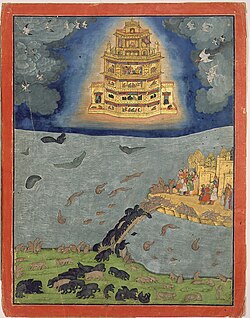
- ปุษปะวิมาน (เครื่องบินประดับดอกไม้ ) เป็นเครื่องบินในตำนานที่พบในเทพปกรณัมอัยยาวาซีในรัฐมหาราษฏระ เครื่องบินปุษปะวิมาน (เครื่องบินสวรรค์รูปร่างคล้ายนกอินทรี ) เป็นเครื่องบินที่พานักบุญตุการาม (ผู้ศรัทธาในพระวิษณุ )ขึ้นสู่สวรรค์
- Pushpaka Vimana or Dandu Monara – Pushpaka was originally made by Vishvakarma for Brahma, the Hindu god of creation; later Brahma gave it to Kubera, the god of wealth; but it was later stolen, along with Lanka, by his half-brother, the king Ravana.
Chariots
- Chariot of Morgan Mwynfawr, a chariot belonging to Morgan Mwynfawr which would quickly reach whatever destination one might wish to go to. (Welsh mythology)
- Flidais's chariot, a chariot drawn by deer. (Irish mythology)
- Hebo's chariot, a chariot pulled by two dragons. (Chinese mythology)
- Ukko's chariot, cause thunderstorms when Ukko drove his chariot through the skies. (Finnish mythology)
Chariots from Abrahamic Mythology
- Merkabah (chariot), Ezekiel's vision of the four-wheeled chariot driven by four hayyot, each of which has four wings and the four faces of a man, lion, ox, and eagle.
- Chariot of fire, the chariot that carried the prophet Elijah to heaven.
Chariots from Classical Greek and Roman mythology
- Aphrodite's chariot, Hephaestus presented Aphrodite with a golden chariot as bridal gift.
- Apollo's chariot, was pulled by his sacred swans. He also gave his lover Hyacinthus a swan-drawn chariot.
- Ares's chariots, Ares received his chariots from the forge of Hephaestus, they were pulled by immortal horses.
- Artemis's chariot, it was made of gold and was pulled by the four golden-horned deer she caught. The bridles of her chariot were also made of gold.
- Cabeiri's chariot, drawn by metallic, fire-breathing horses.
- Dionysus's chariot, drawn by panthers.
- Eos's chariot, drawn by two horses.
- Hades's chariot, golden chariot drawn by four black horses.
- Helios's chariot, a golden chariot drawn by four fiery horses driven across the sky by the Greek sun god, Helios. Also, according to Apollodorus, Helios owened a chariot, drawn by winged dragons, which he gave to his granddaughter Medea.[19]
- Hera's chariot, a chariot drawn by peacocks.
- รถศึกของเนเมซิสรถศึกที่ลากโดยกริฟฟิน
- รถม้าของโพไซดอนลากโดยฮิปโปแคมปัส
- รถม้าของเรียที่ลากโดยสิงโต
- รถม้าของเซเลเน่ล่องลอยไปบนท้องฟ้ายามค่ำคืนโดยวัวหรือม้าของนาง
- รถม้าของเทพโซล อินวิคตัสซึ่งปรากฏอยู่บนด้านหลังของเหรียญโรมันแสดงภาพเทพองค์นี้กำลังขี่ม้าสี่ล้อ
- รถม้าของซุสซึ่งถูกลากโดยลมทั้งสี่ทิศ (อะเนโมอิ ) ในรูปทรงม้า
รถม้าจากตำนานฮินดูและอัยยาวซี
- รถม้าของราหูลากโดยม้าดำแปดตัว (เทพปกรณัมฮินดู )
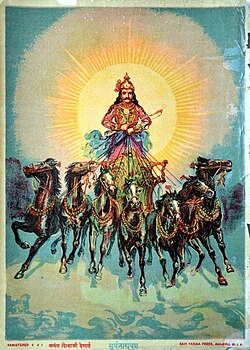
- รถม้าของพระสุริยะเทพ ลากโดยม้าเจ็ดตัว (เทพปกรณัมฮินดู )
- วิทกาลาลัยราชรถประดับทองของแคว้นกาลี (ตำนานอัยยาวซี )
รถม้าจากเทพปกรณัมของชาวนอร์ส
- รถม้าของธอร์ ที่ธอร์ขับข้ามท้องฟ้าโดยมีแพะสองตัวของเขาคือทันนกริสนีร์และทันนญอสตร์เป็น
- รถม้าของเฟรยารถม้าที่ลากโดยแมว
- อัลฟรอยด์ ( Álfröðull) ( ลำแสงเอลฟ์ ,จานเอ ลฟ์ หรือความรุ่งโรจน์ของเอลฟ์ ,สวรรค์ของเอลฟ์ ) หมายถึงทั้งรถม้าสุริยะของเทพีแห่งดวงอาทิตย์โซลและผู้ขี่โซล โดยอัลฟรอยด์จะถูกลากโดยม้าสองตัว คืออาร์วาคร และ อัลสวิดร์ข้ามท้องฟ้าไปทุกวัน
เรือ
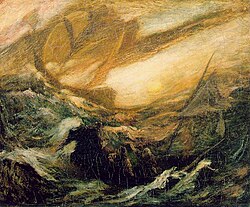
- คาเลอุเช่ (Caleuche ) เรือผีในตำนานของชาวชิโลเต้ (Chilote) ซึ่งเป็นตำนานพื้นบ้านของเกาะชิโลเอ (Chiloé Island) ประเทศชิลี (ตำนานของชาวชิโลเต้ )
- เรือแคนูของกลัสคับสามารถขยายขนาดเพื่อบรรจุกองทัพ หรือหดให้พอดีกับฝ่ามือได้ ( ตำนานของชาวอะเบนาคี )
- เรือแคนูแห่งเมาอิกลายเป็นเกาะใต้ของนิวซีแลนด์ ( ตำนานเมารี )
- กิงเจล็อตโทมัส สเปกต์บรรณาธิการผลงานของชอเซอร์ในช่วงปลายศตวรรษที่ 16 ได้กล่าวถึง "เกี่ยวกับเวดและเรือของเขาที่ชื่อกิงเจล็อต" รวมถึงวีรกรรมแปลกประหลาดของเขาด้วย
- เรือผู้พิทักษ์ชีวิต คือเรือที่อุตนาพิชติมและช่างฝีมือในหมู่บ้านสร้างขึ้นใน มหากาพย์กิลกาเมชตามคำขอของเอนกิ เออา เพื่อใช้บรรทุกภรรยาและญาติพี่น้อง รวมถึงช่างฝีมือในหมู่บ้าน สัตว์ที่ต้องช่วยชีวิต และธัญพืชและเมล็ดพืชต่างๆ (เทพปกรณัมเมโสโปเตเมีย )
- เรือ กวาดคลื่น (Wave Sweeper ) เรือวิเศษของลูห์ (Lugh ) ( เทพปกรณัมไอริช )
- เรือผีสิงฟลายอิ้งดัตช์แมน เรือผี ในตำนานที่ไม่สามารถเข้าเทียบท่าได้และถูกสาปให้ล่องลอยอยู่ในมหาสมุทรตลอดกาล (นิทานพื้นบ้านเกี่ยวกับการเดินเรือ )
- มันนิกฟูอัลเรือของยักษ์ (เทพปกรณัมของชาวฟรีเซียเหนือ)
- ไพรด์เวน (หรือพริดเวน ) คือเรือของกษัตริย์อาเธอร์ ตามที่ปรากฏในบทกวีภาษาเวลส์เรื่อง The Spoils of Annwfnเรือลำนี้ยังปรากฏใน Culhwch และ Olwen เมื่ออาเธอร์เดินทางไปยังไอร์แลนด์เพื่อนำหม้อของดิวร์นาคและหมูป่าทวร์ช ทรุยธ์ กลับมา ในตำนานอาเธอร์ยุคหลัง ไพรด์เวนเป็นชื่อของโล่ของอาเธอร์ (ตำนานอาเธอร์ )
- เรือโนอาห์เรือที่พระเจ้าทรงใช้ช่วยชีวิตโนอาห์ครอบครัวของเขา และสัตว์ที่เหลือรอดจากน้ำท่วมครั้งใหญ่ (ตำนานคริสเตียน )
- เรือสมบัติจีน (หรือเป่าฉวน ) เป็นเรือไม้ขนาดใหญ่ในกองเรือของพลเรือเอกเจิ้งเหอผู้ทรงนำทัพออกเดินทางเจ็ดครั้งในช่วงต้นศตวรรษที่ 15 แห่งราชวงศ์หมิง (ตำนานจีน )
- ทาคาราบุเนะ (เรือสมบัติ ) เรือในตำนานที่ เทพเจ้าแห่งโชคลาภทั้งเจ็ดทรงบังคับแล่นผ่านท้องฟ้าในช่วงสามวันแรกของปีใหม่ (นิทานพื้นบ้านญี่ปุ่น )
- Mendam Berahiเรือธงในตำนานของสุลต่านมะละกา (คติชนมาเลย์ )
- เรือผีแห่งช่องแคบนอร์ธัมเบอร์แลนด์เรือผีที่เล่ากันว่าแล่นด้วยเปลวไฟในช่องแคบนอร์ธัมเบอร์แลนด์ (นิทานพื้นบ้านของแคนาดา )
- เรือมะฮอกกานี (Mahogany Ship) เป็นซากเรืออับปางยุคแรกของออสเตรเลียที่เชื่อกันว่าจมอยู่ใต้ผืนทรายในบริเวณอ่าวอาร์มสตรอง ห่างจากเมืองวอร์นัมบูลไปทางทิศตะวันตกประมาณ 3-6 กิโลเมตร ในรัฐวิกตอเรียทางตะวันตกเฉียงใต้ของออสเตรเลีย (ตำนานพื้นบ้านของออสเตรเลีย )
- เรือของโลเฮนกรินเรือที่ลากโดยหงส์ (ตำนานยุคกลาง)
- เรือขาวหรือที่เรียกว่า วัลเก ลาเอฟ (Valge Laev) คือเรือในตำนานที่นำมาซึ่งอิสรภาพหรือพาผู้คนไปยังดินแดนที่ดีกว่า ( ตำนานเทพเจ้าเอสโตเนีย )
เรือจากเทพปกรณัมอียิปต์
- อาเต็ตเรือสุริยะของเทพรา เทพเจ้าแห่งดวงอาทิตย์ เรียกอีกชื่อหนึ่งว่า มันด์เจต (ภาษาอียิปต์แปลว่า "เรือแห่งล้านปี") และในเวลากลางคืนเรียกว่า เมเซกเต็ต
- มาเต็ต (เติบโตแข็งแกร่งขึ้น ) คือเรือลำแรกจากสองลำที่รา เทพแห่งดวงอาทิตย์ ใช้เดินทางท่องไปในท้องฟ้าทุกวันโดยมีดวงอาทิตย์อยู่บนศีรษะ ในช่วงเวลาระหว่างรุ่งอรุณถึงเที่ยงวัน ราจะประทับอยู่ในเรือมาเต็ต
- เซคเตต (อ่อนแอลง ) คือช่วงเวลาหกชั่วโมงที่สองของวัน (ตั้งแต่เที่ยงวันจนถึงพลบค่ำ) ในความเชื่อของชาวอียิปต์โบราณ โดยมีเรือมาเตตนำหน้า เรือเซคเตตนั้นแทนด้วยดวงอาทิตย์ในฐานะเทพรา และเทพราในฐานะเรือ เพราะมันแล่นผ่านท้องฟ้าเหมือนเรือที่แล่นบนน้ำ
- เนชเมต คือเรือที่เป็นของเทพนุนเทพโอซิริสถูกขนส่งไปในเรือลำนี้บนแม่น้ำไนล์ในระหว่างเทศกาลโอซิริสที่เมืองอบีดอส
- เฮนนู (หรือเรือเฮนนูและเฮนู ) คือเรือของเทพเจ้าเซเกอร์ขึ้นอยู่กับยุคสมัยหรือราชวงศ์ที่ปกครองอียิปต์ เรือเฮนนูจะแล่นไปในทิศรุ่งอรุณหรือทิศพลบค่ำ
เรือจากเทพปกรณัมกรีก
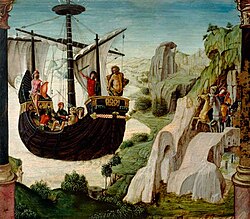
- อาร์โกเรือที่เจสันและเหล่าอาร์โกนอตใช้เดินทาง ภายในหัวเรือบรรจุไม้ศักดิ์สิทธิ์จากป่าโดโดนาซึ่งสามารถพูดและทำนายอนาคตได้
- ในมหากาพย์โอดิสซีเรือของชาวฟีเอเชีย น ถูกบรรยายว่าเร็วราวกับเหยี่ยว ควบคุมทิศทางด้วยความคิด ไม่ต้องมีคนคุมหางเสือ และสามารถแล่นผ่านหมอกหรือควันได้โดยไม่มีอันตรายจากการอับปาง
- เรือของคารอนซึ่งบรรทุกวิญญาณของผู้ที่เพิ่งเสียชีวิตข้ามแม่น้ำสติกซ์และแม่น้ำอะเคอรอนที่แบ่งโลกของคนเป็นออกจากโลกของคนตาย
- เรือของเธเซอุสคือเรือที่เธเซอุสใช้ในการเดินทางไปปราบมิโนทอร์ เขาออกเดินทางด้วยใบเรือสีดำ โดยสัญญากับเอจีอุสผู้ เป็นบิดา ว่า หากสำเร็จจะกลับมาพร้อมใบเรือสีขาว อย่างไรก็ตาม เธเซอุสลืมชักใบเรือสีขาวขึ้นแทนใบเรือสีดำ ดังนั้นเอจีอุสจึงเชื่อว่าลูกชายของตนตายแล้ว และฆ่าตัวตายโดยการกระโดดลงทะเล ทำให้ทะเลแห่งนี้ได้ชื่อว่าทะเลอีเจียน เรือลำนี้มีชื่อเสียงมากกว่าในฐานะเรือแห่งการทดลองทางความคิดเรื่อง " เรือของเธเซอุส"
เรือจากเทพปกรณัมนอร์ส
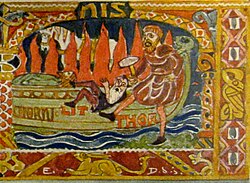
- เอลลิดาเรือมังกรวิเศษ ที่ เอจีร์มอบให้แก่ไวคิงเป็นของขวัญ
- เรือ ฮริงฮอร์นีเรือของเทพเจ้าบัลเดอร์ซึ่งได้รับการกล่าวขานว่าเป็น "เรือที่ยิ่งใหญ่ที่สุดในบรรดาเรือทั้งปวง"
- นากลฟาร์ (Naglfar)คือเรือที่สร้างจากเล็บมือและเล็บเท้าของผู้ตาย มันจะออกเดินทางในช่วงแร็กนาร็อก (Ragnarök )
- Sessrúmnir, is both the goddess Freyja's hall located in Fólkvangr, a field where Freyja receives half of those who die in battle, and also the name of a ship.
- Skíðblaðnir, a boat owned by Freyr.
- Ullr's bone, Ullr could traverse the sea on his magic bone.
Trains
- The Silver Train of Stockholm (Silverpilen, "the Silver Arrow"), a silver colored ghost train said to roam the Stockholm Metro as part of several urban legends. (Swedish folklore)
- St. Louis Ghost Train, visible at night along an old abandoned rail line in between Prince Albert and St. Louis, Saskatchewan. (Canadian legend)
- Phantom funeral train, a funeral train decorated in black bunting said to run regularly from Washington, D.C. to Springfield, Illinois, around the anniversary of Abraham Lincoln's death, stopping watches and clocks in surrounding areas as it passes. (American folklore)
Unidentified flying objects
- Black triangle, UFOs reported as having a triangular shape and dark color, typically observed at night, described as large, silent, hovering, moving slowly, and displaying pulsating, colored lights. (Ufology)
- Flying saucer (also Flying disc), a supposed type of flying craft having a disc or saucer-shaped body, commonly used generically to refer to an anomalous flying object. (Ufology)
- Foo fighter, a type of UFO reported and named by the U.S. 415th Special Operations Squadron, the term was also commonly used to mean any UFO sighting from that period. (Ufology)
Treasures

- Four Treasures of the Tuatha Dé Danann (also Hallows of Ireland), consisting of the Claíomh Solais, Lug's Spear, Cauldron of the Dagda, and the Lia Fáil. (Celtic mythology)
- Jamshid's Enchanted treasures, Hidden treasures in Iranian folklore that Jamshid has hidden all over the world, which are protected by all kinds of spells, demons and magical monsters.(Persian mythology)
- Three Sacred Treasures of Japan, consisting of the Kusanagi, the jewel necklace Yasakani no Magatama, and the mirror Yata no Kagami. (Japanese mythology)
- Karun Treasure, said to belong to King Croesus of Lydia. (Persian mythology)
- สมบัติสิบสามชิ้นของเกาะบริเตนประกอบด้วย Dyrnwyn, กระเช้าของ Gwyddno Garanhir, เขาของ Brân Galed, รถม้าของ Morgan Mwynfawr, เชือกแขวนคอของ Clydno Eiddyn, มีดของ Llawfrodedd นักขี่ม้า, หม้อน้ำของ Dyrnwch the Giant, หินลับมีดของ Tudwal Tudglyd, เสื้อคลุมของ Padarn Beisrudd, หม้อและจานของ Rhygenydd Ysgolhaig กระดานหมากรุกของ Gwenddoleu ap Ceidio เสื้อคลุมของอาเธอร์ในคอร์นวอลล์ เสื้อคลุมของ Tegau Gold-Breast และหินและแหวนของ Eluned the Fortunate (เรื่องของอังกฤษ )
- ไรน์โกลด์ (หรือไรน์โกลด์ ) คือขุมทรัพย์ทองคำในมหากาพย์นิเบลุงเกนลีดที่มีนางเงือกแห่งแม่น้ำไรน์สามตนว่ายน้ำปกป้องสมบัติ ( เทพปกรณัมของชาวนอร์ส )
- ทองคำของยามาชิตะหรือที่รู้จักกันในชื่อสมบัติยามาชิตะ คือชื่อที่ใช้เรียกทรัพย์สมบัติที่เชื่อกันว่าถูกกองทัพจักรวรรดิญี่ปุ่นขโมยไปในเอเชียตะวันออกเฉียงใต้ระหว่างสงครามโลกครั้งที่สอง และซ่อนไว้ในถ้ำ อุโมงค์ หรือสิ่งก่อสร้างใต้ดินในฟิลิปปินส์โดยส่วนใหญ่จะพบในเกาะมินดาเนาตามตำนานเล่าว่า ชื่อนี้ตั้งตามชื่อของนายพลโทโมยูกิ ยามาชิตะ แห่งญี่ปุ่น ซึ่งมีฉายาว่า "เสือแห่งมาลายา" (ตำนานเมืองของญี่ปุ่น )
- สมบัติแปดประการประกอบด้วย ไข่มุกแห่งการขอพร (ไข่มุกเพลิง), เพชรคู่, ระฆังหิน, เขาแรดคู่, เหรียญคู่, แท่งทองหรือเงิน, ปะการัง และคทาแห่งการขอพร (เทพปกรณัมจีน )
- นีธิ (หรือนีธนะ ,นิขระหรือเสวธิ ) คือขุมทรัพย์ ซึ่งประกอบด้วยวัตถุมีค่าเก้าอย่าง (นวนีธิ) ที่เป็นของพระกุเบระ เทพเจ้าแห่งความมั่งคั่ง (ในเทพปกรณัมฮินดู )
- สมบัติสเตโชวิเช (Štěchovice treasure ) คือขุมทรัพย์ที่เชื่อกันว่าเป็นของนาซี ซ่อนอยู่ในเมืองสเตโชวิเช ในภูมิภาคโบฮีเมียตอนกลางของสาธารณรัฐเช็ก (ตำนานเช็ก)
- รถไฟทองคำนาซี (หรือรถไฟทองคำวาลบร์ซีช ) เป็นรถไฟสมัยนาซีเยอรมนีที่ถูกฝังอยู่ในอุโมงค์ในแคว้นโลเวอร์ไซลีเซีย ระหว่างเมืองเบรสเลา (วรอตสวาฟ) และวาลเดนบูร์ก (วาลบร์ซีช) ในเดือนพฤษภาคม ปี 1945 ในช่วงวันสุดท้ายของสงครามโลกครั้งที่สอง (ตำนานภาษาโปแลนด์)
- ทองคำของฝ่ายใต้คือขุมทรัพย์ทองคำที่ซ่อนไว้ซึ่งสูญหายไปหลังสงครามกลางเมืองอเมริกา ทองคำมูลค่าหลายล้านดอลลาร์สูญหายหรือหาไม่พบหลังสงคราม และเป็นหัวข้อถกเถียงของนักประวัติศาสตร์และนักล่าสมบัติมากมาย กล่าวกันว่า บางส่วนของขุมทรัพย์ของฝ่ายใต้ถูกซ่อนไว้เพื่อรอการลุกฮือขึ้นอีกครั้งของฝ่ายใต้ และในบางครั้งก็เพื่อป้องกันไม่ให้ฝ่ายเหนือได้ครอบครอง (ตำนานอเมริกัน)
- Lasseter's Reef – A fabulously rich gold deposit said to have been discovered – and then subsequently lost – by bushman Harold Bell Lasseter in a remote and desolate corner of central Australia towards the end of the 19th century. (Australian folklore)
Relics
Relics from Buddhist mythology
- Cetiya, "reminders" or "memorials" (Sanskrit caitya) are objects and places used by Theravada Buddhists to remember Gautama Buddha.
- Relic of the tooth of the Buddha, venerated in Sri Lanka as a cetiya "relic" of Gautama Buddha, the founder of Buddhism.
- Śarīra, a generic term referring to Buddhist relics. In Buddhism, relics of the Buddha and various sages are venerated. After the Buddha's death, his remains were divided into eight portions. Afterward, these relics were enshrined in stupas wherever Buddhism was spread.
Relics from Christian mythology

- Relics of Jesus, a number of relics associated with Jesus that have been claimed and displayed throughout the history of Christianity.
- Shrine of the Three Kings (German Dreikönigsschrein), a reliquary said to contain the bones of the Biblical Magi, also known as the Three Kings or the Three Wise Men.
Relics from Islamic mythology
- Sacred Relics (also Holy Relics and Sacred Trust), consist of religious pieces sent to the Ottoman Sultans between the 16th century to the late 19th century.
- Sacred Cloak of the Prophet, a cloak believed to have been worn by the Islamic prophet Muhammad.
Books

- Book of Thoth, a legendary book containing powerful spells and knowledge supposed to have been written by the god Thoth, said to have been buried with the Prince Neferkaptah in Coptos. (Egyptian mythology)
- Jade Books in Heaven, described in several Daoist cosmographies as existent primordially in the various divine Heavens. These Jade Books are variously said to be instrumental in creating and maintaining the divine structure of the universe, or as regulating national or personal destiny. (Chinese mythology)
- Sibylline Books, described to have helped Rome in many situations. (Roman mythology)
- Rauðskinna (Book of Power), a legendary book about black magic, alleged to have been buried with its author, the Bishop Gottskálk grimmi Nikulásson of Holar. (Scandinavian folklore)
- Tablet of Destinies (also Tupsimati), a set of clay tablets which hold the power of creation and destruction. (Mesopotamian mythology)
- Tablets of Stone (also Tablets of Stone, Stone Tablets, or Tablets of Testimony), in the Hebrew Bible, were the two pieces of stone inscribed with the Ten Commandments when Moses ascended Mount Sinai as written in the Book of Exodus. (Jewish mythology)
- Book of Life, the book in which God records the names of every person who is destined for Heaven or the World to Come. (Christian/Jewish)
- Levisterio, a book contains magical forms and an instrument they used to take various exams used by the Mapuches to protect by the dark forces. (Chilote/Mapuche)
Cauldrons
- Eldhrímnir, the cauldron in which Andhrímnir cooks Sæhrímnir. (Norse mythology)
- Pair Dadeni (Cauldron of Rebirth), a magical cauldron able to revive the dead. (Welsh mythology)
- Cauldron of the Dagda, a cauldron where no company ever went away from it unsatisfied, it is said to be bottomless. (Celtic mythology)
- Cauldron of Hymir, a mile-wide cauldron which the Æsir wanted to brew beer in. (Norse mythology)
- Cauldron of Dyrnwch the Giant, said to discriminate between cowards and brave men: whereas it would not boil meat for a coward, it would boil quickly if that meat belonged to a brave man. (Welsh mythology)
- The Cauldron of Cerridwen, which features in the origin story of Taliesin, who accidentally obtains the awen from it while stirring it for Cerridwen. (Welsh mythology)
Botany
- Anāre-Javdanegi, In some religious traditions, it is said that Zoroaster made Esfandiyār invulnerable by eating a few pomegranate seeds from heaven.(Persian mythology)
- Blue Lotus, a symbol of the sun, since the flowers are closed at night and open again in the morning. The origin of the world was taught to have been when the sun god Ra emerged from a lotus flower growing in "primordial waters". At night, he was believed to retreat into the flower again. (Egyptian mythology)
- Magic bean, Jack trades the family cow for a handful of magic beans which caused a gigantic beanstalk to grow outside Jack's window during the night. (British fairy tale)
- Mandrake, In the past, mandrake was often made into amulets which were believed to bring good fortune, cure sterility, etc. In one superstition, people who pull up this root will be condemned to hell, and the mandrake root would scream and cry as it was pulled from the ground, killing anyone who heard it.
- White Lotus, the Egyptians believed that the lotus flower gave them strength and power. Horus was occasionally shown in art as a naked boy with a finger in his mouth sitting on a lotus with his mother. (Egyptian mythology)
- Vegetable Lamb of Tartary, is a believed to grow sheep as its fruit. (Central Asian legend)
Plants and herbs

- Aglaophotis, a herb used for warding off demons, witchcraft, and fever.
- Fern flower, a magic flower that blooms on the eve of the Summer solstice. It will bring fortune to the person who finds it. (Baltic and Slavic mythology)
- Gaokerena, was a mythic Haoma plant that had healing properties and gave immortality to the resurrected bodies of the dead when eaten.(Persian mythology)
- Hungry grass (also Féar Gortach), a patch of cursed grass which causes perpetual and insatiable hunger. (Irish mythology)
- Moly, a magical herb Hermes gave to Odysseus to protect him from Circe's magic. (Greek mythology)
- Raskovnik, a magical herb which can unlock or uncover anything that is locked or closed. (Slavic mythology)
- Ausadhirdipyamanas, healing plants used for healing and rejuvenations in battles. These are used by Ashvins. (Hindu mythology)
- Haoma, the Avestan language name of a plant and its divinity, both of which play a role in Zoroastrian doctrine and in later Persian culture and mythology. (Persian mythology)
- Silphium, a plant that was used in classical antiquity as a seasoning and as a medicine. Legend said that this plant was a gift from the god Apollo. (Roman mythology)
- Verbena, a plant which has long been associated with divine and other supernatural forces. It was called "tears of Isis" in ancient Egypt, and later called "Hera's tears". In ancient Greece it was dedicated to Eos Erigineia. In the early Christian era, folk legend stated that V. officinalis was used to staunch Jesus' wounds after his removal from the cross. It was consequently called "holy herb" or (e.g. in Wales) "Devil's bane".
- Yao Grass, a type of mythical plant. (Chinese mythology)
- Shamrock, a plant honored as sacred by ancient Druids. The Druids believed the shamrock had the power to avert evil spirits. Some people still believe the shamrock has mystical, even prophetic powers. It is said that the leaves of shamrocks turn upright whenever a storm is coming. (Irish mythology)
- Sanjivani, a magical herb which can cure any malady. It was believed that medicines prepared from this herb could revive a dead person. (Hindu mythology)
Trees

- Talking tree, a form of trees in sapient mythologies and stories. (Worldwide)
- Jeweled Branch of Hōrai, a branch from a tree found on Hōrai which has jewels for leaves. One of Kaguya-hime's suitors set out to search for the branch. (Japanese mythology)
- Cypress of Kashmar, a mythical cypress tree of legendary beauty. Iranians considered Kashmir cypress as a relic of Zoroaster, and they believed that Vishtaspa ordered the planting of this cypress after accepting the Zoroastrianism. (Persian mythology)
- Ficus Ruminalis, a wild fig tree that had religious and mythological significance in ancient Rome. The tree is associated with the legend of Romulus and Remus. (Roman mythology)
- Donar's Oak (also Thor's Oak and Jove's Oak), a sacred tree of the Germanic pagans located in what is now the region of Hesse, Germany. (Germanic mythology)
- Silver Branch, a tree that represents entry into the Celtic Otherworld. It is also associated with Manannán mac Lir, an Irish sea deity with strong affiliation to Tír na nÓg. As guardian of the Otherworld, Manannán also has strong ties with Emhain Abhlach, the Isle of Apple Trees, where the magical silver apple branch is found. (Irish mythology)
- Lotus tree, bearing a fruit that caused drowsiness, and which was said to be the only food of an island people called the Lotophagi or Lotus-eaters. When they ate of the lotus tree they would forget their friends and homes and would lose the desire to return to their native land in favor of living in idleness. (Greek mythology/Roman mythology)
- Money tree, a holy tree which can bring money and fortune to the people, and is a symbol of affluence, nobility and auspiciousness. (Chinese mythology)
- Tree of life, a tree found in the Garden of Eden in the Book of Genesis in the beginning, and also in New Jerusalem in Book of Revelation in the end. (Christian mythology/Jewish mythology)
- Tree of the knowledge of good and evil, one of two trees in the story of the Garden of Eden, along with the tree of life. (Christian mythology/Jewish mythology)
- Zaqqum (Zakum), a vile tree that grows in the depths of Jahannam (Hell). (Islamic mythology)
- Nariphon, a tree which bears fruit in the shape of young female creatures. (Buddhist mythology)
Trees from Norse mythology
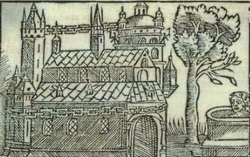
- Barnstokkr (Child-trunk), a tree that stands in the center of King Völsung's hall.
- Glasir (Gleaming), a tree or grove described as "the most beautiful among gods and men", bearing golden leaves located in the realm of Asgard, outside the doors of Valhalla.
- Læraðr, a tree that is often identified with Yggdrasil. It stands at the top of the Valhöll. Two animals, the goat Heiðrún and the hart Eikþyrnir, graze its foliage.
- Mímameiðr (Mimi's Tree), a tree whose branches stretch over every land, is unharmed by fire or metal, bears fruit that assists pregnant women, and upon whose highest bough roosts the rooster Víðópnir.
- Sacred tree at Uppsala, a sacred tree located at the Temple at Uppsala, Sweden, in the second half of the 11th century. It is not known what species it was, but a scholar has suggested that it was a yew tree.
World trees

- Yggdrasil, an immense tree that connects the nine worlds. (Norse mythology)
- Sefirot, (counting, enumeration) the kabbalistic tree of life which encompasses both the physical and higher metaphysical realm. It consists of the ten attributes/emanations in Kabbalah. (Jewish mythology)
- Irminsul (Great/Mighty Pillar or Arising Pillar), a pillar which is attested as playing an important role in the Germanic paganism of the Saxon people. The oldest chronicle describing an Irminsul refers to it as a tree trunk erected in the open air. (Germanic mythology)
- Égig érő fa (Sky-high Tree), also called Életfa (Tree of Life), Világfa (World Tree), or Tetejetlen Fa (Tree Without a Top), is an element of Hungarian shamanism and native faith, and a typical element of Hungarian folk art and folk tales, and also a distinct folk tale type. (Hungarian mythology)
- Akshayavat or Akshay Vat (Indestructible Banyan Tree), is a sacred fig tree. The sage Markandeya asked Lord Narayana to show him a specimen of the divine power. Narayana flooded the entire world for a moment, during which only the Akshayavat could be seen above the water level. (Hindu mythology)
- Kalpavriksha (also Kalpataru, Kalpadruma or Kalpapādapa), a wish-fulfilling divine tree. (Hindu mythology)
- Ashvattha (also Assattha), a sacred tree for the Hindus and has been extensively mentioned in texts pertaining to Hinduism, mentioned as 'peepul' (Ficus religiosa) in Rig Veda mantra I.164.20 . Buddhist texts term the tree as Bodhi tree, a tree under which Gautam Buddha meditated and gained enlightenment. (Hindu mythology)
- Ağaç Ana, the world tree is a central symbol. According to the Altai Turks, human beings are descended from trees. According to the Yakuts, White Mother sits at the base of Ağaç Ana, whose branches reach to the heavens where it is occupied by various creatures that have come to life there. The blue sky around the tree reflects the peaceful nature of the country and the red ring that surrounds all of the elements symbolizes the ancient faith of rebirth, growth and development of the Turkic peoples. (Turkic mythology)
- Modun, the world tree. (Mongolian mythology)
- Mesoamerican world tree, the world trees embodied the four cardinal directions, which also serve to represent the fourfold nature of a central world tree, a symbolic axis mundi which connects the planes of the Underworld and the sky with that of the terrestrial realm. (Mesoamerican mythology)
- Austras koks (Tree of Dawn), on the path of the sun, in or by the water, often on an island or rock in middle of the seas, is the Austras koks thought to represent world tree or axis mundi, it is usually described as a tree, but can also be variety of other plants or even objects. (Latvian mythology)
- Világfa (World Tree)/Életfa (Tree of Life), the world tree connects different realities; the underworld, this world, and the upper world together. A shaman was believed to be able to climb through each of these levels freely by a ladder. (Finnic mythologies)
Foods
Drinks

- Ambrosia, the food or drink of the gods, which gives longevity or immortality to whoever consumes it. (Greek mythology)
- Amrita, the drink of the gods which grants them immortality. (Hindu mythology)
- Mead of poetry (also Mead of Suttungr), a mythical beverage that whoever "drinks becomes a skald or scholar to recite any information and solve any question. (Norse mythology)
- Soma, it is described as being prepared by extracting juice from the stalks of a certain plant. In both Vedic and Zoroastrian tradition, the name of the drink and the plant are the same, and also personified as a divinity, the three forming a religious or mythological unity. (Zoroastrian mythology)
Fruits
- Apple of Discord (also Golden Apple of Discord), the goddess Eris inscribed "to the fairest" and tossed in the midst of the festivities at the wedding of Peleus and Thetis. (Greek mythology)
- Forbidden fruit, eaten by Adam and Eve in the Garden of Eden, which they had been commanded not to do by God. (Christian mythology/Jewish mythology)
- Golden apple, an element that appears in various national and ethnic folk legends or fairy tales.
- Peaches of Immortality, consumed by the immortals due to their mystic virtue of conferring longevity on all who eat them. (Chinese mythology)
- Pomegranate (also Fruit of the Dead in Greek mythology), believed to have sprung from the blood of Adonis. It was the rule of the Moirai that anyone who consumed food or drink in the underworld had to spend eternity there. Persephone ate six pomegranate seeds while in the Underworld after becoming Hades' wife, so she had to spend six months in the underworld every year. (Greek mythology)
- Silver apple, magical silver apples can be found on Emhain Abhlach, the Isle of Apple Trees. (Irish mythology)
- Poison apple, featured frequently in folktales or fairy tales.
Other
- Manna (also Mana), an edible, daily-falling substance that God provided as food for the Israelites to eat every day during their travels in the desert. (Christian mythology/Jewish mythology/Islamic mythology)
Eggs
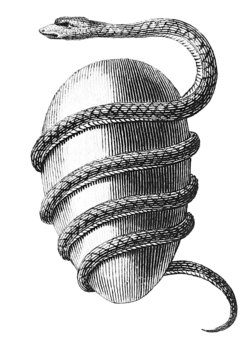
- Golden egg, the main object of the folk tale "Kurochka Ryaba". (Russian folklore)
- Myrrh egg, the phoenix would build itself a nest of cinnamon twigs that it then ignited; both nest and bird burned fiercely and would be reduced to ashes, from which a new, young phoenix arose. The new phoenix embalmed the ashes of the old phoenix in an egg made of myrrh and deposited it in the Egyptian city of Heliopolis ("the city of the sun" in Greek). (Greek mythology)
- World egg (also Cosmic Egg or Mundane Egg), found in the creation myths of many cultures and civilizations. The world egg is a beginning of some sort, and the universe or some primordial being comes into existence by "hatching" from the egg, sometimes lain on the primordial waters of the Earth.
Substances
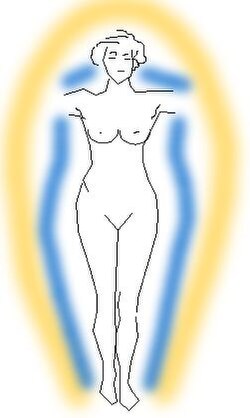
- Ectoplasm, a supposed physical substance that manifests as a result of energy.
- Aureola, the radiance of luminous cloud which, in paintings of sacred personages, surrounds the whole figure.
- Aura, a field of luminous radiation surrounding a person or object.
- Tears of Ra (also Tears of Re), which are produced when the sun god Ra cries, and become honey bees upon touching the ground. (Egyptian mythology)
- Breath of life, in countless stories from different cultures featured gods breathing life into object that brought them to life.
- Cosmic energy, the translation into English by Sir John Woodroffe of the term Shakti in Hindu religion, based on the Hindu philosophy known as Kashmir Shaivism; a term for spiritual energy; also referred to as prana; thought in Hindu philosophy to be the source of kundalini; identified by some New Age authors with the quantum vacuumzero point energy and as orgone energy it is believed in New Age thought to be a vital force that animates all forms of life.
- Silap Inua (also Silla), similar to mana or ether, the primary component of everything that exists; it is also the breath of life and the method of locomotion for any movement or change. Silla was believed to control everything that goes on in one's life. (Inuit mythology)
- Hellfire, the fires from the lake of fire located in Hell. (Christian mythology)
- Odic force (also Od, Odyle, Önd, Odes, Odylic, Odyllic, Odems), the name given in the mid-19th century to a hypothetical vital energy or life force by Baron Carl von Reichenbach.
- Nebu, the ancient Egyptians believed that gold was an indestructible and heavenly metal. The sun god, Ra, was often referred to as a mountain of gold. (Egyptian mythology)
- Xirang (also Hsi-jang, Swelling Earth, Self-renewing soil, Breathing earth, and Living earth), a magical substance in Chinese mythology that had a self-expanding ability to continuously grow – which made it particularly effective for use by Gun and Yu the Great in fighting the Great Flood. (Chinese mythology)
- Alien metal, the rancher William Brazel found mysterious paper-like metals across his sheep pasture. Believe to have been the remains of an extraterrestrial flying saucer crash near Roswell, New Mexico. The event would later be known as the Roswell UFO incident. (Ufology)
- Solomon's shamir, a substance that had the power to cut through or disintegrate stone, iron and diamond. King Solomon is said to have used it in the building of the First Temple in Jerusalem in the place of cutting tools. (Jewish mythology)
Substances from Greek mythology
- Orichalcum, a metal that was considered second only to gold in value, and was mined in Atlantis in ancient times.
- Panacea, a remedy that would cure all diseases and prolong life indefinitely.
- Water of Lethe, which flows through the river Lethe, and causes those who drink it to experience forgetfulness.
- Aether, the pure essence that the gods breathed, filling the space where they lived, analogous to the air breathed by mortals.
- Miasma, "a contagious power... that has an independent life of its own. Until purged by the sacrificial death of the wrongdoer, society would be chronically infected by catastrophe".
- Kykeon, ancient Greek drink of various descriptions used at the climax of the Eleusinian Mysteries.
- Pneuma, a supernatural substance that is present in all souls and sustains life in all breathing living creatures. Thought of as giving cosmic energy through breath. One main components of the parts of the soul in ancient Greek medicine.
Substances from Norse mythology
- Atter, a liquid substance that is the origin of all living things, and is produced by Jörmungandr and other serpents.
- Surtalogi (Surtr's fire), the fire with which the giant Surtr will burn the world with fire, thus destroying it.
- Yggdrasil dew, dew that falls from the ash tree Yggdrasil. When Líf and Lífþrasir seek refuge within Yggdrasil, they find that they can survive there by drinking the dew of Yggdrasil.
Substances from Medieval legend and European folklore

- Adamant (also Adamantine), a hard substance, whether composed of diamond, some other gemstone, or some type of metal.
- Alkahest, a hypothetical universal solvent which can dissolve every other substance, including gold. It was much sought after by alchemists for what they thought would be its invaluable medicinal qualities. (Medieval legend)
- Azoth, a universal medicine or universal solvent sought in alchemy. (Medieval legend)
- Cold iron, is historically believed to repel, contain, or harm ghosts, fairies, witches, and/or other malevolent supernatural creatures. (European folklore)
- Elixir of life, a mythical potion that, when drunk from a certain cup at a certain time, supposedly grants the drinker eternal life and/or eternal youth. (Medieval legend)
- Fairy dust, fairy ring are circles of mushrooms that seem to pop-up over night in yards. It is said to grow from the magic dust left behind by faeries as they danced and celebrated during the night, before returning to their hidden land. (English folklore)
- Four Thieves Vinegar, a concoction of vinegar infused with herbs, spices or garlic that was believed to protect the user from the plague (disease). (European folklore)
- Holy water, believed to ward off or act as a weapon against mythical evil creatures, such as vampires. In eastern Europe, one might sprinkle holy water onto the corpse of a suspected vampire to destroy it or render it inert. (European folklore)
- Love potion, Tristan goes to Ireland to bring back Isolde the fair for his uncle King Mark to marry. Along the way, they ingest a love potion which causes the pair to fall madly in love. (Arthurian legend)
- Prima materia (also Materia Prima or First Matter), is the ubiquitous starting material required for the alchemical magnum opus and the creation of the philosopher's stone. It is the primitive formless base of all matter similar to chaos, the quintessence, or aether. (Medieval legend)
- Sandman's sand, which the Sandman uses to put people to sleep and bring good dreams by sprinkling it into their eyes while they sleep. (European folklore)
- Yliaster, is the formless base of all matter which is the raw material for the alchemical Great Work. (Medieval legend)
- Unspoken Water, water believed to have healing properties when collected "from under a bridge, over which the living pass and the dead are carried, brought in the dawn or twilight to the house of a sick person, without the bearer's speaking, either in going or returning". (Scottish folklore)
- Water of life, water from the Fountain of Youth that supposedly restores the youth of anyone who drinks or bathes in its waters. (Medieval legend)
- Sleeping potion, the troll princess who lives in a castle east of the sun and west of the moon gives the prince a sleeping drink, so that the youngest daughter cannot wake him. (Scandinavian folklore)
Substances from Mesoamérican mythology
- Teonanácatl, in Nahuatl literally "god mushroom"—compound of the words teo(tl) (god) and nanácatl (mushroom).
Substances from Asian mythology

- Hihīrokane, described in the apocryphal Takenouchi Document, an alleged ancient writing in a lost script which details Japan's early history, Hihīrokane was used in the time of Emperor Jimmu, Japan's first emperor. The Kusanagi-no-tsurugi and the other Imperial Regalia of Japan are supposedly made from it. Its weight is lighter than gold, but harder than diamond. It was even said to be able to bring water to a boil without heat, violating the Law of Conservation of Energy. (Japanese mythology)
- Hiranyagarbha, the source of the creation of the universe or the manifested cosmos. (Hindu mythology)
- Halahala, a poison created from the sea when the gods and demons churned it to obtain Amrita, the nectar of immortality. (Hindu mythology)
- Prana, is all cosmic energy, permeating the Universe on all levels. Prana is often referred to as the "life force" or "life energy". It also includes energies present in inanimate objects. (Hindu mythology)
- Five Flavored Tea of Forgetfulness, a brew created by Meng Po that is given to each soul to drink before they leave Diyu. The brew induces instant and permanent amnesia, and all memory of other lives is lost. (Chinese mythology)
- Qi (also Chi or Ki), an active principle forming part of any living thing. Qi literally translates as "breath", "air", or "gas", and figuratively as "material energy", "life force", or "energy flow". Qi is the central underlying principle in traditional Chinese medicine and martial arts. (Chinese mythology)
- Chakra, an energy point or node in the subtle body. Chakras are believed to be part of the subtle body, not the physical body, and as such, are the meeting points of the subtle (non-physical) energy channels called Nadi. (Hinduism/Jainism/Buddhism)
- Yin and yang, a concept of dualism, describing how seemingly opposite or contrary forces may actually be complementary, interconnected, and interdependent in the natural world, and how they may give rise to each other as they interrelate to one another. (Chinese mythology)
Musical instruments
Conchs
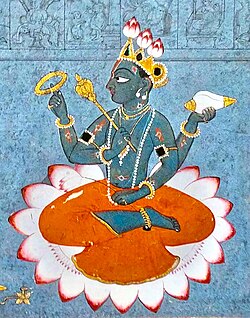
- Nandi Vardhanam, the conch shell of Satyaki. (Hindu mythology)
- Panchajanya, a Shankha conch shell of the Hindu god Vishnu. As per Valmiki Ramyana, Purushottama (Vishnu) killed a Danava named Panchajana on a mountain named Chakravan constructed by Vishwakarma and took away conch shell known as Panchajanya from him. (Hindu mythology)
- Shankha, a conch shell and sacred emblem of the Hindu preserver god Vishnu. (Hindu mythology)
- Triton's conch shell, a twisted conch shell on which Triton blew like a trumpet to calm or raise the waves. (Greek mythology)
Drums
- Drake's Drum, a snare drum that Sir Francis Drake took with him when he circumnavigated the world. Shortly before he died he ordered the drum to be taken to Buckland Abbey and vowed that if England was ever in danger and someone was to beat the drum he would return to defend the country. According to legend it can be heard to beat at times when England is at war or significant national events take place. (English folklore)
- Cultrun, a Mapuche drum that the Machi's use for healing. (Chilean mythology)
Flutes
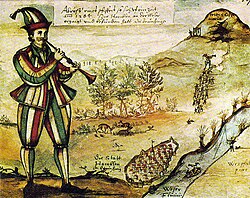
- Pan's flute, reed pipes or pan flute that is played by the god of the wild, Pan. (Greek mythology)
- Pied Piper's magic pipe, which the Pied Piper used to lure the rats, and later children, out of Hamelin. (German folklore)
Harps
- Bragi's harp, a magical golden harp given to Bragi by the dwarfs when he was born. (Norse mythology)
- David's harp (also Kinnor David), a harp hung above King David's bed, and precisely at midnight a north wind arrived and blew on the harp and it would play by itself. (Jewish mythology)
- Kantele, the mage Väinämöinen makes the first kantele from the jawbone of a giant pike and a few hairs from Hiisi's stallion. The music it makes draws all the forest creatures near to wonder at its beauty. (Finnish mythology)
- Uaithne (also Dur da Blá, The Oak of Two Blossoms, and Coir Cethar Chuin), the harp which belongs to The Dagda. After the Second Battle of Mag Tuired the Fomorians had taken The Dagda's harp with them. The Dagda found it in a feasting-house wherein Bres and his father Elathan were also. The Dagda had bound the music so that it would not sound until he would call to it. After he called to it, it sprang from the wall, came to the Dagda and killed nine men on its way. (Irish mythology)
- Binnorie's harp (also Minnorie's harp), when the murdered girl's body floats ashore, a musician made a musical instrument out of it, a harp, with a frame of bone and the girl's "long yellow hair" for strings. The instrument then plays itself and sings about the murder. (Northumbrian folklore)
- Talyn Arthur (Arthur's Harp), the name of the constellation of Lyra in Wales. (Welsh mythology)
- Canola's harp (Cana's Harp), Canola realised the wind had created the music by blowing through partially rotted sinew still attached to a whale skeleton. She designed the harp based on this. (Irish mythology)
Horns
- Horn of Gabriel, a horn blown by the Archangel Gabriel to announce Judgement Day. (Christian mythology)
- Olifant (also Olivant), the horn of Roland, paladin of Charlemagne in the Song of Roland. Roland blows the horn, but the force required bursts his temple, resulting in death. His olifant was supposedly a unicorn's horn. (Matter of France)
- Gjallarhorn, a mystical horn blown at the onset of Ragnarök associated with the god Heimdallr and the wise being Mímir. (Norse mythology)
Lyres
- Amphion's lyre, a gift to Amphion from his lover Hermes that allowed Amphion to telekinetically move stones to build the walls of Thebes. (Greek mythology)
- Apollo's lyre, Hermes created the lyre for him from the entrails of one of Apollo's cows. Apollo was furious at Hermes, but after hearing the sound of the lyre, his anger faded. The instrument became a common attribute of Apollo. (Greek mythology)
- Orpheus' lyre, a golden lyre given to him by Apollo. It is said that Orpheus' music and singing could charm the birds, fish and wild beasts, coax the trees and rocks into dance, and divert the course of rivers. It is state that his lyre was placed in the sky by Zeus. (Greek mythology)
Rattles
- Sistrum, one of the most sacred musical instruments in ancient Egypt, which was believed to hold powerful magical properties. It was also shaken to avert the flooding of the Nile and to frighten away Set. (Egyptian mythology)
Trumpets
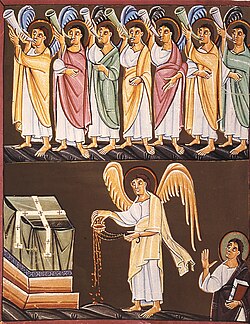
- Seven trumpets, seven angels with seven trumpets are sounded and the events that follow are described in detail from Revelation Chapters 8 to 11. (Christian mythology)
- seven trumpets of Zahhak, Seven golden trumpets, each of which was connected to one of the seven realms of the world, and by blowing each of those trumpets, Zahhak would send down deadly disasters such as plagues, earthquakes, and rain of fire on that land. (Persian mythology)
- Pheme's trumpet, Pheme is the goddess of gossip and she was said to have pried into the affairs of mortals and gods. She then repeated what she had learned by sounding her trumpet to spread the gossip to people near and far. (Greek mythology)
- Joshua's shofars (also Joshua's trumpets), the walls of Jericho fell after Joshua's Israelite army marched around the city blowing their trumpets during the Battle of Jericho. (Jewish mythology)
Springs

- Fountain of Youth, a spring that supposedly restores the youth of anyone who drinks or bathes in its waters. (Medieval legend)
- Mímisbrunnr (Mímir's well), a well associated with the being Mímir, located beneath Yggdrasil. The water of the well contains much wisdom, and that Odin's eye sacrifice to the well was in exchange for a drink from it. (Norse mythology)
- Hvergelmir (Bubbling Boiling Spring), a major spring. (Norse mythology)
- Urðarbrunnr (also Well of Wyrd), a well that lies beneath Yggdrasil, and is associated with a trio of norns (Urðr, Verðandi, and Skuld). (Norse mythology)
- Holy well (also Sacred Spring), a spring revered either in a Pagan or Christian context, often both. Holy wells were frequently pagan sacred sites that later became Christianized. The term holy well is commonly employed to refer to any water source of limited size (i.e. not a lake or river, but including pools and natural springs and seeps), which has some significance in the folklore of the area where it is located, whether in the form of a particular name, an associated legend, the attribution of healing qualities to the water through the numinous presence of its guardian spirit or Christian saint.
- Wishing well, wells where it was thought that any spoken wish would be granted. The idea that a wish would be granted came from the idea that water housed deities or had been placed there as a gift from the gods, since water was a source of life and often a scarce commodity. (European folklore)
- Lake of fire, a lake of fire where the wicked dead are thrown into. (Egyptian/Christian)
- Connla's Well (also Well of Coelrind, Well of Nechtan or Well of Segais), one of a number of otherworldly wells that are variously depicted as "The Well of Wisdom", "The Well of Knowledge" and the source of some of the rivers of Ireland. Much like the Well of Nechtan (and some sources equate the two), the well is the home to the salmon of wisdom, and surrounded with hazel trees, which also signify knowledge and wisdom. (Irish mythology)
Furniture

- Hlidskjalf, Odin's all-seeing throne in his palace Valaskjálf. (Norse mythology)
- Round Table, King Arthur's famed table, around which he and his Knights congregate. As its name suggests, it has no head, implying that everyone who sits there has equal status. (Arthurian legend)
- Siege Perilous (The Perilous Seat), a vacant seat at the Round Table reserved by Merlin for the knight who would one day be successful in the quest for the Holy Grail. (Arthurian legend)
- Golden Throne, Hephaestus gained revenge against Hera for rejecting him by making her a magical golden throne which when she sat on it, did not allow her to stand up. (Greek mythology)
- Ara (Altar), identified as the altar where the gods first made offerings and formed an alliance before defeating the Titans. (Greek mythology)
- Ark of the Covenant (also Ark of the Testimony), a wooden chest clad with gold containing the stone tablets of the Ten Commandments as well as Aaron's rod and a pot of manna. (Jewish mythology)
- Busby's stoop chair (also Dead Man's Chair), a haunted oak chair that was cursed by the murderer Thomas Busby before his execution by hanging in North Yorkshire, United Kingdom. (English folklore)
- Throne of God (also Araboth and al-'Arsh), the reigning centre of God of the Abrahamic religions: primarily Judaism, Christianity, and Islam. The throne is said by various holy books to reside beyond the Seventh Heaven.
- Khnum's potter's wheel, he was thought to be the creator of the bodies of human children, which he made at a potter's wheel, from clay, and placed in their mothers' wombs. (Egyptian mythology)
- The bed of Procrustes, An iron bed used by Procrustes in which he would place his victims inside of. (Greek mythology)
- Throne of Gems, The mythical Iranian King Jamshid saved mankind from a winter destined to kill every living creature. He constructed a throne made of precious gems. He sat on the throne, demons lifted him into the heavens where he shone like the Sun and winter was defeated. (Iranian mythology)
Ropes and chains
- Thread of Ariadne, the magical ball of thread given to Theseus by Ariadne to help him navigate the Labyrinth. (Greek Mythology)
- Lædingr, a chain forged by Thor to bind and were broken by Fenrir. (Norse Mythology)
- Dromi, another chain to bind Fenrir. (Norse Mythology)
- Gleipnir, the fetter that successfully bound the wolf Fenrir. It was light and thin as silk but strong as creation itself and made from six impossible ingredients. (Norse mythology)
- Red string of fate, an East Asian belief originating from Chinese legend. According to this myth, the gods tie an invisible red cord around the ankles of those that are destined to meet one another in a certain situation or help each other in a certain way. Often, in Japanese culture, it is thought to be tied around the little finger. According to Chinese legend, the deity in charge of "the red thread" is believed to be Yuè Xià Lǎorén (月下老人), often abbreviated to Yuè Lǎo (月老), the old lunar matchmaker god, who is in charge of marriages. (Chinese mythology)
- Prometheus's chains, unbreakable shackles of adamantine that were made by Hephaestus and broken by Heracles. (Greek mythology)
- Gold chain of Ọbatala, a chain used by the deity Ọbatala to descend from the heavens so he could create the Earth. (Yoruba religion)
Body parts
Heads
- Brazen head (also brass head or bronze head), a legendary automaton reputed to be able to answer any question. (Medieval legend)
- Mímir's head, the severed head of Mimir, which was magically preserved by Odin so it could continue to provide knowledge and counsel as his advisor. (Norse mythology)
- Medusa's head, the severed head of Medusa, which was given to Athena by Perseus to place on her Aegis. (Greek mythology)
- Ymir's skull, Norðri, Suðri, Austri and Vestri each support one of the four cardinal points. Together, they uphold the heavenly dome, created from the skull of the jötunnYmir. (Norse mythology)
- Bendigeidfran's head, the severed head of Brân the Blessed, which was buried in London facing France to magically ward off invasion. (Welsh mythology)
Eyes
- Odin's eye, Odin sacrifice his eye to Mímir for the price of wisdom, a drink from the Mímisbrunnr. (Norse mythology)
- Eye of Horus, Set and Horus were fighting for the throne after Osiris's death, Set gouged out Horus's left eye. The majority of the eye was restored by Thoth. When Horus's eye was recovered, he offered it to his father, Osiris, in hopes of restoring his life. (Egyptian mythology)
- Graeae's eye, three sisters who shared one eye among themselves. (Greek mythology)
- Eye of Ra, Ra was becoming old and weak and the people no longer respected him or his rule. Ra did not react well to this and decided to punish mankind by sending his Eye to find them. (Egyptian mythology)
- Balor's eye, a large eye that wreaks destruction when opened. The Cath Maige Tuired calls it a "destructive" and "poisonous" eye that no army can withstand. (Irish mythology)
- Eye of Providence, a symbol showing an eye often surrounded by rays of light or a glory and usually enclosed by a triangle. It represents the eye of God watching over mankind or divine providence.
- Þjazi's eyes, Odin took Þjazi's eyes and placed them in the night sky as stars. (Norse mythology)
- Shiva's third eye, it could burn even gods to ashes. (Hindu mythology)
Limbs
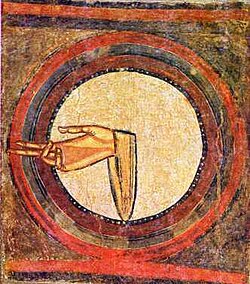
- Hand of Glory, a severed pickled hand of a man who was hanged alive. Said to have the power to unlock any door and, if a candle was placed within made from some body part of the same person, would freeze in place anyone who it was given to. (European folklore)
- Týr's hand, which was bitten off by Fenrir. (Norse mythology)
- Hand of God (also Manus Dei and Dextera domini/dei), ", a motif in Jewish and Christian art, especially of the Late Antique and early medieval periods, when depiction of Jehovah or God the Father as a full human figure was considered unacceptable. The hand, sometimes including a portion of an arm, or ending about the wrist, is used to indicate the intervention in or approval of affairs on Earth by God, and sometimes as a subject in itself. (Christian mythology/Jewish mythology)
- Aurvandils-tá (Aurvandill's toe), the god Thor tosses Aurvandill's toe which had frozen into the sky to form a star called Aurvandils-tá. (Norse mythology)
Hair, feathers and skin
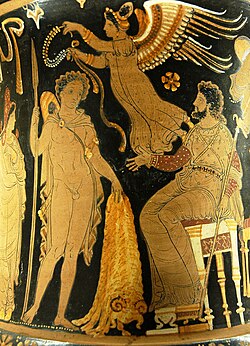
- Golden Fleece, sought by Jason and the Argonauts. The fleece of the golden winged ram, which was sought by Jason and the Argonauts. (Greek mythology)
- Firebird's plumage, the feathers of a Firebird that glows brightly emitting red, orange, and yellow light, like a bonfire that is just past the turbulent flame. The feathers do not cease glowing if removed, and one feather can light a large room if not concealed. (Slavic mythology)
- Feathers of Simurgh, the legendary Simurgh gave three of her feathers to Zal, the Persian hero and also father of Rostam, so that whenever he needed the guidance or help of Simurgh, he could burn one of the feathers and Simurgh came to his aid. (Persian mythology)
- Feather of Ma'at (also Feather of Truth), her ostrich feather was the measure that determined whether the souls of the departed would reach the fields of Aaru successfully. The hearts of the dead were said to be weighed against her single feather in the Hall of Two Truths. (Egyptian mythology)
- Peacock's feather, the peacock was the patron bird of the Goddess Hera. According to myth, she adorned the tail of a peacock with Argus's eyes on its feathers in his honor, symbolizing all-seeing knowledge and the wisdom of the heavens. (Greek mythology)
- Leviathan's hide, could be turned into everlasting clothing or impenetrable suits of armor. (Jewish mythology)
- Nemean lion's hide, the lion could not be killed with mortal weapons because its golden fur was impervious to attacks. (Greek mythology)
- Selkie's skin, selkies are said to live as seals in the sea but shed their skin to become human on land. If a man steals a female selkie's skin, she is in his power and is forced to become his wife. If she finds her skin she will return to her true home in the sea. (Irish folklore)
- Coma Berenices (Berenice's hair), Berenice II of Egypt dedicated her hair to Aphrodite for her husband's safe return from Syria, and placed it in the temple of the goddess at Zephyrium. The hair had been carried to the heavens and placed among the stars. (Egyptian mythology)
- Ymir's hair, Odin, Vili and Vé used his hair for the trees. (Norse mythology)
- Ymir's eyebrows , Odin, Vili and Vé used his eyebrows to create the middle realm in which humans live, Midgard. (Norse mythology)
Blood and flesh

- Hydra's poisonous blood, Heracles would use arrows dipped in the Hydra's poisonous blood to kill other foes during his Labours, such as Stymphalian birds and the giant Geryon. (Greek mythology)
- Ningyo's flesh, the flesh is pleasant-tasting and anyone who eats it will attain remarkable longevity. (Japanese mythology)
- Fafnir's blood, Sigurd bathed in dragon's blood that conferred him invulnerability. He also drank some of Fafnir's blood and gained the ability to understand the language of the birds. (Norse mythology)
- Blood of Christ, the blood shed by Jesus Christ on the Cross. (Christian mythology)
- Ichor, the ethereal golden fluid that is the blood of the gods. (Greek mythology)
- Ymir's flesh, Odin, Vili and Vé fashioned the Earth from his flesh. (Norse mythology)
- Ymir's blood, Odin, Vili and Vé used his blood to form the ocean. (Norse mythology)
Bones and horns
- Unicorn horn (also Alicorn), the detached horn of a unicorn was thought to have many healing properties and antidote's virtues were attributed to the unicorn's horn. (European folklore)
- Dragon's teeth, in the legends of the Phoenician prince Cadmus and in Jason's quest for the Golden Fleece. In each case, the dragons are real and breathe fire. Their teeth, once planted, would grow into fully armed warriors. (Greek mythology)
- Camahueto's horn, the most valuable part of a Camahueto is their single horn, machis will use the horn for curing many kinds of illnesses. (Chilote mythology)
- Ymir's bones, Odin, Vili and Vé used his bones the make the hills. (Norse mythology)
Organs
- Valknut (also Hrungnir's Heart), Hrungnir's head, heart, and shield were made of stone. His heart had a peculiar shape, it was triangular due to which both the Valknut and the Triquetra have been called Hrungnir's heart. (Norse mythology)
- Fafnir's heart, which was roasted and consumed by Sigurd, giving him the gift of prophecy. (Norse mythology)
- Ymir's brain, which was used by Odin, Vili and Vé to make the clouds. (Norse mythology)
- Uranus's genitals, which fell on the ocean and formed Aphrodite, a nymph who later on became the goddess of beauty after being introduced to at Olympus (Greek mythology)
Containers
- Basket of Existence, a raffiabasket containing the divine ingredients that were to be used by Obatala to create the universe. It was stolen by his fellow orishaOduduwa before he could do so. (Yoruba mythology)
- Óðrerir, refers either to one of the vessels that contain the mead of poetry (along with Boðn and Són) or to the mead itself. (Norse mythology)
- Pot of Gold, which is used by leprechauns to store away all their coins at the end of the rainbow. (Irish mythology)
- Hamper of Gwyddno Garanhir, Gwyddno Garanhir possessed a hamper which would multiply food: if one was to put food for one man in the basket and open it again, the food was found to be increased a hundredfold. (Welsh mythology)
- Horn of Brân Galed, the Horn of Brân Galed from the North is said to have possessed the magical property of ensuring that "whatever drink might be wished for was found in it". (Welsh mythology)
- Pandora's box (also Pandora's pithos), a large jar given to Pandora which contained all the evils of the world. Pandora opened the jar and all the evils flew out, leaving only Hope inside once she had closed it again. (Greek mythology)
- Excalibur's scabbard, was said to have powers of its own. Injuries from losses of blood, for example, would not kill the bearer. In some telling, wounds received by one wearing the scabbard did not bleed at all. (Arthurian legend)
- Osiris's coffin, a beautifully carved coffin made by Set. Osiris was tricked by Set to enter the chest, and was enclosed inside it by 72 accomplices of Set. Set flung the coffer in the Nile so that it would drift far away. (Egyptian mythology)
- Purple Gold Red Gourd, a powerful magic gourd that sucks anyone who speaks before it inside and melts them down into a bloody stew. (Chinese mythology)
- Trojan Horse, a wooden horse where a select force of men hide inside during the Trojan War, the subterfuge that the Greeks used to enter the city of Troy and win the war. (Greek mythology)
- Ark of bulrushes, a container which carried the infant Moses. (Christian mythology/Jewish mythology)
Bags
- Bag of Mysteries, the pouch containing the secrets that were supposed to be the reward of the spirit responsible for the creation of the world. It was originally given by Olorun to Obatala, who was mandated by Him to serve that function, but was subsequently stolen by his brother/sister/spouse Oduduwa when he/she usurped his position as creator spirit. This and the simultaneous theft of the Basket of Existence (see above) later led to a war between them. (Yoruba mythology)
- Bag of Wind, Aeolus gave Odysseus a tightly closed leather bag full of the captured winds so he could sail easily home to Ithaca on the gentle West Wind. (Greek mythology)
- Corrbolg, a bag crafted by Manannán mac Lir from the skin of Aoife who had been transformed into a crane at the time of her death. It was later given to Conaire Mór and then eventually to Cumhall mac Trénmhóir and finally Fionn Mac Cumhaill. The crane bag contained a variable amount of items depending on if the tide was high or low. (Irish mythology)
- Qiankun Dai, one of the ten ancient artifacts, the universe bag or cosmos bag is a bag belonging to Maitreya that is able to fit all of heaven and earth inside. (Chinese Mythology)
- Kibisis, the sack in which the mythical hero Perseus carried the severed head of the monster Medusa. (Greek mythology)
- Santa's bag, carries a bag full of presents for children. (Modern folklore)
Cups and chalices
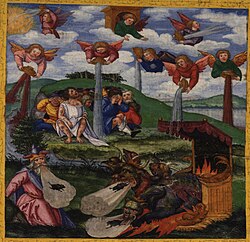
- Cup of Jamshid (Jām-e Jam), a cup of divination that was long possessed by rulers of ancient Persia and was said to be filled with an elixir of immortality. (Persian mythology)
- Nanteos Cup, a medieval wood mazer bowl attributed with the ability to heal those who drink from it. (Christian mythology)
- Holy Grail, a dish, plate, stone, or cup that is part of an important theme of Arthurian literature. (Arthurian legend/Christian mythology)
- Holy Chalice, the vessel which Jesus used at the Last Supper to serve the wine. (Christian mythology)
- Crater (Cup), identified with the cup of the god Apollo. (Greek mythology)
- Seven bowls, seven angels are thus given seven bowls of God's wrath, each consisting of judgements full of the wrath of God. These seven bowls of God's wrath are poured out on the wicked and the followers of the Antichrist after the sounding of the seven trumpets. (Christian mythology)
Lamps and lanterns
- Lantern of Diogenes, carried by the Cynic philosopherDiogenes of Sinope to aid in his fruitless search for an honest man. (Greek philosophy)
- Magic Lamp, an oil lamp that can be rubbed to summon a genie who grants wishes. (Arabic mythology)
Sculptures

- Palladium, a wooden statue that fell from the sky. As long as it stayed in Troy, the city-state could not lose a war. (Greek mythology)
- Ushabti, a funerary figurine used in Ancient Egypt. Ushabtis were placed in tombs among the grave goods and were intended to act as servants or minions for the deceased, should they be called upon to do manual labor in the afterlife. (Egyptian mythology)
- Ikenga, a statue that bestows its owner with super strength. (Igbo mythology)
- Obelisk, a tall, four-sided, narrow tapering monument which ends in a pyramid-like shape or pyramidion at the top. The obelisk symbolized the sun god Ra, and during the brief religious reformation of Akhenaten was said to be a petrified ray of the Aten, the sundisk. It was also thought that the god existed within the structure. (Egyptian mythology)
- Galatea, a statue carved of ivory by Pygmalion of Cyprus, which the goddess Aphrodite brought to life before uniting the couple in marriage. (Greek mythology)
- Golem, an animated anthropomorphic being that is magically created entirely from inanimate matter (specifically clay or mud). The word was used to mean an amorphous, unformed material in Psalms and medieval writing. There are many tales differing on how the golem was brought to life and afterwards controlled. (Jewish folklore)
- Terracotta Army, a collection of terracotta sculptures depicting the armies of Qin Shi Huang, the first Emperor of China. The figures include warriors, chariots and horses whose purpose was to protect the emperor in his afterlife. (Chinese mythology)
Mirrors
- Oshun's mirror, a mirror that the river spirit Oshun keeps upon her person and uses as her symbol as the goddess of beauty. (Yoruba mythology)
- Smoking mirror, the mirror used by the god Tezcatlipoca to see the whole cosmos. (Aztec mythology)
- Yata no Kagami, a mirror representing wisdom that was offered to the goddess of the sun, Amaterasu. (Japanese mythology)
- Archimedes's mirror, used by Archimedes to focus sunlight onto ships attacking Syracuse, causing them to catch fire. (Greek mythology)
- Logun Ede's mirror, given as a gift from his mother, Oshun. (Yoruba mythology)
- Snowwhite's stepmother's mirror, a talking mirror that serves Snow White's stepmother by answering her questions. (German folklore)
Dispensers
- Sampo (also Sammas), a magical artifact constructed by Ilmarinen that brought good fortune to its holder. (Finnish mythology)
- Skatert-Samobranka (Magic Tablecloth), a magic tablecloth is spread on the ground, saying the magic words and food and drink aplenty will appear. When finished eating, rolling up all the dirty plates, cutlery, and crumbs into the tablecloth and they magically disappear. (Russian folklore)
- Halter of Clydno Eiddyn, belonged to Clydno Eiddyn (Cebystr Clydno Eiddin). It was fixed to a staple at the foot of his bed. Whatever horse he might wish for, he would find in the halter. The Halter of Clydno Eiddyn was also called The Handy Halter, for it summons fine horses. (Welsh mythology)
- Akshaya Patra, a wonderful vessel given to Yudishtira by the Lord Surya which provided a never-ending supply of food to the Pandavas every day. (Hindu mythology)
- Crock and Dish of Rhygenydd Ysgolhaig, whatever food might be wished for in them, it would be found on them. It belonged to Rhygenydd the Cleric. (Welsh mythology)
- Cornucopia (also Horn of Plenty), the horn of the goat-nymphAmalthea from which poured an unceasing abundance of nectar, ambrosia, and fruit. (Greek mythology)
- Manna machine, a machine described within the Zohar writings that is similar to chlorella algae processing of today. (Jewish mythology)
- Akshaya Tunir, an inexhaustible quiver of arrows belonging to Arjuna. (Hindu mythology)
Bridges
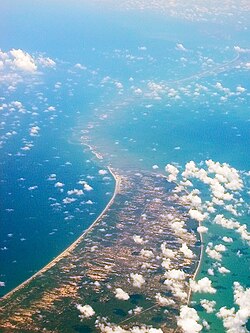
- As-Sirāt, a narrow bridge which every person must pass on the Yawm ad-Din ("Day of the Way of Life" i.e. Day of Judgment) to enter Paradise. (Islamic mythology)
- Bifröst, a burning rainbow bridge that reaches between Midgard (the world) and Asgard, the realm of the gods. (Norse mythology)
- Chinvat Bridge (also Bridge of the Requiter), a sifting bridge which separates the world of the living from the world of the dead and is guarded by two four-eyed dogs. (Zoroastrianism)
- Gjallarbrú (Gjöll Bridge), a covered bridge which spans the river Gjöll and must be crossed in order to reach Hel. (Norse mythology)
- Rama Setu (also Rama's Bridge), a floating bridge across the sea constructed by the apes Nala and Nila in the epic poem Ramayana. (Hindu mythology)
- Ame-no-ukihashi (Floating Bridge of Heaven), Izanagi and Izanami went to the bridge between heaven and earth to churn the sea below with Amenonuhoko. (Japanese mythology)
Columns
- Djed, Isis asked for the pillar in the palace hall from the king and queen of Byblos in Lebanon, and upon being granted it, extracted the coffin from the pillar. She then consecrated the pillar, anointing it with myrrh and wrapping it in linen. This pillar came to be known as the pillar of djed. (Egyptian mythology)
- Stambha (also Skambha), a cosmic column which joins the heaven (Svarga) and the earth (prithvi). (Hindu mythology)
- Column of the Flagellation, the column which Jesus was tied to during the Flagellation of Christ, kept in the Basilica of Saint Praxedes in Rome. (Christian mythology)
- Pillar of heaven, four pillars held Heaven and the goddess Nüwa repaired the pillars after the time when Heaven and Earth were in disruption. (Chinese mythology)
- Pillar of salt, Lot's wife was turned into a pillar of salt when she looked back at the cities of Sodom and Gomorrah as they were destroyed. (Christian mythology)
- Pillars of Hercules, Hercules raised two pillars at the Strait of Gibraltar when he passed by during one of his ten labours. The tenth labour was to obtain the Cattle of Geryon. (Greek mythology)
- Ame-no-mihashira (Heavenly Pillar), Izanagi and Izanami came down from heaven and spontaneously built a central support column called the Ame-no-mihashira which upheld the "hall measuring eight fathoms" that the gods caused to appear afterwards. (Japanese mythology)
Gates
- Gates of Alexander, a legendary barrier supposedly built by Alexander the Great to keep the uncivilized barbarians of the north from invading the land to the south. (Medieval legend)
- Gates of hell, various places on the surface of the world that have acquired a legendary reputation for being entrances to the underworld. Often they are found in regions of unusual geological activity, particularly volcanic areas, or sometimes at lakes, caves or mountains.
- Pearly gates, a conceptual entry to Heaven. (Christian mythology)
- Torii, the world was plunged into darkness and chaos. The wrath of Amaterasu, the Goddess of the Sun, led her to retreat to a cave in Amano-Iwato. To make her come out again, the Gods thought over several solutions and decided to set a perch with roosters at the entrance of the cave. They would then sing eternally. Intrigued by their songs, the Amaterasu walked out of the cave, and the world was again bathed in light. Later, people decided to build bird perches at the entrances of shrines. (Japanese mythology)
- Gates of Tartarus, a gate flanked by adamantine columns, a substance so hard that nothing can cut through it, akin to diamond. (Roman mythology)
Nets
- Indra's net, one of the weapons of the sky-god Indra, used to snare and entangle enemies. The net also signifies magic or illusion. (Hindu mythology)
- Rán's net, a net in which she tried to capture men who ventured out on the sea. Her net is also mentioned in Reginsmál and in the Völsunga saga, where she lends it to Loki so that he can capture Andvari. (Norse mythology)
- Ogun's net, the unbreakable net that Ogun used to trap his wife Oya and her lover Shango when he caught them engaging in sexual activity. He subsequently dragged them, while still bound, before Olorun for judgement. In the versions of this myth from the Yoruba diaspora, the wife involved is Oshun. (Yoruba mythology)
- Sobek's net, Sobek caught the Four sons of Horus in a net in the Nile river. (Egyptian mythology)
- Hephaistos' net
Weighing scales
- Libra (Weighing Scales), held by Dike or Astraea, the goddess of justice. (Greek and Roman mythology)
- Scale of Maat, Anubis weighed the person's heart on a scale against the feather of Maat. If the heart is lighter than the feather, the person is allowed to pass into the afterlife. If not, the heart is eaten by Ammit. (Egyptian mythology)
- Scale of justice, Themis was portrayed carrying scales. (Greek mythology)
- Mul Zibanu (Scales or Balance), which were held sacred to the sun god Shamash, who was also the patron of truth and justice. (Mesopotamian mythology)
- Famine's pair of scales, the third of the Four Horsemen of the Apocalypse rides on a Black Horse is Famine, and he who sat on it had a pair of scales in his hand. (Christian mythology)
Sharpening stones
- Odin's whetstone, Baugi had nine thralls who killed each other in their desire to possess Odin's magical sharpening stone. (Norse mythology)
- Whetstone of Tudwal Tudglyd, sharpens the blade of a fine warrior. It shall draw blood from any enemy of its user if its user be brave; if its user shall be cowardly, than the blade shall not be sharpened and draw no blood whatsoever. (Welsh mythology)
Wheels

- Rota Fortunae (Wheel of Fortune), a concept referring to the capricious nature of Fate. The wheel belongs to the goddess Fortuna, who spins it at random, changing the positions of those on the wheel – some suffer great misfortune, while others gain windfalls. (Greek mythology)
- Wheel of time (also wheel of history and Kalachakra), is a concept found in several religious traditions and philosophies, which regard time as cyclical and consisting of repeating ages. (Hindu mythology)
- Wheel of fire, which Ixion was bound to as punishment for lusting after Zeus's wife, Hera. (Greek mythology)
Buildings
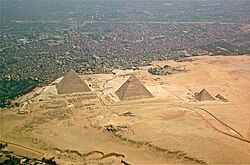
- Pyramid, a belief that the ancient Egyptian pyramids and objects of similar shape can confer a variety of benefits. Among these assumed properties are the ability to preserve foods, sharpen or maintain the sharpness of razor blades, etc. (Egyptian mythology)
- World Mill (also Heavenly Mill and Cosmic Mill), a theme suggested as recurring in Indo-European and other mythologies. It involves the analogy of the cosmos or firmament and a rotating millstone. (Proto-Indo-European religion)
- Tower of Babel, a united humanity agreed to build a tower "tall enough to reach heaven"; seeing this, God, confounded their speech so that they could no longer understand each other and scattered them around the world. (Jewish mythology/Christian mythology)
- Heorot (Hall of the Hart), a mead-hall described in the Anglo-Saxon epic Beowulf as "the foremost of halls under heaven". It served as a palace for King Hroðgar, a legendary Danish king of the sixth century. (Anglo-Saxon mythology)
- Ryūgū-jō (Dragon Palace Castle), undersea palace of Ryūjin, the dragon god of the sea. Depending on the version of the legend, it is built from red and white coral, or from solid crystal. (Japanese mythology)
- Maleperduis, Reynard the Fox's principal hideaway, which is full of holes which Reynard can open and shut to elude his enemies. (Medieval legends)
- Caer Dathyl, a fortress in Arfon in northern Gwynedd referred to in the Four Branches of the Mabinogi, the Tale of Math fab Mathonwy. (Welsh mythology)
- Caer Sidi (also Caer Siddi), a legendary otherworld fortress mentioned in Middle Welshmythological poems in the Book of Taliesin. (Welsh mythology)
- Chicken-legged hut, Baba Yaga lives in a house standing on chicken legs, which enables the house to move about in accordance with Baba Yaga's wishes. When her house moves it spins while emitting a screeching noise. (Russian folklore)
- Soria Moria Castle, the three princesses live in Soria Moria Castle, and only the West Wind knew where the castle was located. (Scandinavian folklore)
- Santa's workshop, the legendary workshop where Santa Claus is said to make the toys and presents, given out at Christmas. (Elf (film))
Wings
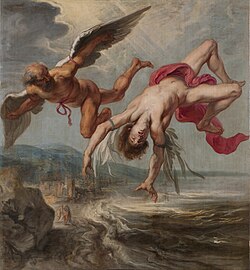
- Icarus' wings, which were made by Daedalus out of wax and bird feathers.
- Egil's wings, Völund is held captive at Nidung's court. To help his brother, Egil shoots birds and collects their feathers, of which Völund makes a pair of wings and flies away. (Norse mythology)
Astronomical objects
- Nibiru, a pseudoscientific proposed outer planet within the Solar System, described by Zecharia Sitchin.
- Planet X, a hypothetical planet, now disproven, proposed in 1906 by Percival Lowell to have existed beyond the planet Neptune.
- Sun, the earliest understanding of the Sun was that of a disk in the sky, whose presence above the horizon creates day and whose absence causes night. In the Bronze Age, this understanding was modified by assuming that the Sun is transported across the sky in a boat or a chariot, and transported back to the place of sunrise during the night passing through the underworld. In many cultures, such as Aboriginal and Native American legends, the raven stole the sun and placed it in the sky.
- Counter-Earth (also Antichthon), a hypothetical planet always on the other side of the Sun from Earth.
- Kolob, a star or planet described in the Book of Abraham. It is the heavenly body nearest to the Throne of God. (Book of Mormon)
- Neith, a hypothetical natural satellite of Venus reportedly sighted by Giovanni Cassini in 1672 and by several other astronomers in following years.
- Chiron, the name given to a supposed moon of Saturn sighted by Hermann Goldschmidt in 1861. It has since been determined that no such moon exists.
- Themis, William H. Pickering announced the discovery of a tenth satellite of Saturn. The photographic plates on which it supposedly appeared, thirteen in all, spanned a period between April 17 and July 8, 1904. However, no other astronomer has ever confirmed Pickering's claim.
- Phaeton, an hypothetical planet hypothesized by the Titius–Bode law to have existed between the orbits of Mars and Jupiter, the destruction of which supposedly led to the formation of the asteroid belt (including the dwarf planet Ceres).
- Tyche, an hypothetical gas giant located in the Solar System's Oort cloud, first proposed in 1999 by astrophysicists John Matese, Patrick Whitman and Daniel Whitmire of the University of Louisiana at Lafayette.
- Vulcan, a small hypothetical planet that was proposed to exist in an orbit between Mercury and the Sun. The 19th-century French mathematician Urbain Le Verrier hypothesized that peculiarities in Mercury's orbit were the result of another planet.
- Vulcanoid, a hypothetical population of asteroids that orbit the Sun in a dynamically stable zone inside the orbit of the planet Mercury. They are named after the hypothetical planet Vulcan, whose existence was disproven in 1915 with the advent of general relativity. So far, no vulcanoids have been discovered, and it is not yet clear whether any exist.
- Planet V, a hypothetical fifth terrestrial planet posited by NASA scientists John Chambers and Jack J. Lissauer to have once existed between Mars and the asteroid belt.
- Nemesis, a hypothetical red dwarf or brown dwarf, originally postulated in 1984 to be orbiting the Sun at a distance of about 95,000 AU (1.5 light-years), somewhat beyond the Oort cloud, to explain a perceived cycle of mass extinctions in the geological record, which seem to occur more often at intervals of 26 million years.
- Lilith, a fictitious invisible second moon of Earth, supposedly about the same mass as the Earth's Moon, proposed in 1918 by astrologer Walter Gorn Old.
- Star of Ishtar (also Star of Inanna), a symbol of the ancient Sumerian goddess Inanna and her East Semitic counterpart Ishtar. Because Ishtar was associated with the planet Venus, the star is also known as the Star of Venus. (Mesopotamian mythology)
- Winged sun, a symbol associated with divinity, royalty and power. (Egyptian mythology)
Torture devices
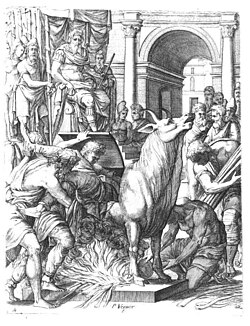
- Brazen bull (also Bronze bull or Sicilian bull), an alleged torture and execution device invented by Perillos of Athens, who offered it to Phalaris, the tyrant of Akragas, Sicily, as a new means of executing criminals.
- Paolao, a legendary torture device created by the wicked fox spirit Daji. It was a tall bronze cylinder heated with charcoal, but if one fell off they would die. With no other alternatives one was forced to dance atop the cylinder until they died. (Chinese Mythology)
Tools
- Holy Nails, the nails with which Christ was crucified. (Christian mythology)
- Rati, a drill or auger that was used by Odin during his quest to obtain the mead of poetry. (Norse mythology)
- Reginnaglar (Old Norse God Nails), are nails used for religious purposes. (Norse mythology)
Miscellaneous

- Chessboard of Gwenddoleu ap Ceidio, a large chess board made of gold with pieces of silver and crystal. The pieces play by themselves if set up correctly. (Welsh mythology)
- Neith's loom, which Neith uses to weave all of existence into being. (Egyptian mythology)
- Father Time's hourglass, carrying an hourglass representing time's constant movement. Many believe that Father Time, like the Grim Reaper, is constantly watching humans and has each and every one of their hourglasses slowly decreasing, sand casually slipping through the hands of time.
- Bangu, a bell in Glasgwm Church which was gifted by Saint David. Once a woman took the bell to the nearby town of Rharadr. Her husband was imprisoned in the castle and she believed that if she rang the bell he would be released. But the guards seized it and chased her out of town. That night the town was destroyed by fire, and the only part of it which escaped the flames was the wall on which the sacred bell was hanging. (Medieval legend)
- Voodoo doll, an effigy into which pins are inserted. Although it comes in various different forms, such practices are found in the magical traditions of many cultures across the world. (English folklore)
- Dreamcatcher, the Ojibwe storytellers speak of the Spider Woman, known as Asibikaashi; she took care of the children and the people on the land. Eventually, the Ojibwe Nation spread across North America and it became difficult for Asibikaashi to reach all the children. So the mothers and grandmothers would weave magical webs for the children, using willow hoops and sinew, or cordage made from plants. The dreamcatchers would filter out all bad dreams and only allow good thoughts to enter our mind. Once the sun rises, all bad dreams just disappear. (Anishinaabe mythology)
- Ibong Adarna's droppings, said to turn living beings into stone upon contact. (Philippine mythology)
- Kave's apron, according to legend, a Persian blacksmith made a battle flag by hanging his smith's apron from a spear, and used it to rally the people against the wicked king, Zahak. (Persian mythology)
- Koschei's needle, Koschei cannot be killed by conventional means targeting his body. His soul is hidden separate from his body inside a needle, which is in an egg, inside of a duck, inside of a hare, in an iron chest buried under a green oak tree, which is on the island of Buyan. (Slavic folklore)
- Shirikodama, Kappas can gain power by taking human's shirikodama, a mythical ball said to contain the soul. (Japanese mythology)
- Crystal skull, some individuals believe in the paranormal claim that crystal skulls can produce a variety of miracles.
- Vasilisa's doll, Vasilisa's mother gave her a tiny wooden doll with instructions to give it a little to eat and a little to drink if she were in need. (Russian folklore)
- Sheelah's brush (also Sheelagh's brush or Sheila's brush), the alleged wife of Saint Patrick who would sweep the winter away and gives one last snowstorm after Saint Patrick's Day. (Irish folklore)
- Jacob's ladder, a ladder leading to heaven that was featured in a dream Jacob had during his flight from his brother Esau in the Book of Genesis. (Abrahamic religions)
- Vase of Soissons, legendary sacred vase, probably in precious metal.
From Greek mythology
- Winnowing Oar, an object that appears in Books XI and XXIII of Homer's Odyssey.
- Athena's bridle, Polyeidos told Bellerophon to sleep in the temple of Athena. While he slept, he dreamed that Athena set a golden bridle beside him. He awoke and found the bridle he dreamt about in his hands. Afterwards, he went to the meadow Pegasus was grazing at, and was able to bridle and tame Pegasus without difficulty.
- Talos, a giant bronze automaton to protect Europa in Crete from pirates and invaders.
From Norse mythology
- Svefnthorn (Sleep Thorn), used to put an adversary into a deep sleep from which they would not awaken for a long time.
- Friggerock (Frigg's distaff), the Orion's Belt asterism within the constellation of Orion was once known as "Frigg's Distaff". To explain this attribution, some scholars have pointed out that the constellation is on the celestial equator and thus the stars rotating in the night sky may have been associated with Frigg's spinning wheel.
From Germanic heroic legend
From Christian mythology

- Firmament, the structure above the atmosphere, conceived as a vast solid dome according to the Biblical cosmology. According to the Genesis creation narrative, God created the firmament to separate the "waters above" the earth from the "waters below" the earth.
- True Cross, the name for the physical remnants which, by a Catholic church tradition, are believed to be from the cross upon which Jesus was crucified.
- Shroud of Turin (also Turin Shroud), a length of linen cloth bearing the image of a man, is believed by some to be the burial shroud of Jesus of Nazareth.
- Sudarium of Oviedo (also Shroud of Oviedo), a bloodstained piece of cloth that is claimed to be the cloth wrapped around the head of Jesus Christ after he died.
- Image of Edessa, a holy relic consisting of a square or rectangle of cloth upon which a miraculous image of the face of Jesus had been imprinted.
- Holy Sponge, a sponge dipped in vinegar (or in some translations sour wine), most likely posca, a favorite beverage of Roman soldiers, and offered to Christ to drink during the crucifixion.
From Hindu Mythology
From the Book of Mormon
- Liahona, a compass-like device given by God to the prophet Lehi and his family to help them navigate through the wilderness. It was powered by faith and obedience to God and if anyone in the party lost faith or sinned, it would stop working until that person repented.
- Title of Liberty, a battle standard used by Captain Moroni to rally the Nephites to arms against the armies of Amalickiah. It was made from Moroni's torn cloak, upon which he wrote, "In memory of our God, our religion, and freedom, and our peace, our wives, and our children".
Explanatory notes
- ↑Rule of thumb: include magical swords in fornaldarsögur but treat swords in Sagas of Icelanders or sagas of the kings as "historical"
External links
 Media related to Mythological objects at Wikimedia Commons